A black day for French Protestants
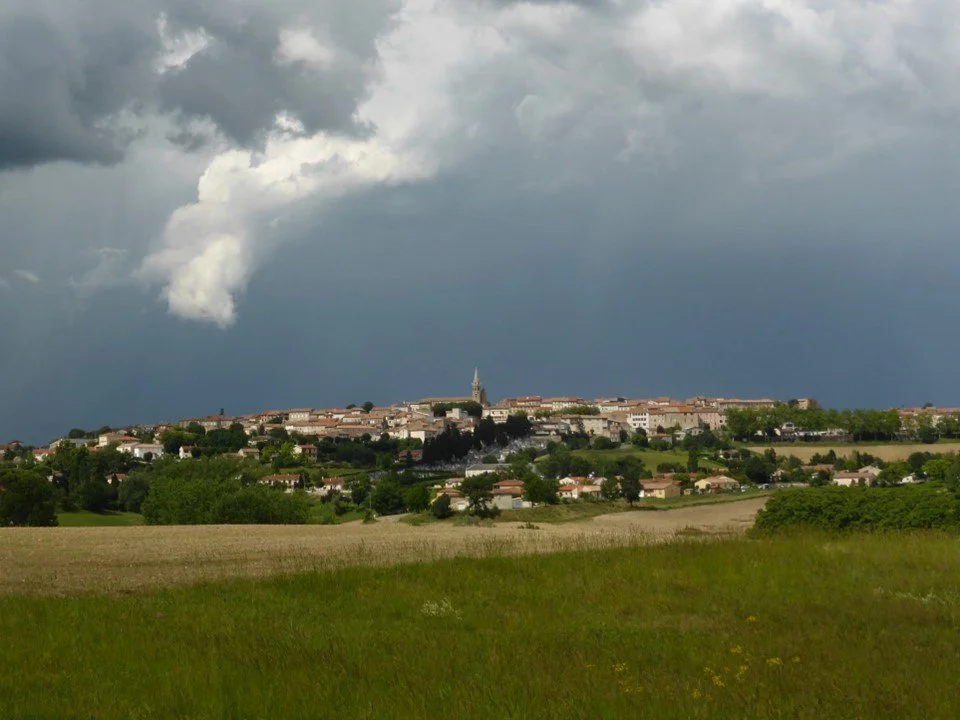
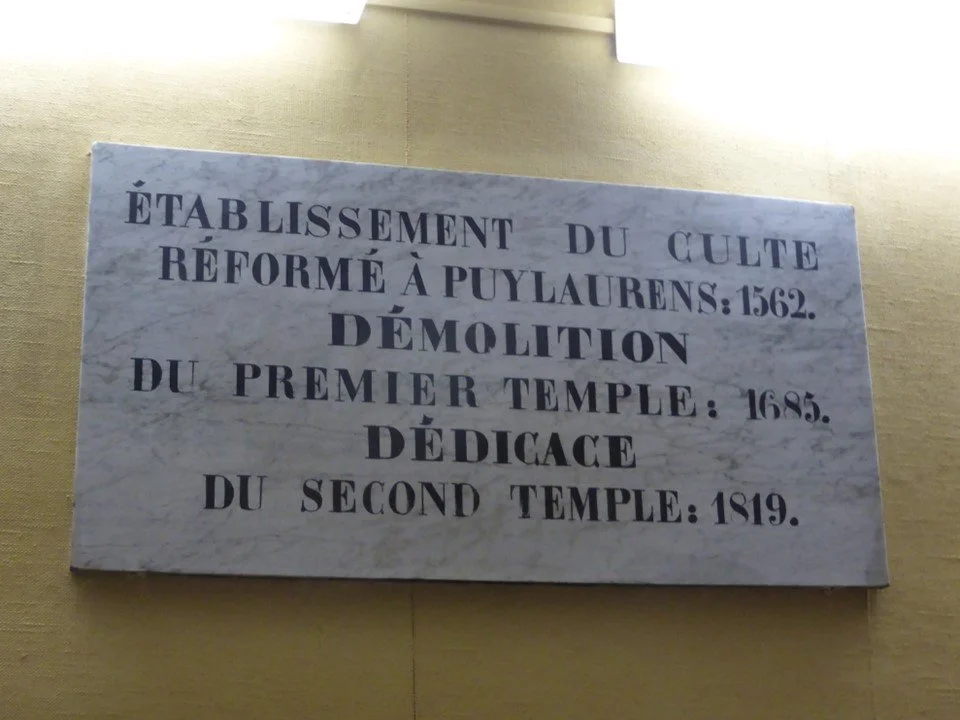
On 16 October 1685, Louis XIV dispatched four companies of infantry to the town of Puylaurens, 45 kilometres to the east of Toulouse. Their mission? Demolish the Protestant temple and force the townsfolk to convert to Catholicism (in French, the word temple is commonly used to describe a Protestant church).
The end of religious freedom
A week later, the Sun King signed a new order that revoked all the freedoms that had been granted to the Protestants in the Edict of Nantes of 1598. In brief, his new edict decreed the destruction of all Protestant churches and academic establishments; outlawed all forms of Protestant worship; gave pastors a fortnight to choose between converting to Catholicism and going into exile; and banned all other Protestants from emigrating, on pain of the galleys for the men and prison for the women.
Despite the dangers of trying to flee the country, this triggered an exodus of biblical proportions. How many people fled is uncertain: estimates range from 200,000 to a million. Most sought asylum in neighbouring countries including England, Holland, Prussia and Switzerland, and four thousand fugitives found sanctuary in New York and Virginia.
A stronghold of Protestantism
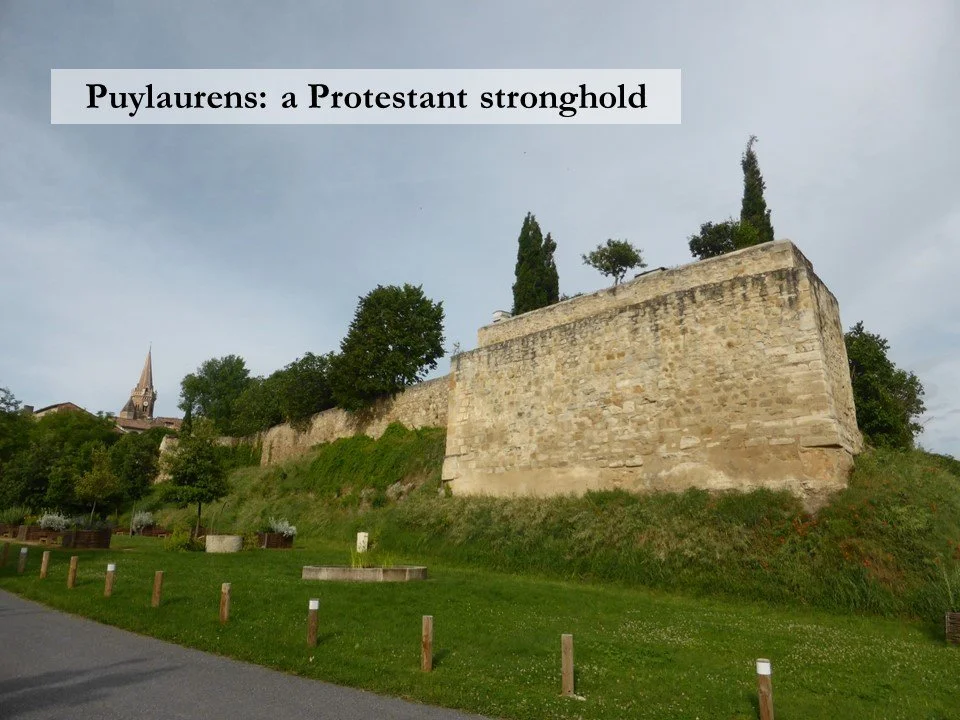
For over a century before this repression, Puylaurens had been a stronghold of Protestantism. As early as 1561, nine-tenths of its population had turned to the new faith. Despite this dominance, their place of worship in the town had a chequered history, even before Louis XIV sent in his troops.
One temple after another
During the first three decades of the Wars of Religion, the Protestants commandeered the town’s Catholic church. In 1589 they laid the foundations of a true temple, but this was in the middle of the eighth and final War of Religion and no one found the time to build anything on top of the foundations for another three years. Then, still at war, the temple was built in a Christmas rush and the first service was held on 25 December 1594. Ten days later it collapsed. Presumably the Protestants did not take this as a sign of God’s displeasure because the inauguration of a second temple took place a few years later. Although this one was solid enough to defy gravity, it could not resist the wishes of the king and it was destroyed eighty-seven years later on 16 October 1685.
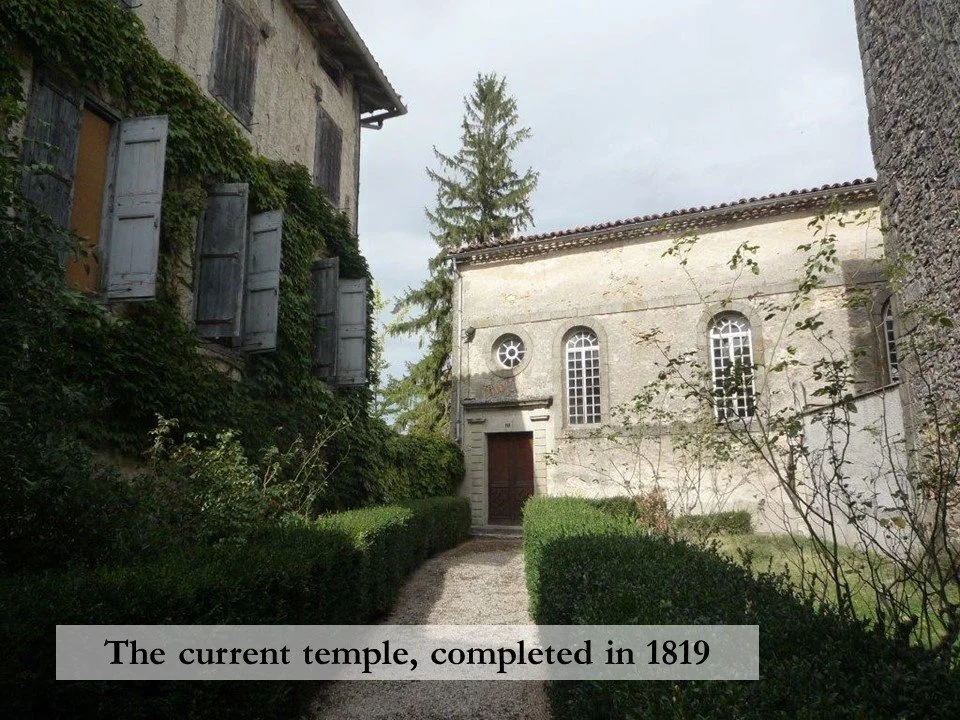
There is some doubt about the precise location of the first two temples, but they probably stood on the same site as the current Protestant place of worship which was completed in 1819.
For a much longer exploration of the role Puylaurens played in the Wars of Religion, see Section VI of my book Lauragais: Soaked in Blood, Steeped in History.
