An old friend of mine from Paris came to visit me in the south of France, expecting sunshine. Instead, Tony was greeted by a rain-soaked sky, so I suggested we abandon thoughts of climbing a mountain and visit the Dom Robert tapestry museum instead. His eyes glazed over, but I dragged him off to Sorèze and hoped the artistic monk would be able to weave his magic.
The spell must have worked, because on his way back to Paris Tony was inspired to call in at Aubusson. In the 15th and 16th centuries, this was the capital of the French tapestry industry, and between 1941 and 1994, this is where most of Dom Robert’s designs were turned into colourful works of art.

If, unlike Tony, you are still unconvinced of the pleasures of admiring tapestries, even in the magnificent setting of an abbey founded by Pépin the Short around 754, there is another way. In fact, until the Musée Dom Robert reopens its doors on 22 March 2024, it’s the only way.
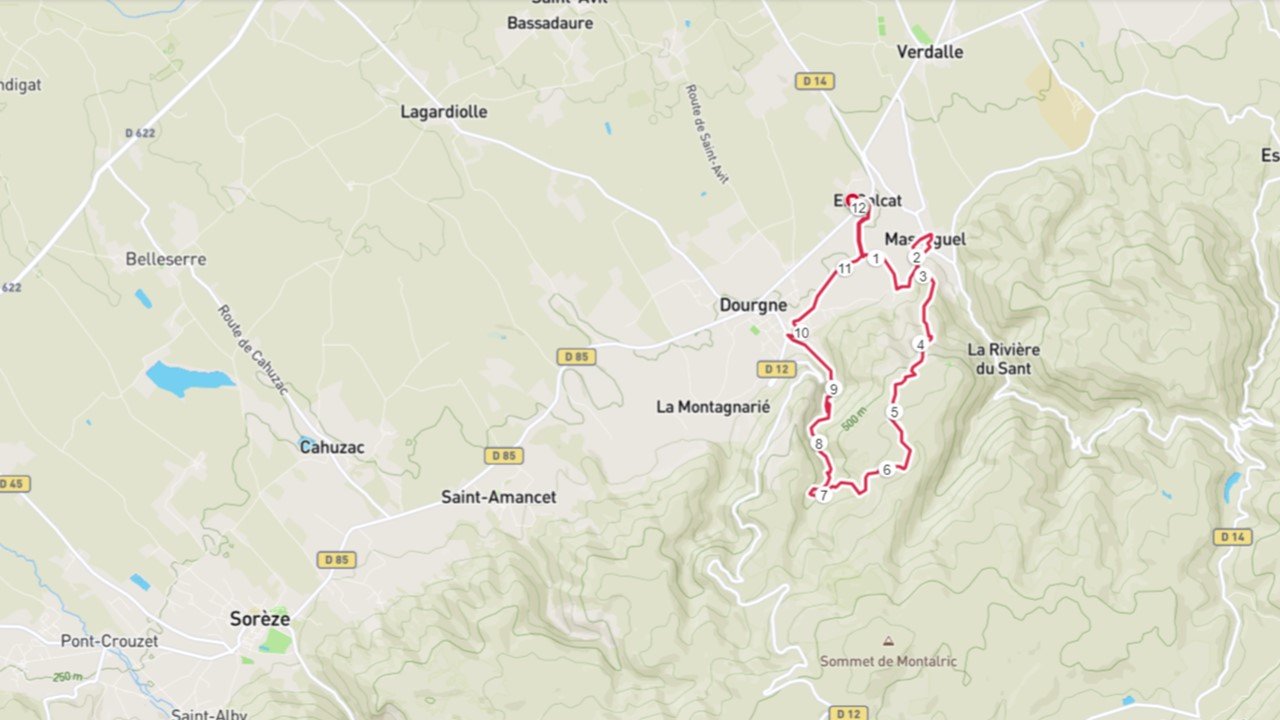
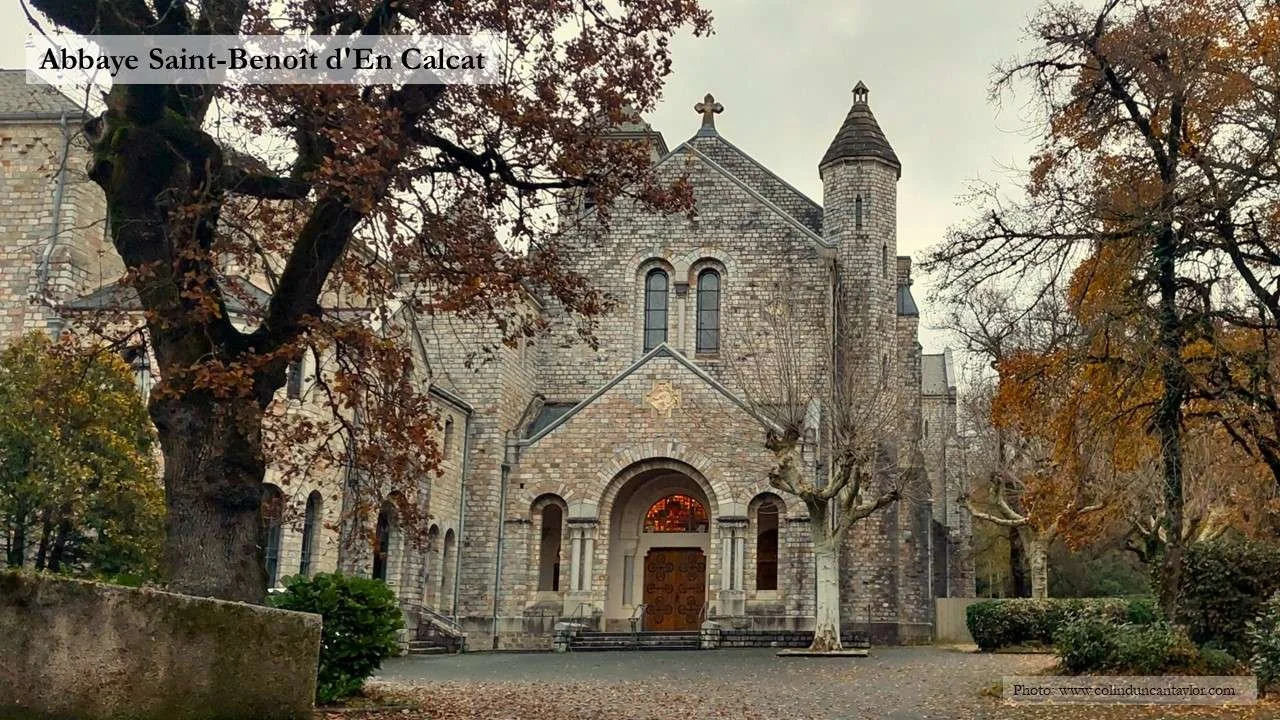
Dom Robert’s work was inspired by nature in general and the Montagne Noire in particular. Although Sorèze hosts his museum, he spent most of his time in another abbey eight kilometres to the north-east. En Calcat is where he began as a novice monk in 1930, En Calcat is where he died 60 years later, and En Calcat is where a 12-kilometre walk begins.
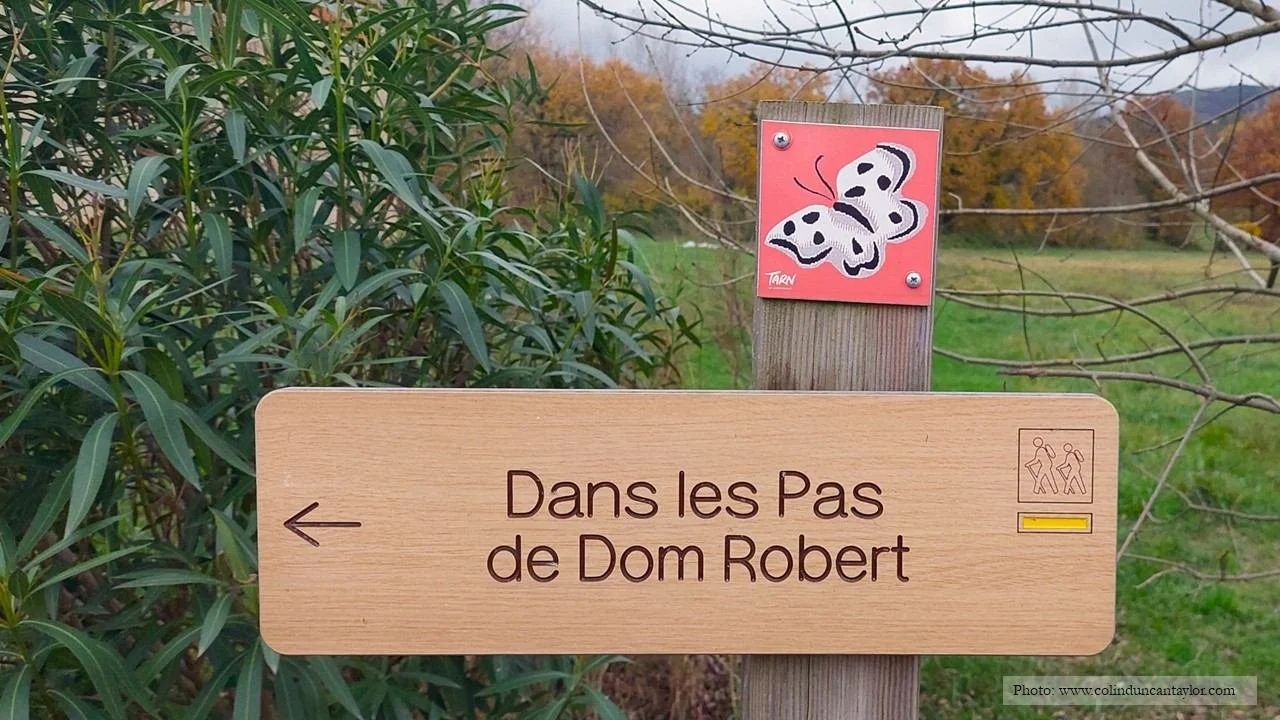
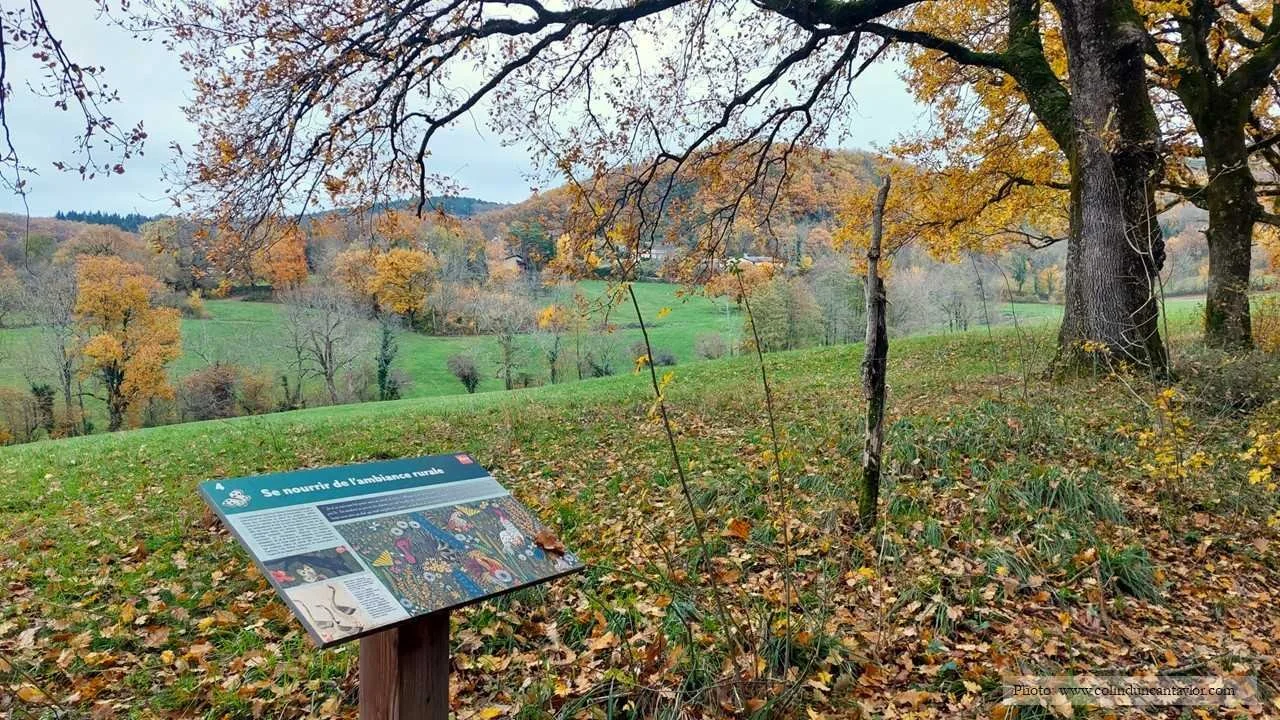
Signposted as ‘Dans les Pas de Dom Robert’, or ‘In the Footsteps of Dom Robert’, this country hike takes you into the Montagne Noire via 11 viewpoints associated with the artist’s work.
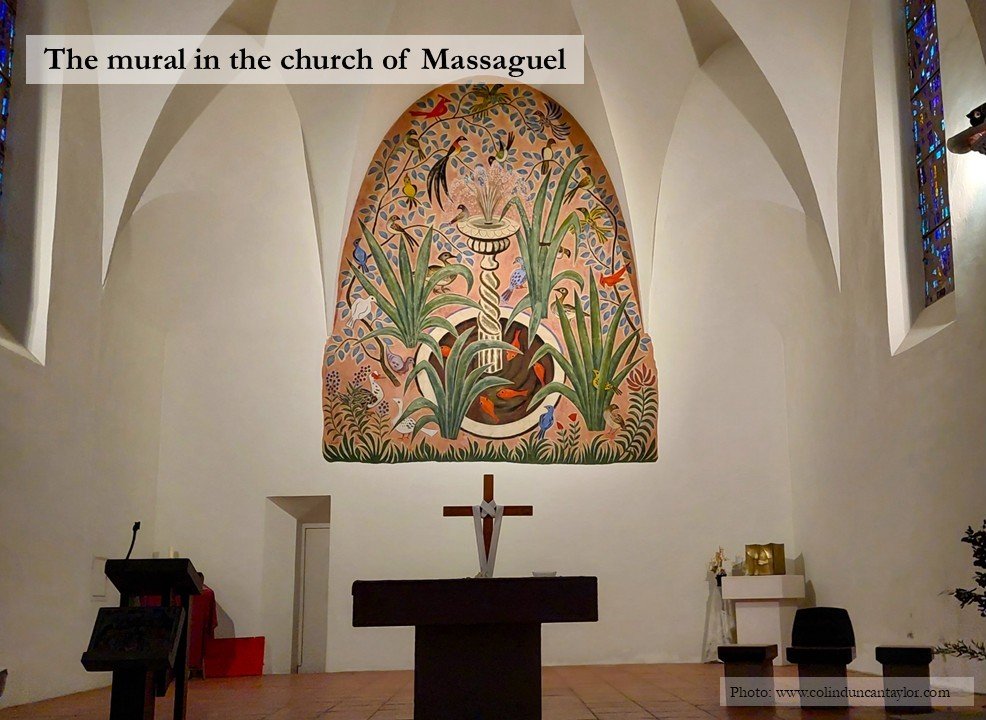
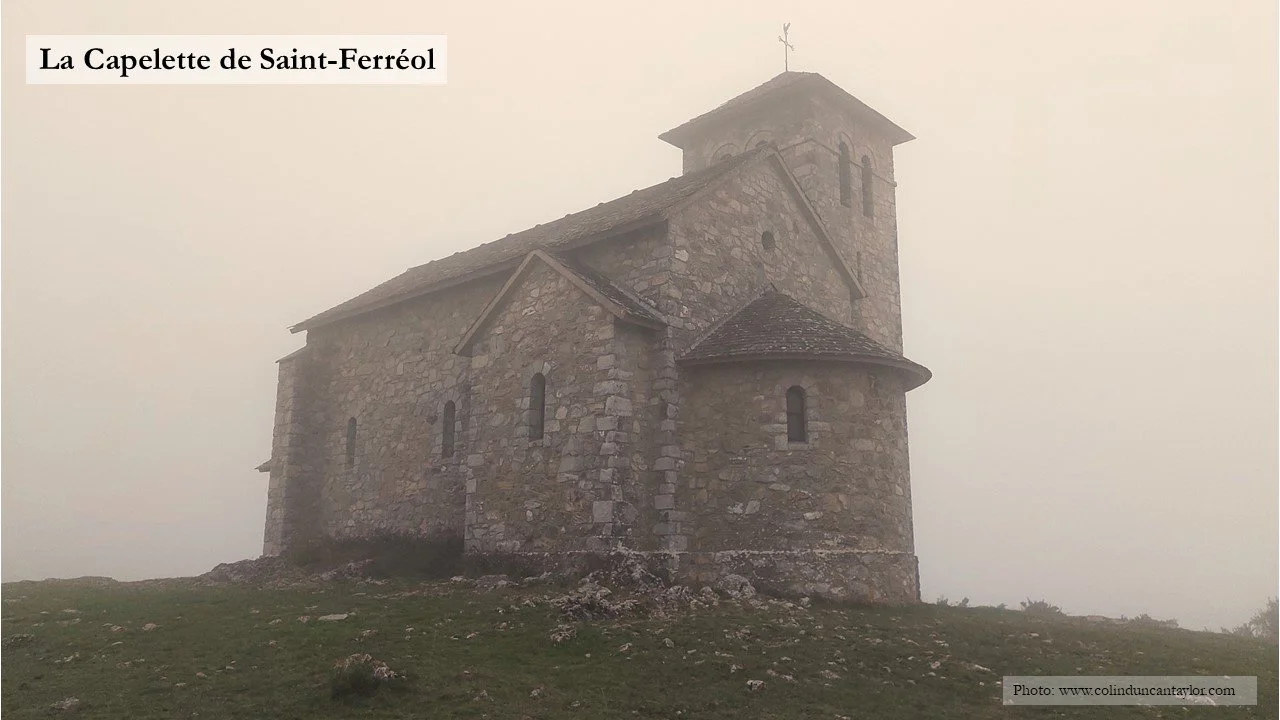
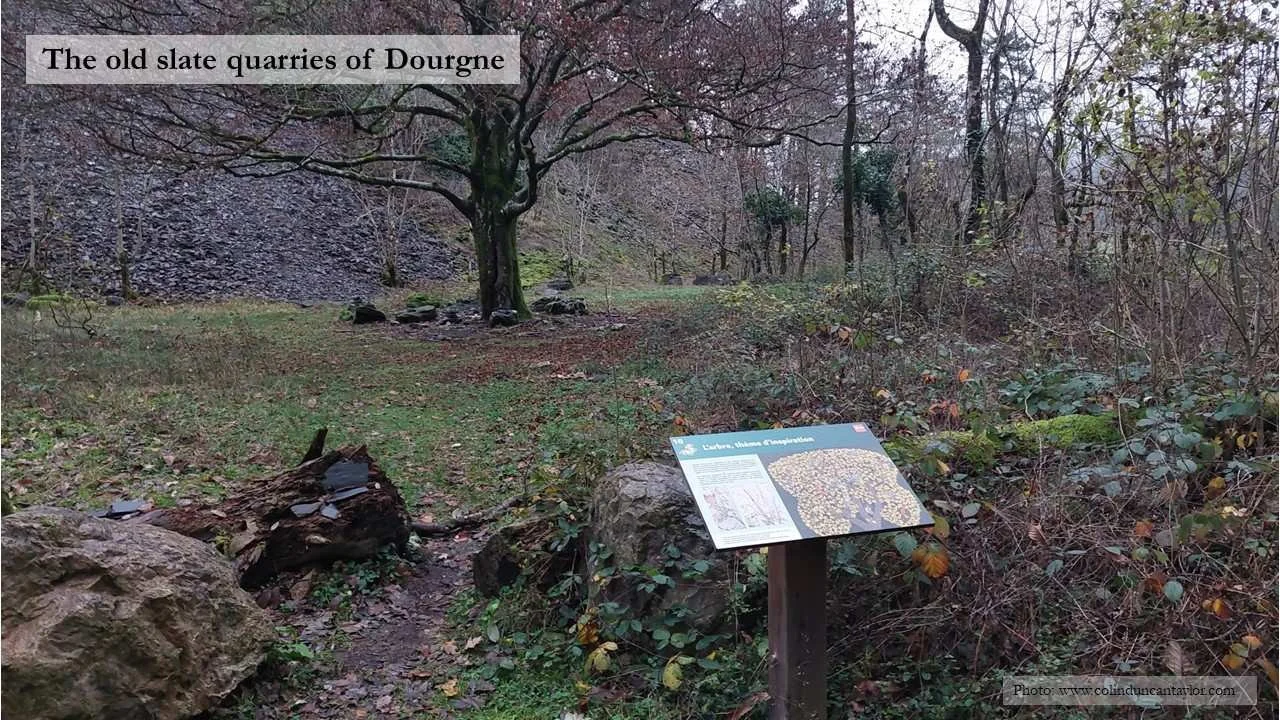
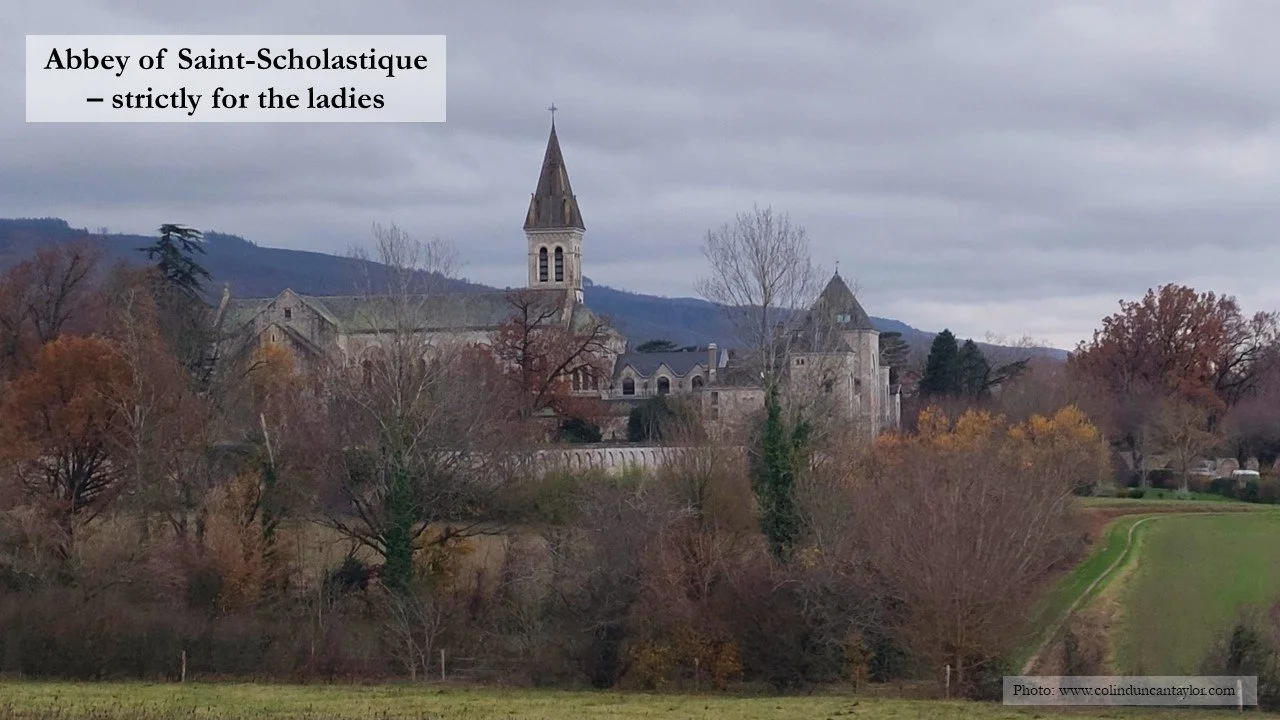
Other highlights of the walk include: the church in Massaguel where you can admire the only mural painted by Dom Robert, the picturesque mountain chapel known as La Capelette de Saint-Ferréol, the old slate quarries of Dourgne and the nuns’ Abbey of Saint-Scholastique.
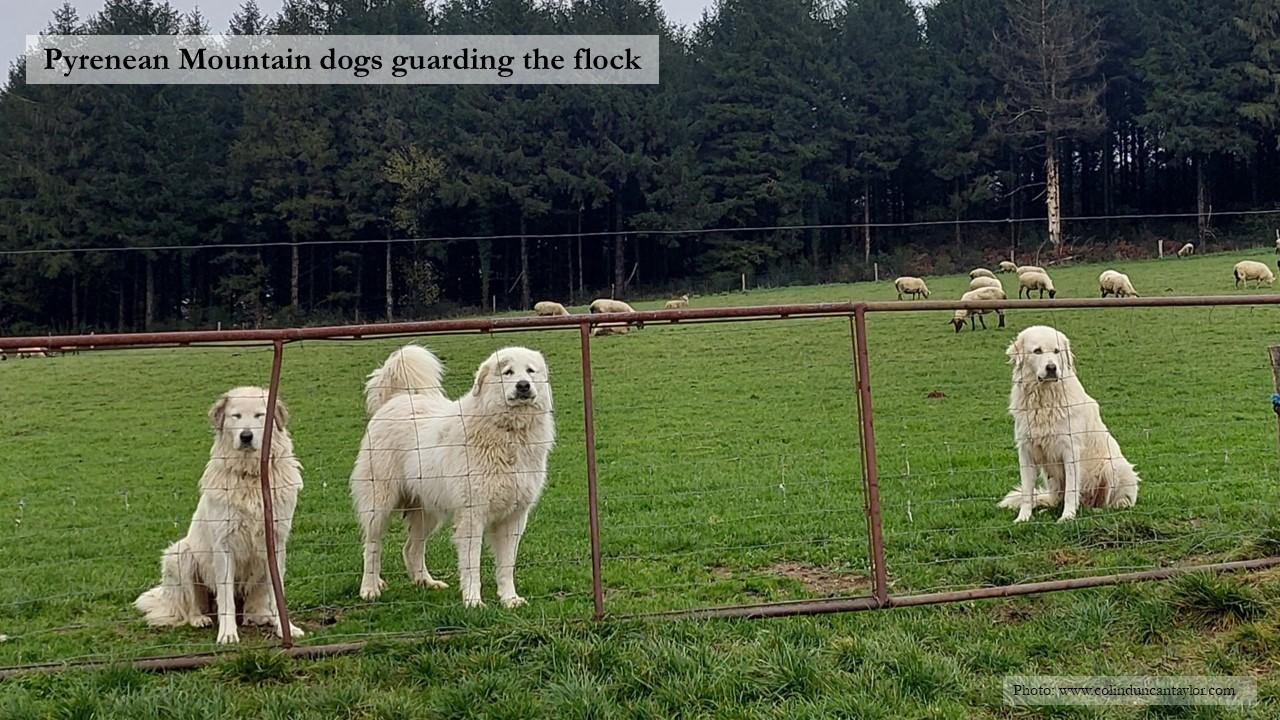
Dom Robert also used animals in many of his designs, particularly peacocks, deer, goats and sheep. During the walk, you are most likely to encounter the last of these creatures, but keep your distance because they are guarded by magnificent Pyrenean Mountain dogs which are trained to fight off bears and wolves but are also skilled at escorting humans off the premises. Oh, don’t worry, the chances of meeting a bear or a wolf are infinitesimally small.
I took most of the photos which accompany this post last December. I look forward to taking new ones when nature awakens from her winter slumber.
