Inside a very special pigeonnier
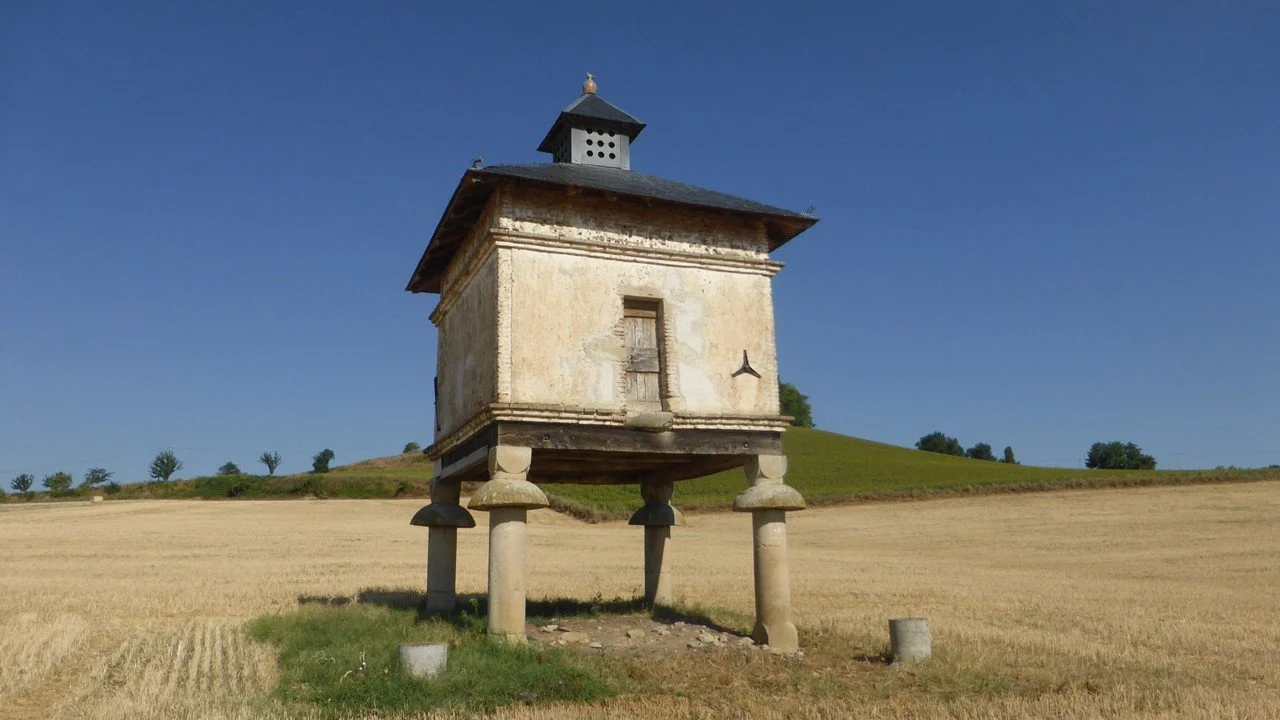
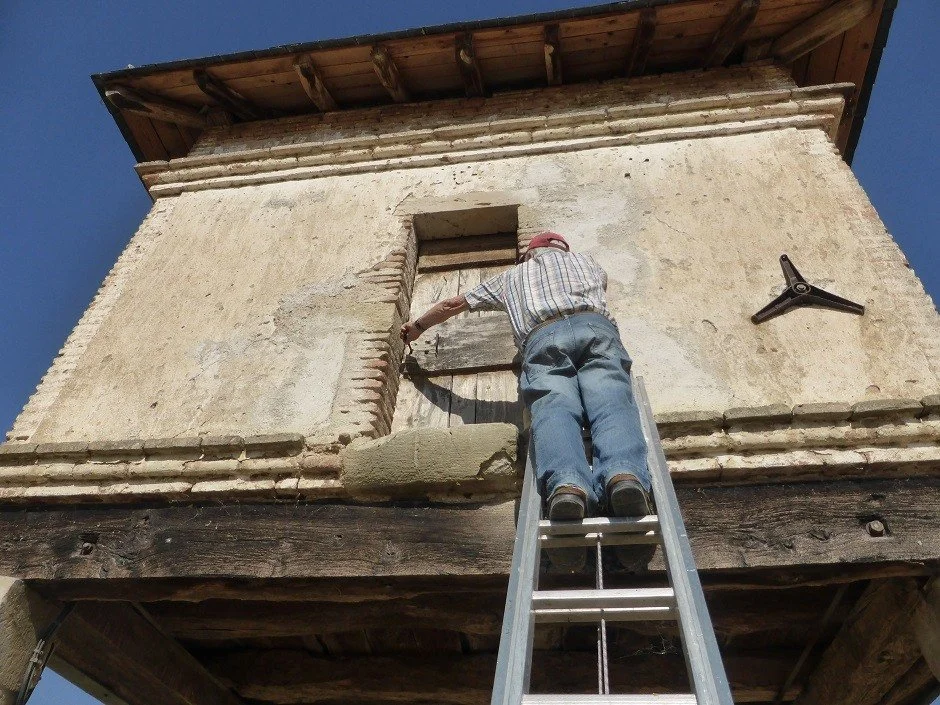
A couple of months ago, a local historian told me about a pigeonnier which, he assured me, was the most fascinating example he had ever seen. Since then, I have been waiting for the harvest to finish so that I can take a look inside without trampling the farmer’s crops. Earlier this week, the monument’s owner – Monsieur Albouy – announced that my wait was over. I took a short drive over to Saint-Germain-des-Prés near Puylaurens, and then off we went across the stubble armed with a ladder and a camera.
Built in the early 19th century, its most impressive feature is hidden from the motorists who speed past on the N126. Monsieur Albouy unlocked the door with a rusty old key, and we climbed inside.
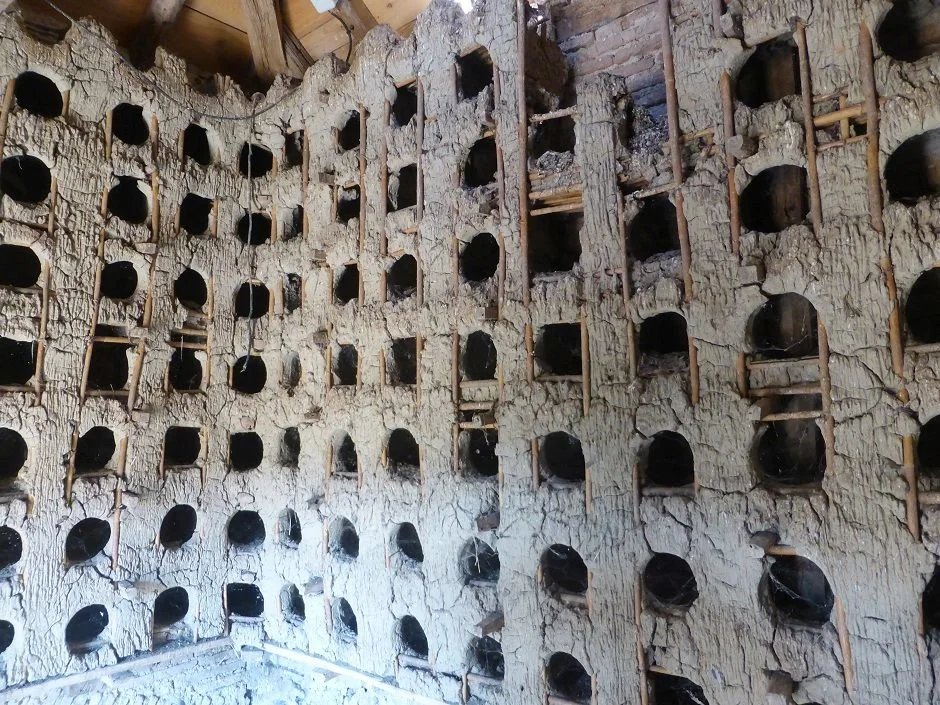
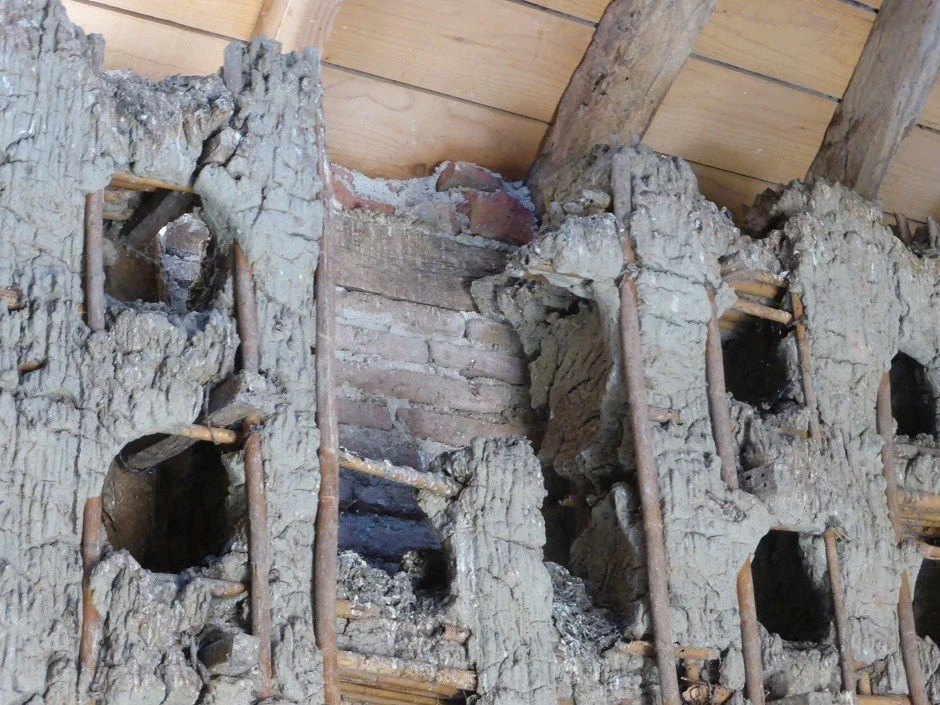
All the other pigeonniers of this style that I have looked inside were fitted with wicker baskets or clay pots for the birds to nest in. In contrast, the four walls of M. Albouy’s pigeonnier are lined with 300 pigeonholes fashioned from local clay and a bamboo framework. These provided a safe and comfortable environment where amorous pairs of adult pigeons could raise their squabs, or baby pigeons. Safety in this context was short-lived, like the baby pigeons. Before the juveniles reached 28 days and might fly away, the big bad owner came along with a basket and stole them for his supper.
Writing in his seminal work on agricultural science published in 1600, Olivier de Serres tells us: ‘He whose home is provided with a pigeon tower…will never see his household short of food because [it] will provide him with fresh meat as surely as a well-stocked larder.’
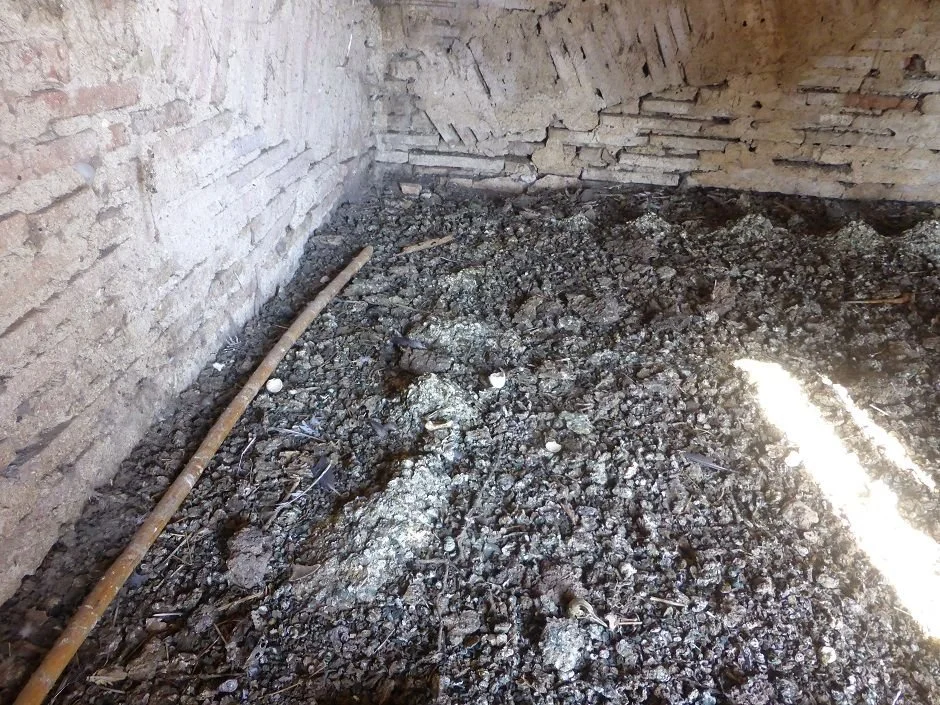
Although M. Albouy still eats a few birds from his pigeonnier, for him, the greatest benefit is the pigeon manure which he shovels out of the door into a trailer and spreads on his vegetable garden.
