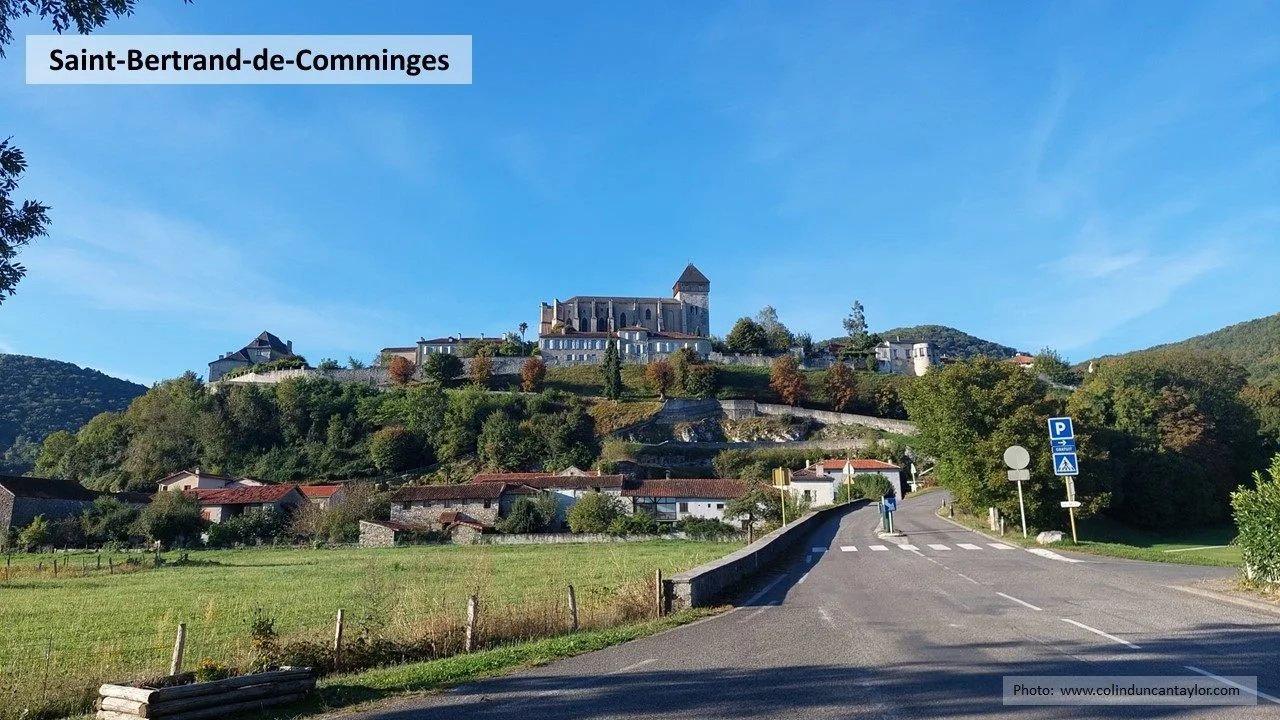
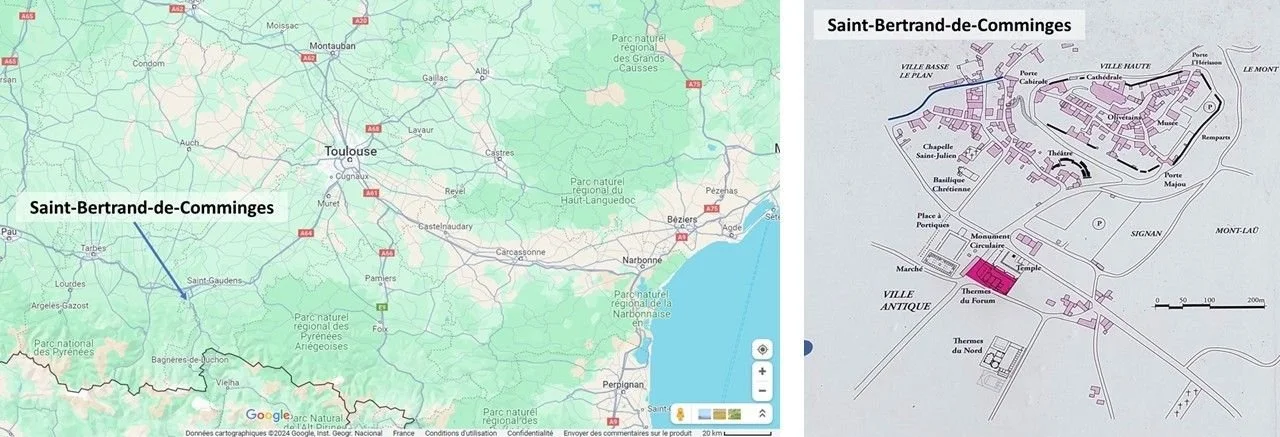
I am standing at a crossroads. To my right lie the foundations of the Roman temple. To my left, the remains of what may be the oldest Christian basilica in Gaul. Dominating the skyline to the south is the cathedral of Saint-Bertrand-de-Comminges. The Roman baths, the forum and the market are all here too at this meeting or parting of the ways. Even better, there are no gates or ticket sellers. In this ancient city, you are free to wander through history as free as a Roman citizen.
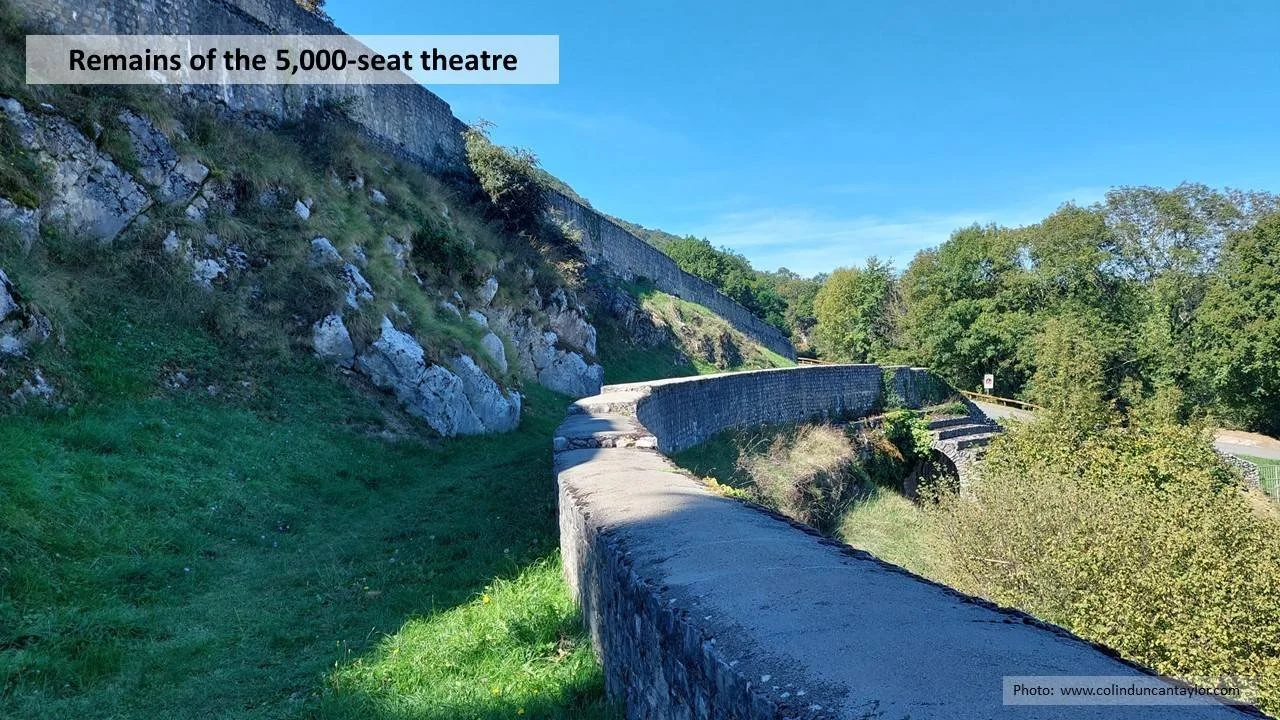
Lugdunum Convenarum was founded around 72 BCE. Within a couple of centuries it had become large enough to justify a 5,000-seat theatre and a garrison of 500 legionnaires who may have been posted here to guard the imperial marble quarries further up the valley of the Garonne.
At around the same time, the first missionary-bishops arrived in western Gaul. One was called Saturninus, and he began seeking converts around 245 CE. Within five years, he had established the first Christian church in Toulouse and become its first martyr, being known as Saint Saturnin or Saint Sernin in French, San Sadurni or San Saturnino in Spanish, and Sant Serni in Catalan. Another 130 years passed until, in 380 CE, Christianity became the official religion throughout the Roman Empire.
Many early Christian churches were incorporated into later constructions or disappeared in other ways, which makes the basilica at Lugdunum Convenarum an exception. Its story is helpful in imagining how the new religion may have spread.
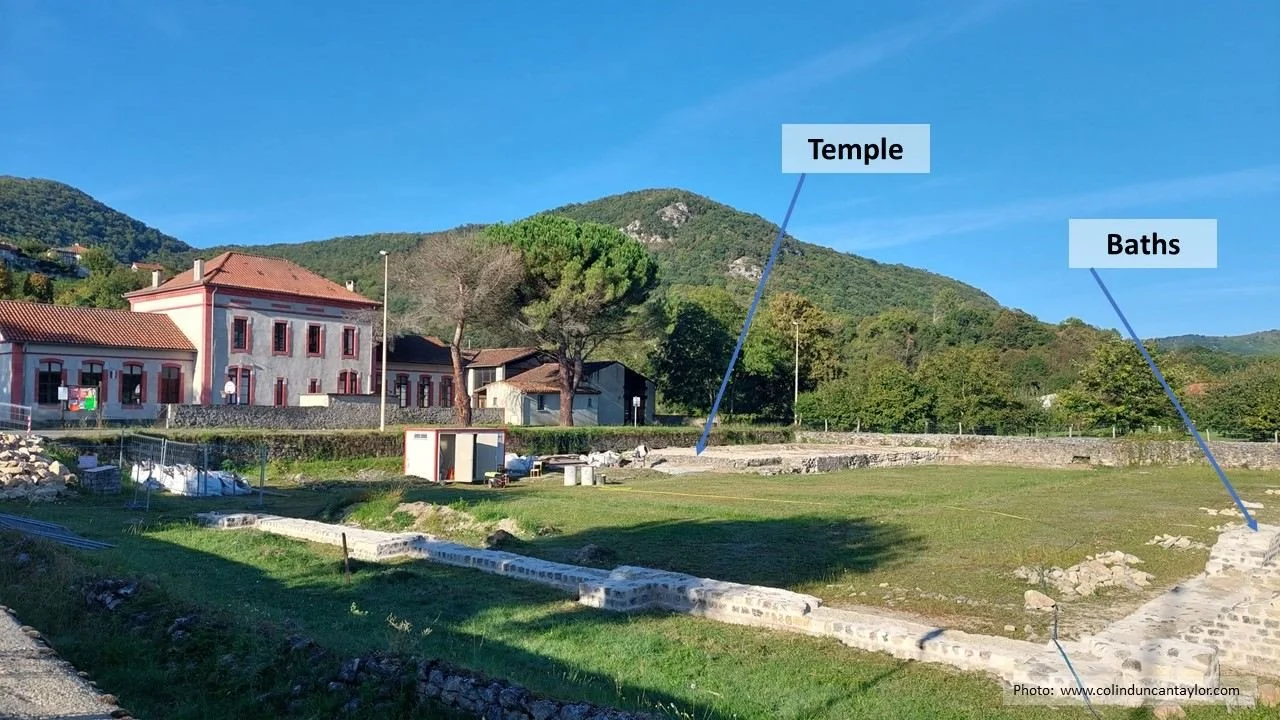
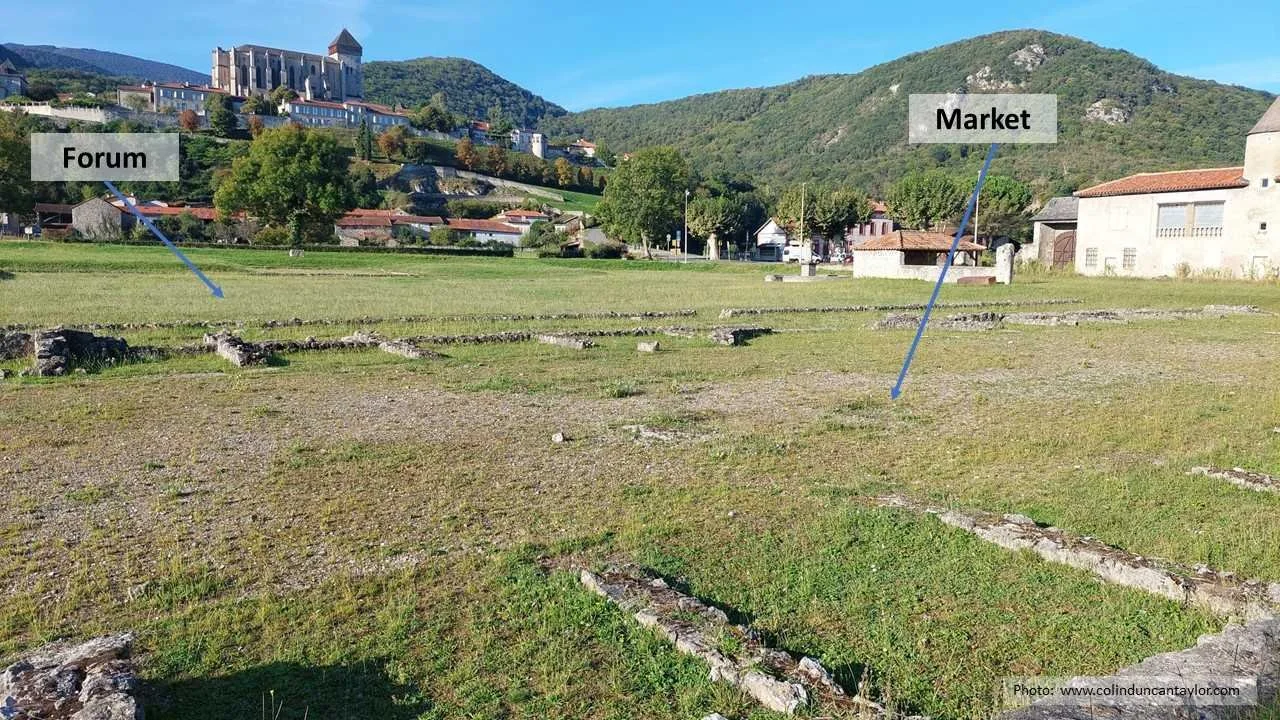
Midway between the forum and the theatre lived a rich family in a fine house with its own baths. Early in the 5th century, this family bequeathed some of its land to the new faith so that a church could be built. The most-Romanised citizens were often the first to convert to the new official religion, and donations were a means of winning favour from the new priests, the new god and the governing authorities.
At first, the Basilica de Plan was a simple affair with a nave 20 metres long. A century later the nave was extended westwards and other features were added. After that, Lugdunum Convenarum became Comminges, and Comminges became a diocese and then a county. In 1083, Bertrand de L'Isle-Jourdain became its bishop, and on the hill above the Roman theatre he began work on a vast cathedral, using numerous blocks of stone pillaged from the ancient city.
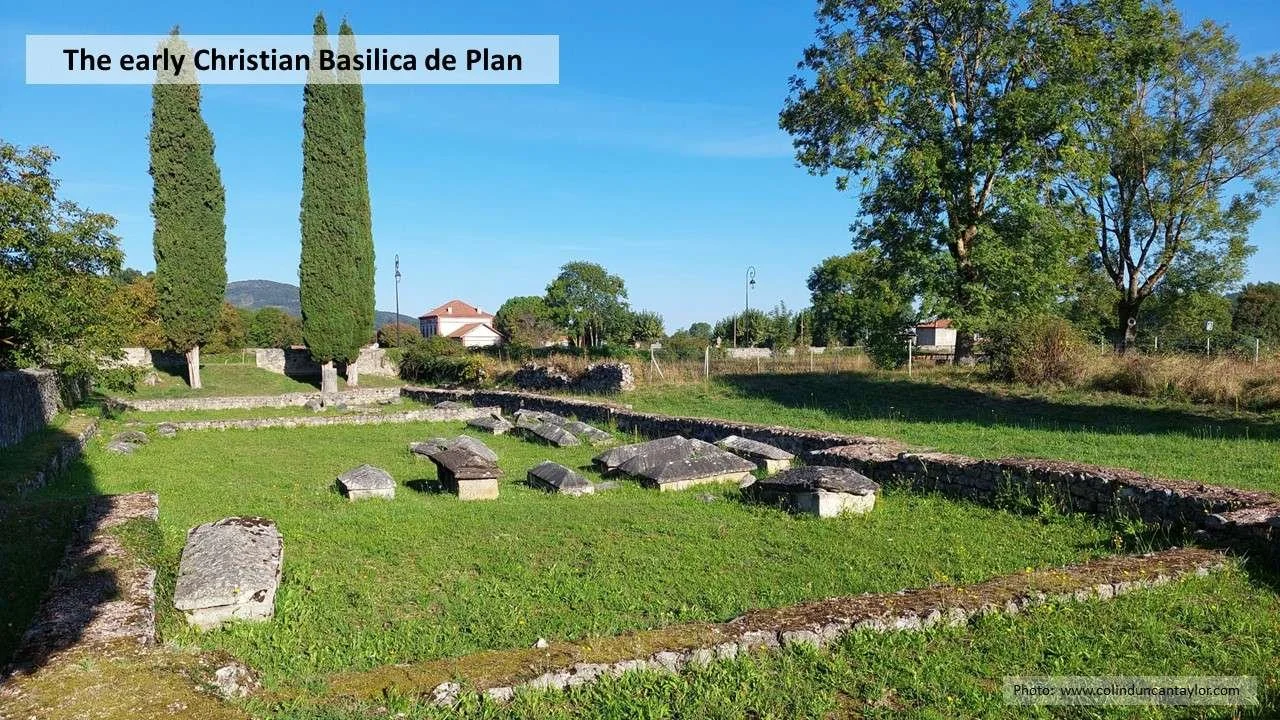
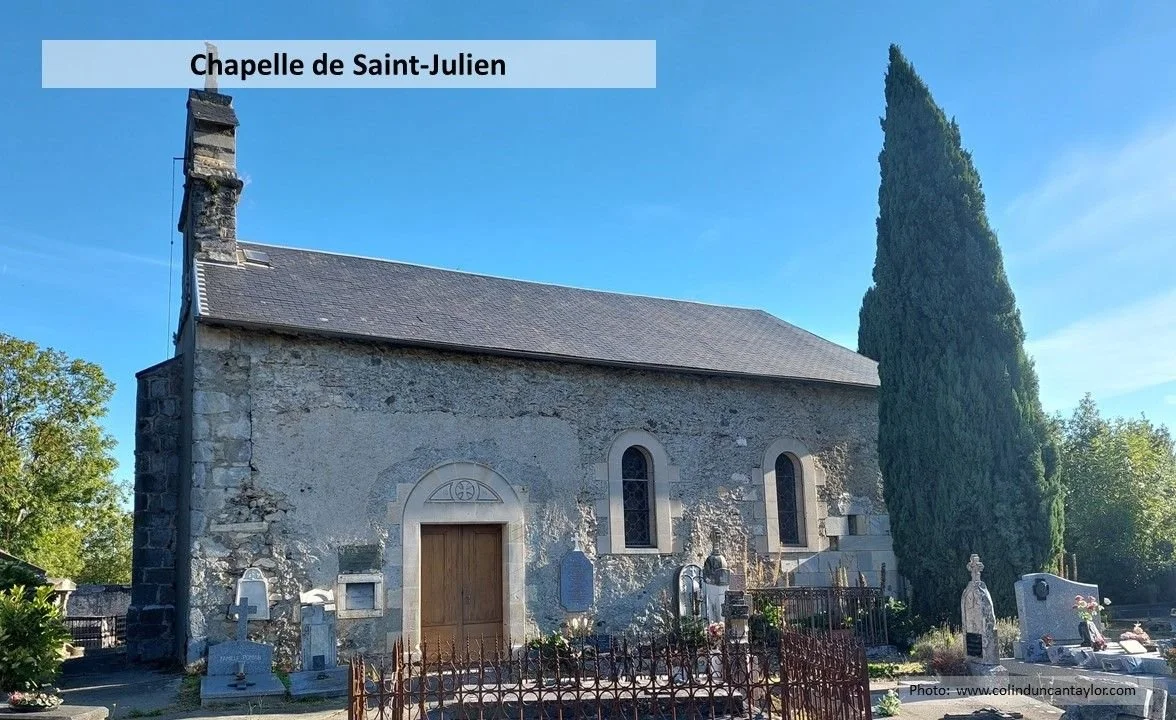
That first basilica between the forum and the theatre was not entirely forgotten. Probably in the 12th century, a new chapel was built alongside it and dedicated to Saint-Julien. By then, the cathedral-building bishop was dead, but that did not prevent him from adding to the 15 miracles he had performed while alive, and when his score reached the miraculous total of 30, he was made a saint and Comminges became Saint-Bertrand-de-Comminges.
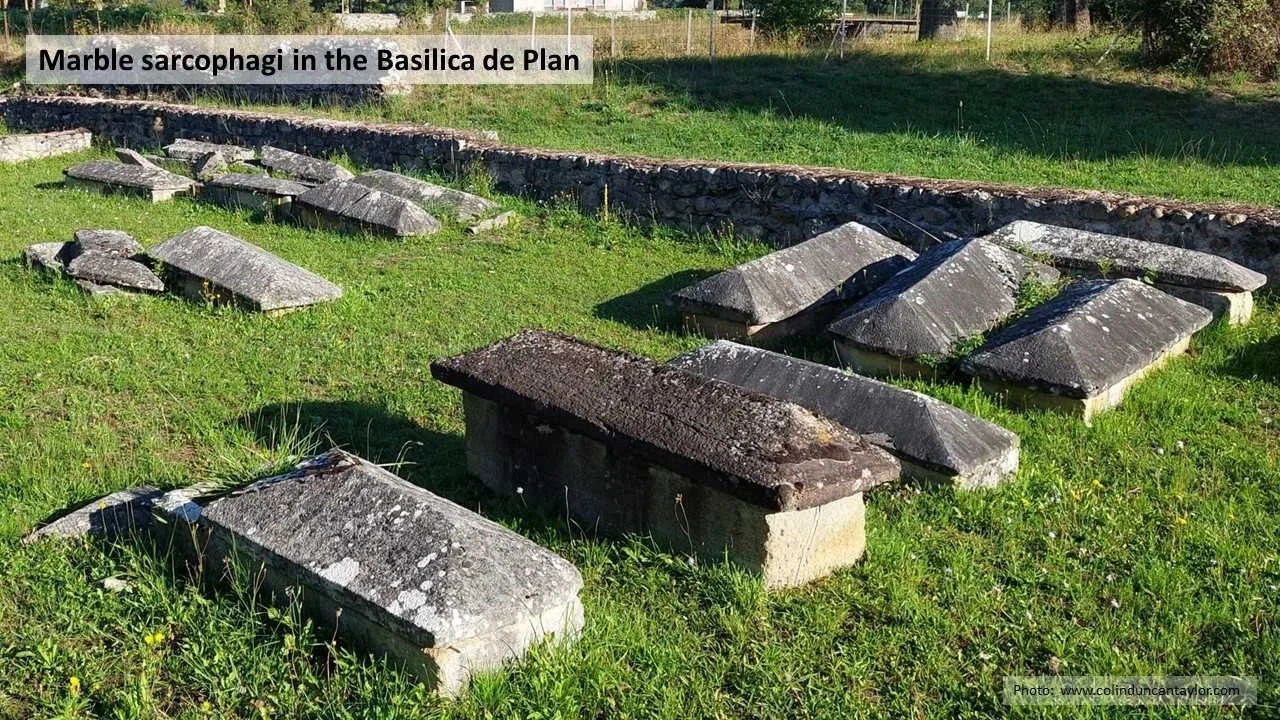
These phases of religious evolution are easy to visualise if you pass through the cypress trees guarding the entrance to the ruined foundations of the Basilica de Plan, stroll up the ancient nave paved with green grass, peep over the wall at the chapel of Saint-Julien and glance skywards at the vast cathedral on a hill that was originally dedicated to the ancient god Lugus who gave his name to the Roman town.