Military history
(click on a picture to read the full article)
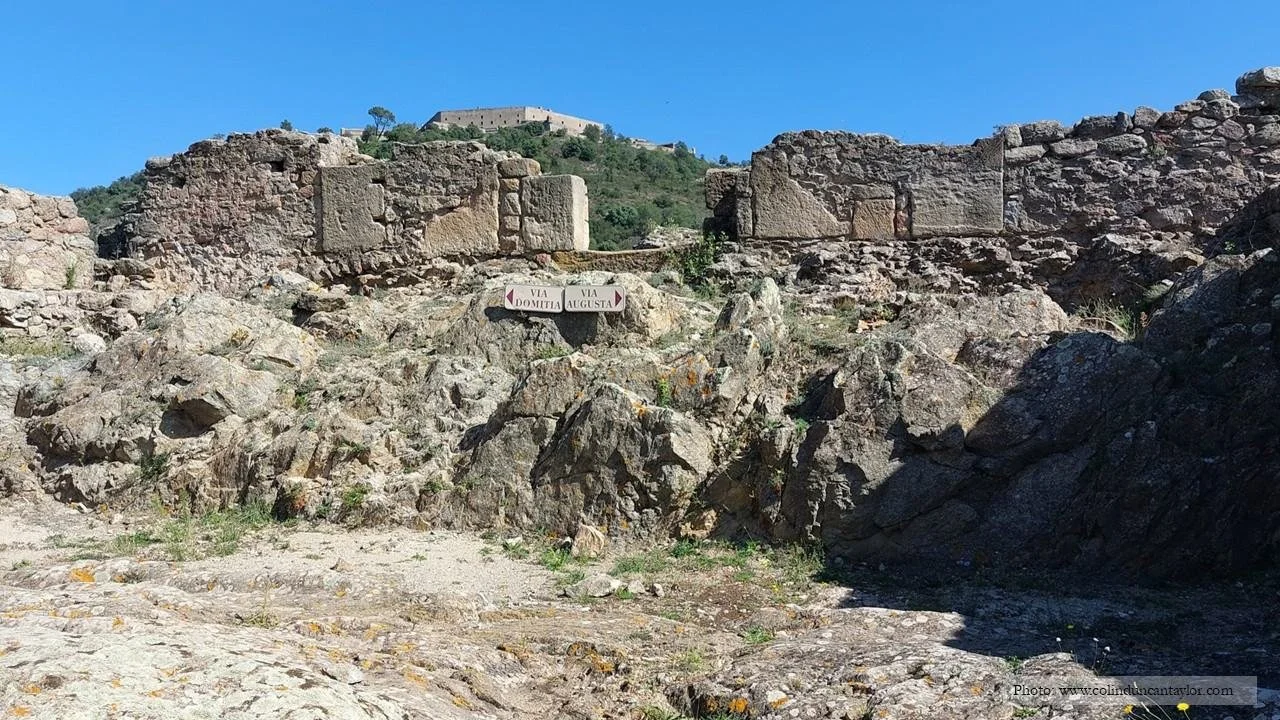
THE OLDEST ROMAN TROPHY / Around 71 BCE, the Roman general Pompey built a monument in the Pyrenees to celebrate 877 victories in south-western Europe. Only a handful of Roman trophies survive, and this is the oldest.
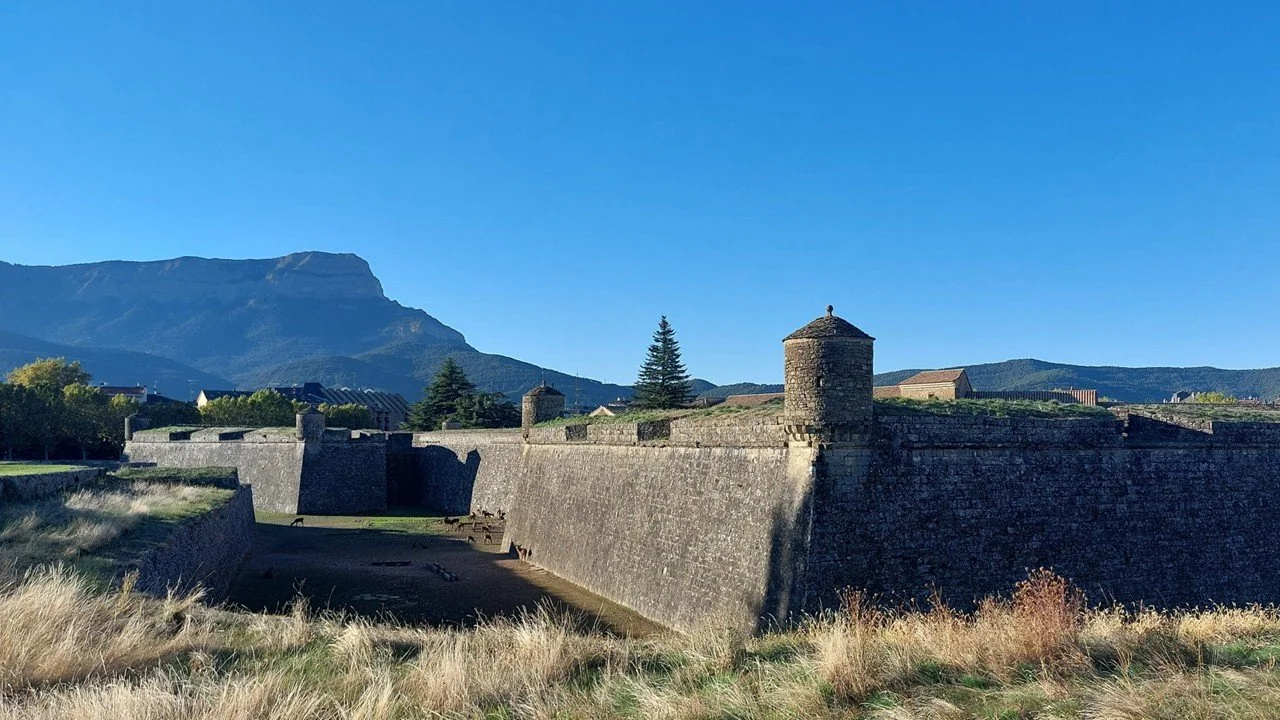
JACA: THE BEST PLACE IN THE PYRENEES TO ENJOY MILITARY HISTORY / As well as being the only surviving star fort in Spain, Jaca’s fortress is home to various museum galleries covering topics such as military medicine, military paintings and mountain regiments. It also hosts a garrison of 32,000 lead soldiers.
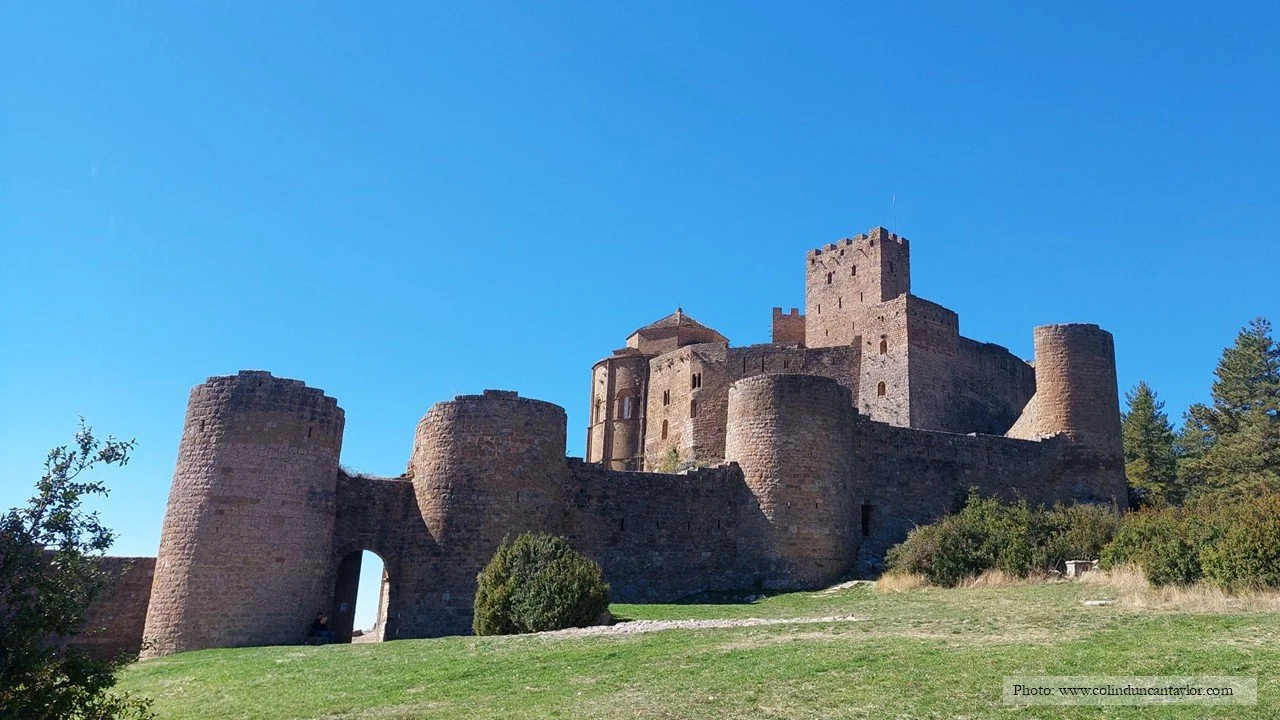
THE OLDEST AND BEST-PRESERVED FORTRESS IN SPAIN / Loarre was built by Christian kings in the 11th century as a secure base from which to launch their attacks on the Moors. In 2005, it provided a backdrop for Ridley Scott’s movie ‘Kingdom of Heaven’.
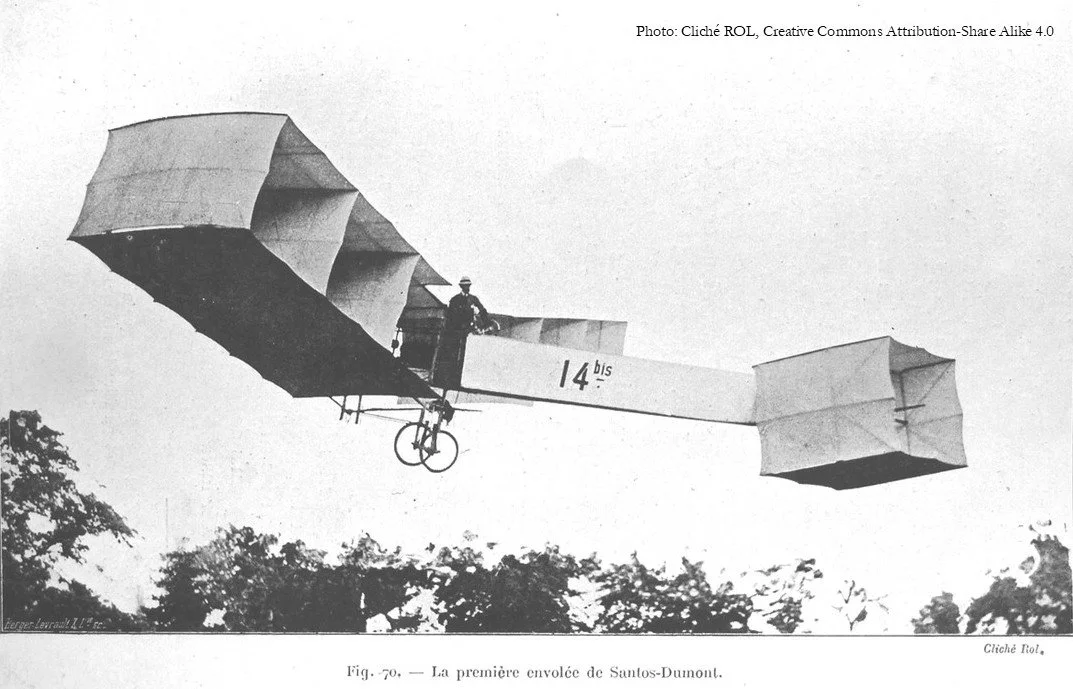
ASTONISHING TALES FROM THE EARLIEST DAYS OF FRENCH AVIATION / In 1910, Armand Viguier built a pedal-powered aeroplane in his village church. When war broke out in 1914, he served successively as cavalryman, bomber pilot and fighter pilot. Learn more about his extraordinary career.
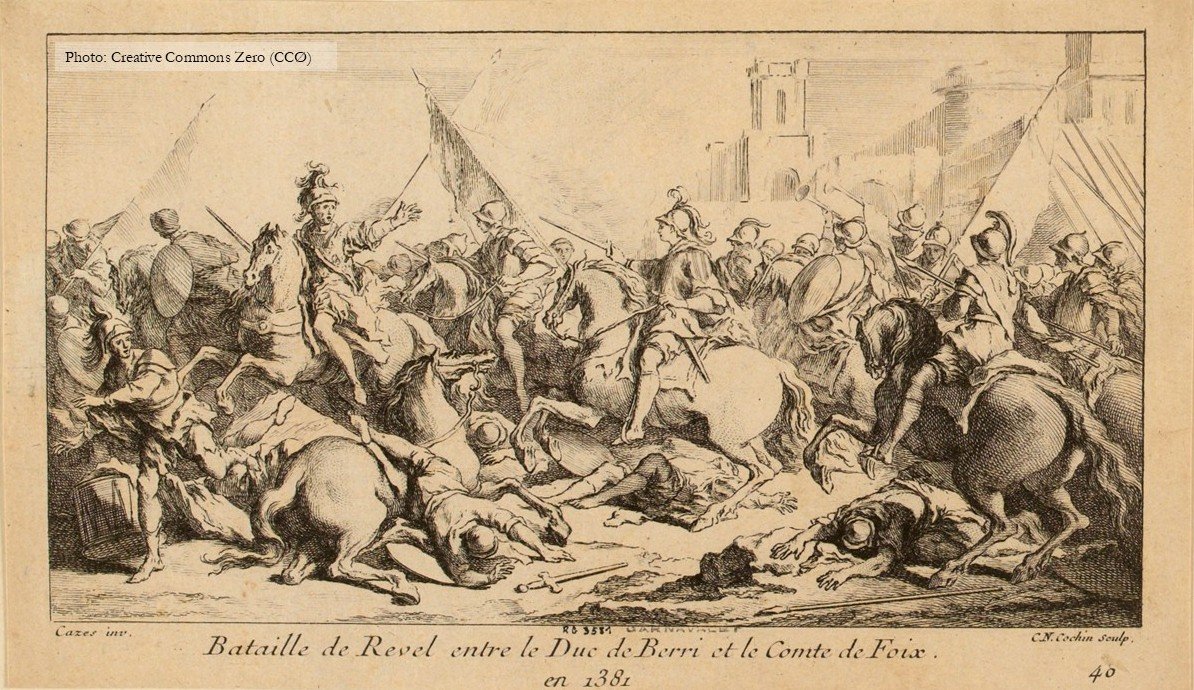
JULY 1381: THE BATTLE OF MONTÉGUT-LAURAGAIS (OR THE BATTLE OF REVEL) / During the Hundred Years’ War, English and French armies clashed frequently on the battlefield. At the Battle of Montégut-Lauragais in 1381, a French count confronted a French duke.
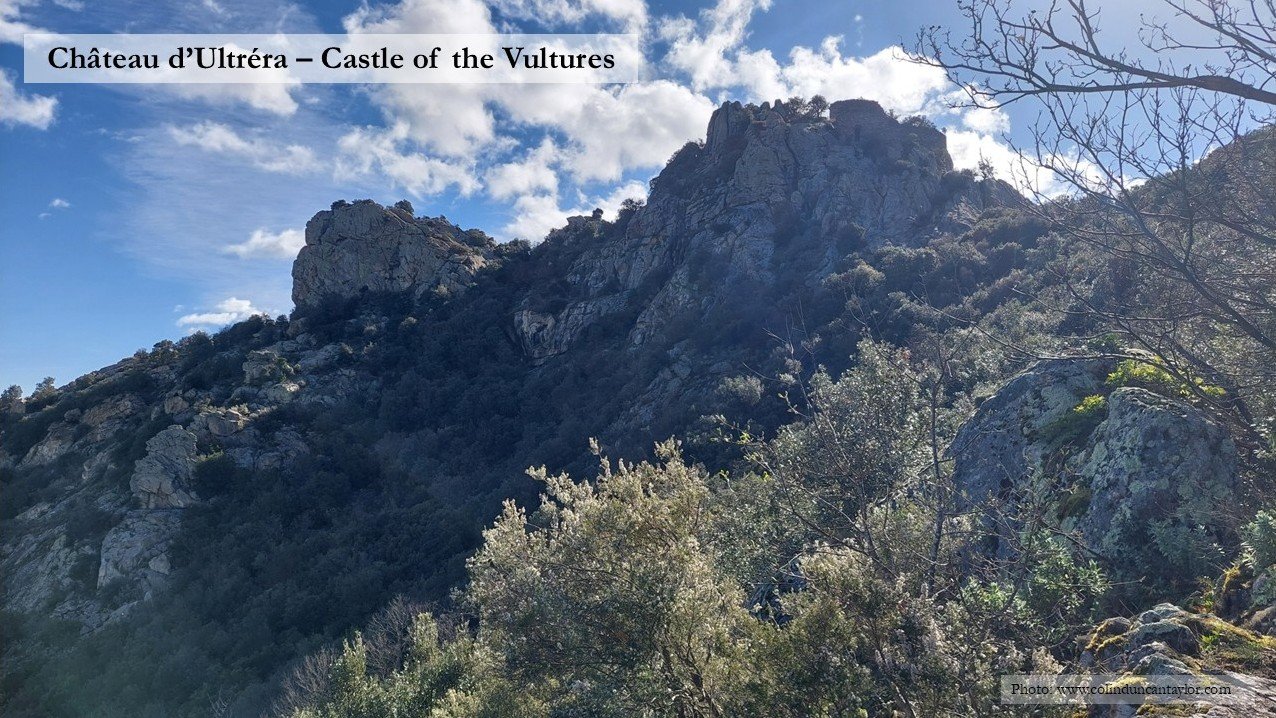
KING WAMBA AND THE CASTLE OF THE VULTURES / Discover a remote castle with splendid views and read the story of a rebellion against the last great king of the Visigoths.
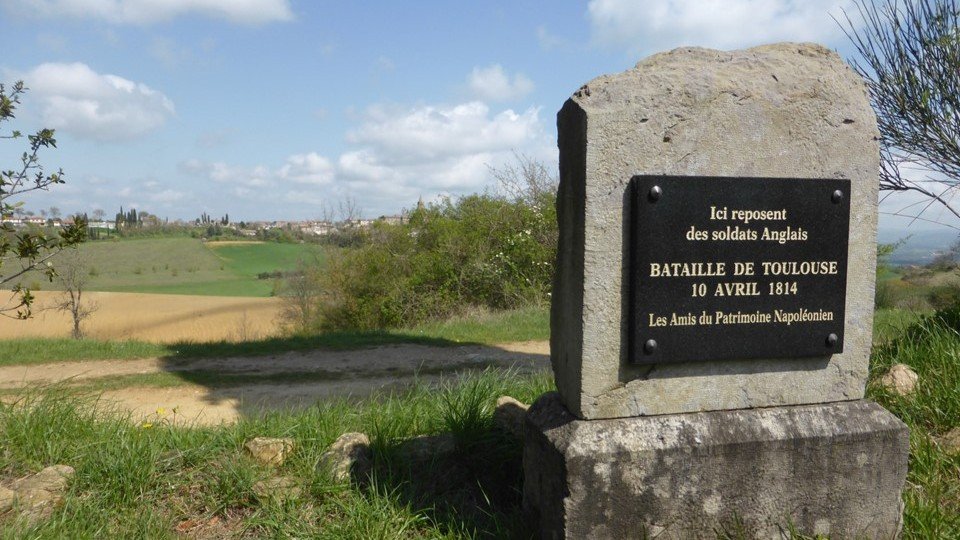
WHEN IS AN ENGLISH CEMETERY NOT AN ENGLISH CEMETERY? / Two places to the east of Toulouse are known as le cimitière des anglais, or the English cemetery. The question is, are any Englishmen buried there?
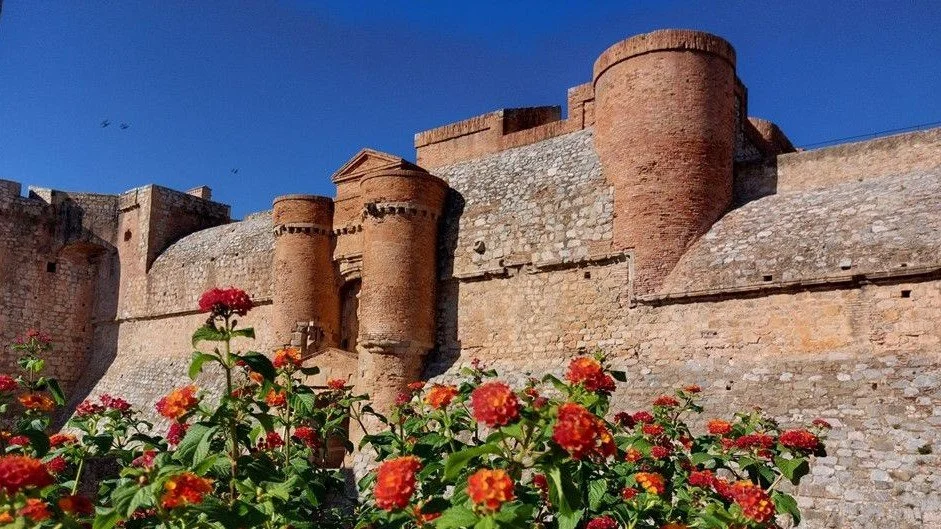
FORTERESSE DE SALSES: DISCOVERING HISTORY ON THE AUTOROUTES OF FRANCE / An autoroute rest area with a difference: discover the Forteresse de Salses, built in 1497, besieged many times until it was made redundant in 1659 by the Treaty of the Pyrenees which moved the border 40 kilometres further south.
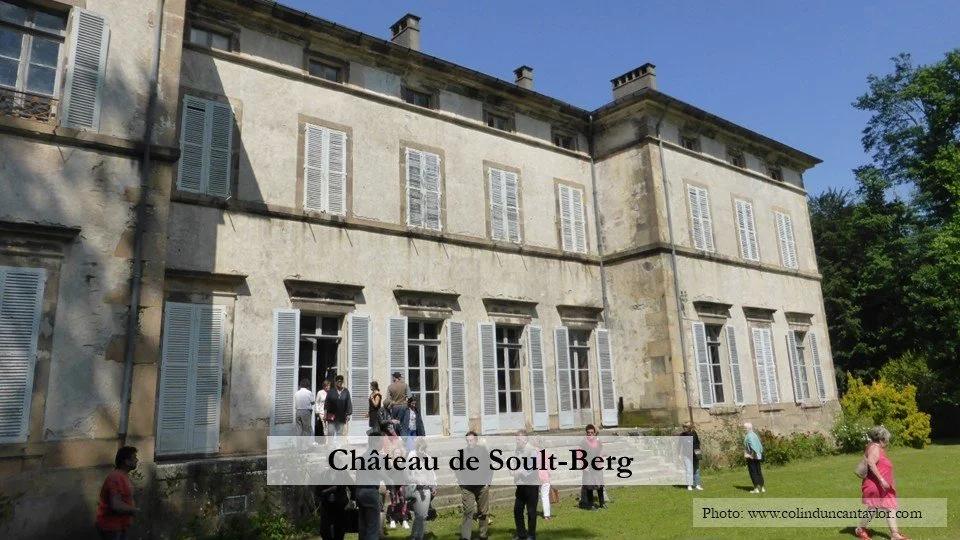
HOW WELLINGTON FINALLY LAID HIS HANDS ON NAPOLEON’S GREATEST GENERAL / Soult and Wellington never met face-to-face during all the years they spent fighting each other in Portugal, Spain, France and Belgium. But according to a tale I was told during a visit to the Château de Soult-Berg, this long-overdue encounter took place at the coronation of Queen Victoria in London.
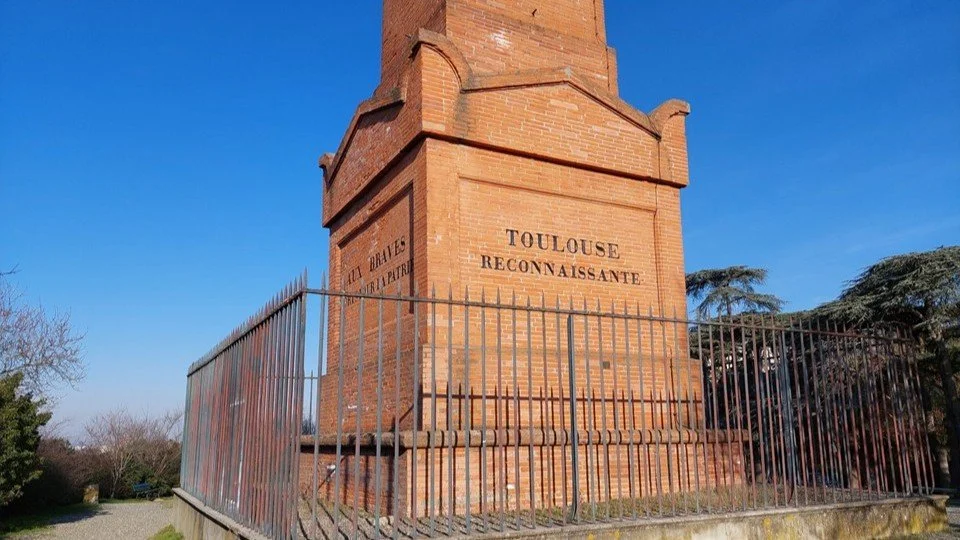
WHO WON THE BATTLE OF TOULOUSE, 10 APRIL 1814? / The Battle of Toulouse 1814 between the armies of Wellington and Soult would never have taken place if a couple of colonels from Paris had ridden their horses a little faster.
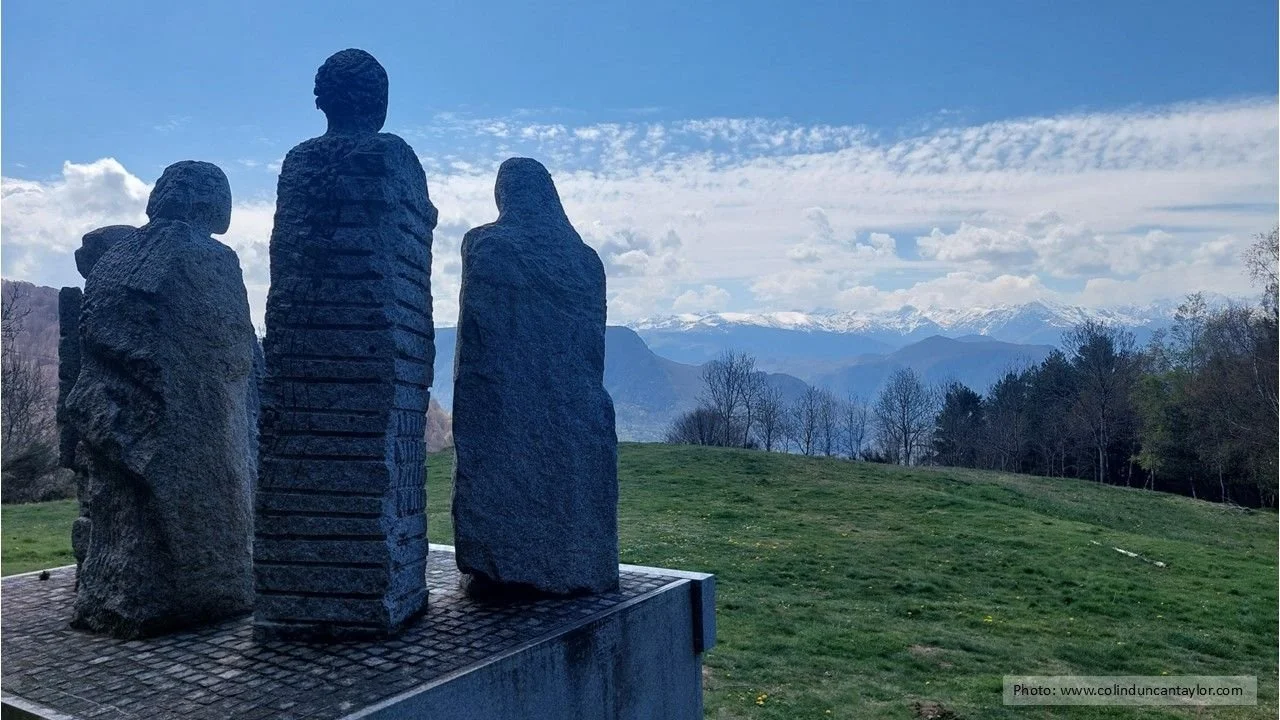
THE RESISTANCE, THE BOLIVIAN AND SOME DEADLY CATERPILLARS / In a forest clearing halfway up a mountain, five granite figures stare into the distance and dream of freedom. Who carved them, and what do they represent?
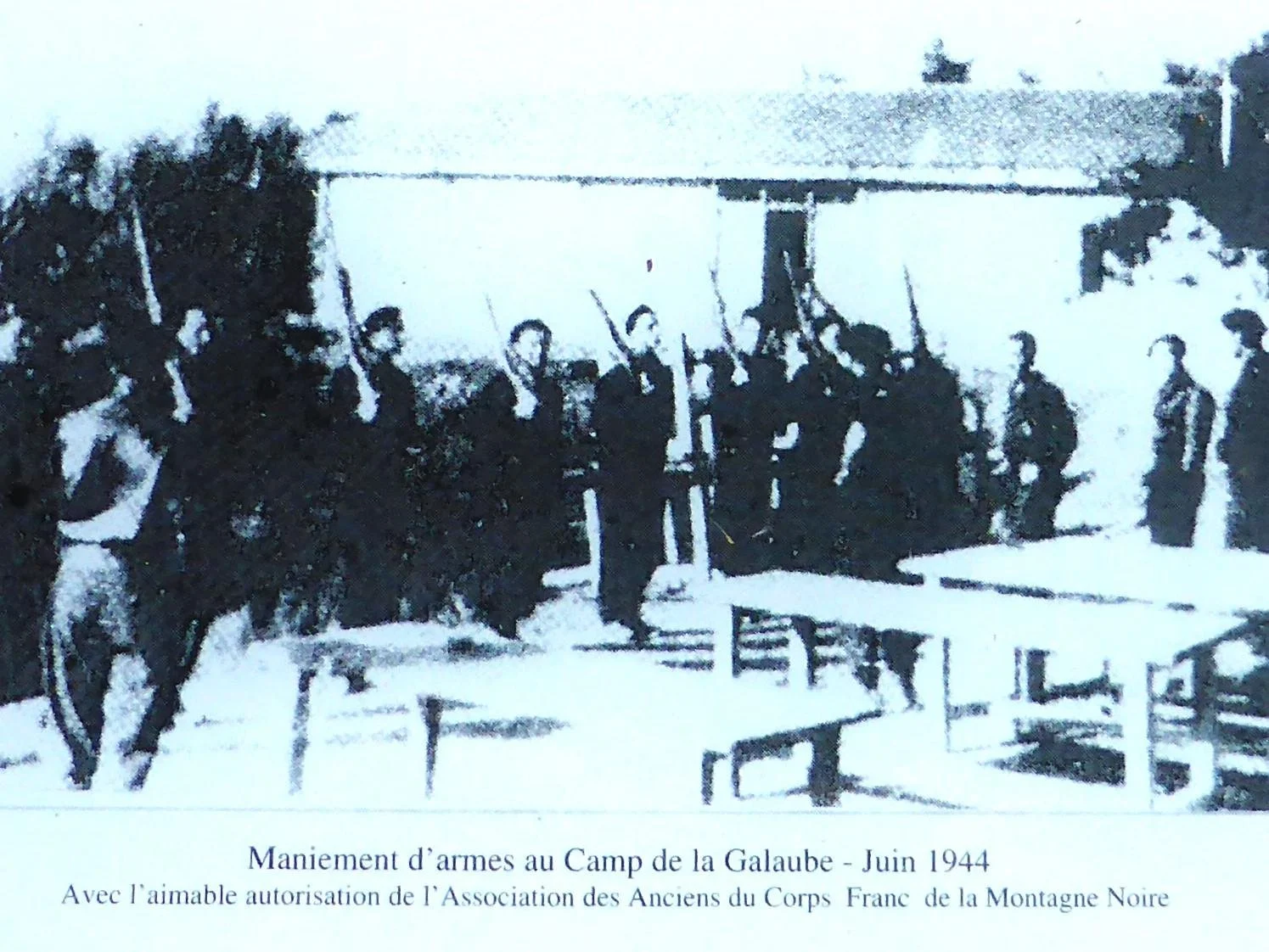
WAR DIARY: 20 JULY 1944 / This is the story of a massive ground and air attack by the Germans on the Resistance camps of the Montagne Noire, including the subsequent report by the pro-Vichy gendarmes of Mazamet.
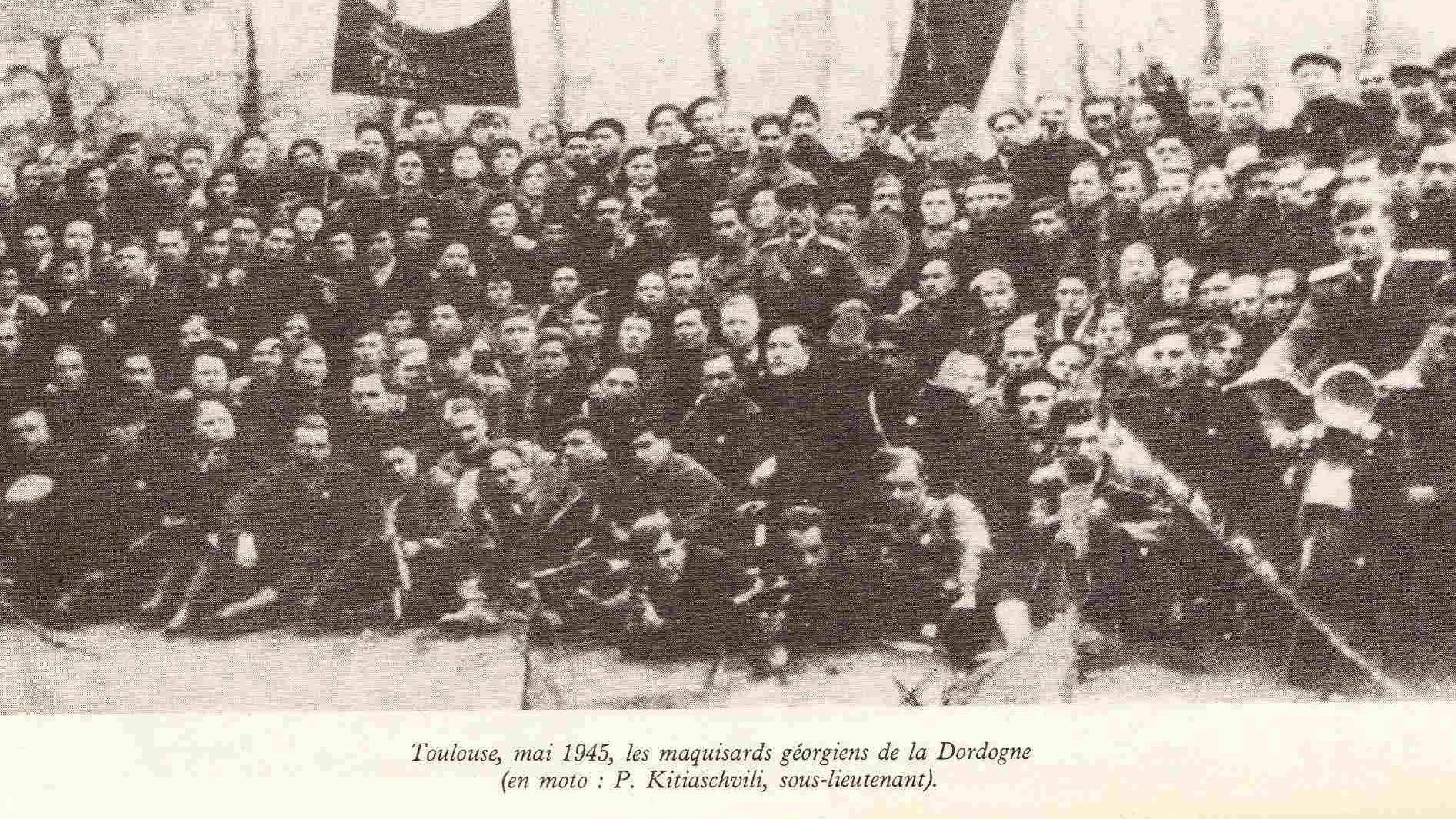
FROM THE CAUCASUS TO CASTRES VIA THE RED ARMY AND THE WEHRMACHT / This article tells the extraordinary story of Vakhtang Sekhniachvili who fought for the Soviets, the Germans and the French Resistance. After that, he was awarded the Military Cross in France and sent to the gulag by Stalin.
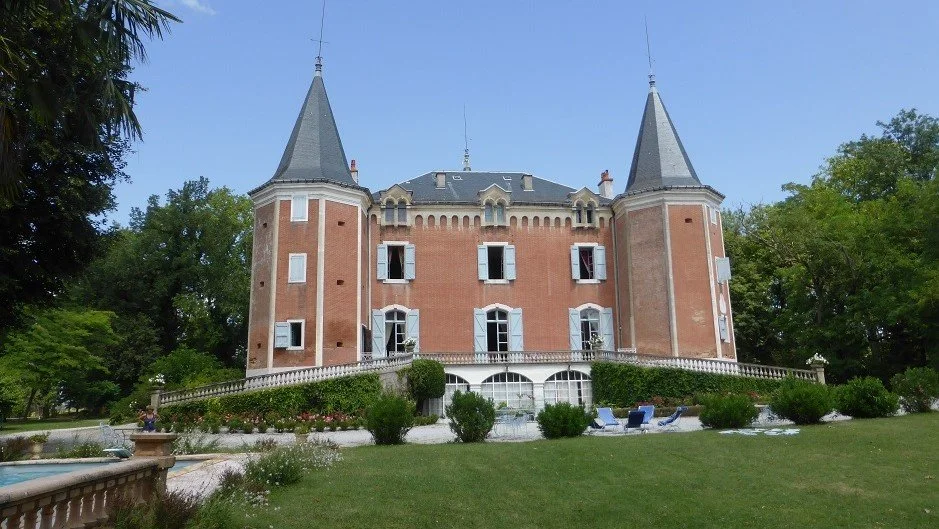
WHO WERE THE TWO ‘GERMAN’ SOLDIERS BURIED AT THE CHÂTEAU DE GARREVAQUES? / One day, the owner of the Château de Garrevaques shared a memory from her childhood: a few years after the end of the Second World War, the German army came and disinterred two dead soldiers buried in the grounds of her château, but were they really German?
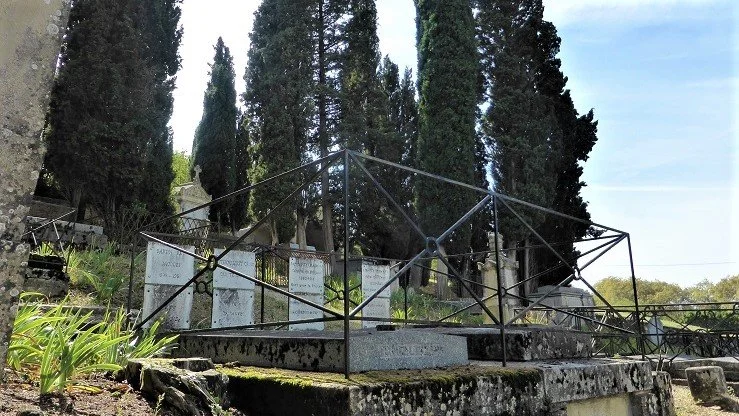
WHERE THREE FRENCH GENERALS REST IN PEACE / How many generals are buried in your local graveyard? I found three in mine, all from the same family! I did not discover my three General Reys while wandering among the grandiose funerary monuments in the Catholic cemetery of Puylaurens. I found them buried in the Protestant graveyard hidden away on the steep northern slopes of town.
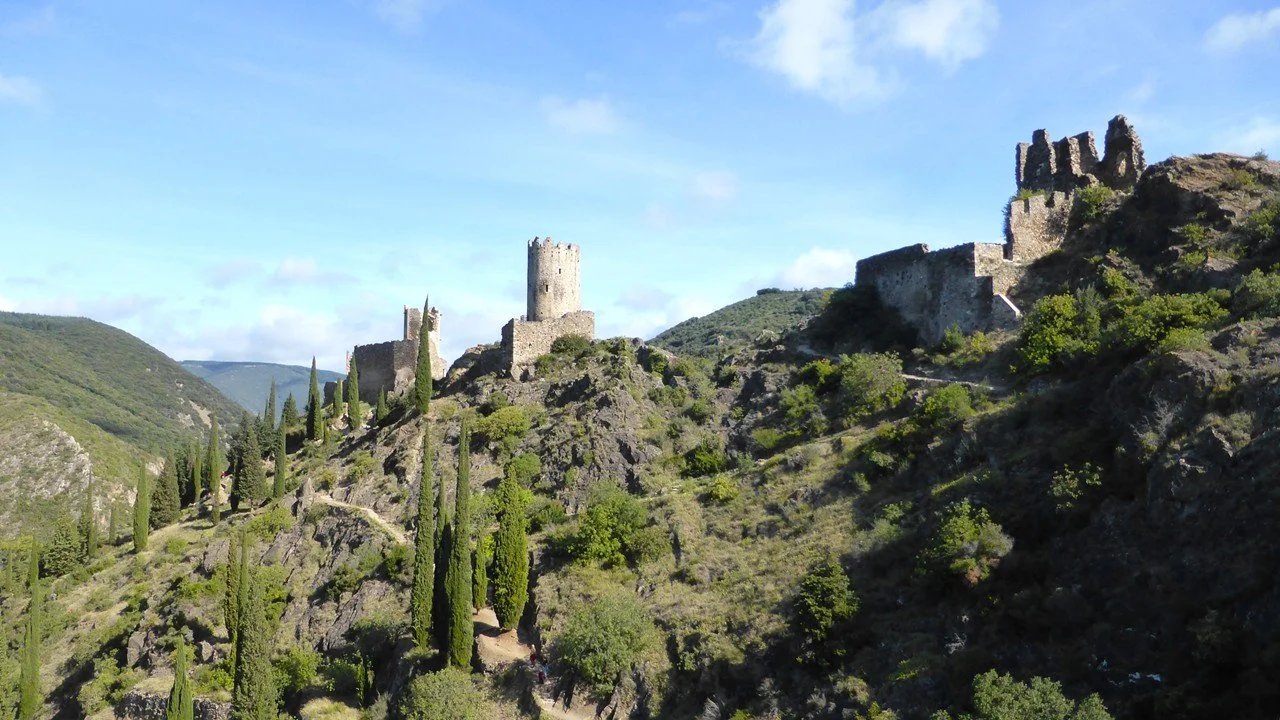
OVERDOSING ON CHÂTEAUX: LASTOURS - ONE VILLAGE, FOUR CASTLES (PLUS A FIFTH!) / Drive twenty minutes north from Carcassonne and you will reach the village of Lastours. Red and gold Occitan flags flutter from lampposts alongside the river, and high on a ridge above the village, four separate châteaux stand in a line: Cabaret, Tour Régine, Surdespine and Quertinheux.
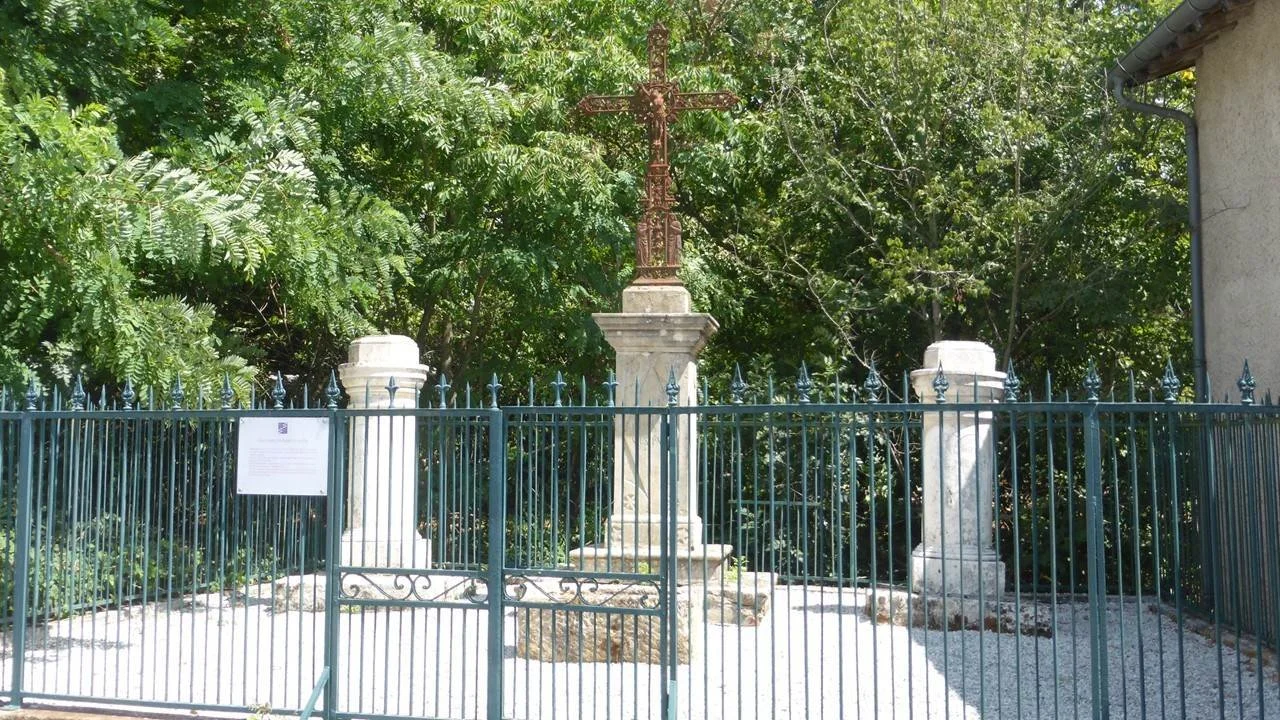
A RARE MEMORIAL TO THE WARS OF RELIGION / This calvary in Soual may be unremarkable at first sight, but it is highly unusual. It is the only memorial I have been able to find to those who died in the Wars of Religion.
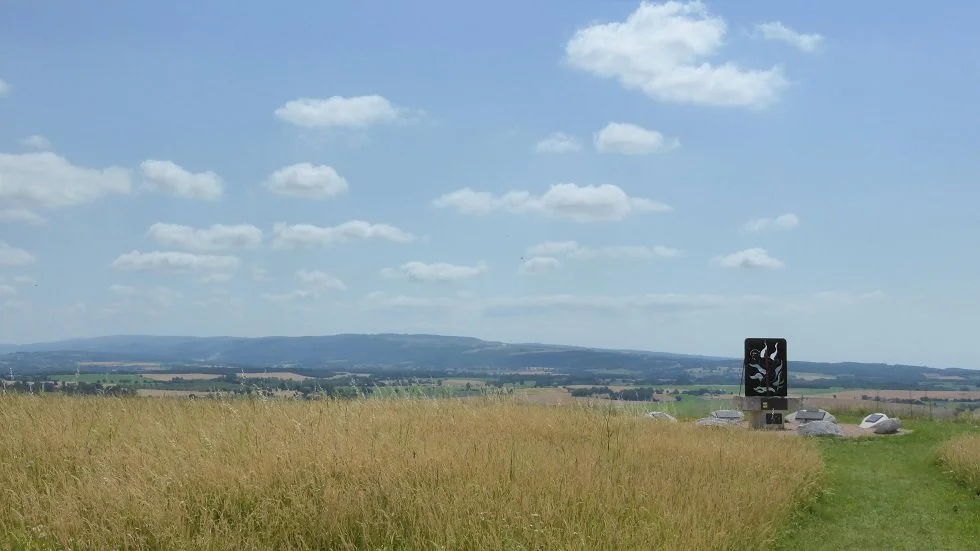
THE CATHAR MEMORIAL AT LES CASSÈS / This windy promontory hides a tragic history and a moving memorial to some of the victims of the Albigensian Crusade.
THE OLDEST AND BEST-PRESERVED FORTRESS IN SPAIN / Loarre was built by the Christian kings in the 11th century as a secure base from which to launch their attacks on the Moors. In 2005, it provided a backdrop for Ridley Scott’s movie ‘Kingdom of Heaven’.
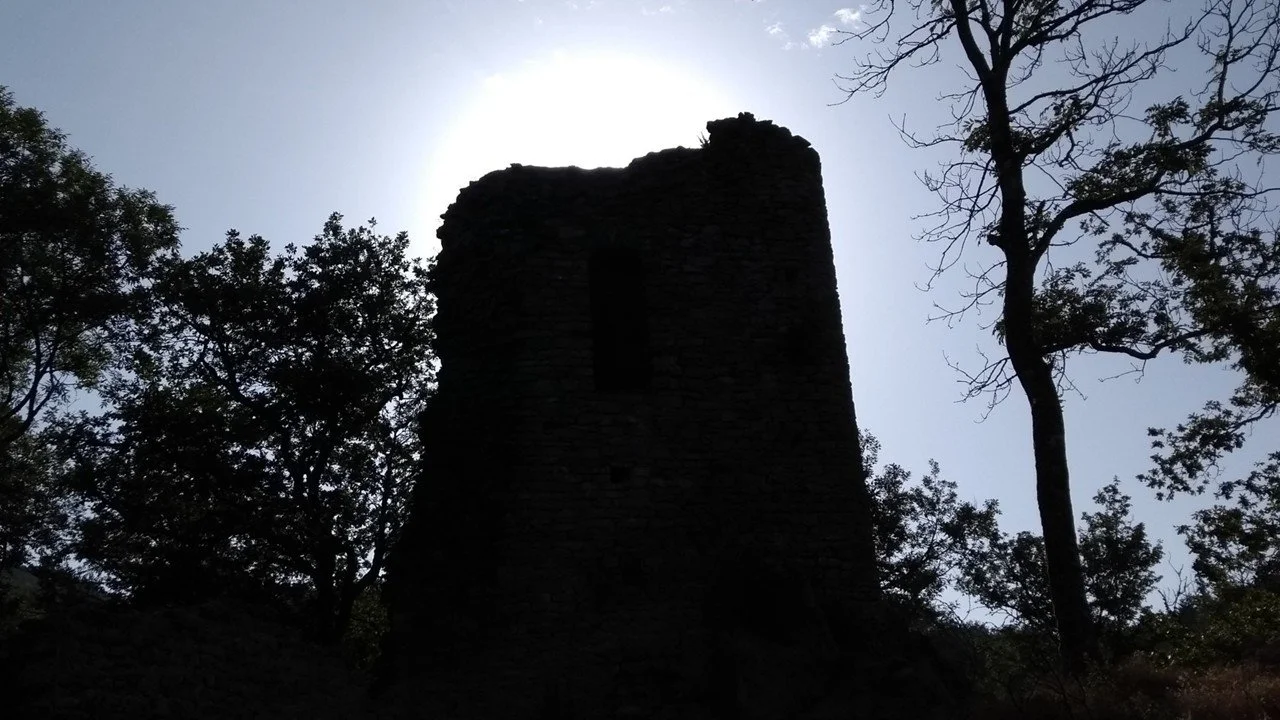
A VISIT TO THE CASTRUM DE ROQUEFORT – HOME OF HERETICS, HIDEOUT OF BANDITS / The earliest written reference to the fortified village of Roquefort dates from 1035, and for the next couple of centuries it was the home of the Roquefort family. Walking through the only gate to this well-protected community is an eerie experience. Roquefort has been abandoned and barely touched for 600 years, making it one of the least-investigated Cathar castles.
EXPLORE OTHER TOPICS
Agriculture - Architecture & construction - Art & culture - Curious tales & places - Gastronomic heritage - Industry & commerce - Military history - Prehistory - Religious affairs - Take a trip