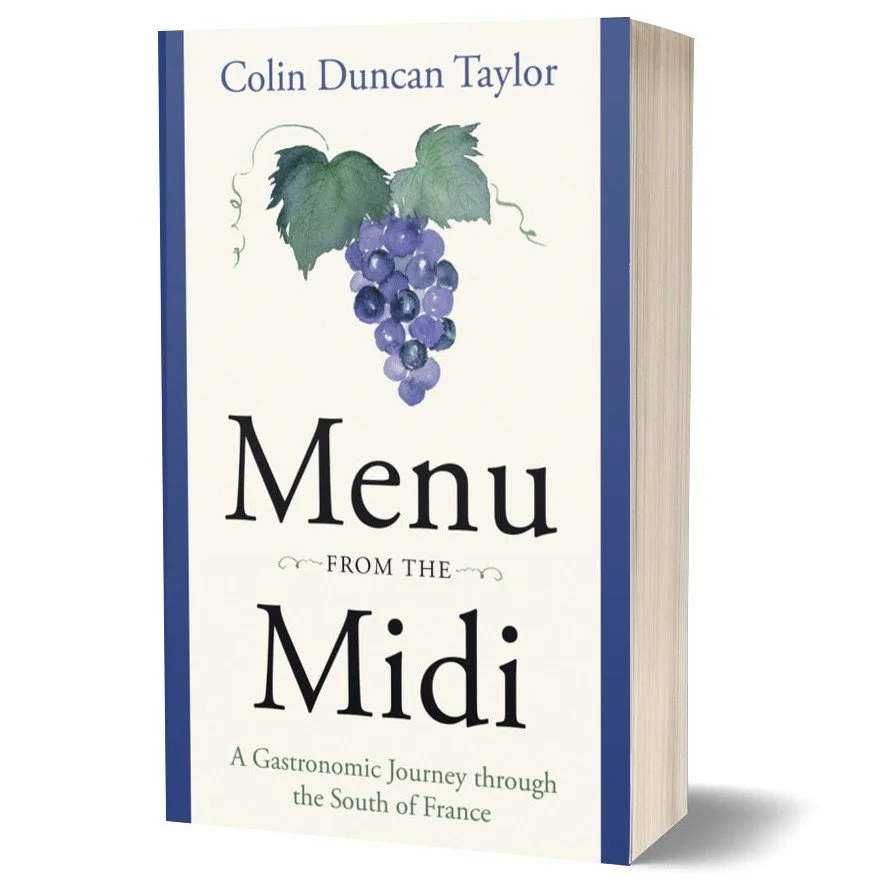
Menu from the Midi
‘Part journal, part travelogue, this is the ideal book for anyone yearning for a taste of France this winter.’
- The Connexion, February 2022
Menu from the Midi explores French gastronomy from the farmer’s field to the dining room table. Concentrating on the south of France, the book is structured as a menu carefully compiled to give the reader a balanced diet of gastronomy, history, legend and local colour. Uniquely, it adds into this mix a celebration of the dedicated and passionate people who produce some of the finest raw ingredients and foodstuffs you are ever likely to taste.
Appreciating good food and wine needs the right ambiance, the right company and plenty of time. Sit back, relax and savour the oldest sparkling wine in the world, le Rolls-Royce of olives, pink garlic soup, meats of the black Gascon pig, the legendary cassoulet, cheese from the caves of Roquefort, and learn how the Midi’s ornate pigeon towers ensured a constant supply of roast pigeon.
No wonder the father of food journalism and gastronomic guides, Grimod de La Reynière, had this to say 200 years ago: ‘In good towns of the Midi, a great dinner is an affair of state. One speaks of it three months beforehand and digesting it lasts six weeks.’
Menu from the Midi is primarily aimed at the growing army of food lovers who truly care and sometimes worry about the origin of their food and how it is produced. It will also appeal to those with an affection for the country that created so many aspects of modern gastronomy.
Book trailer for ‘Menu from the Midi’
How Menu from the Midi was born
"I began this project with a question: what would be the perfect recipe for a book about gastronomy? Perhaps the first step would be to structure it like a gastronomic menu, starting with a lengthy aperitif and closing with a digestif. Compile this menu using ingredients and dishes whose stories will offer the reader a balanced diet of gastronomy, history, legend and local colour. Next, select the country that has made the greatest contribution to gastronomy as we know it today (France), and zoom in on one of its most attractive regions (the Midi). Add into the mix a series of interviews with those who are often overlooked but are at the origin of any gastronomic experience: the dedicated and passionate people who strive to produce exceptional raw ingredients and foodstuffs. Lastly, ask a few chefs and home cooks to contribute their traditional recipes."
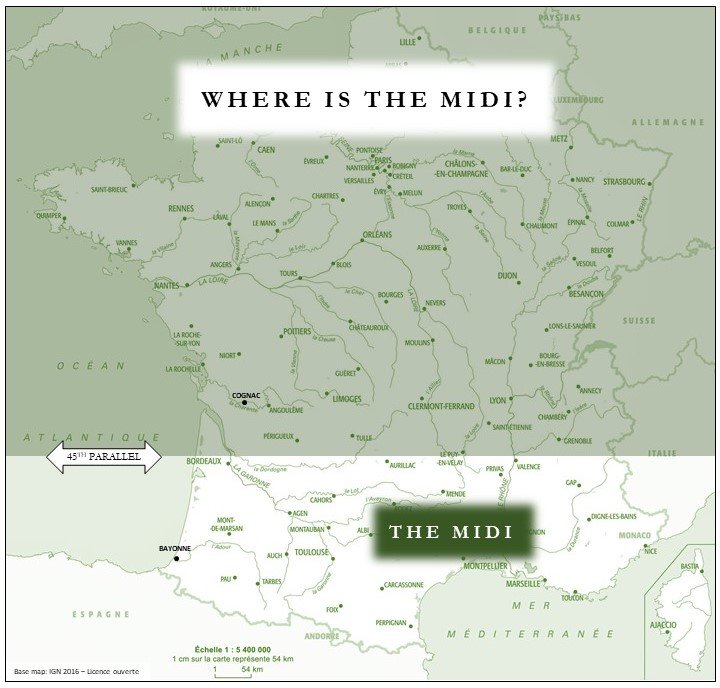
Where is the Midi?
Although the Midi can claim to have distinctive cultural, gastronomic and linguistic roots, administratively it does not exist.
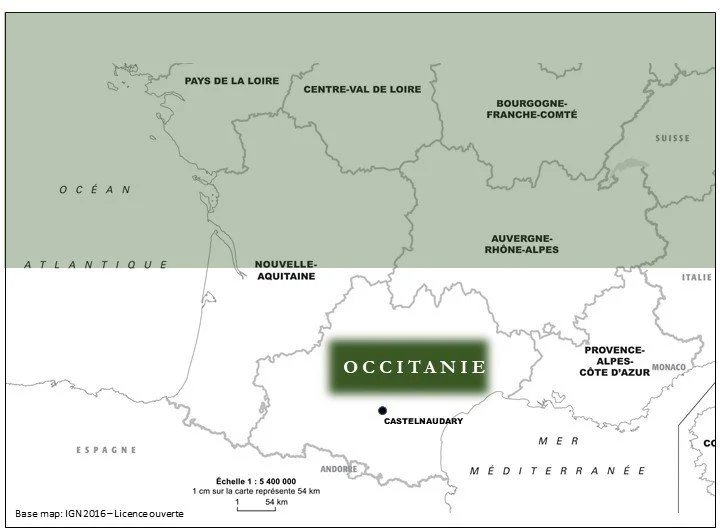
The closest it has come to officialdom was in the name of a region, but Midi-Pyrénées disappeared after a 2016 merger with Languedoc-Roussillon.
The new region is called Occitanie, and today it holds centre stage in the Midi in terms of physical size and geographic position.
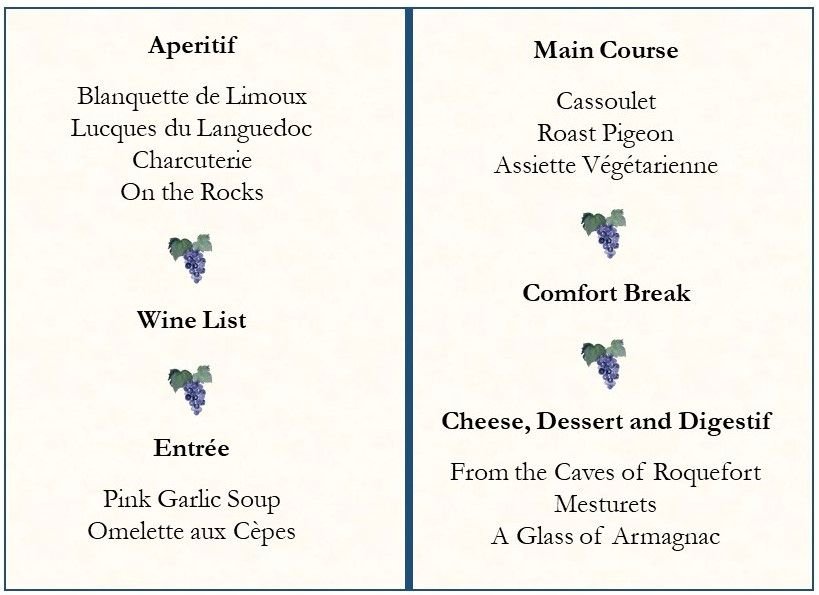
Introducing our Menu from the Midi...starting with the aperitif

Blanquette de Limoux Did Dom Pérignon really steal the recipe for champagne from the monks of Limoux? A visit to the longest carnival in the world helps to establish the truth about the world’s oldest sparkling wine.
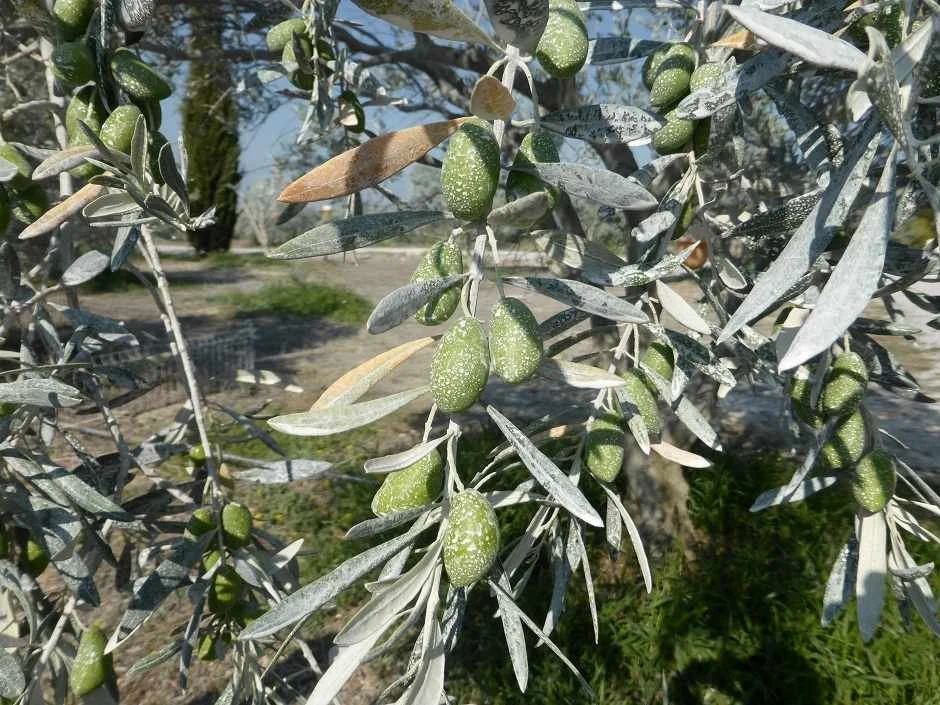
Lucques du Languedoc The olive is among the oldest crops of the Mediterranean, and the Lucques du Languedoc is such a luxurious variety, connoisseurs call itle Rolls-Royce. There are only nine accredited producers, and one of them explains the secrets of its cultivation.
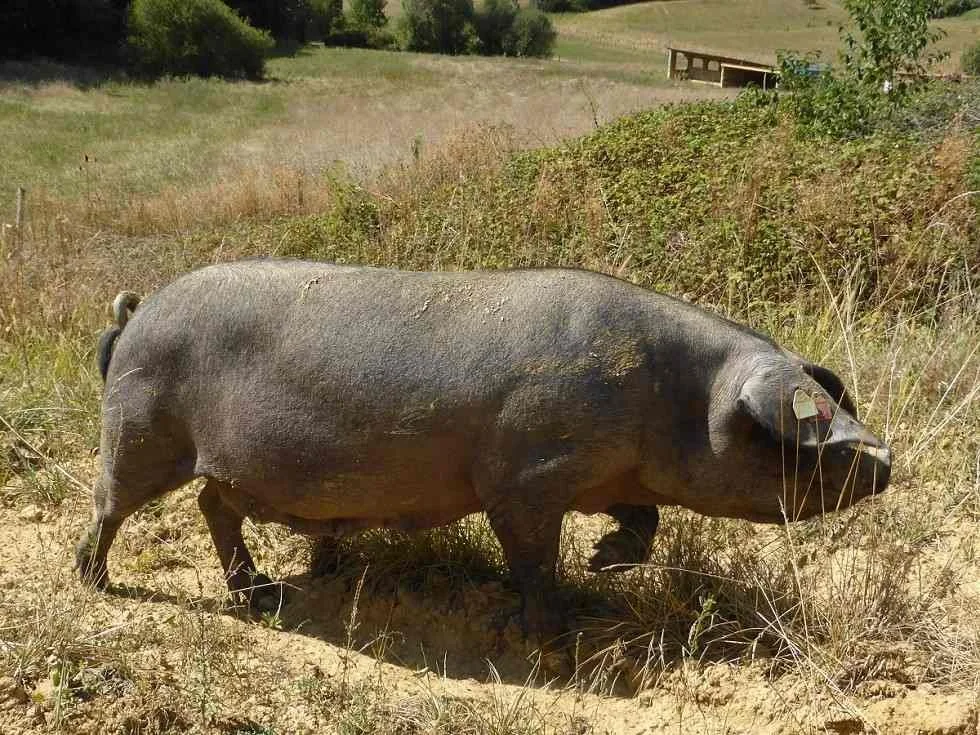
Charcuterie Today, 95% of French pigs are farmed intensively. The author goes on safari in search of one of the exceptions, an elusive breed called the black Gascon pig which was on the verge of extinction in the 1980s because it takes too long to fatten up.
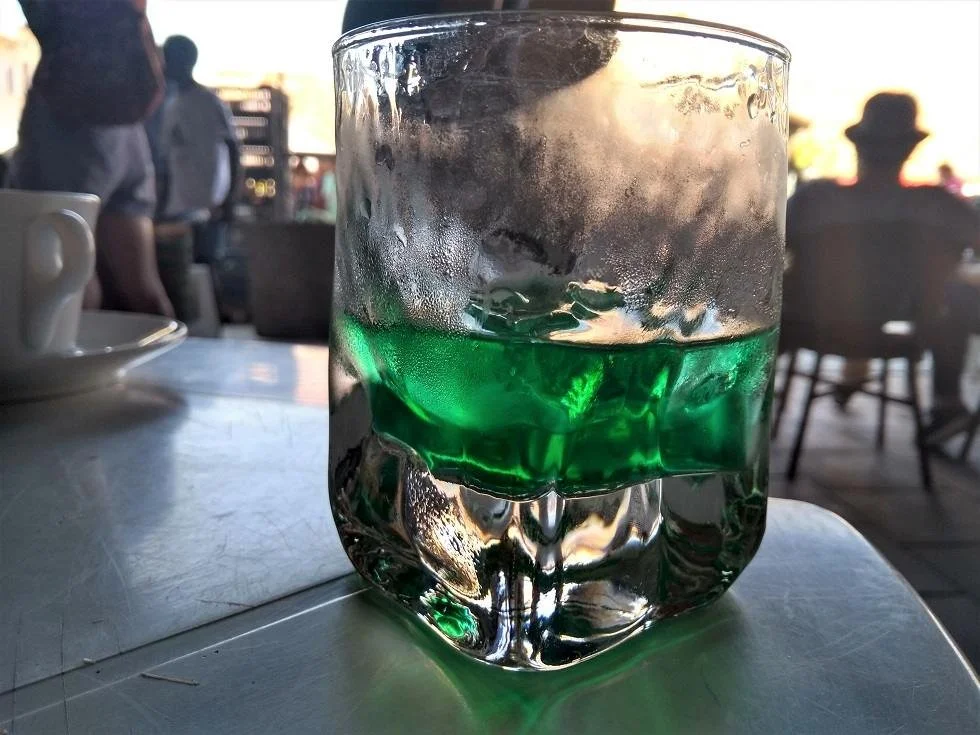
On the Rocks Many aperitif drinks taste better with ice. Today, we take it for granted, but a trip along the ice house trail reveals the challenges of producing and distributing such a volatile substance in the hot climate of the Midi, starting with the monopoly created by Louis XIV in 1659.
Wine List
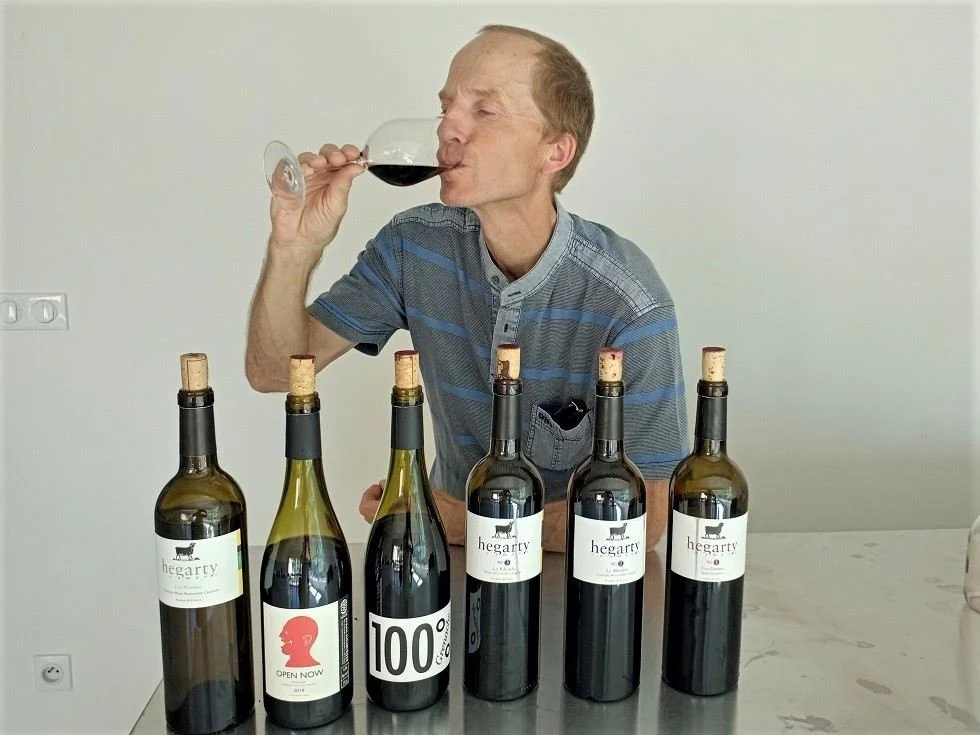
Wine’s Wild West Who dares venture into the murky world of natural wines, and what exactly are they anyway? Producers who operate in wine’s Wild West risk being turned into outlaws by their appellations, and two of these renegades tell their stories and disclose the truth about most modern winemaking.
Entrée
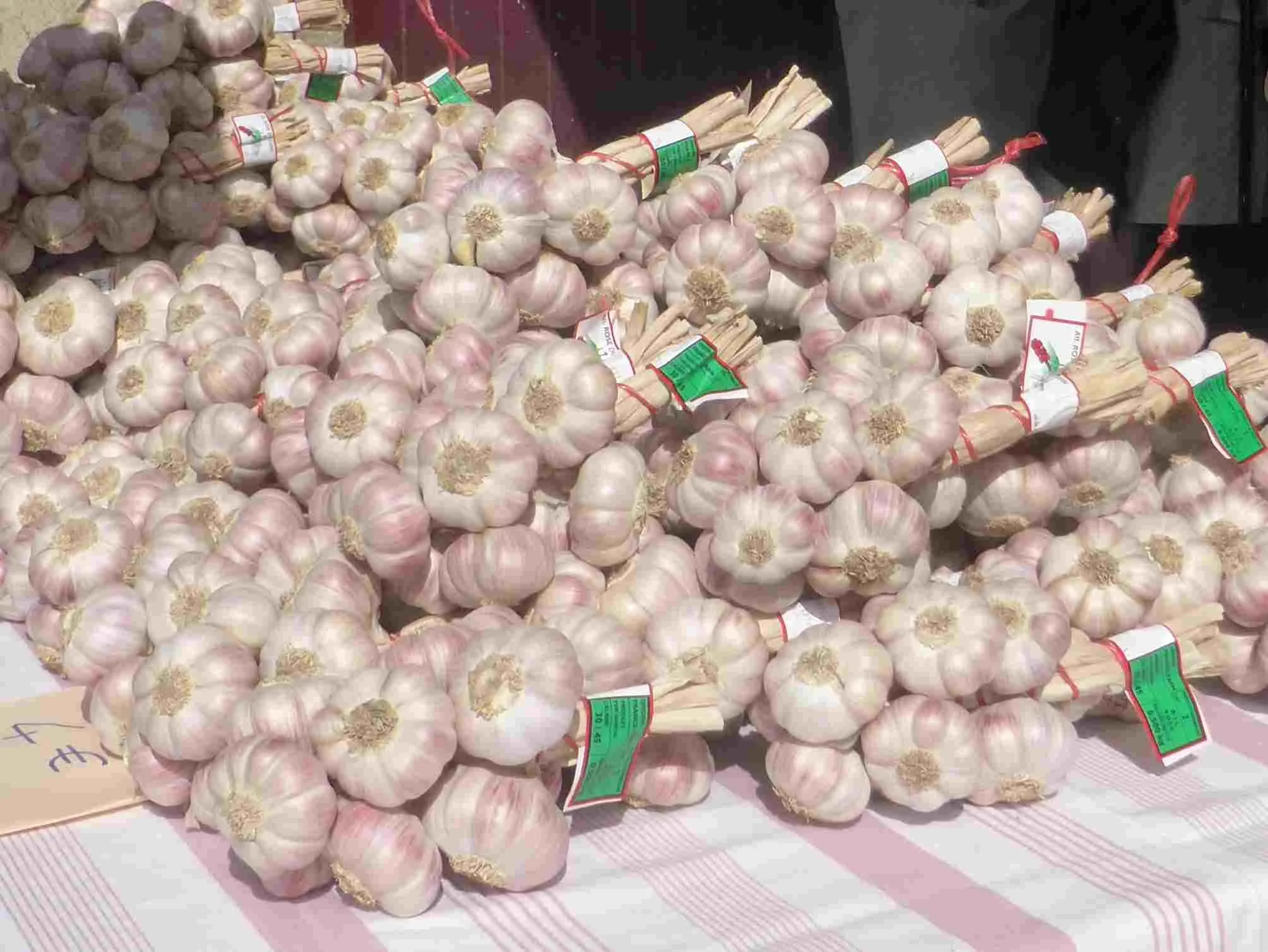
Pink Garlic Soup The annual pink garlic festival in Lautrec provides the backdrop to an exploration of humanity’s love-hate relationship with this pungent vegetable.
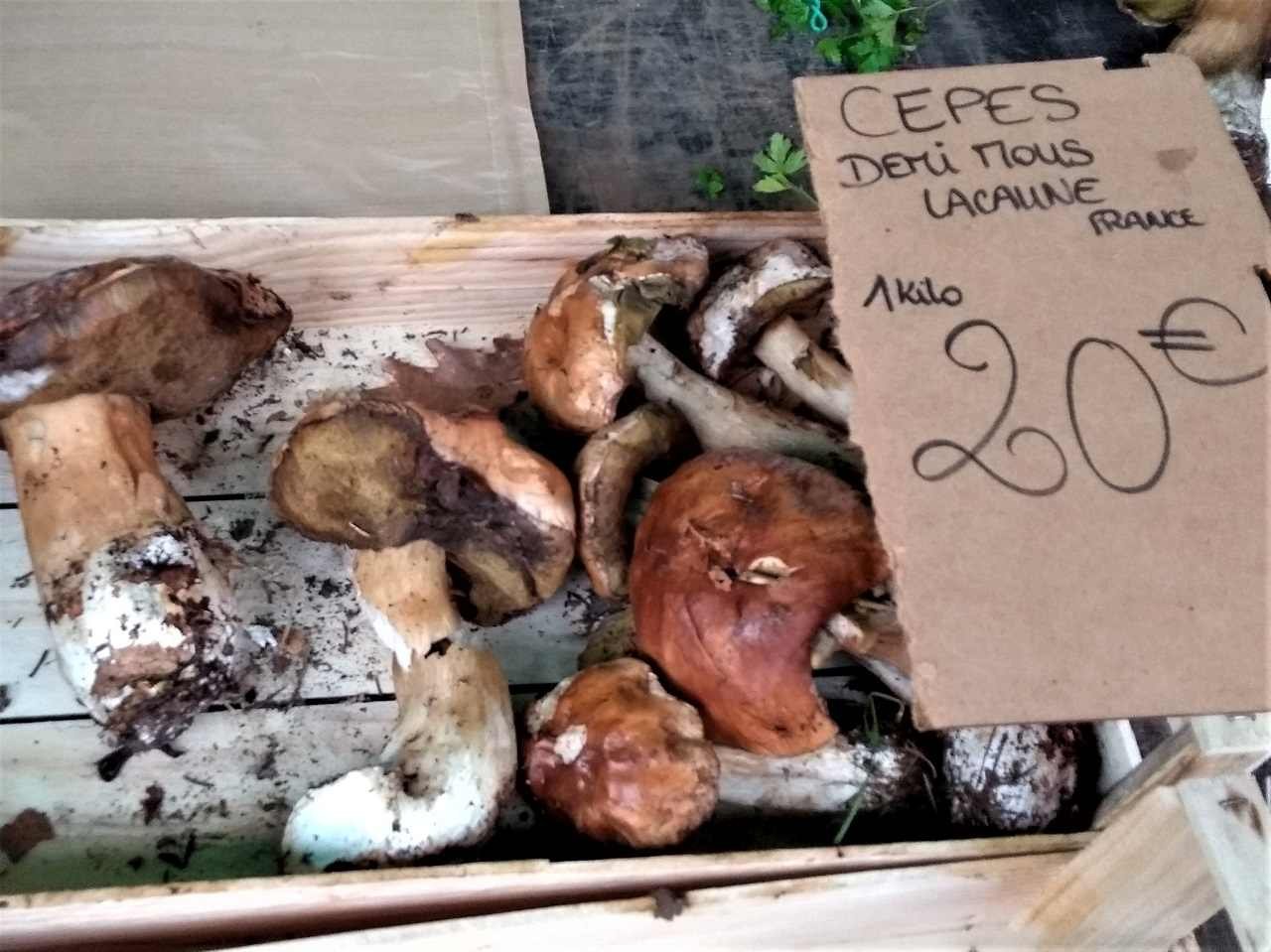
Omelette aux Cèpes Foraging for fungi in the forests of the Midi is a cultural institution that attracts elderly citizens with wicker baskets, families with pushchairs, gangsters in search of an illegal profit, and the author and his accomplices.
Main Course
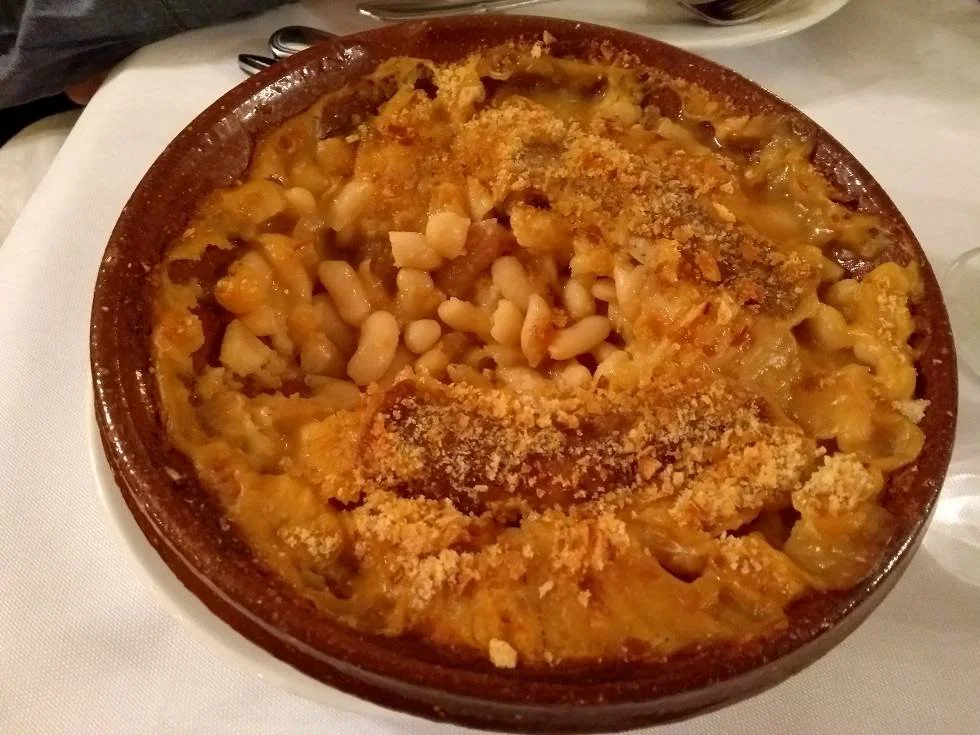
Cassoulet According to legend, cassoulet was invented when the people of Castelnaudary were besieged by an English army. History suggests it had more to do with a barren queen, a bag of beans and an excess of wind.
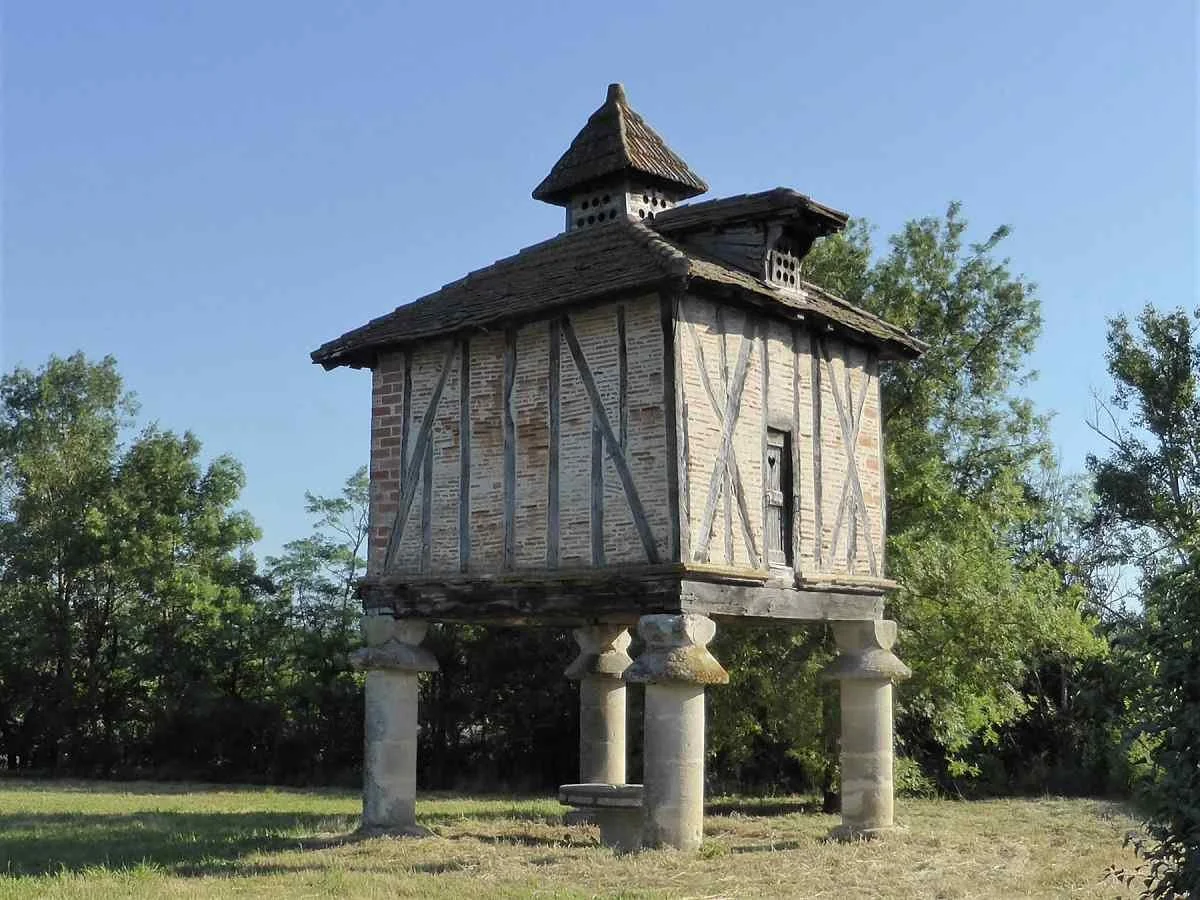
Roast Pigeon The landscape of the Midi is graced with thousands of ornate pigeon towers. This chapter traces their evolution from living larder, medicine cabinet and fertiliser factory to instigator of revolution and oversized urban contraceptive.
Assiette Végétarienne The former king of cassoulet who once represented 20,000 meat-based businesses across Europe explains why he became a flexitarian and took up the challenge of producing a plant-based food that could compete with meat and help lift the burden of malnutrition worldwide.

Comfort Break
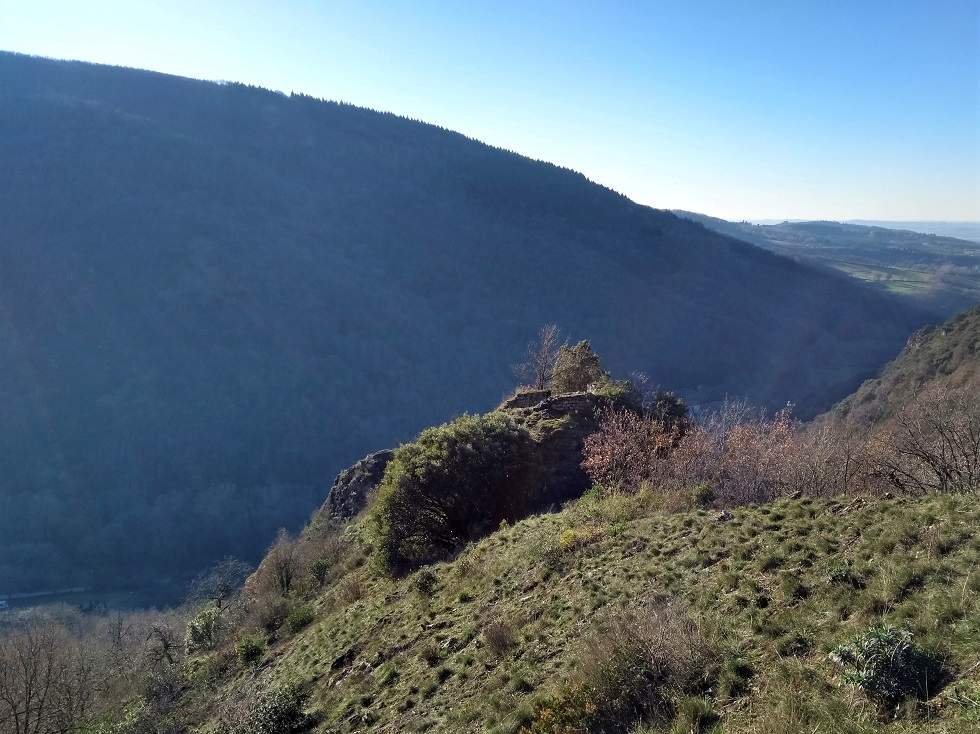
The Diet Detectives Few written sources shed much light on the diet of the common people in times gone by. Instead, we can turn to the science of carpology which analyses seeds and other food residues found in household waste and other less pleasant organic matter that was deposited in latrines by medieval men and women during their comfort breaks.This chapter takes us to one of the richest and most inaccessible carpological sites in the Midi.
Cheese, Dessert and Digestif
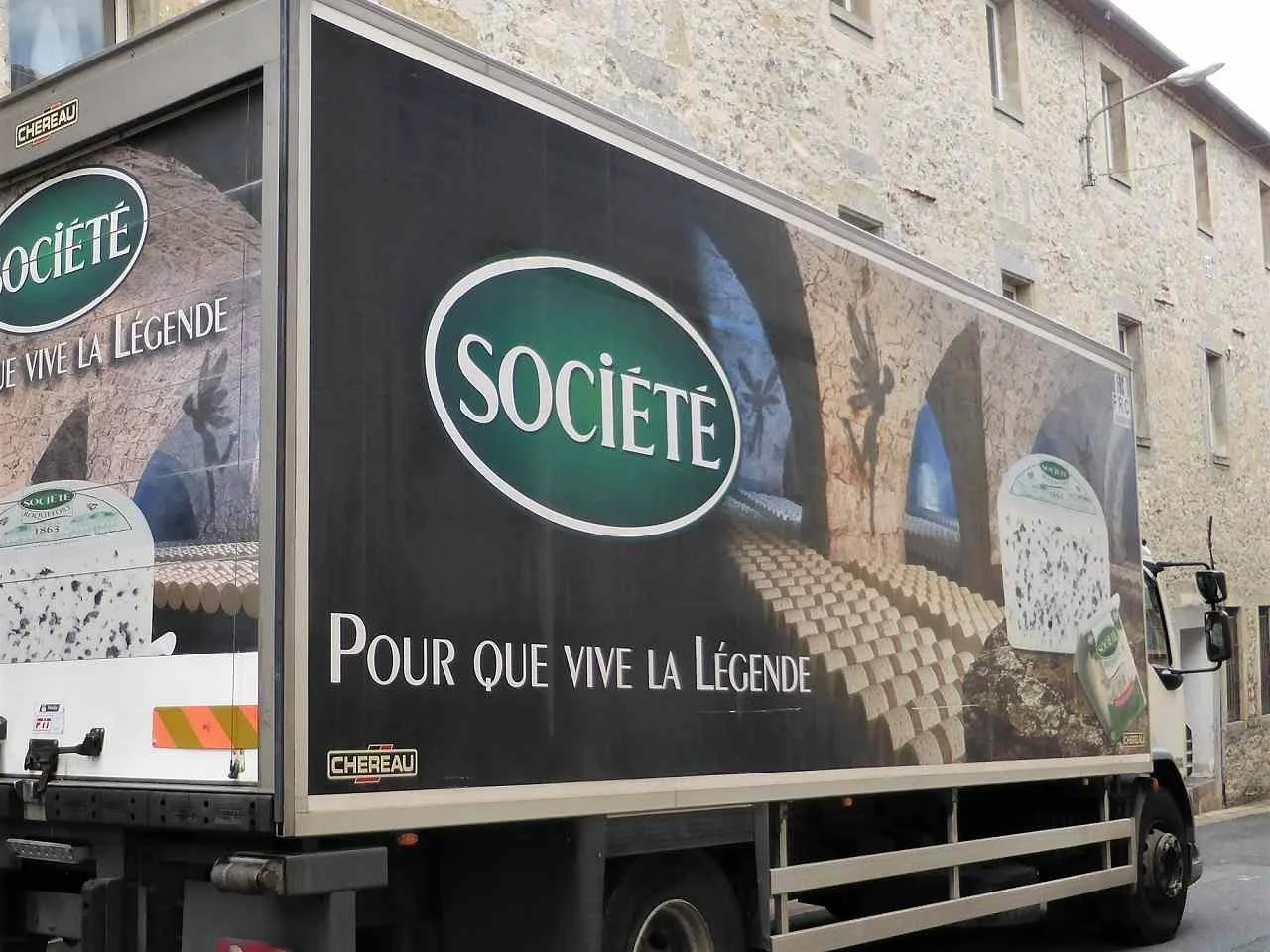
From the Caves of Roquefort Each year, Roquefort-sur-Soulzon produces €350 million of world-famous blue-green cheese. With the help of the town’s mayor and some cheesemakers, the author learns about the history and legends and discovers why success has turned Roquefort into a ghost town.
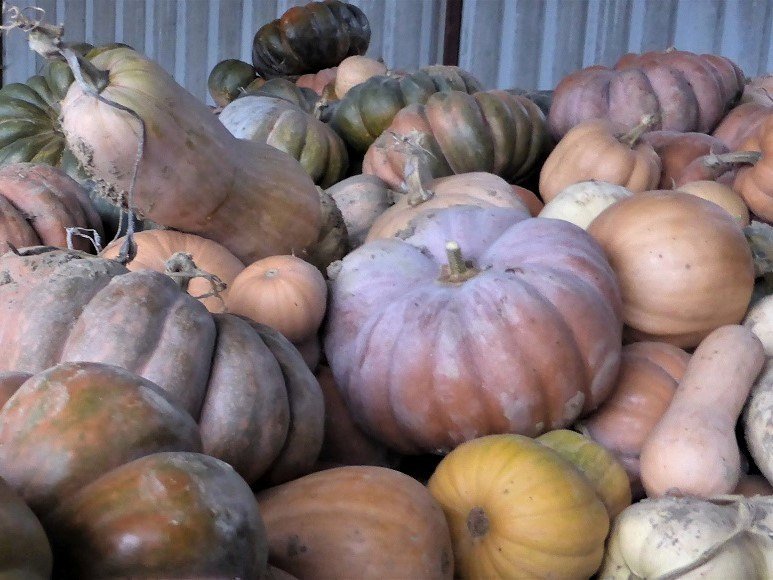
Mesturets Most of the traditional desserts of the Midi were subsumed by an invasion of creamy, sugary desserts from the north of France at around the same time as Parisian patisseries began to conquer the world. The mesturet is one of the few survivors, and its main ingredient is a fairy tale pumpkin.
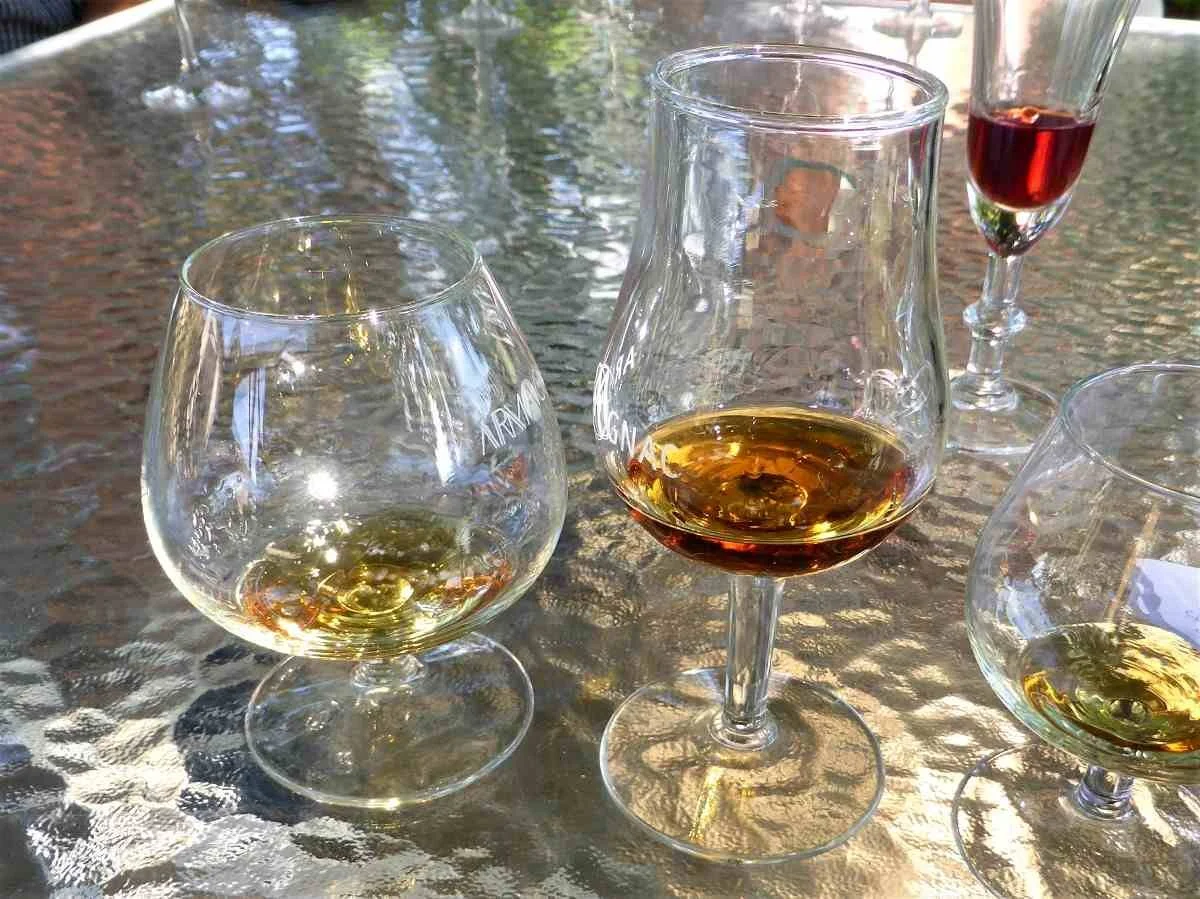
A Glass of Armagnac Armagnac claims to be the oldest brandy in France; Cognac is probably the most famous brandy in the world. With a little help from d’Artagnan, this chapter explores their differences and traces the evolution of brandy from niche pharmaceutical product to globally distributed after-dinner tipple.