Industry & commerce
(click on a picture to read the full article)
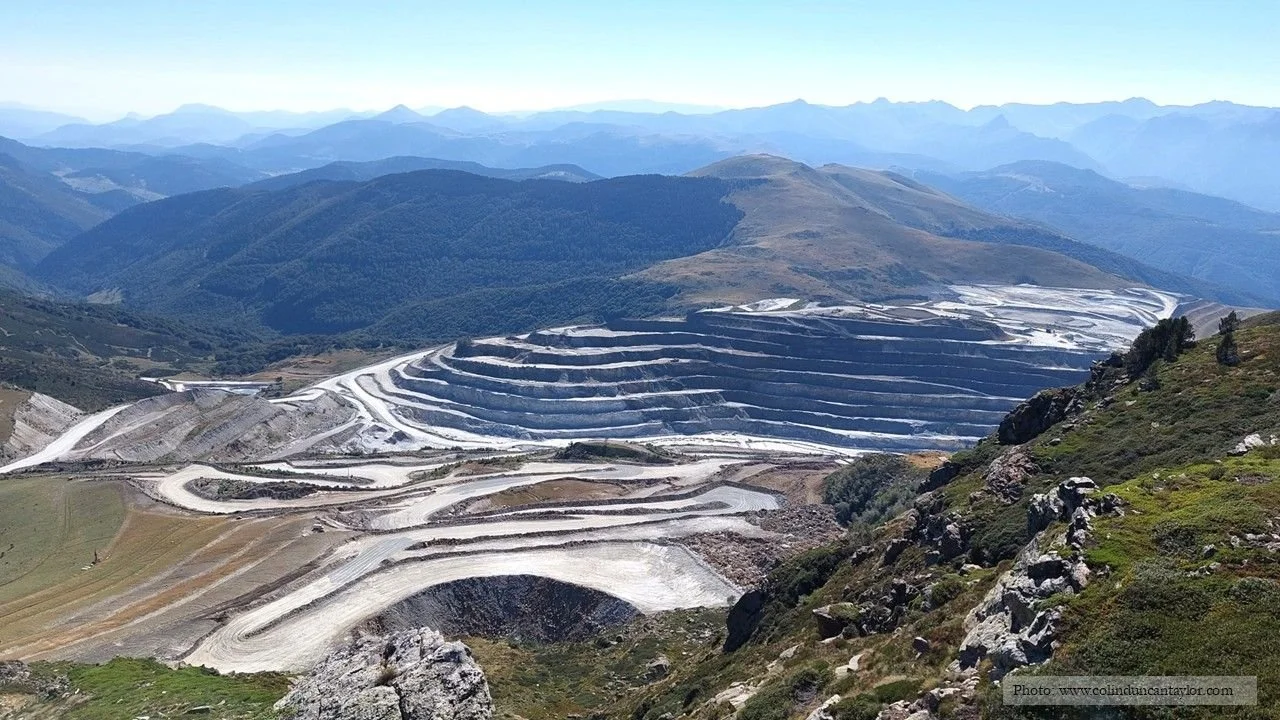
THE MAIN SOURCE OF EUROPE’S TALCUM POWDER / Although it scars 11 square kilometres of the Pyrenees, you are only likely to spot the Trimouns quarry if you climb a mountain on the north side of the Ariège valley. This high-altitude site supplies 40% of Europe’s talcum powder, but what do we do with it all?
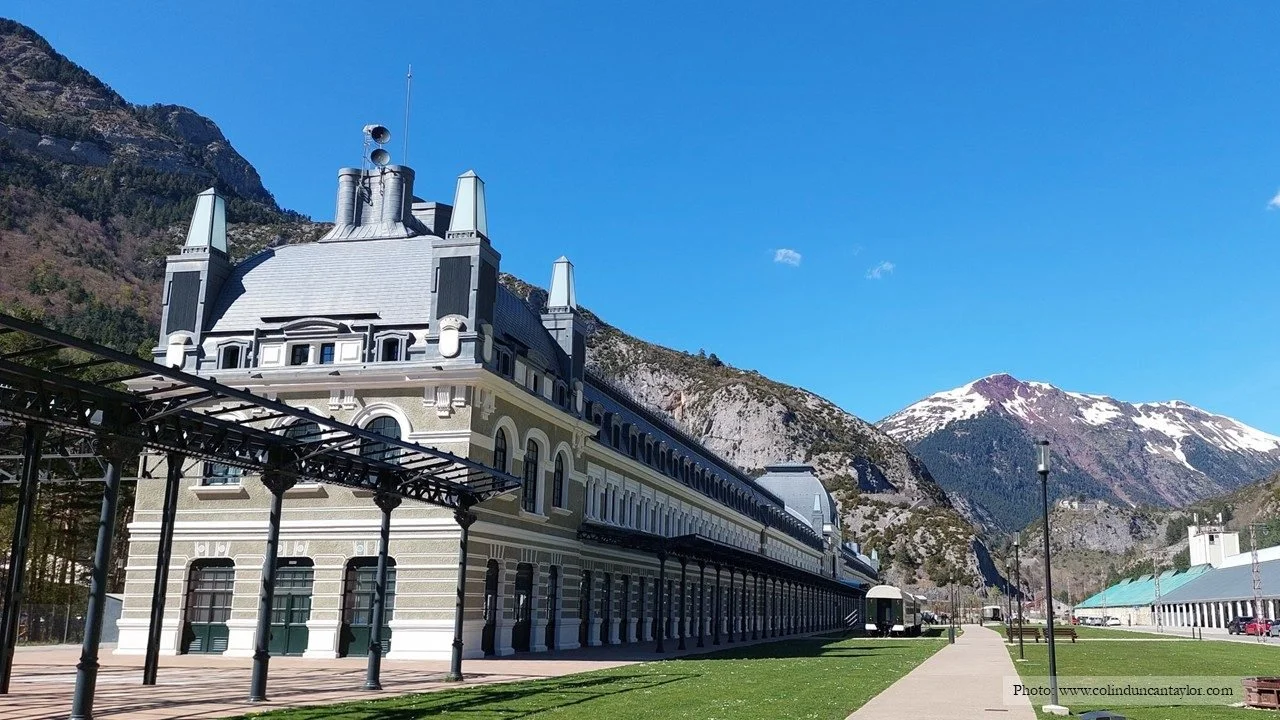
CANFRANC: A FIVE-STAR INTERNATIONAL RAILWAY STATION / Opened in 1928, the main station building was grandiose in both its style and dimensions. In 1970, a runaway train destroyed a bridge on the French side of the mountains and Canfranc fell into ruin until it was bought by the regional government. It reopened as a 5-star hotel in 2023 and its facilities now include a Michelin-starred restaurant housed in a pair of refurbished railway carriages.
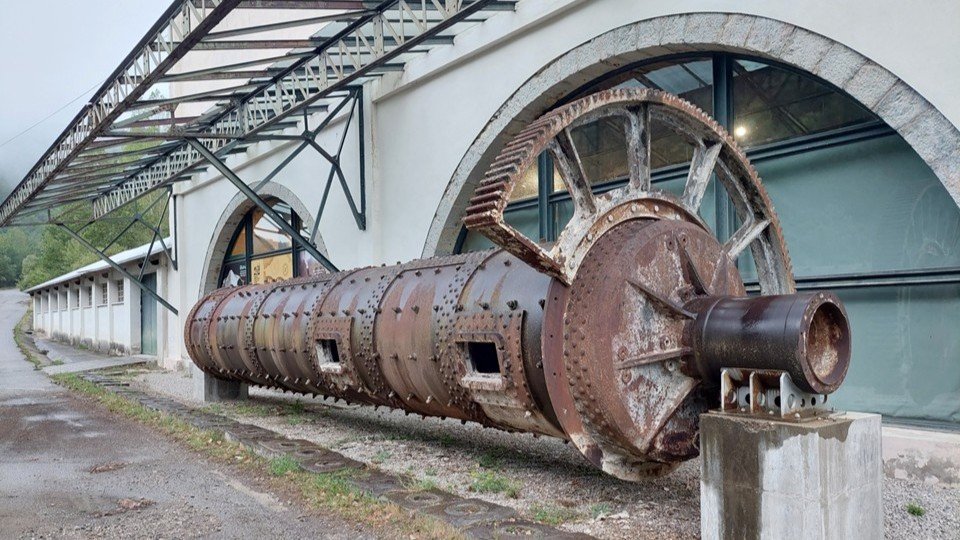
GAUDÍ AND THE PYRENEAN CEMENT FACTORY / The renowned architect made extensive use of concrete in many of his constructions, from the Sagrada Familia cathedral to the Parc Güell. It is, then, particularly apt that he also played a role in building Catalonia’s first Portland cement factory.
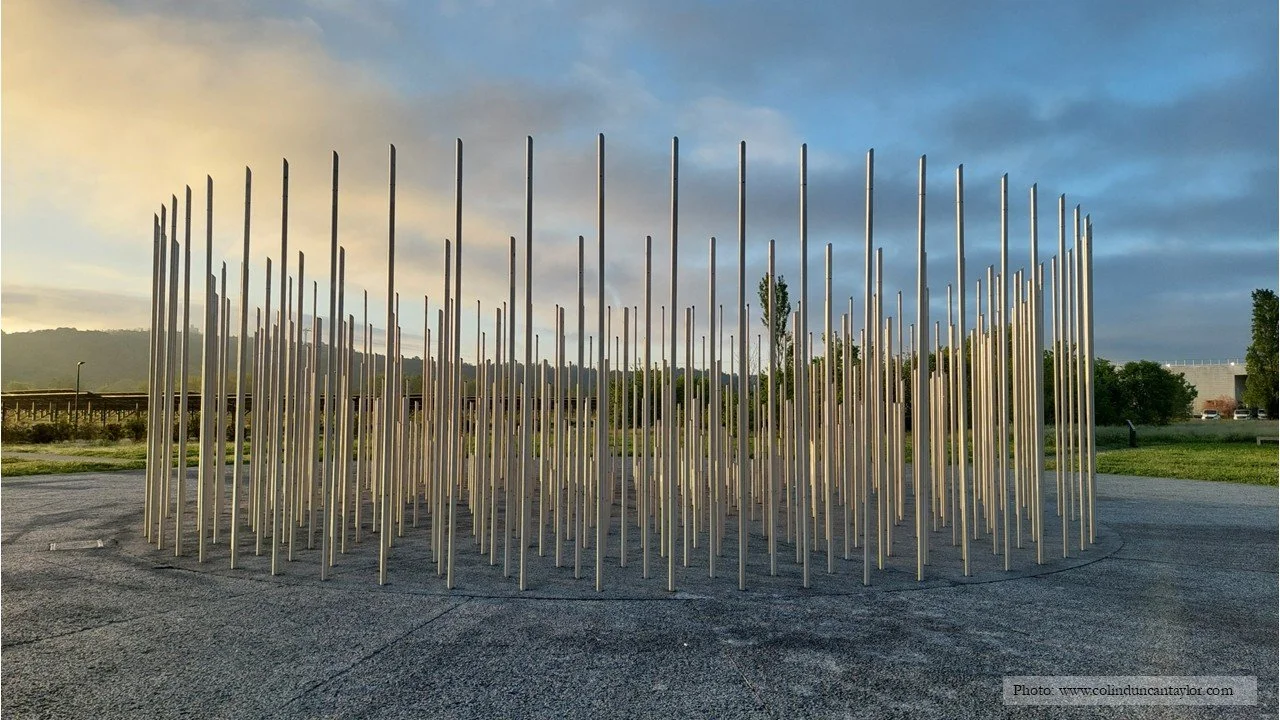
TOULOUSE: IN MEMORY OF THE EXPLODING FERTILISER FACTORY / At 10.17 on 21 September 2001, Toulouse was shaken by an explosion which killed 31 people. The cause? A fertiliser factory run by AZF.
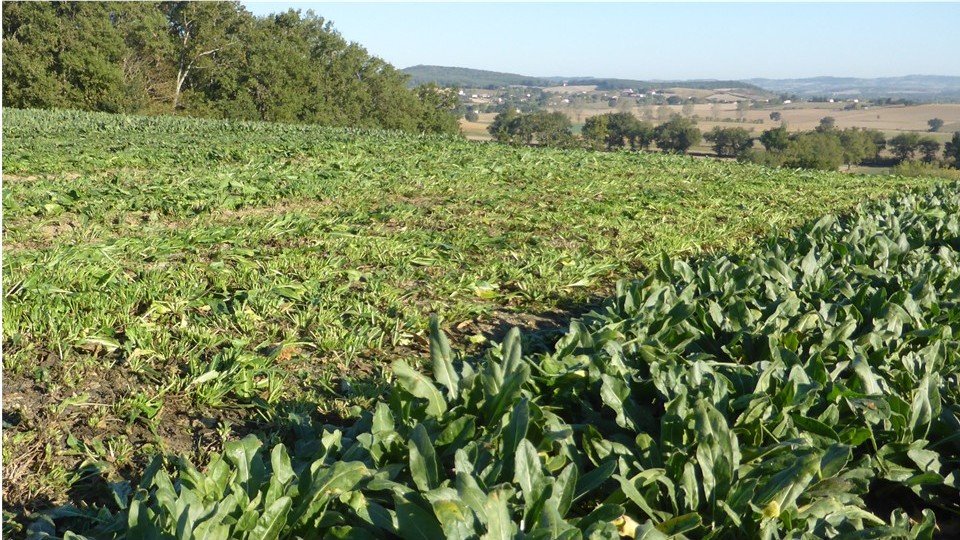
THE SECRET OF PASTEL, OR HOW TO TURN A GREEN PLANT INTO BLUE AND GOLD / In English, isatis tinctoria is commonly known as woad. In Toulouse it was pastel. Extracting the blue dye from these green leaves was a long and complicated process, but it generated enormous wealth for the region.
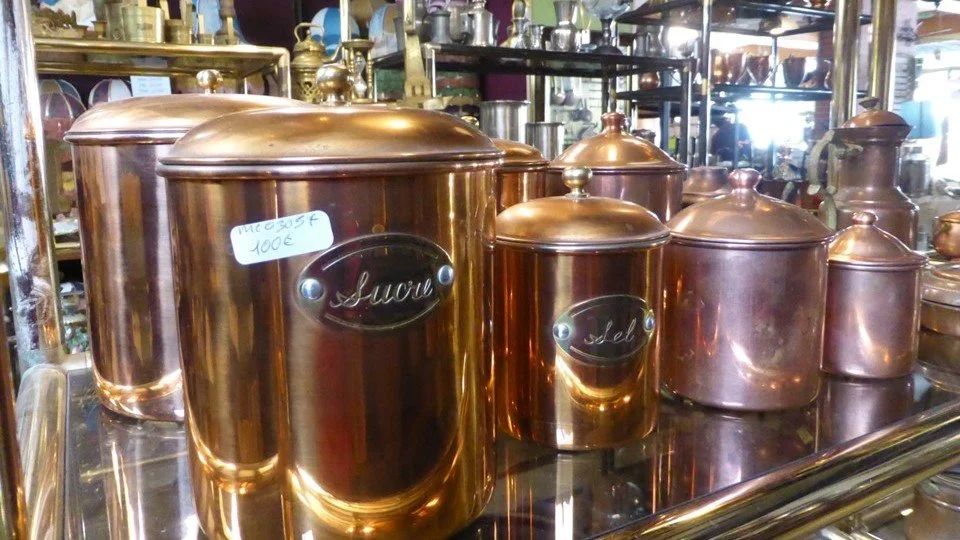
FROM BRIGAND TO METAL-BASHER: EXPLORE THE COPPER INDUSTRY OF DURFORT / At the foot of the Montagne Noire, the village of Durfort devoted itself to copper for six centuries. Today, one or two shops still offer traditional wares, a copper vessel hangs outside nearly every house, and the village council has recently signposted a 3.5km walk along the river where trip hammers once thumped lumps of copper into shape.
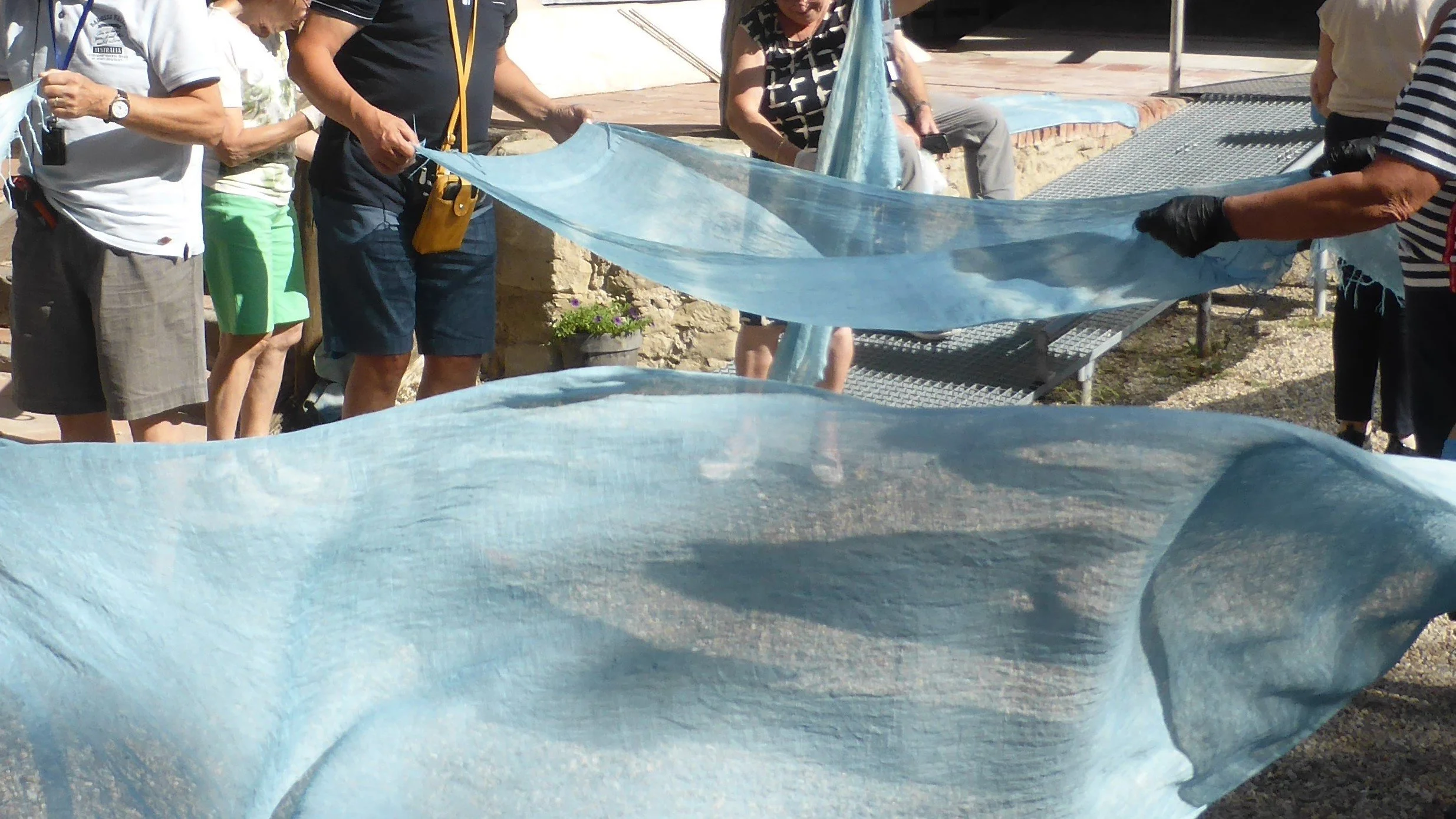
WEARING WOAD, NAPOLEON AND A CHARITY FOR SICK CHILDREN / Discover how 19th-century blockades by the British led to Napoleon's attempt to resurrect woad, or pastel.
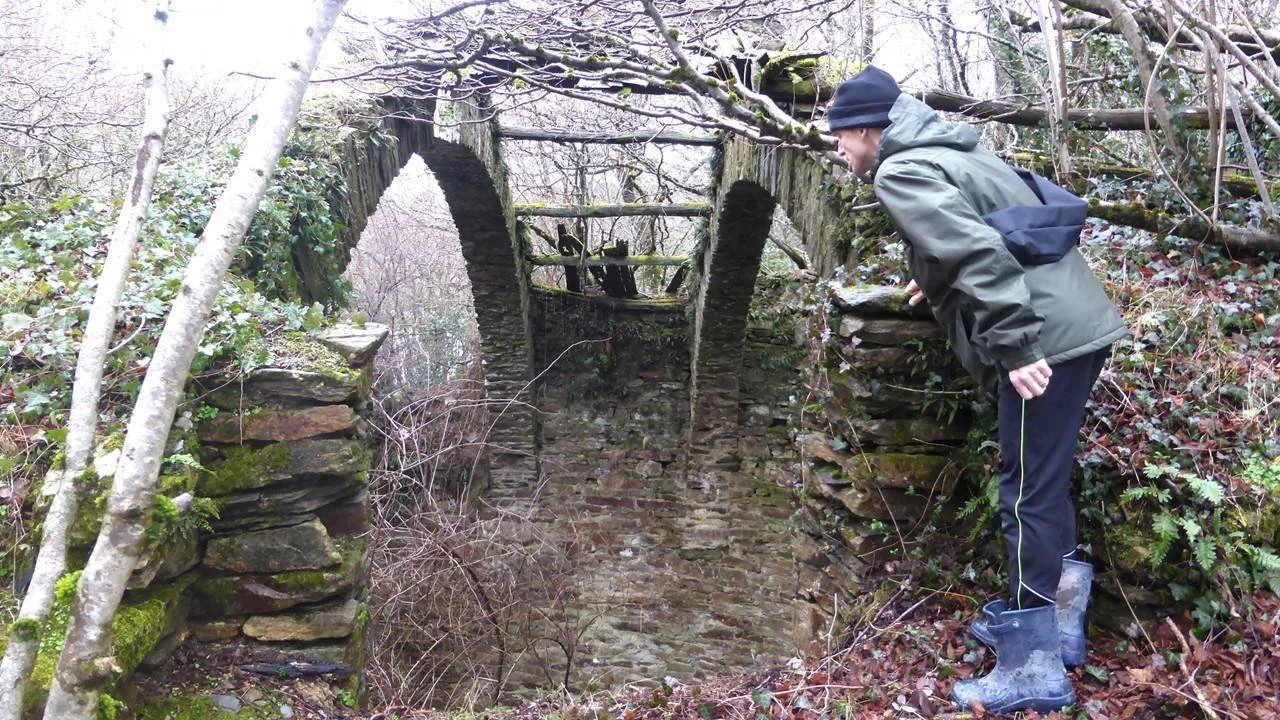
ON THE ICE HOUSE TRAIL IN THE MONTAGNE NOIRE / Pradelles-Cabardès lies just below the highest point of the Montagne Noire – the Pic de Nor. A century ago, this tiny mountain village dominated the ice industry in our region. The best way to grasp the scale of this enterprise is to take a stroll along Le Sentier des Glacières (The Icehouse Trail).
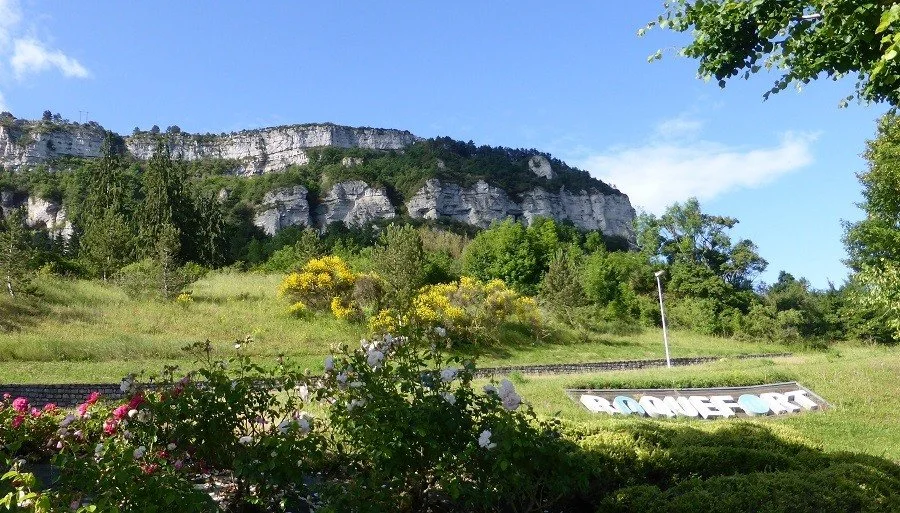
ROQUEFORT CHEESE – THE OLDEST FRENCH APPELLATION / This village in the south of France is famous for transforming ewe’s milk into blue cheese worth €350 million a year. Commercial success has left its mark on Roquefort, but not in a way you would expect. An interview with the mayor explains why nearly all the dwellings in his commune are uninhabited.
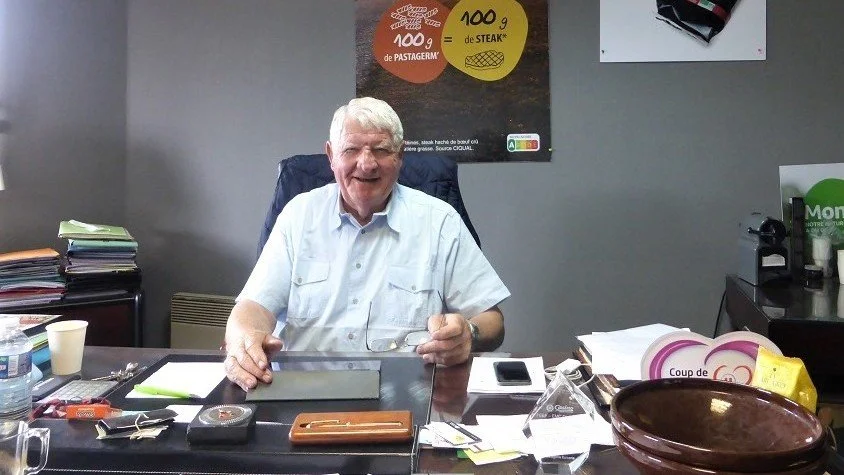
INTERVIEW WITH A LIVING LEGEND / Rugby fans of a certain age will remember the Spanghero brothers. Laurent played second row, but he brought fame to the family name through his career as a butcher. More recently, the King of Cassoulet has switched to making food products that are 100% vegetarian.
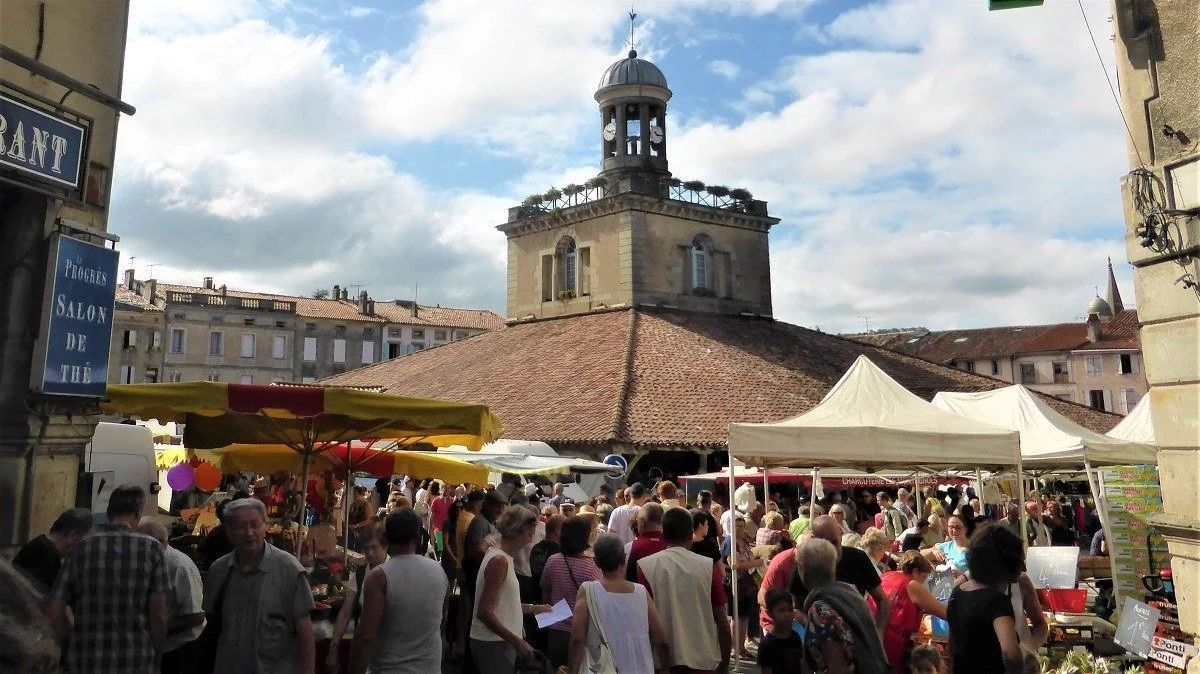
HOW THE PROTESTANTS OF REVEL STOLE A MARKET FROM THEIR CATHOLIC NEIGHBOURS / Founded as a royal bastide in 1342, Revel has one of the busiest weekly markets in the Lauragais. Few shoppers know that this popular event was stolen from the neighbouring town of Sorèze during the Wars of Religion 440 years ago.
EXPLORE OTHER TOPICS
Agriculture - Architecture & construction - Art & culture - Curious tales & places - Gastronomic heritage - Industry & commerce - Military history - Prehistory - Religious affairs - Take a trip