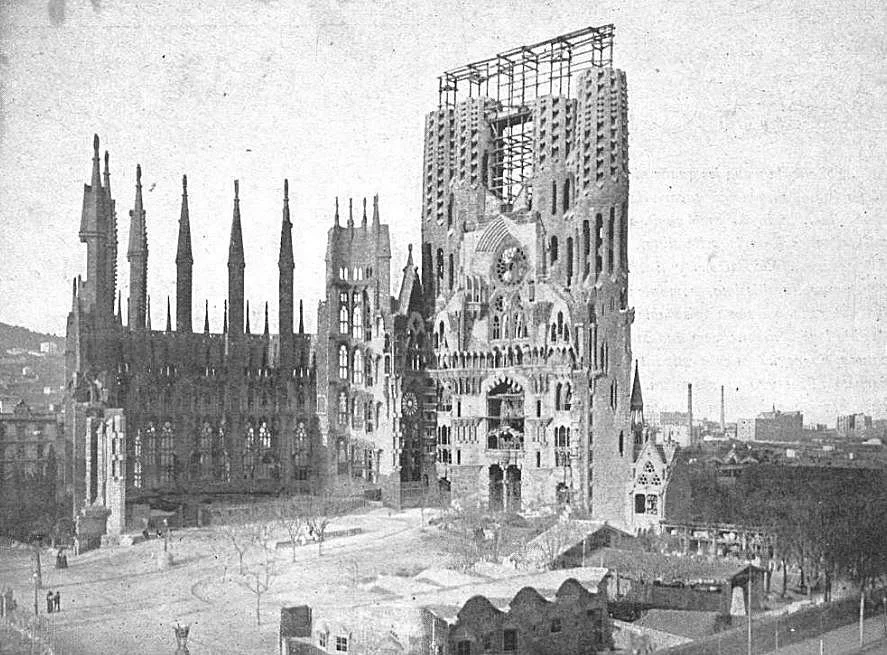
Barcelona’s Sagrada Familia cathedral, 1912 (public domain).
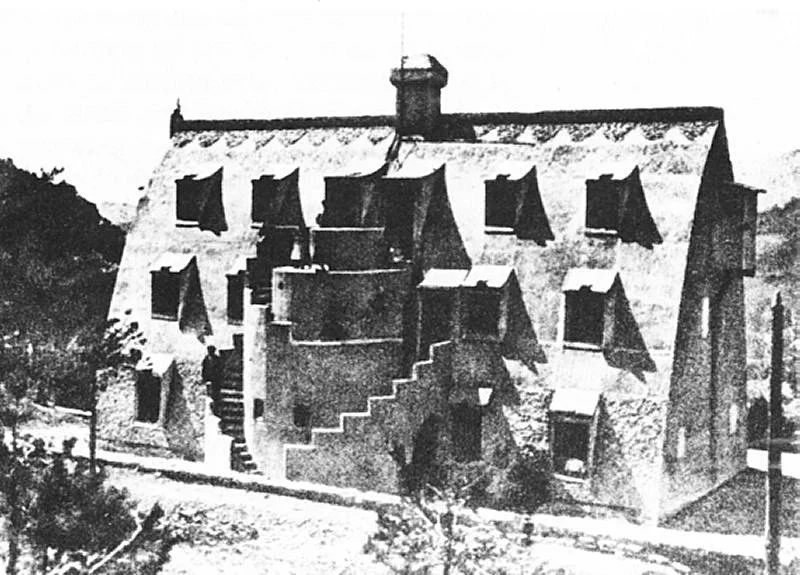
Chalet de les Mines de Catllaràs, 1905 (public domain).
What is the link between these two pictures? The image on the left dates from 1912, and it shows the embryonic construction site of Barcelona’s iconic cathedral, the Sagrada Familia. The second picture was taken in 1905 and it shows the Chalet de les Mines de Catllaràs, designed to accommodate mining engineers working in the Pyrenees, 100 kilometres north of the Catalan capital.
The link is that they share the same architect: Antoni Gaudí. That raises another question: what was the celebrated Catalan doing at a coal mine?
GÜELL AND GAUDÍ – A MEMORABLE COMBINATION
Located high on a mountain to the south of the village of La Pobla de Lillet, the coal mine was part of a project to build Catalonia’s first Portland cement factory. The man behind it was the Catalan industrialist Eusebi Güell, and he often called on Gaudí’s services, usually with memorable results. If you have been to the Sagrada Familia, you may also have visited two other Barcelona landmarks: Parc Güell and the Palau Güell, both named after the man who commissioned them.
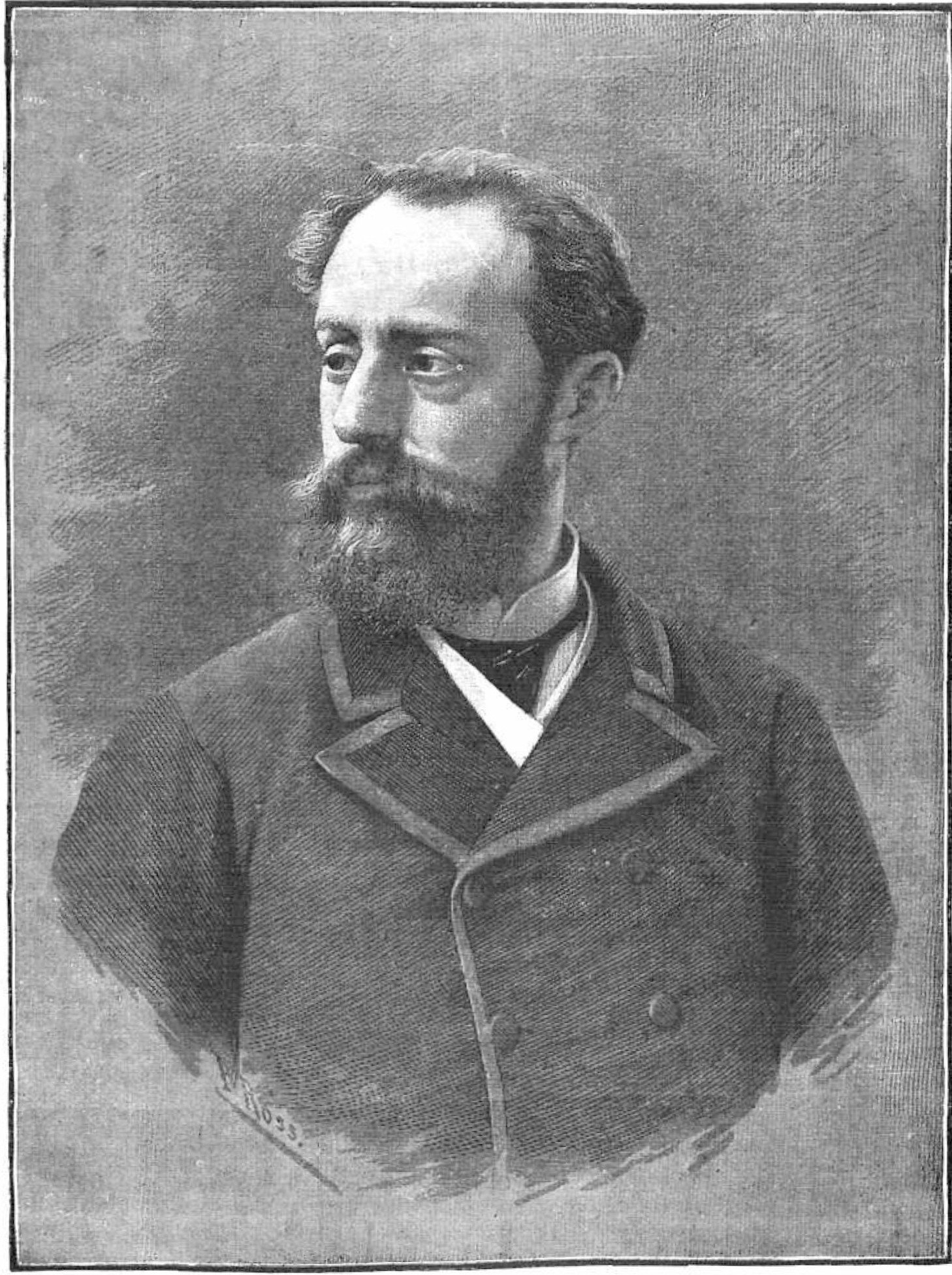
The Catalan industrialist Eusebi Güell, 1888 (public domain).
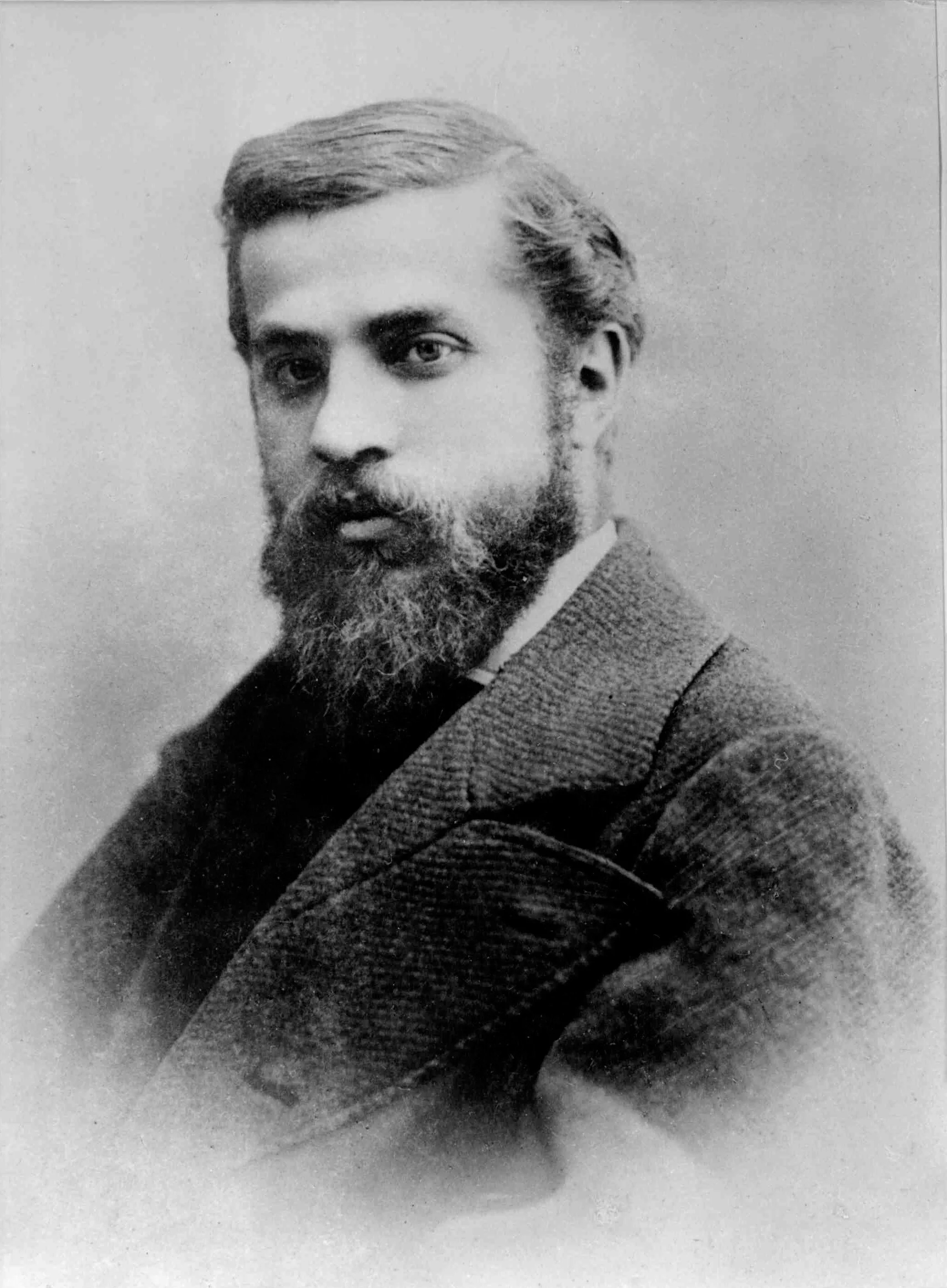
Antoni Gaudí in 1878 (public domain).
While he was designing the mineworkers’ accommodation, Gaudí took lodgings with another industrialist, Joan Artigas, who lived midway between La Pobla de Lillet and the nascent cement factory. As a thank-you at the end of his stay, Gaudí presented his host with the designs for a garden which was subsequently built and can be admired today. The structural similarities between the Artigas gardens and the much larger Parc Güell are evident and, like so many of Gaudí’s projects, they used a lot of concrete. This type of concrete was made with Portland cement, which is why Gaudí’s link with the factory is particularly apt.
PORTLAND CEMENT AND THE CONCRETE REVOLUTION
Concrete in various forms has been used for thousands of years and, like mortar, it was commonly made with lime before the 19th century. Then, in 1824, Portland cement was patented in Britain. The original recipe was as follows: (i) mix 5 parts of ground limestone with 3 parts of clay (ii) cook the mixture at around 1,500 degrees Celsius until it begins to vitrify and turns into little black balls, or clinker (iii) take out the clinker, let it cool and grind it so finely, it flows like water.
Portland cement can then be used to create concrete and mortar that is stronger and sets more quickly than lime. As the 19th century progressed, this new material spread around the world. By the time Gaudí was using it in the Sagrada Familia, it was often reinforced with steel, a technique that revolutionised many types of construction. Today, concrete made with Portland cement is the most manufactured material in the world.
CATALONIA’S FIRST PORTLAND CEMENT FACTORY
In 1901, Eusebi Güell chose to locate his new factory in a remote part of the Pyrenees because of excellent natural resources, and because those natural resources happened to be controlled by friends or family. Land belonging to one of his friends contained limestone that had the ideal clay content for making Portland cement. The same friend owned the springs that fed the Llobregat river and could be used to drive the turbines that would power the factory. His brother-in-law owned the coal-mining rights on a nearby mountain, and this coal would fire the kilns.
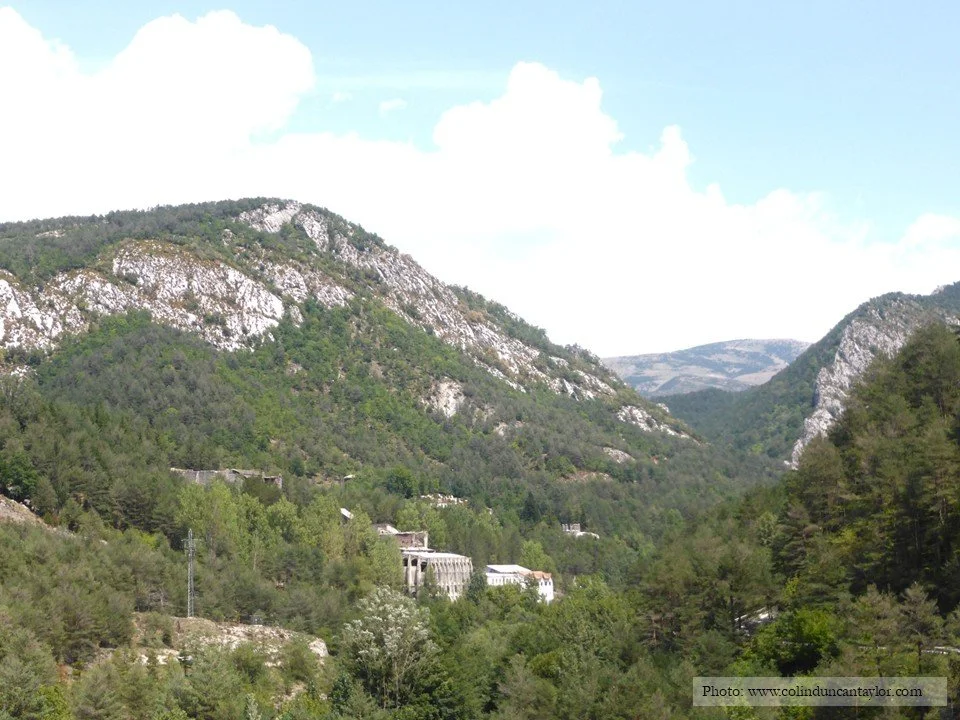
The mountains around the Asland cement factory contained limestone with the ideal clay content for making Portland cement.
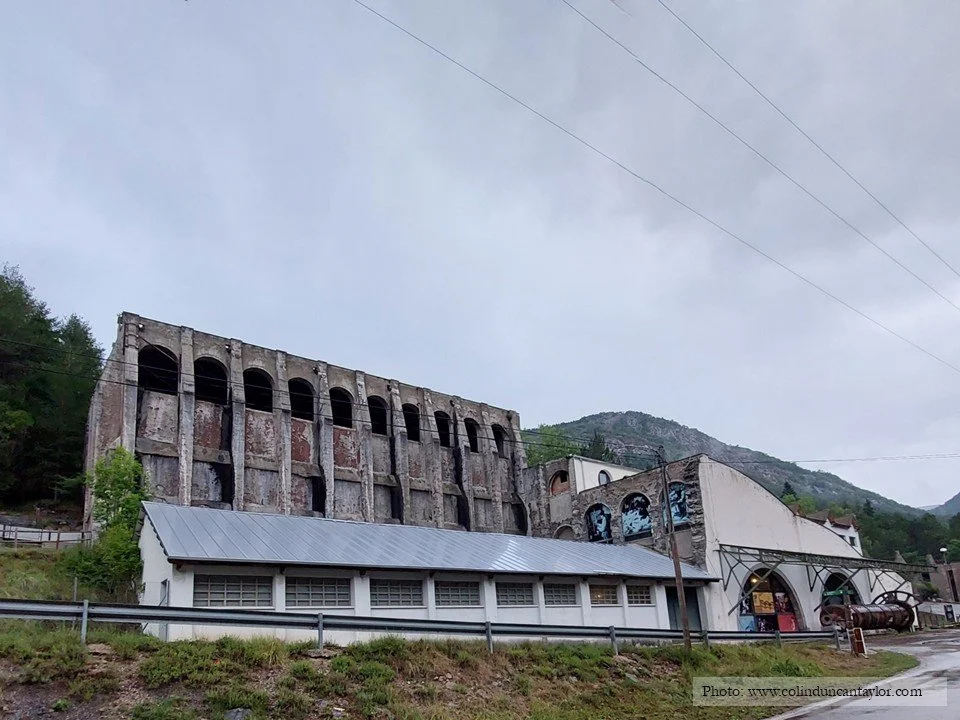
In its prime, the Asland cement factory boasted an impressive Art Nouveau style.
The limestone was also convenient for building the factory, which boasted an impressive Art Nouveau style. Eusebi Güell brought in American and British engineers to oversee the construction phase, and nearly all the machinery was shipped over from the United States. This included a six-car steam-powered road train from California which was used to transport all the other equipment 40 kilometres from the nearest railway station to the factory. Later, the company built a narrow-gauge railway to transport sacks of cement to the main railway line. Senior staff were able to catch the train to work, but all the labourers still had to walk because their morning shift began before the first train of the day.
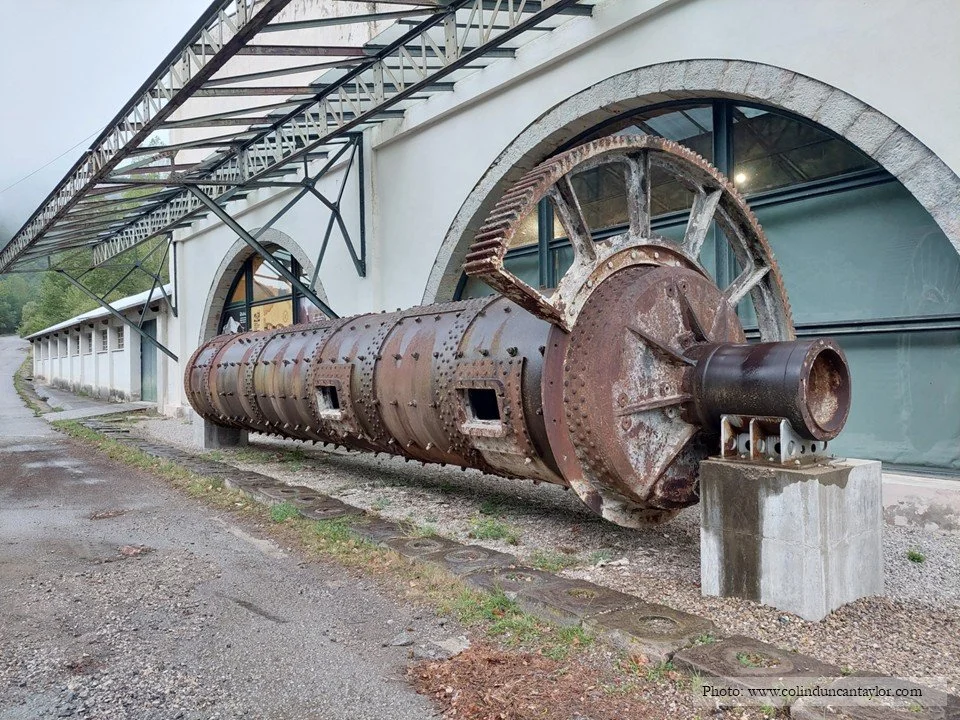
This milling machine has a cylindrical body, 10-metres long. It was used to crush the clinker that made Portland cement.
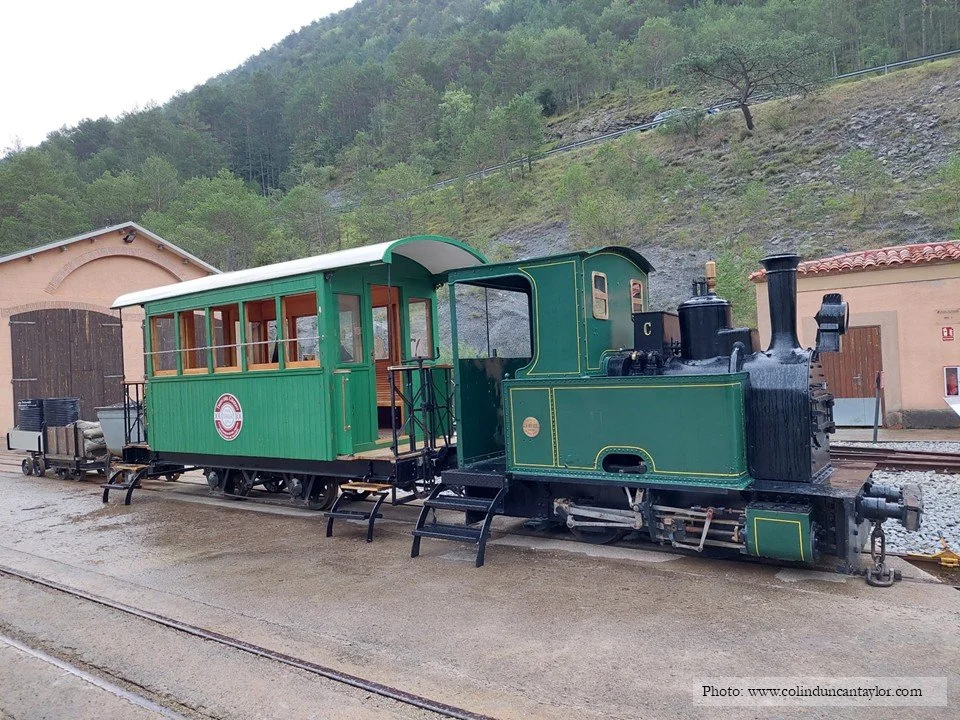
The cement train, used by senior staff, but mainly used to transport sacks of cement to the main railway line.
The factory became operational in 1904. Around 1,000 employees worked in three shifts to keep it going 24 hours a day, 365 days a year until it closed its doors in 1975.
THE CEMENT MUSEUM OF CASTELLAR DE N'HUG
Twenty years later, the Catalonian government purchased the site and created the Cement Museum of Castellar de n'Hug where today you can learn much more about the cement manufacturing process. The narrow-gauge railway now shuttles tourists between La Pobla de Lillet and the museum-factory, a distance of 2.5 kilometres. If you walk one way or the other, you can also enjoy the Artigas gardens en route and see how, in the hands of someone like Gaudí, concrete can be beautiful. He was proud of his Catalan and Mediterranean heritage, and was a great believer in the practical creativity of his people. Whereas those living in the north deal in fantasy, he said, we are concrete.
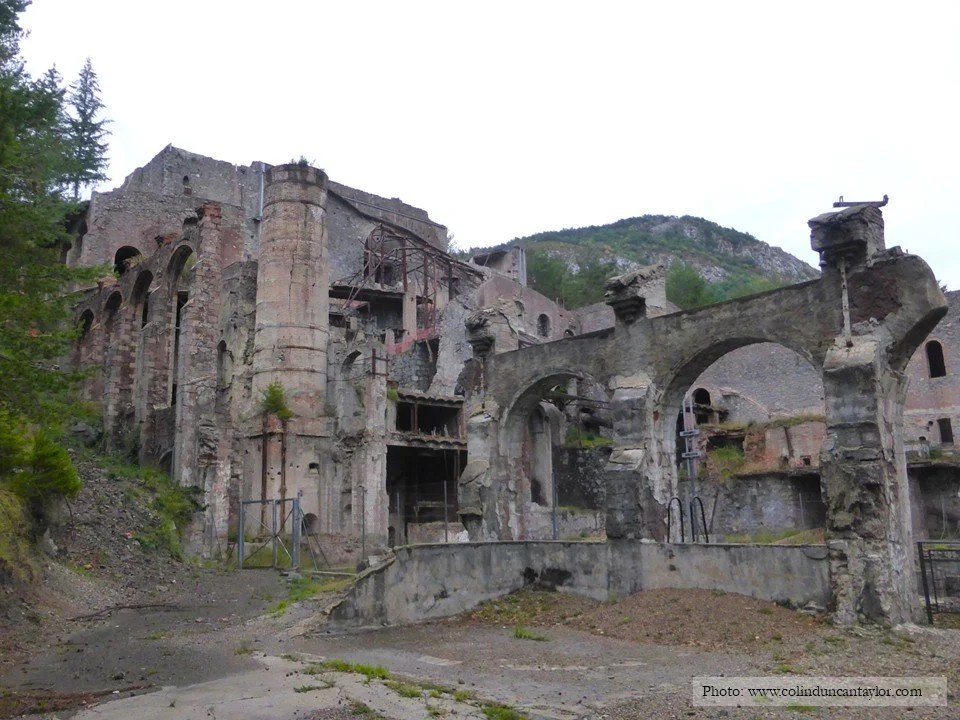
Although it is now a museum, much of the Asland cement factory lies in ruins.
