The town of Limoux lies on the river Aude 25 kilometres upstream from Carcassonne. It has two claims to international fame: its carnival (currently in full swing) and its sparkling wine.
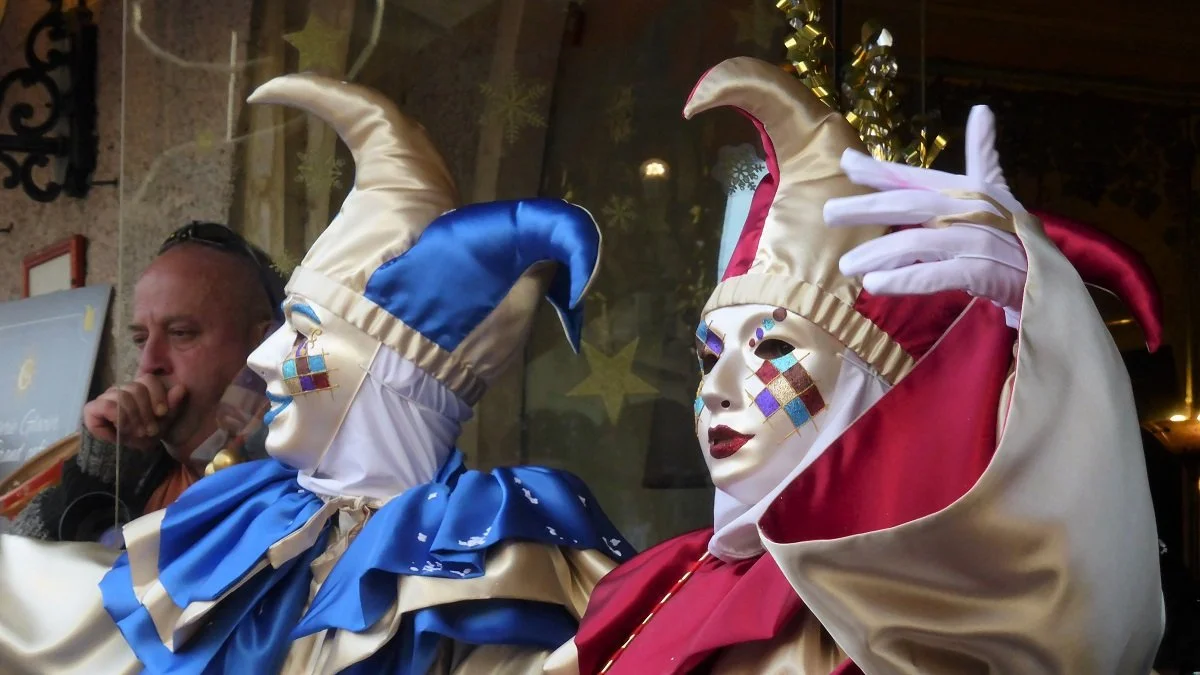
The longest carnival in the world
Venice may boast the oldest and Rio the largest, but Limoux claims to have the longest carnival in the world. Around 600 dancers belonging to 30 different troupes ensure that these festivities can be sustained three times a day every weekend - plus Mardi Gras – from the end of January until early April (more precisely, in 2023 the dates are 15 January until 26 March). The Carnival of Limoux is unusually compact. Here, there are no carnival floats, no long parades. Events unfold in the intimacy of the medieval square with a graceful beauty which has been described as a miraculous combination of immobility and movement.
Join them for a slow dance
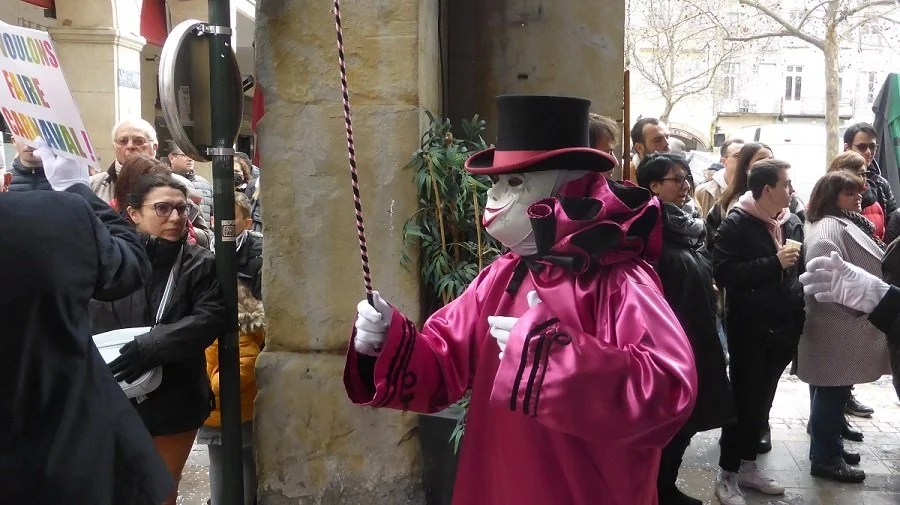
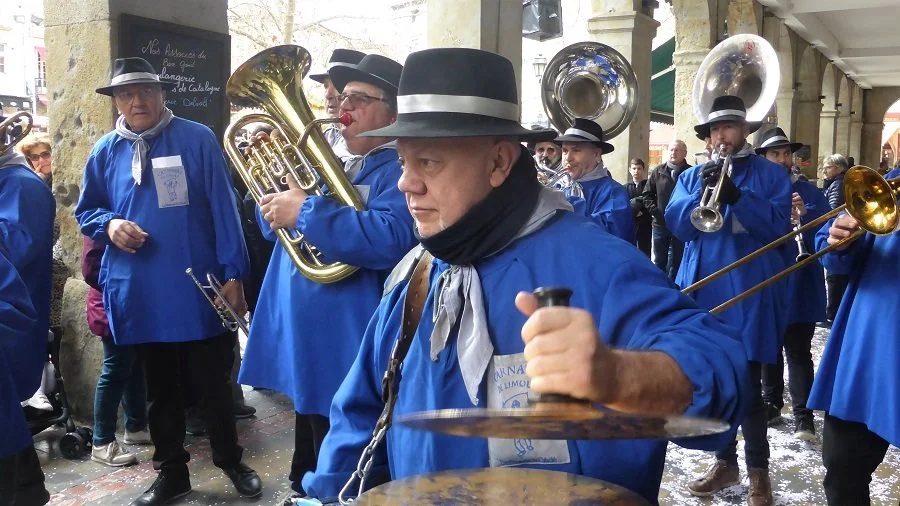
Each procession starts at one of the cafés on the square and continues to the next, and there are so many watering-holes beneath the arcades, the road is never a long one. Typically, the dancers advance around 40 metres in 20 minutes, so spectators have all the time in the world to take photographs and admire the masquerade.
The birth of the carnival
The carnival started in the 16th century when most wind or water mills around Limoux were worked by tenants. These millers had to pay their annual rent at the end of winter, and each year when they had settled their dues, they celebrated. Legend claims that when, in 1582, this celebration coincided with Mardi Gras, the millers paraded in the central square accompanied by oboes, fifes and drums. The Carnival of Limoux was born.
Rowdy and sometimes violent
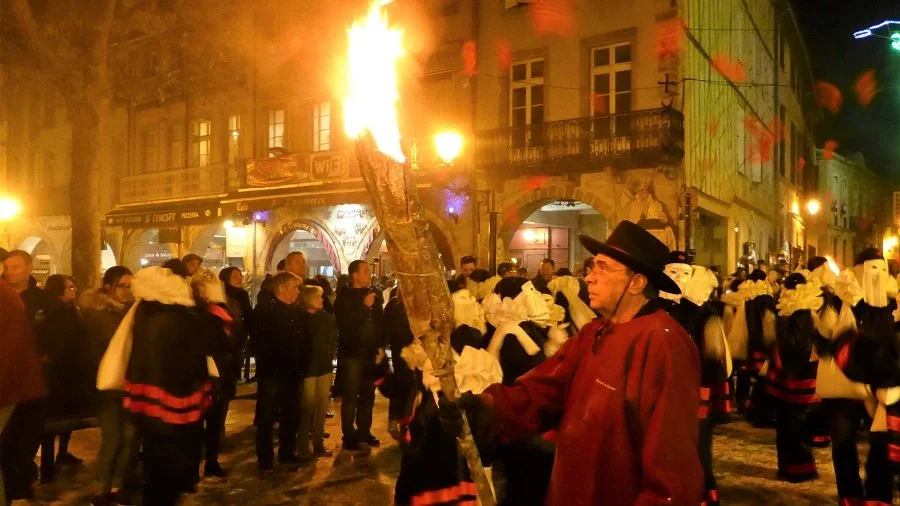
These festivities sometimes turned violent. Take 1605, for example: there was a torchlit procession and joyful dancing beneath the arcades to the music of violin and drum, but then fighting broke out between rival factions, and some of the town’s consuls were roughed up in the melee. In the 18th century, the carnival was often a rowdy affair fuelled by tensions between the rich and the poor. There were frequent stand-offs between hatters, weavers and merchants, and the municipal authorities were jeered and even stoned.

The oldest sparkling wine in the world
The last night of the carnival (that will be the 26 March this year) is known as la nuit de la blanquette, named in honour of a sparkling wine called Blanquette de Limoux. This ancient drink is the town’s other claim to fame: Blanquette de Limoux promotes itself as the oldest sparkling wine in the world, and there is no better place to taste it than at the carnival. These festive companions share a heritage that stretches back to the 16th century, and according to some sources, the slow rhythmic gestures of the carnival dance represent the peasants pressing the grapes with their feet. But how did the wine first get its fizz?
The legend of Saint-Hilaire
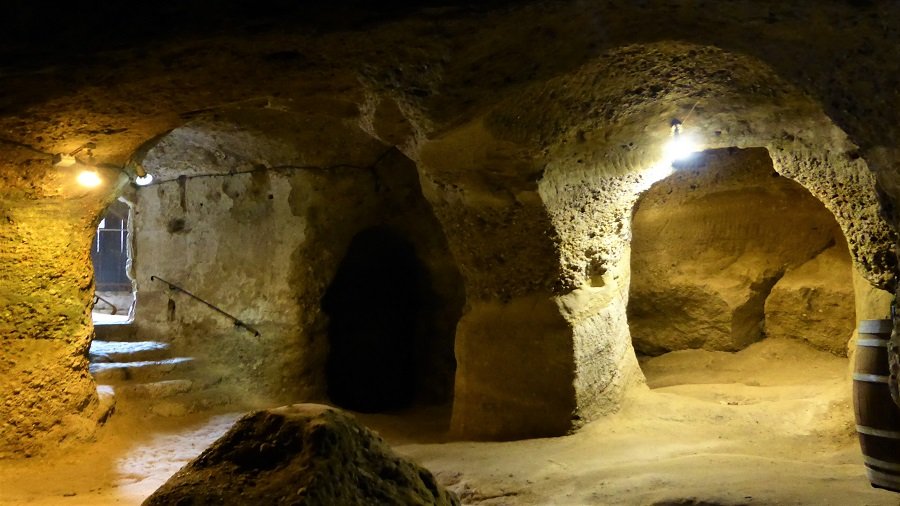
The Abbey of Saint-Hilaire lies halfway between Carcassonne and Limoux. It was founded by Benedictine monks in the early ninth century. Before long, they were tending vines, and a document from the year 931 refers to a kind benefactor who donated a vineyard to the abbey. In the bedrock beyond the cloisters, the monks dug out caves, and this is where they made and stored their wine. One day in 1531, a monk was sent to fetch a bottle, but when he took out the stopper, he discovered that a second fermentation had taken place. The wine was fizzy, or effervescent if you prefer. By accident, the monks of Saint-Hilaire had created the world’s first sparkling wine.
Fake news or hard news?
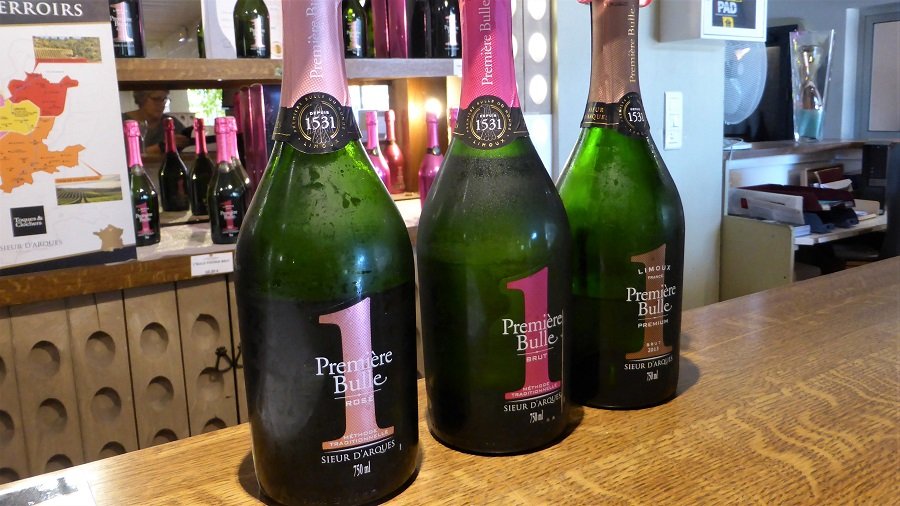
The first part of this legend gained a little more credibility when a document was discovered in 2013. Dating from 1544, it is a ledger kept by the Limoux town treasurer, and in an entry made on 25 October 1544, he records that various wines were supplied to Sieur d’Arques, and among them were four pints of blanquette to accompany the good lord’s dinner (today, Sieur d’Arques is the name of the main cooperative and it is an excellent place for a dégustation). Unfortunately, other historians soon pointed out that there was nothing in the treasurer’s ledger to say that the wine was effervescent, or even that it came from Limoux. Blanquette was the old name for a local type of vine which we now call mauzac, and any wine derived from the mauzac or blanquette vine was also called blanquette, and although this vine was primarily cultivated in the Midi, it was not exclusive to Limoux.
Silencing the doubters
So, although today a wine can only be called Blanquette de Limoux if it is effervescent and contains at least 90% mauzac, we know little about the wine that Sieur d’Arques was drinking in 1544, apart from its name. Nevertheless, nowhere else has presented a more credible pitch for the title, Oldest Sparkling Wine in the World. Come to the carnival, follow a troupe of dancers into a bar, and you won’t find anyone who doubts the legend. After a few glasses, neither will you.
A longer version of this article was first published in Issue 32 of The Good Life in France Magazine
