Where in France is the Midi?
Newspaper titles such as ‘Midi Libre’ and ‘La Dépêche du Midi’ suggest the Midi might be located somewhere around Montpellier or Toulouse. But if you head over to Mont Blanc, you will find an Aiguille du Midi. Up in the Pyrenees, there are five different mountains called the Pic du Midi, so to avoid confusion, each is accompanied by a suffix: Ossau, Bigorre, Arrens, Siguer and Génos. Where exactly, then, is the Midi?
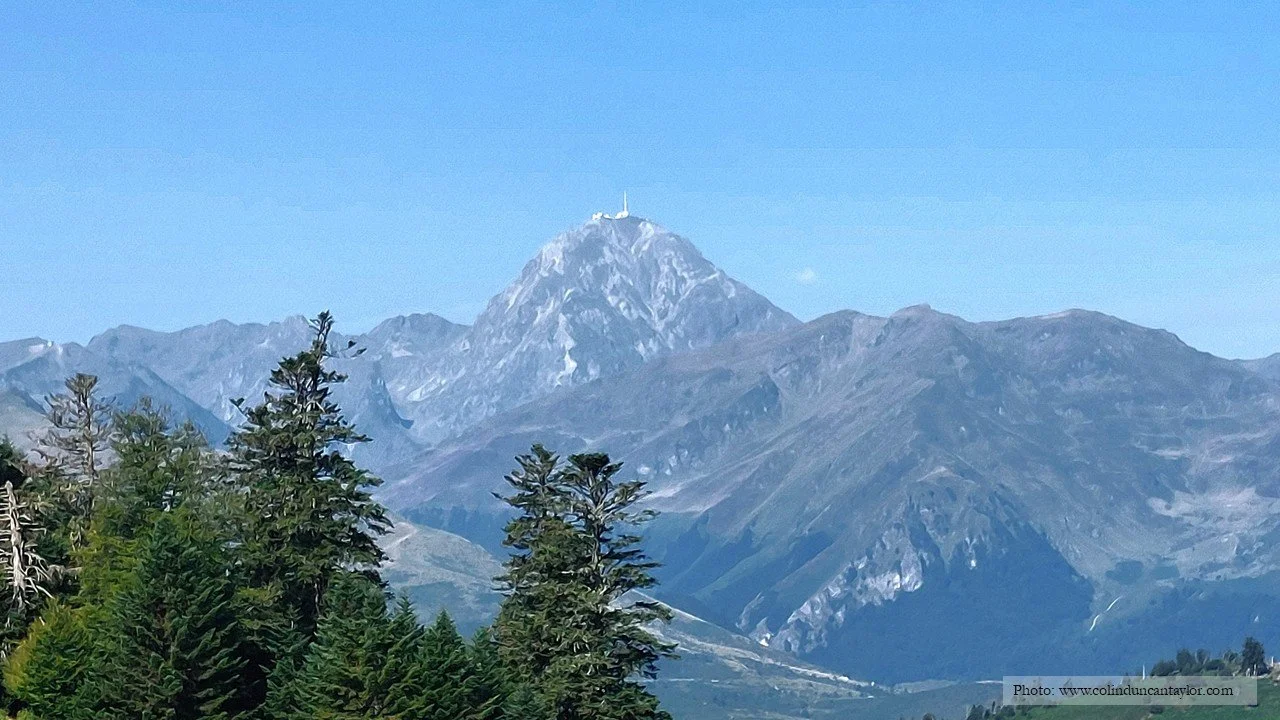
Pic du Midi de Bigorre, viewed from the Col d’Aspin.
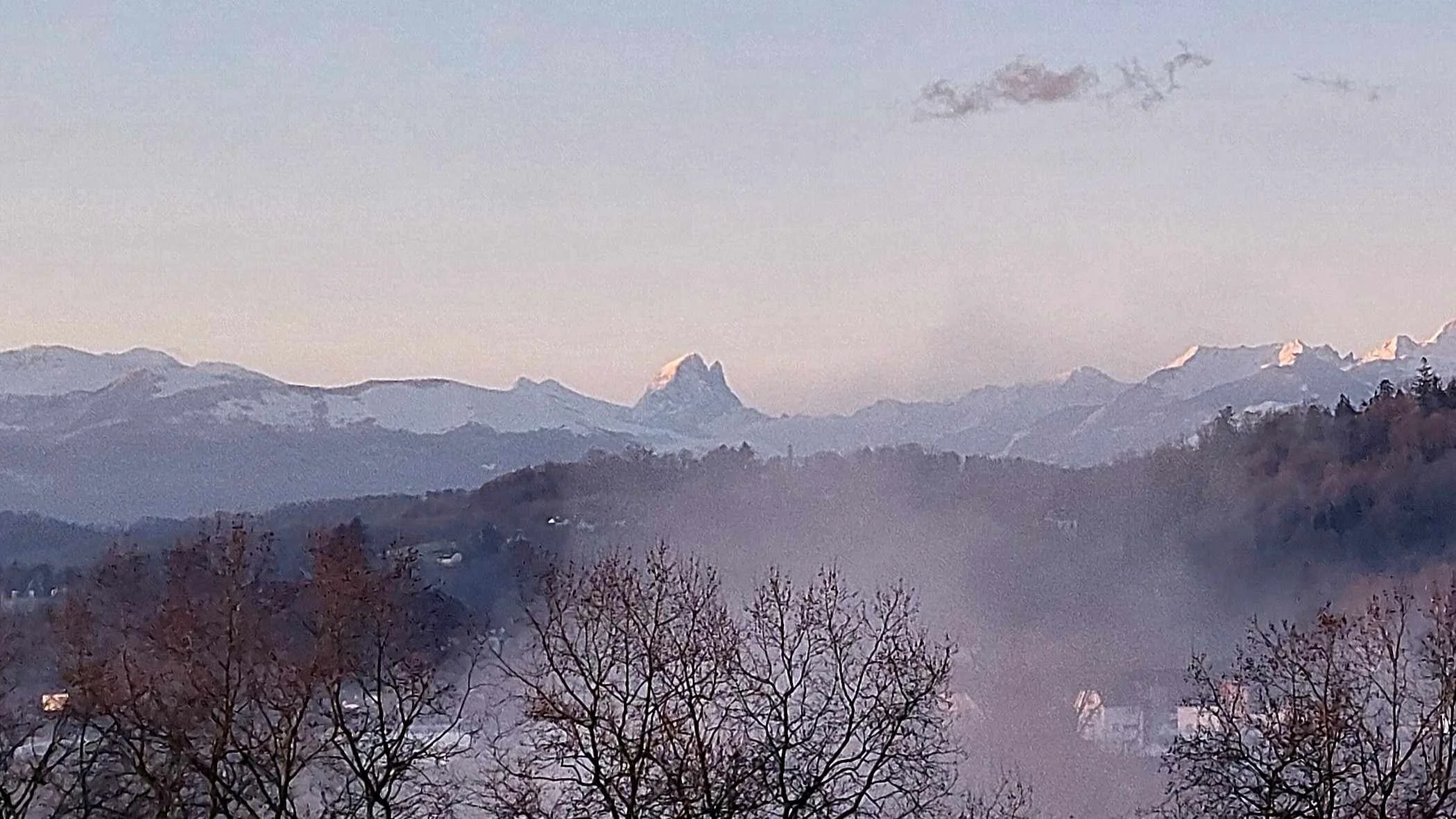
Pic du Midi d’Ossau viewed from Pau.
The Midi is the southern part of France. As with most north-south divides, where it starts and where it ends is open to debate. For some, the Midi represents half the country, everywhere below a horizontal line stretching from La Rochelle on the Atlantic coast, through Clermont-Ferrand and Lyon to the Swiss border. To others, the Midi is the southernmost third of France, the sunny side of a line between Bordeaux, Valence and the Italian border (conveniently for geographers, this is also the 45th parallel).
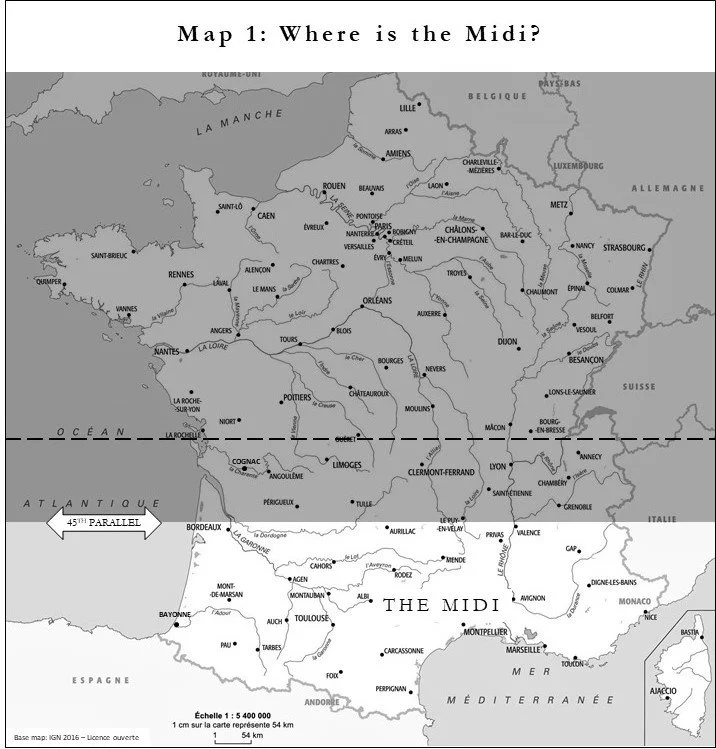
If you cross the first line (the dotted line on Map 1), you are unlikely to notice any immediate difference. Cross the second, and you will. The culture is different, the mindset is different, the accent is different, and until a century or so ago even the language was different. But for many people, the most striking difference is the change in climate caused by the Mediterranean, the Pyrenees and the mountains of the Massif Central. The link with sunshine is not only a meteorological fact; it has become part of the language. The word ‘midi’ with a lower-case ‘m’ means both midday and south. If you want to find the sun at noon, look due south towards the Midi.
Climate also has a profound effect on the food people grow and eat, the flavours and aromas of the dishes they prepare, and their style of dining. Come south of the 45th parallel, and these aspects of daily life change too. According to the father of food journalism and gastronomic guides, Alexandre Balthazar Laurent Grimod de La Reynière: ‘In the provinces, and above all in good towns of the Midi where one makes excellent food, a great dinner is an affair of state. One speaks of it three months beforehand and digesting it lasts six weeks.’
Curiously, although the Midi can claim to have distinctive cultural, gastronomic and linguistic roots, administratively it does not exist. The closest it has come to officialdom was in the name of a region, but Midi-Pyrénées disappeared in 2016 when it merged with Languedoc-Roussillon to form Occitanie.
