Discover and make mesturets – an elusive dessert from the south of France
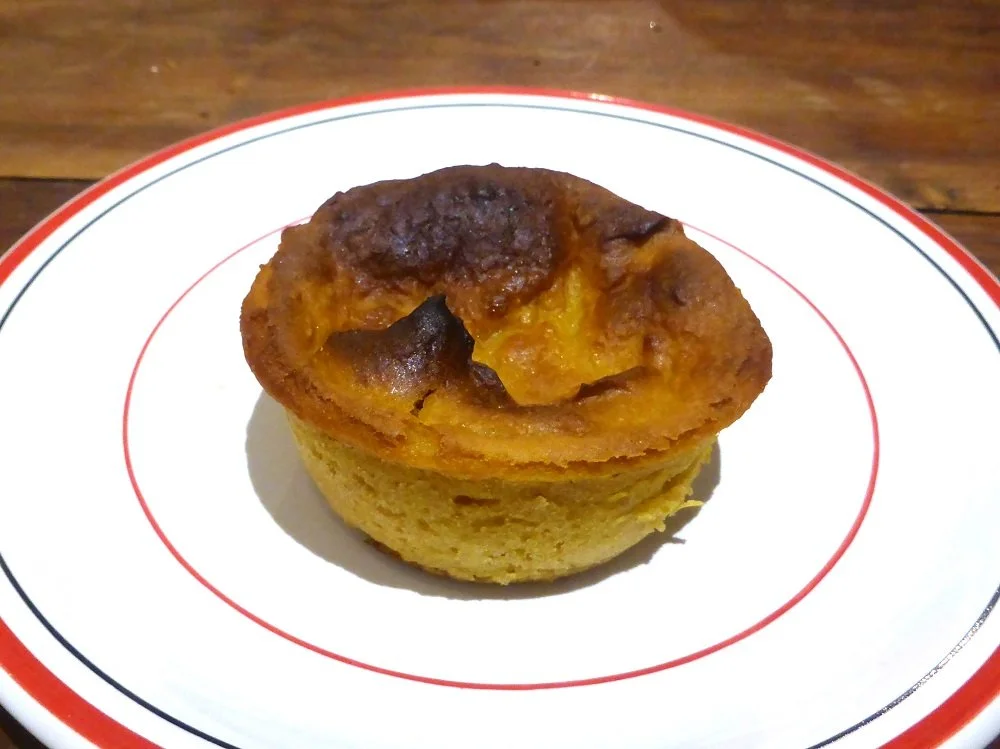
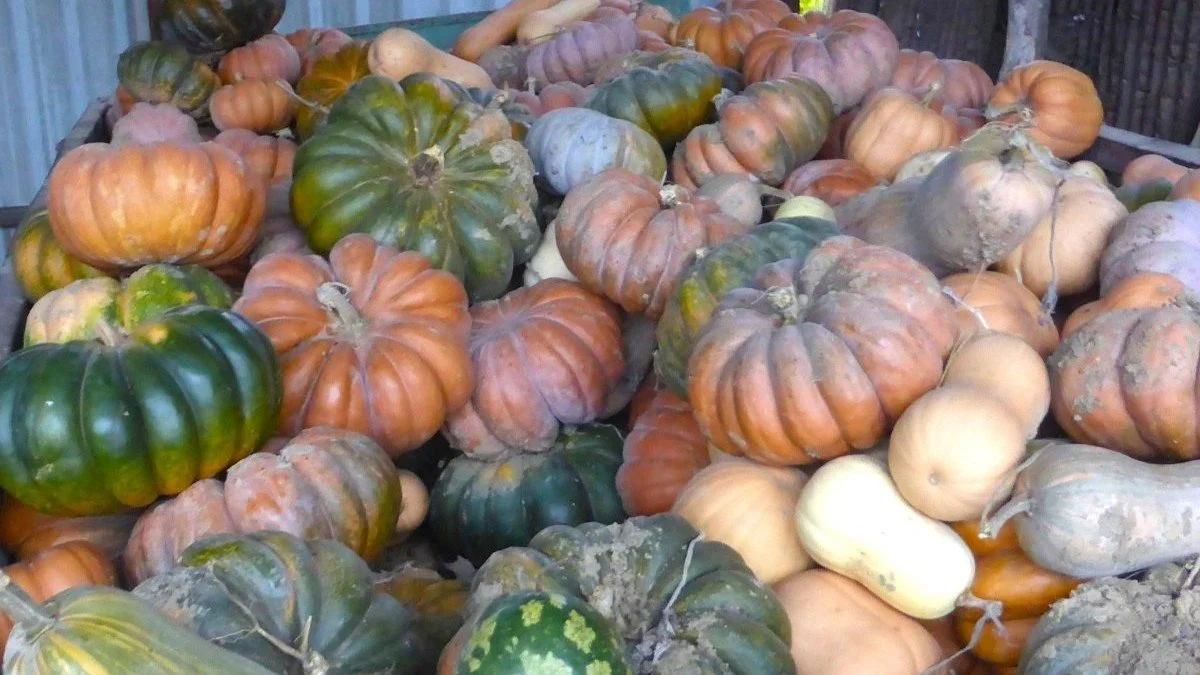
One of the few surviving examples of a traditional dessert from the south of France is the mesturet (locals pronounce all the letters). It originated in the department of the Tarn, but its principal ingredients were introduced from the Americas: pumpkin and maize flour. What happened to other Occitan pastries such as the rauzel, the feuilleté or the autrichien?
Death by sugar and cream
In the 17th century, Britain, France and other colonial powers began to establish vast sugar plantations in the Americas. In the space of a couple of centuries, sugar went from being an expensive luxury to a commodity available to all. The dessert menu blossomed as chefs and cooks accidentally or deliberately created French classics such as mousse au chocolat, tarte Tatin, poire belle Hélène and crêpes Suzette. In the takeaway sector, Parisian patisseries conquered the world and many Occitan desserts were overwhelmed. Most of them were solid peasant fare, often based on bread dough, and they had little in common with their sugary, creamy cousins from the north.
Secrets from the kitchen
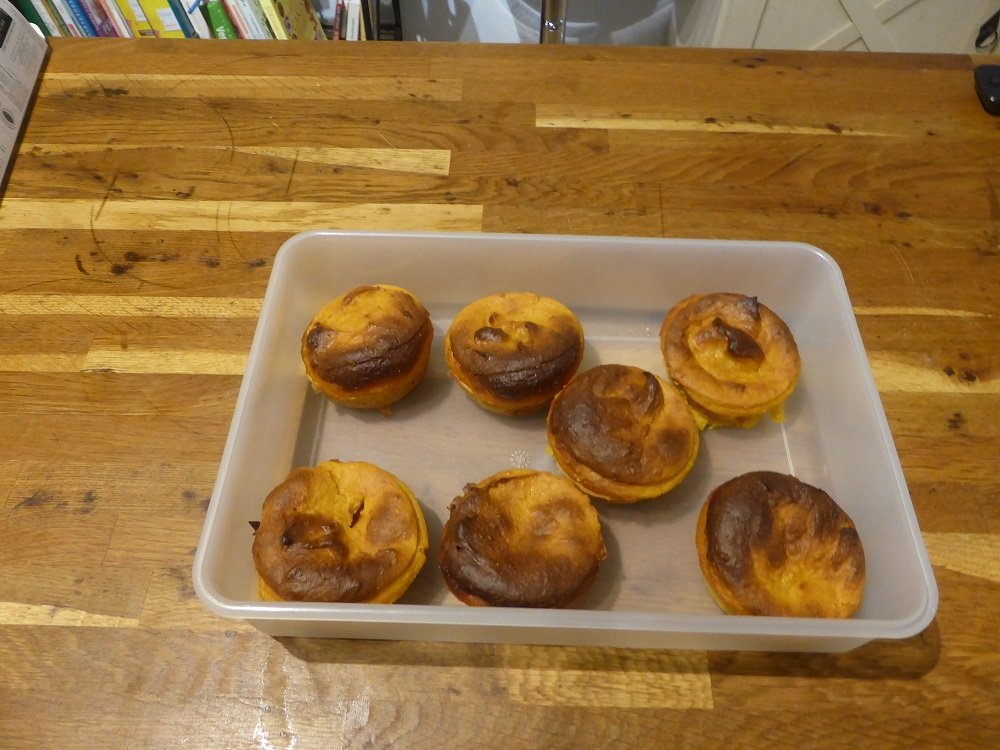
Today, it is rare to find the mesturet on the shelves of a boulangerie-pâtisserie or on a restaurant menu. This is a traditional dish made almost exclusively at home, and every ancient family seems to have its own recipe and continues to use it. In many cases, the recipe is a closely-guarded family secret, but after a lot of searching, I found an old lady who allowed me to sit in her kitchen for a couple of days and watch her at work. This experience inspired me to create my own version. It’s a lot quicker to make, and my recipe uses something I have seen in no other – oven-roasted butternut squash.
Tasting mesturets
The most surprising feature of the mesturet is that its flavour lingers in the mouth for a good ten or fifteen minutes, making it unusually satisfying. Unlike many desserts, one mouthful does not quickly lead to the next and irresistibly onwards towards sugar-fuelled gluttony.
Recipe – Butternut Mesturets
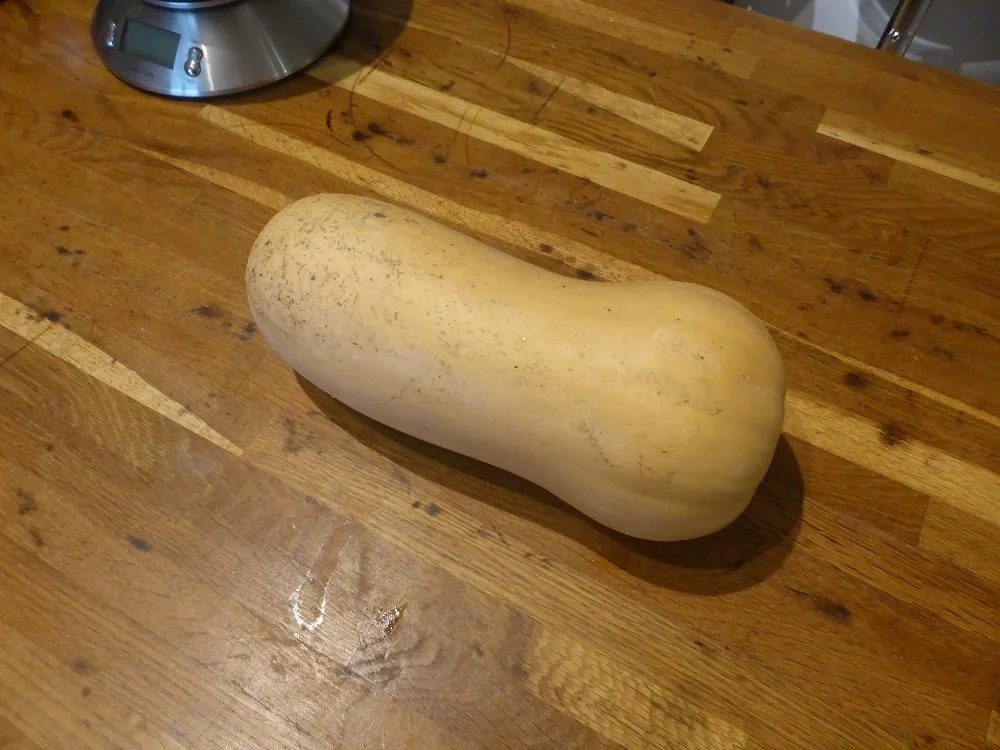
Ingredients: 1.0-1.2 kg of peeled, raw butternut squash, 160 g of brown sugar, 100 g of plain white flour, 30 g of maize flour, 35 ml of Armagnac, the juice of one lemon (approx. 35 ml), vanilla essence, approx. 200 ml of water, a pinch or two of salt, sunflower oil.
Preparation
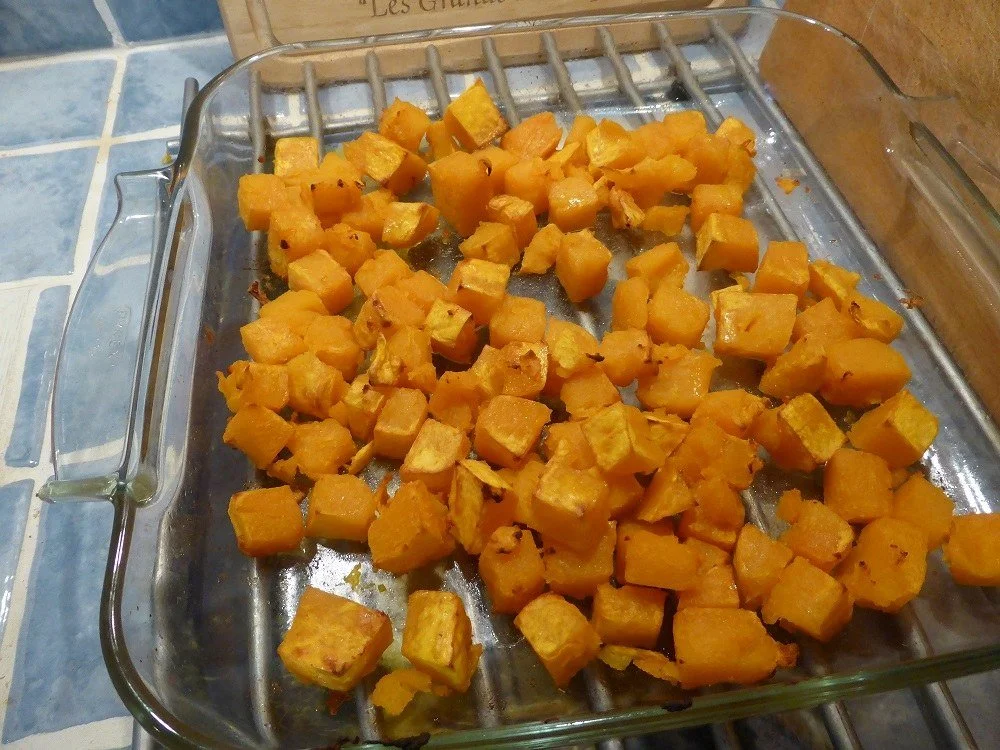
1) Chop the peeled butternut squash into cubes with sides of around 1.5 cm. Place in a baking tray, drizzle with sunflower oil and roast at 190oC until they are soft enough to squash (ha-ha!) with a fork. This should take 35-40 minutes in a fan oven; turn them every 10 minutes or so to stop them burning.
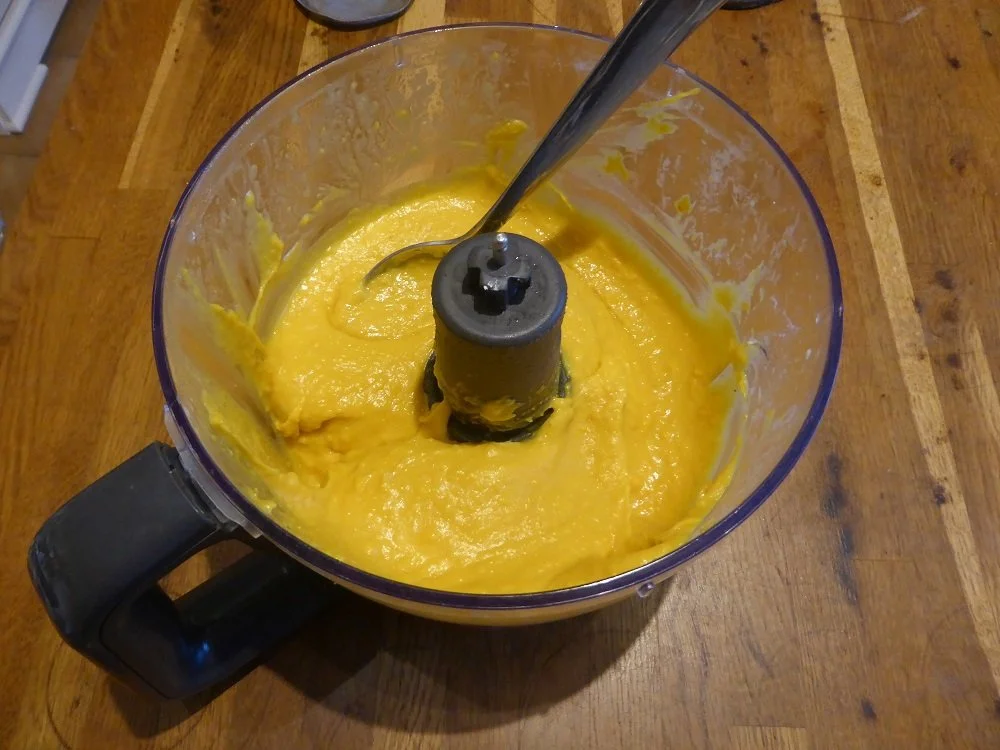
2) When the squash has cooled, weigh out 600 g and blend it with the sugar, plain flour, maize flour, Armagnac, lemon juice, a few drops of vanilla essence and salt. Slowly add the water to obtain a puree that will just fall off your spatula or spoon (the exact volume of water will vary with each squash and how well you roast it). Note: for a smooth, non-fibrous mixture, you may need to run your blender for around five minutes.
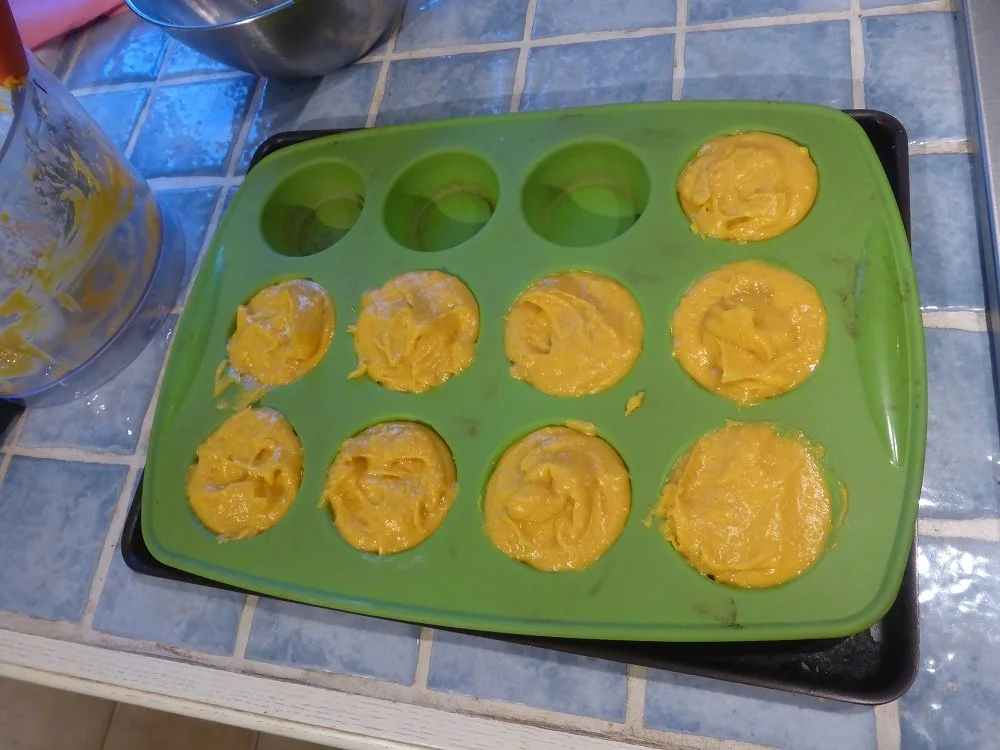
3) Spoon the mixture into muffin cases (I use a silicone tray with 12 cups each holding 75 ml, and the quantities given in this recipe make enough mixture to fill them all nearly to the brim).
4) Bake in the oven for 40 minutes at 160oC. Turn down the thermostat to 140oC and bake for another 40 minutes.
5) Remove from the oven. When they have fully cooled, turn them out. Traditionally they are eaten cold, and this seems to accentuate their taste. They will keep for several days in an airtight container.