Jaca: the best place in the Pyrenees to enjoy military history

External and internal views of the fort in Jaca, Spain.
The Spanish town of Jaca is home to an exceptional fortress garrisoned by 32,000 soldiers. As well as being the only surviving star fort in Spain, it houses various museum galleries covering topics such as military medicine, military paintings and mountain regiments. But its most original feature is the museum of military miniatures. Those 32,000 soldiers are made of lead and they are displayed in 25 historical settings, with the highlight undoubtedly being the Battle of Waterloo.
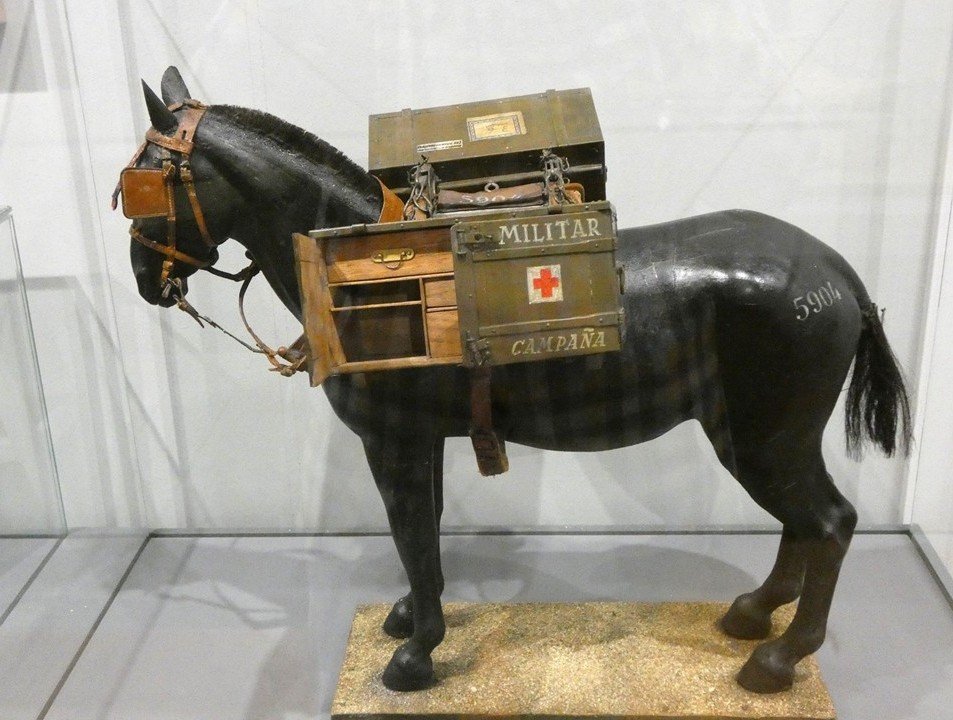
Horse of the medical corps.
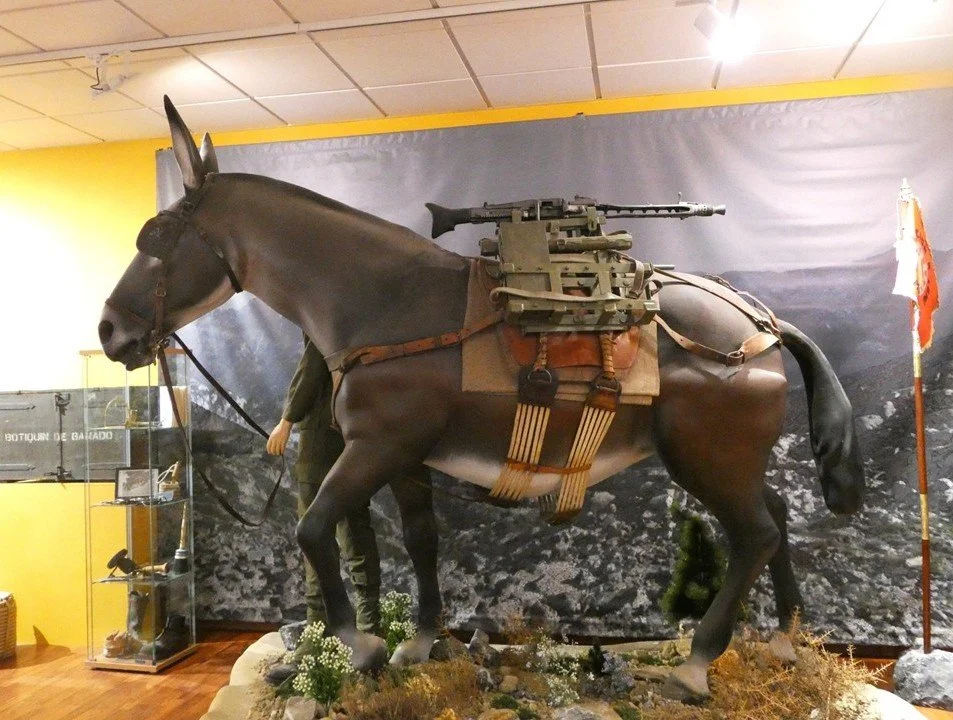
Mountain regiment mule, armed for battle.
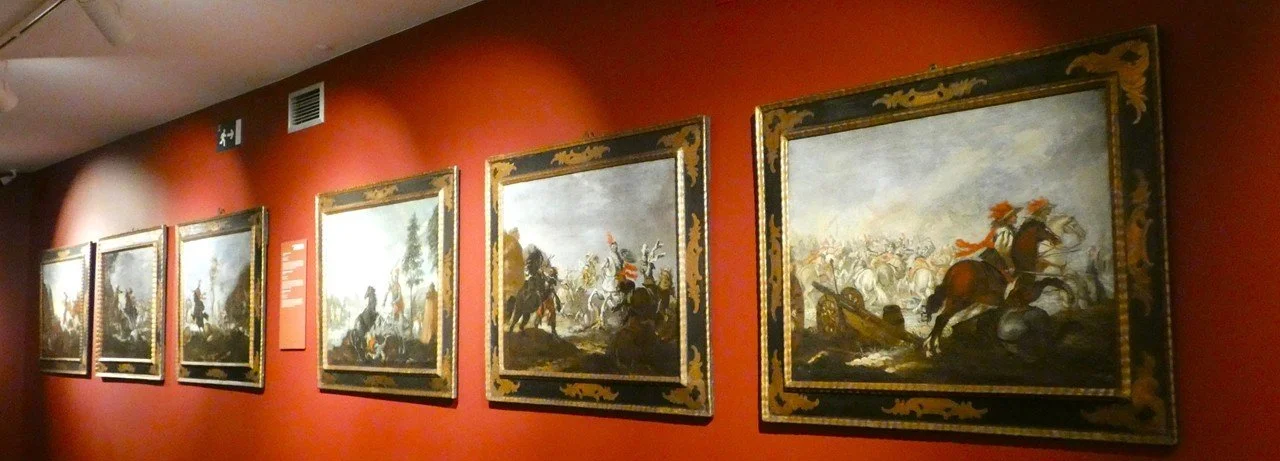
Gallery of military art.

Unpainted lead soldiers and military equipment.

Recreation of the Battle of Waterloo.
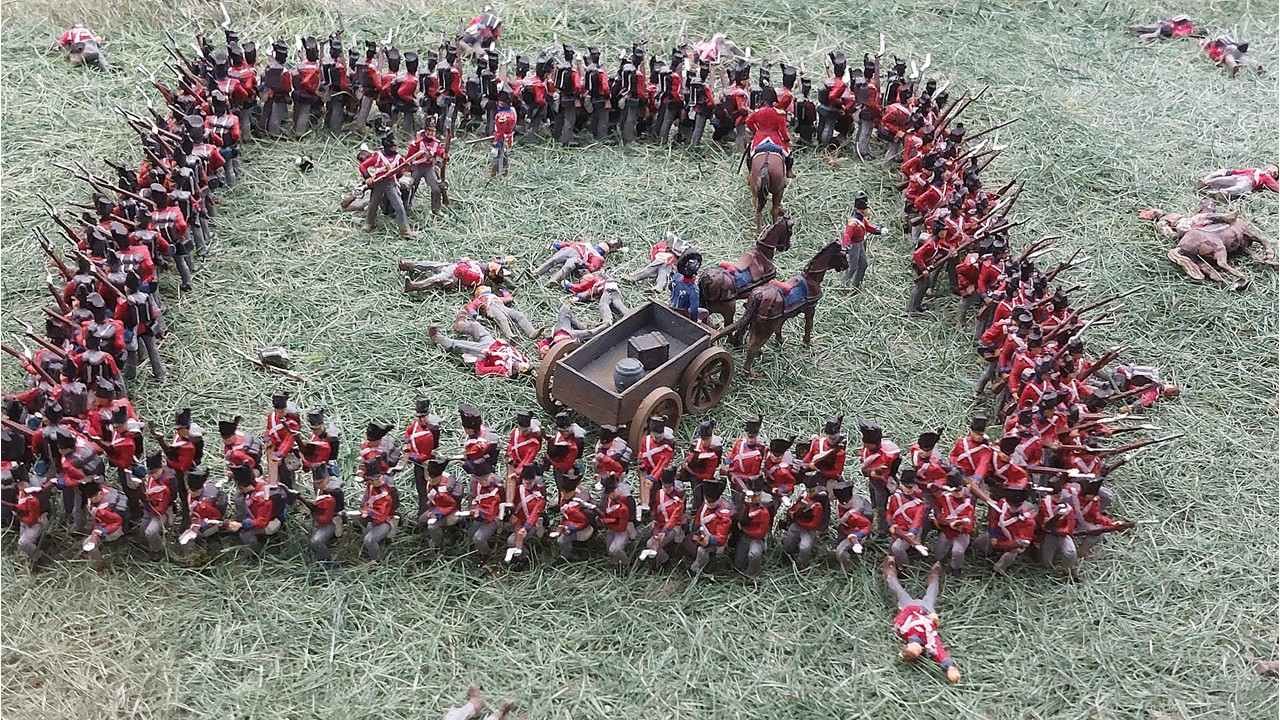
Wellington’s troops form a defensive square.
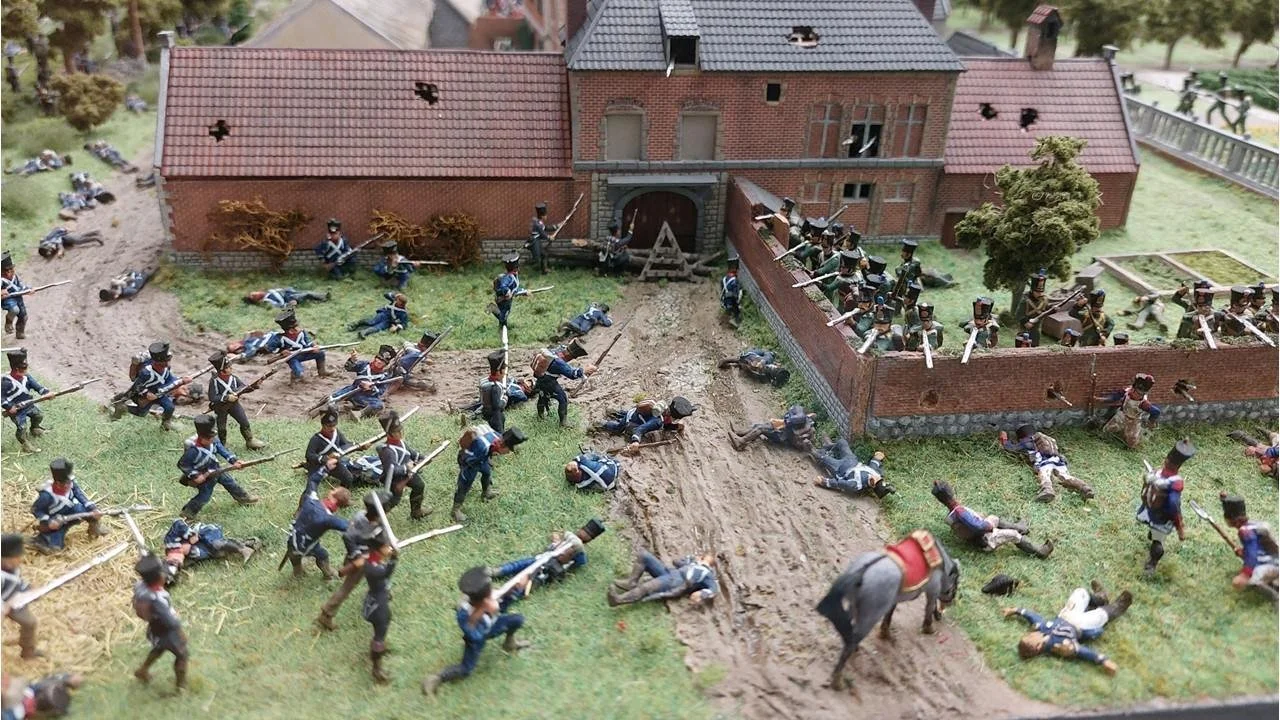
The assault on La Haye Sainte at Waterloo.
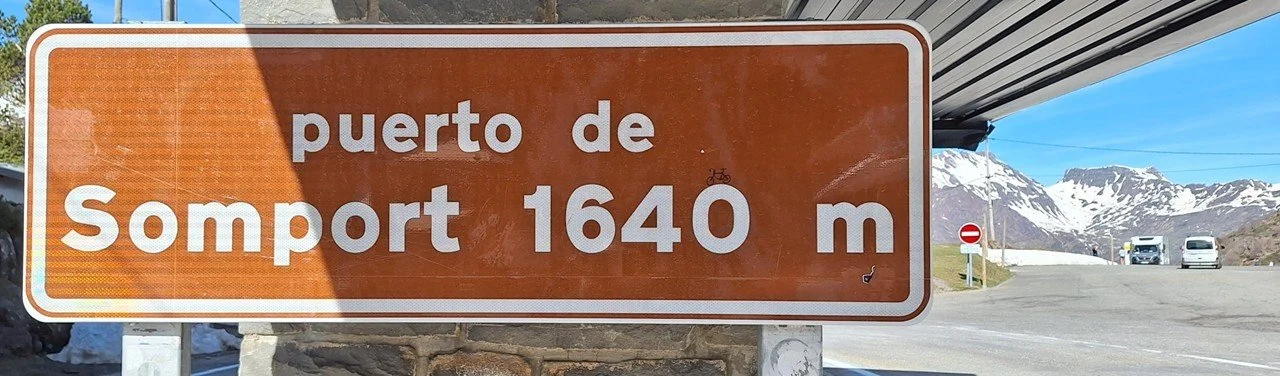
Geographically, Jaca guards the way up to the Somport pass – historically one of the most important Pyrenean crossing points. In the 11th century, Jaca became the first capital of the Kingdom of Aragon. Since around that time and up until the present day, pilgrims walking the Way of Saint James have crossed the Somport and passed through Jaca, adding to the town’s importance.
Construction of the fortress began in 1592. Its squat, thick walls were designed to withstand artillery fire, and the bastions allowed the defenders to fire on the enemy wherever they chose to attack – there were no blind spots. Despite these formidable defences, when Napoleon’s army reached the town in 1809, the governor surrendered without firing a shot (he was later tried and cleared of treason). Five years later, the French garrison put up a stronger fight, but after a siege lasting several weeks, they negotiated a surrender which allowed them to return unharmed to France.
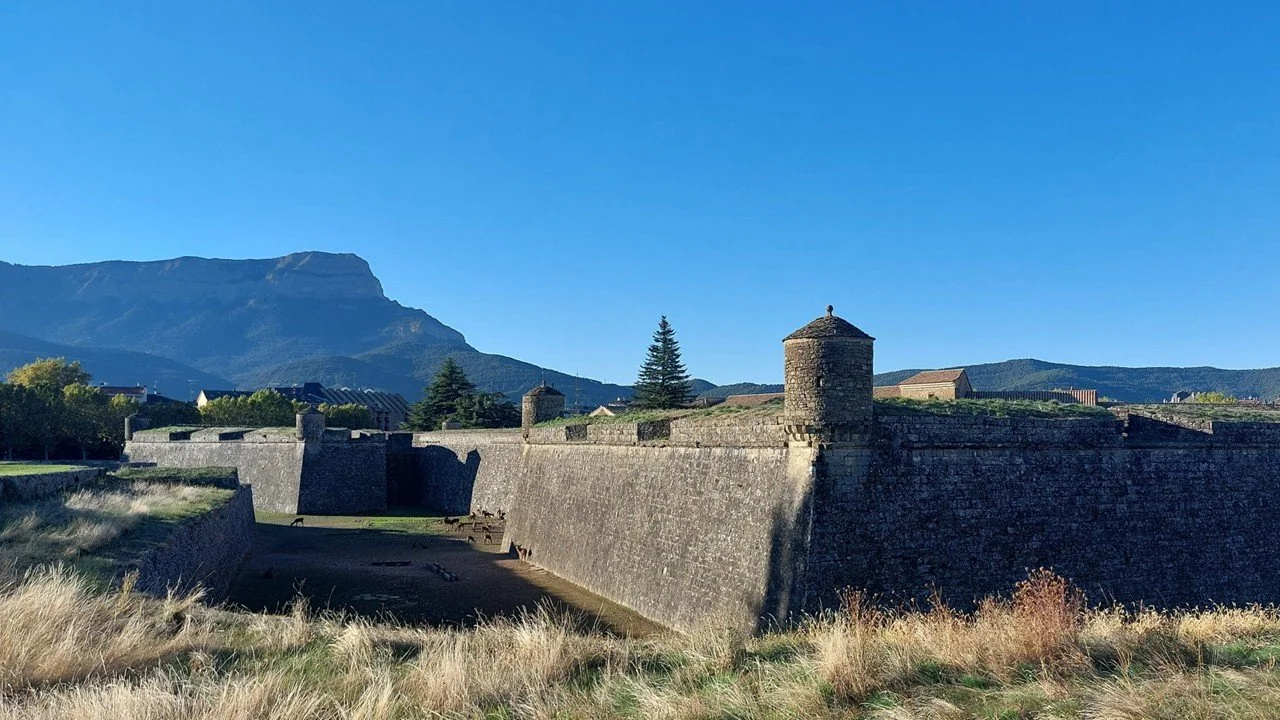
The fort’s walls were designed to withstand artillery fire. Today, its moats are home to a herd of deer.
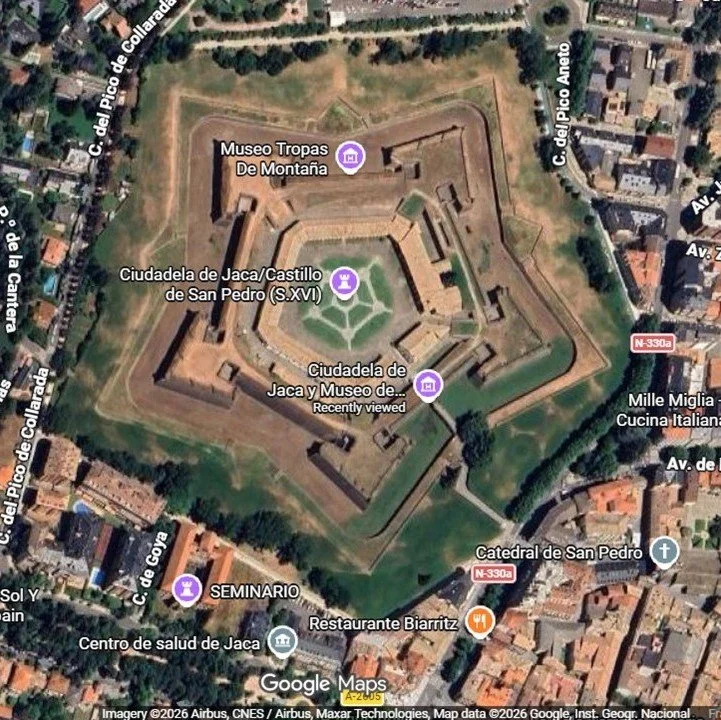
The toy soldiers arrived in 2003, but it took another four years to create the museum galleries. Having visited the fort twice, if you want to explore thoroughly the fortifications, the chapel and all parts of the museum, you will need a whole day. Luckily, the fort closes at lunchtime which obliges visitors to take a break and enjoy a long lunch or wander through the ancient streets of Jaca.

The fort’s San Pedro church was consecrated in 1675.

Franco’s victory parade in 1939 at the end of the Spanish Civil War.
