What is transhumance?
There’s no need to feel sheepish about asking such a question. This short video contains the answer, but don’t try counting all the thousands of sheep – unless you are struggling to go to sleep!
See the ancient practice of transhumance in action as thousands of sheep bring traffic to a standstill on the main road between France and Spain in the Pyrenees.
And now to add some depth to the story...
THE ORIGINS OF SEASONAL MIGRATION
The term comes from two Latin words meaning across (trans) and ground (humus). Long distance seasonal migration is still practised in many parts of the world today, but it is particularly prevalent around the northern side of the Mediterranean basin from Turkey to Spain, and this is probably the route by which it was introduced to the Pyrenees around 7,000 years ago.
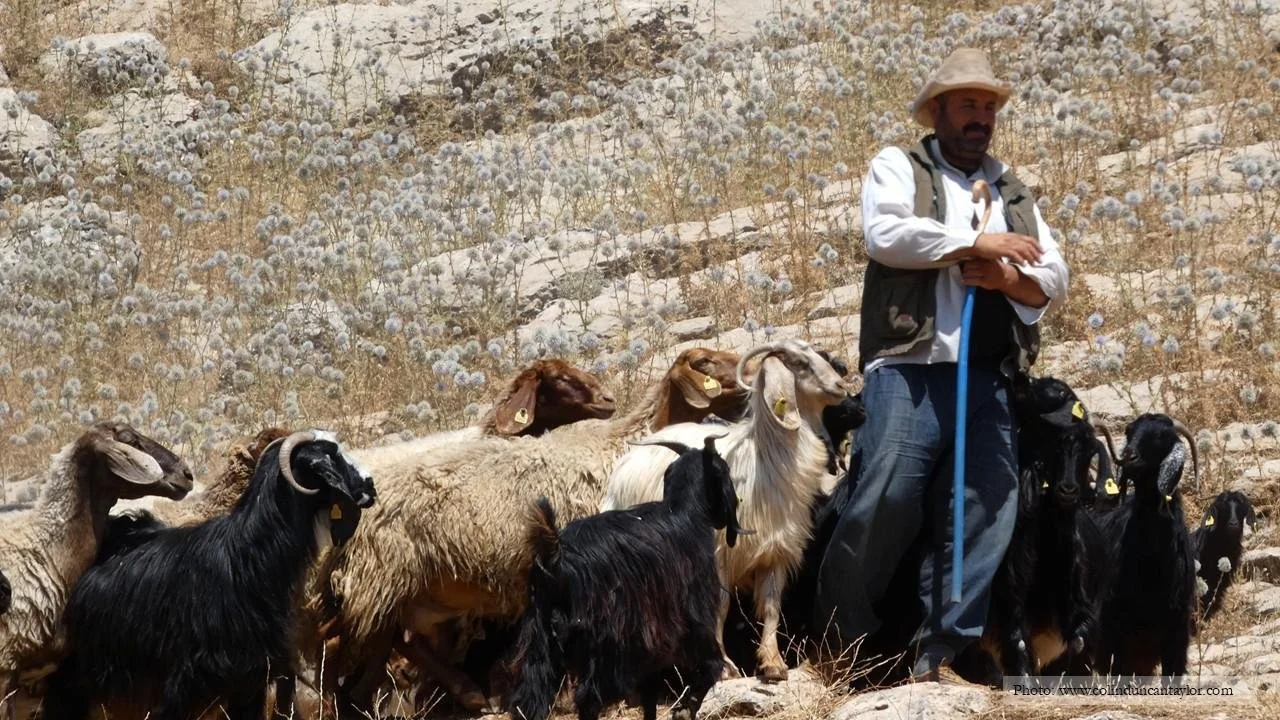
A shepherd guards his flock in eastern Turkey.
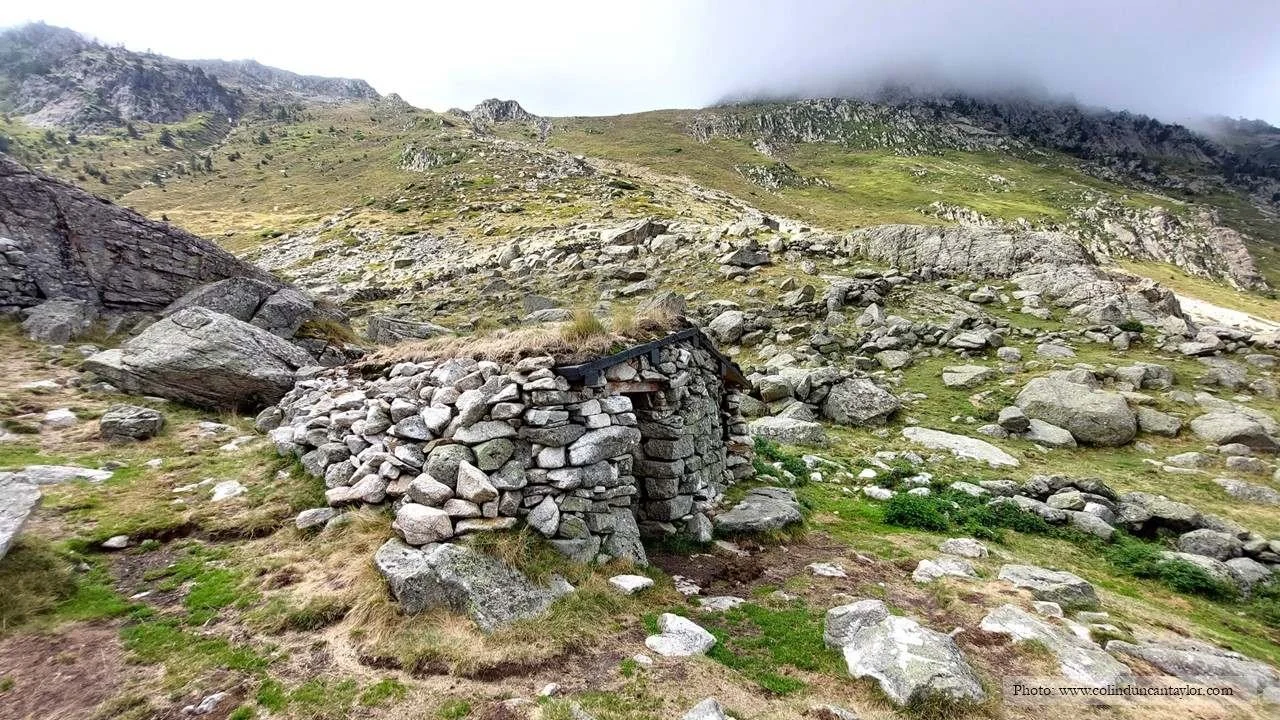
Liantran, used by Pyrenean shepherds for 7,000 years.
One of the oldest high-altitude settlements used by shepherds in the Pyrenees lies in the mountains south-west of Lourdes. Liantran was first surveyed by archaeologists in 2018, and you can read more about it here: LIANTRAN.
WHAT ARE THE BENEFITS OF TRANSHUMANCE?
The practice of moving livestock between defined grazing areas according to the season makes perfect sense in an area like the Pyrenees where high mountains are surrounded by sun-drenched lowlands. In early spring, the valleys are rich with fresh grass while the more elevated pastures are still out of bounds due to snow cover and avalanche risk. By early summer, the lowlands begin to turn dry and dusty whereas the high ground between 1,600 and 2,800 metres is swathed in new grass. That’s when it’s time to take the animals up the mountain, typically cows, horses and sheep.
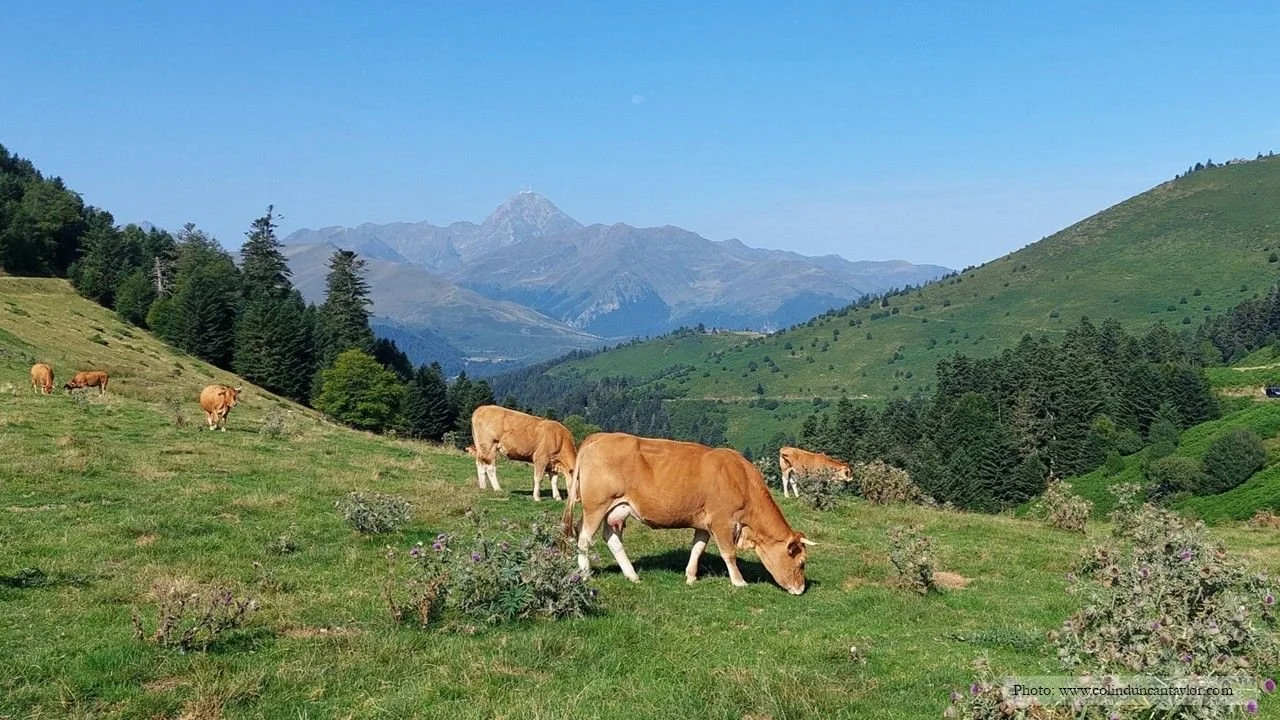
Cows grazing at the Col d’Aspin.
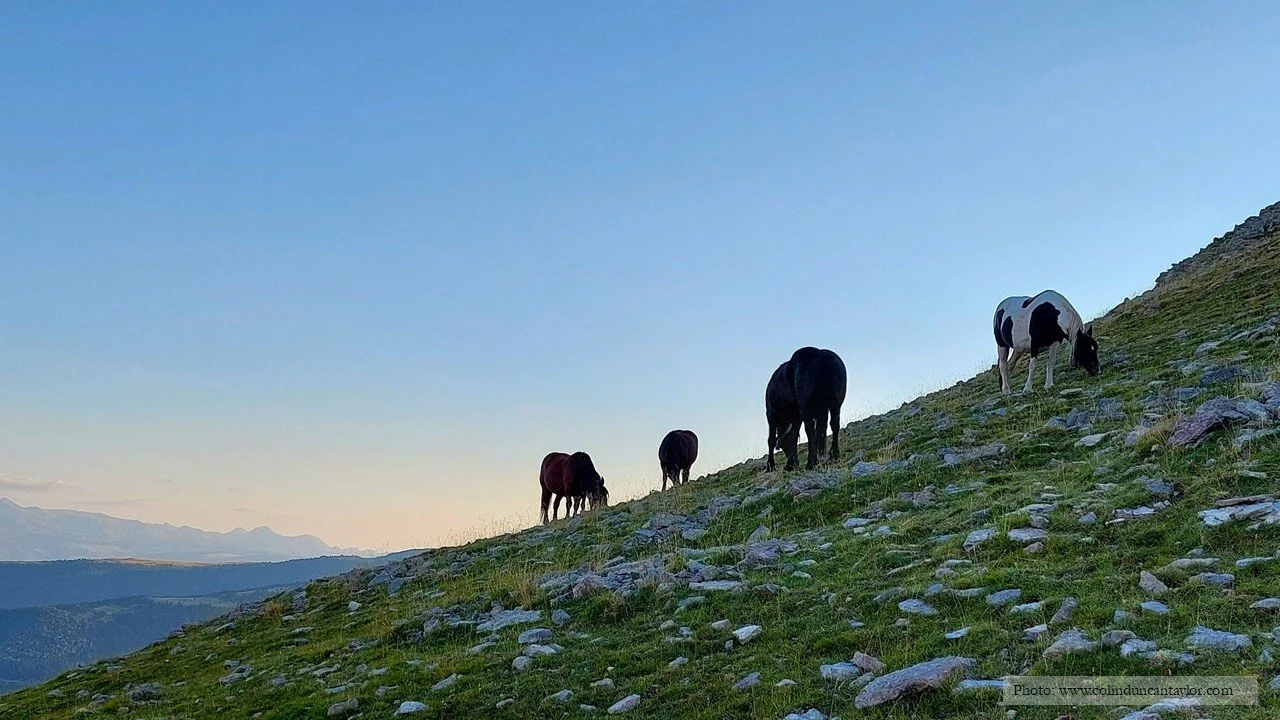
Horses grazing at dawn at the Coll de la Creueta.
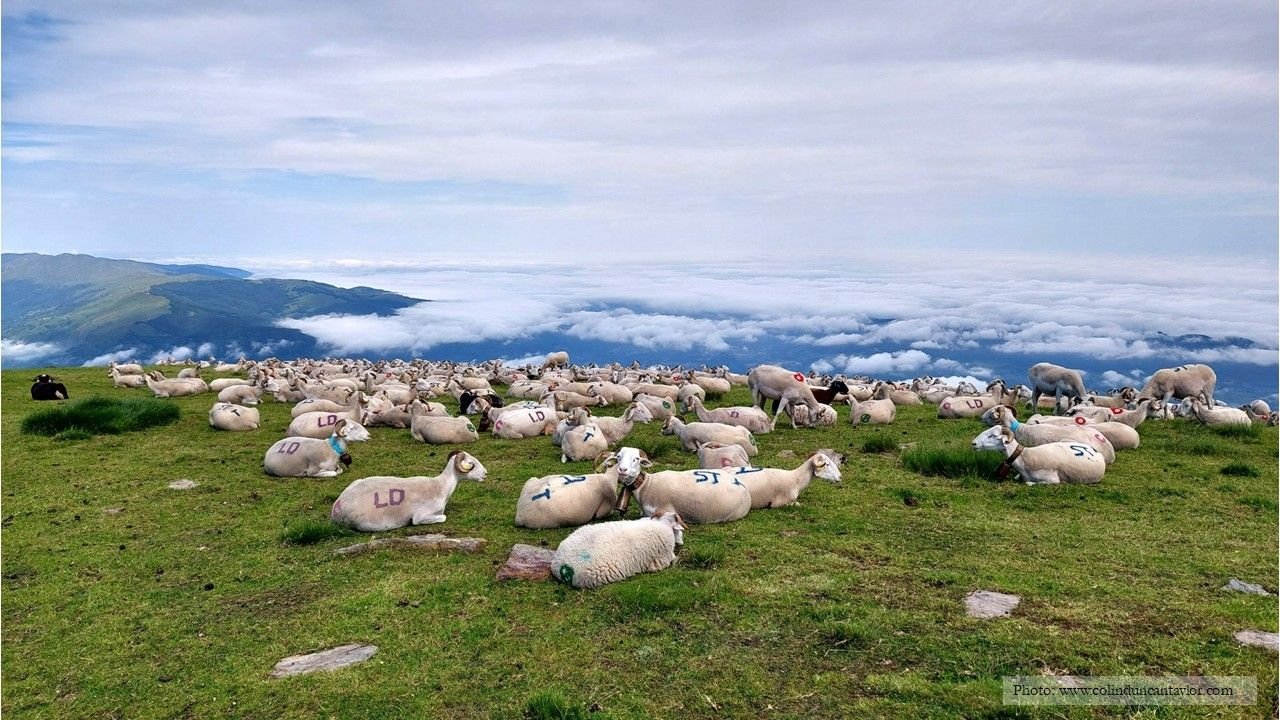
Sheep at the summit of Mont Fourcat.
During June, July and August, these high mountain pastures are comparatively cool and well-watered with plenty of food for the animals. But come September, and nights at altitude turn cold and grass stops growing, whereas down in the valleys and on the plains there may be a period of autumn growth. That’s when the animals come down the mountain. On the French side of the Pyrenees, that will usually be in early September, whereas Spanish livestock enjoy an extra month of mountain air.
BREATHING NEW LIFE INTO AN ANCIENT PRACTICE
Since the 1990s there have been initiatives on both sides of the Pyrenees to breathe new life into this ancient practice. In Spain in 1995, the entire network of livestock trails was given legal protection – that’s a total of 125,000 kilometres of tracks – and this has made it easier for shepherds to return to the traditional ways.
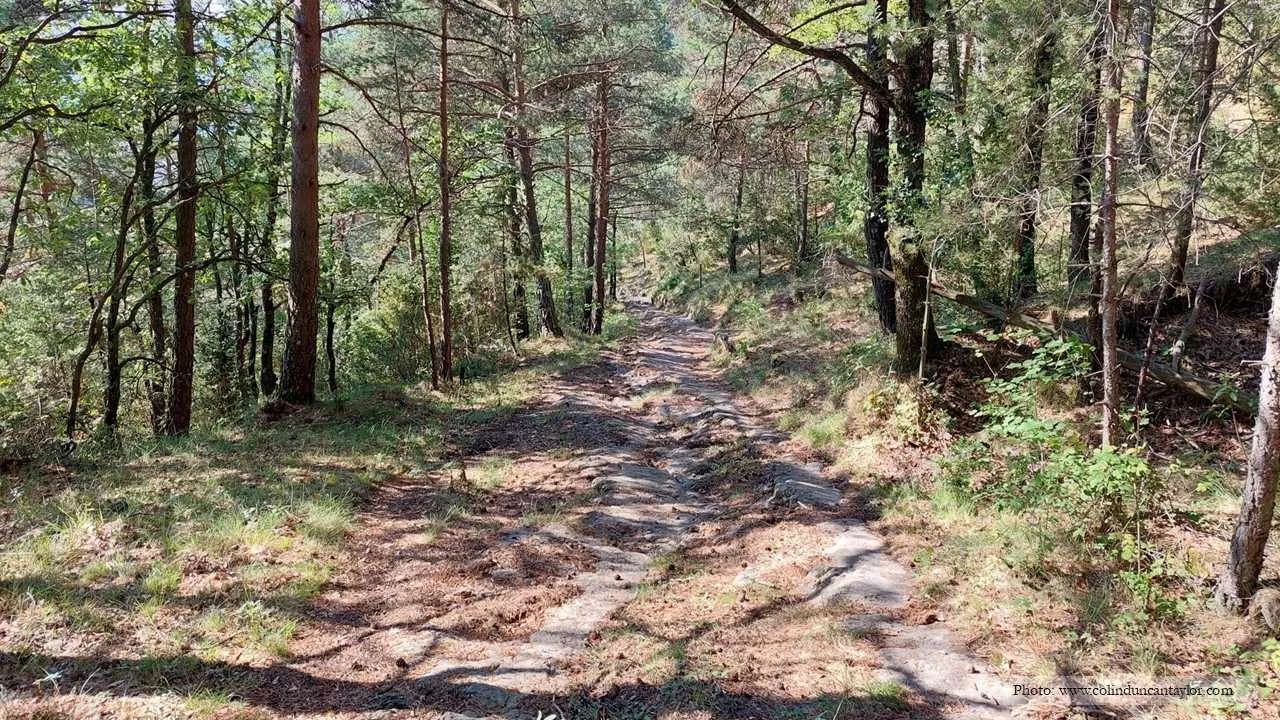
Spain has 125,000 km of livestock trails, all legally protected.
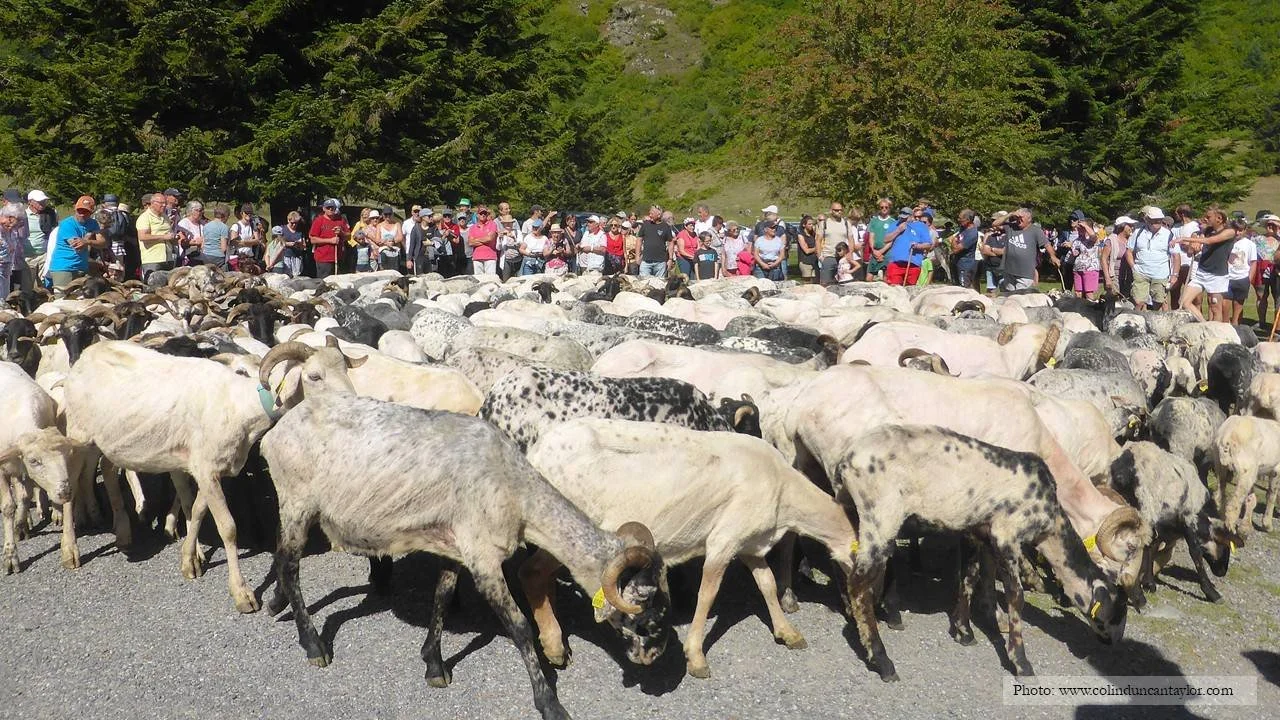
A flock of sheep on Day 1 of their 340-km walk home from the French Pyrenees.
In France, the situation is more complicated, but there is one family that takes its flock on a 340-km walk home every autumn. You can read their story here: THE LONG WALK HOME.
Today, transhumance is a peaceful practice, but its history includes bloody conflicts between warring shepherds and confrontations with marauding bears. Only when it had almost died out did people begin to realise the role migrating livestock have played in shaping the Pyrenean environment, and the role these animals can still play today. If you would like to discover more about those aspects of transhumance, you might like to read my book The Pyrenees: A Human History.
