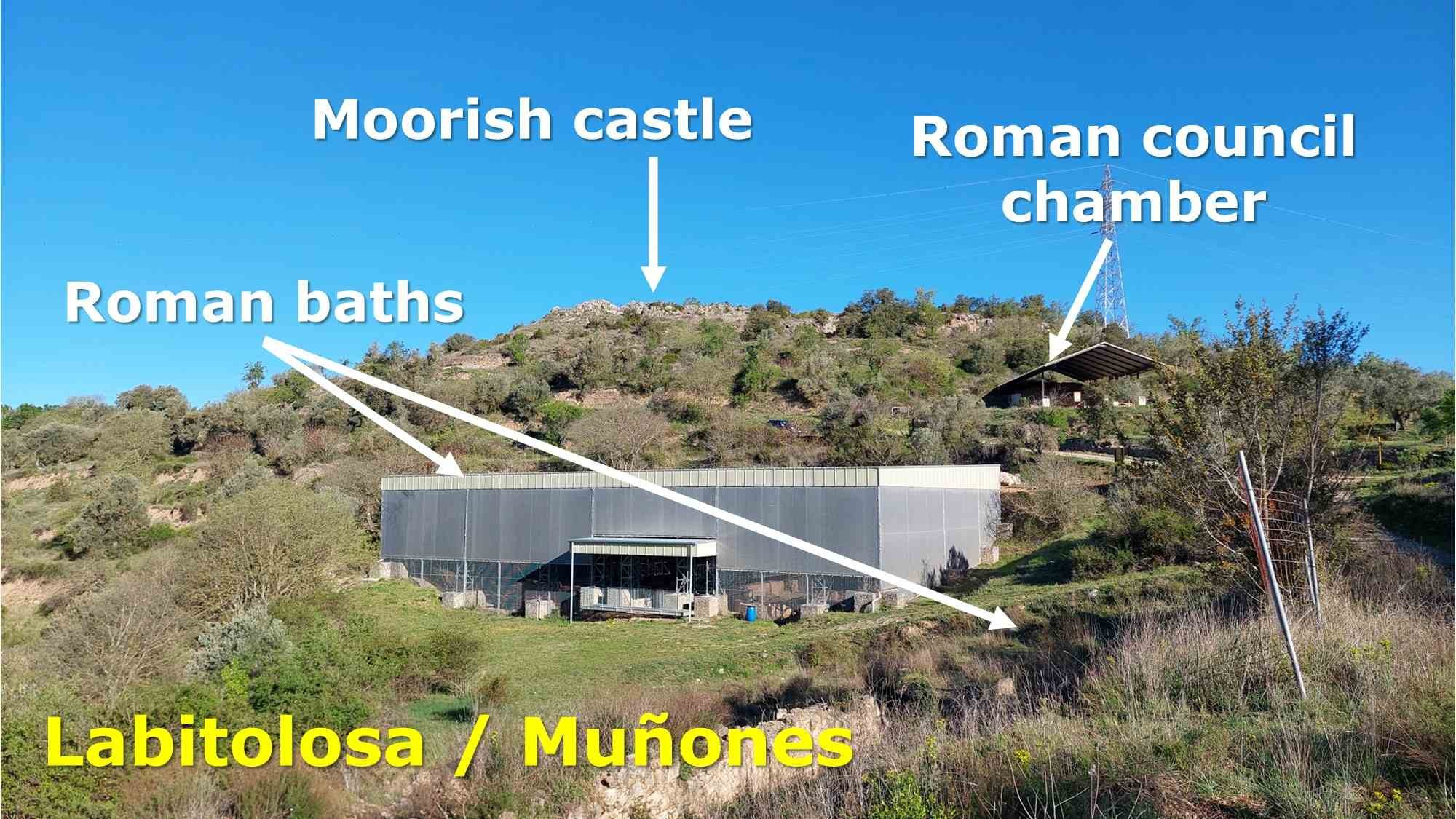
The Roman city of Labitolosa was discovered in 1991. Since the 16th century, historians had known it was somewhere in the Spanish Pyrenees thanks to a Latin inscription.
This inscription had been discovered near the village of La Puebla de Castro in the province of Huesca, and it mentions a certain Marcus Clodius Flaccus who was a citizen of Labitolosa. No one had ever tried to pinpoint the ancient city’s position until 1991 when the universities of Bordeaux and Zaragoza put together a joint team and started digging.
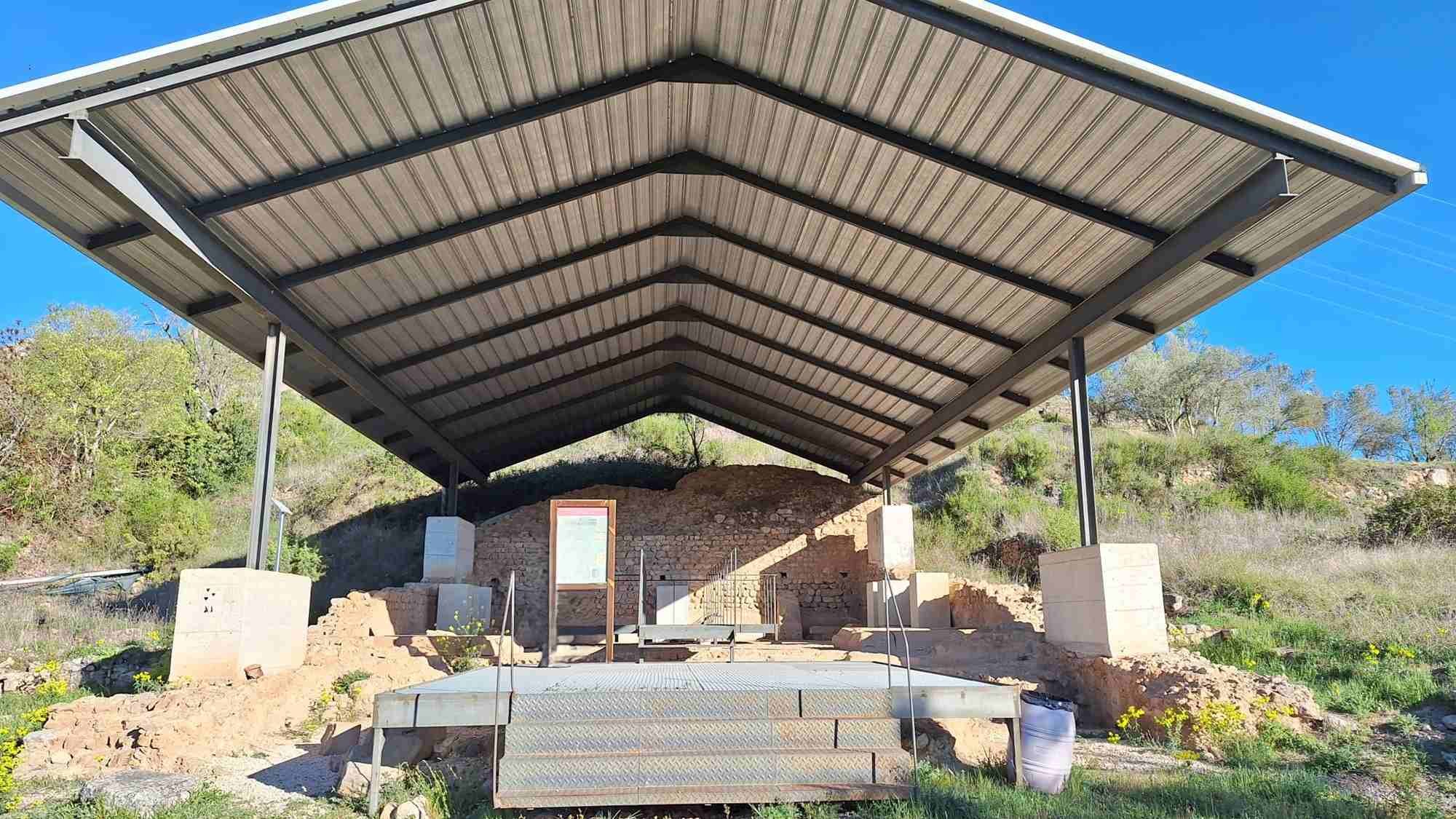
The curia, or council chamber, under its protective roof
FINE PUBLIC BUILDINGS AND A RICH EPIGRAPHY
After several seasons of excavations, their discoveries include the city council chamber and two sets of thermal baths. There were also many more inscriptions, including three that mention Marcus Clodius Flaccus, a man who must have been one of Labitolosa’s leading citizens at the start of the 2nd century CE. Among other things, he was a cavalryman, a magistrate and one of the city’s great benefactors. The archaeologists were also able to determine that Labitolosa was founded a couple of centuries earlier during the reign of Emperor Augustus.
Labitolosa can justifiably claim to be the best-preserved example of a Roman city in the Pyrenees, helped by the fact that the site was abandoned towards the end of the second century CE and never reoccupied. Today, shiny roofs of sheet metal protect the most important excavations from extremes of weather. The site is open to all at any time, but if you manage to find your way here, you will almost certainly enjoy solitude among the ruins and peace beneath the almond and olive trees on the surrounding terraces.
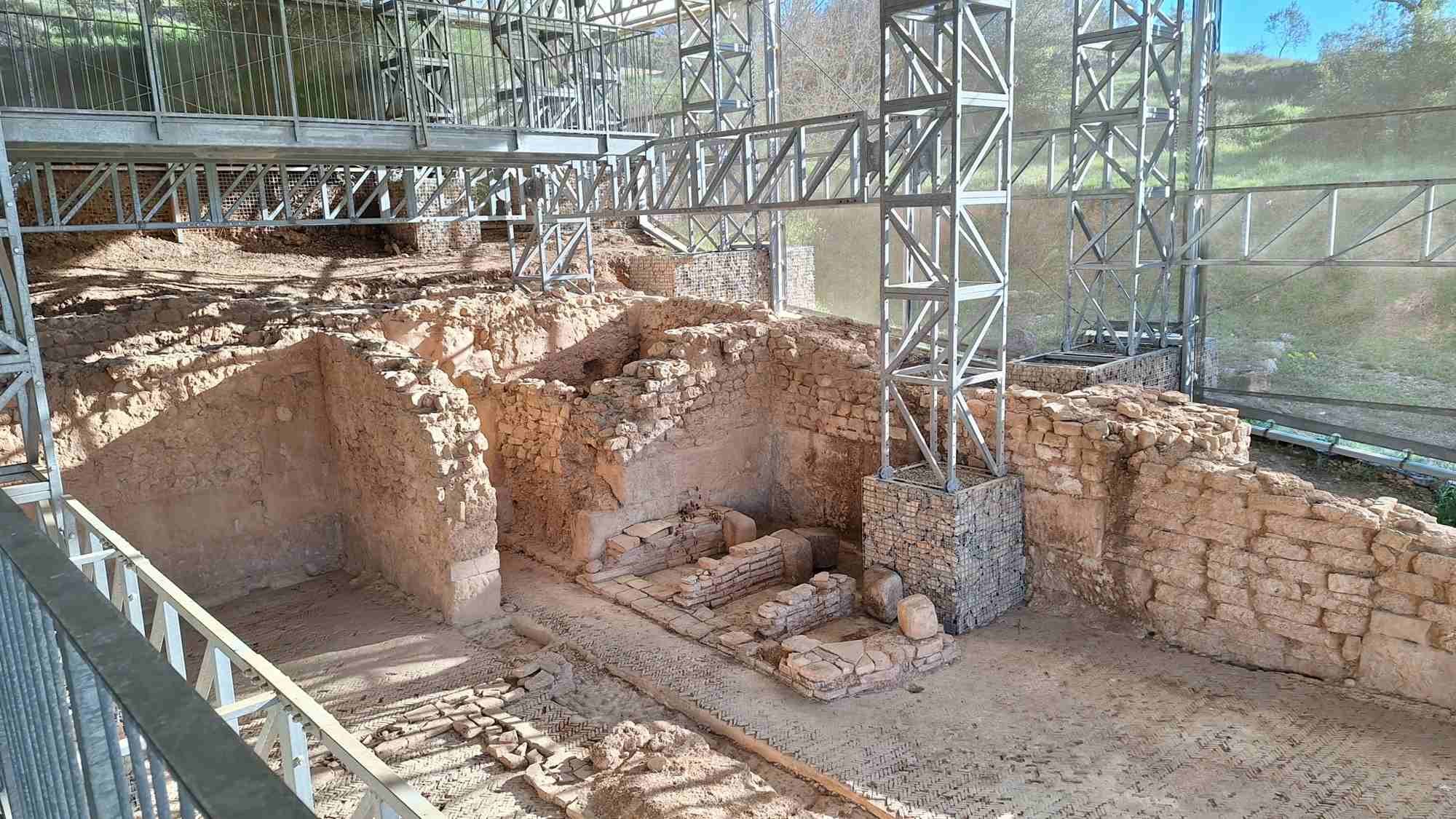
The frigidarium (cold water room)
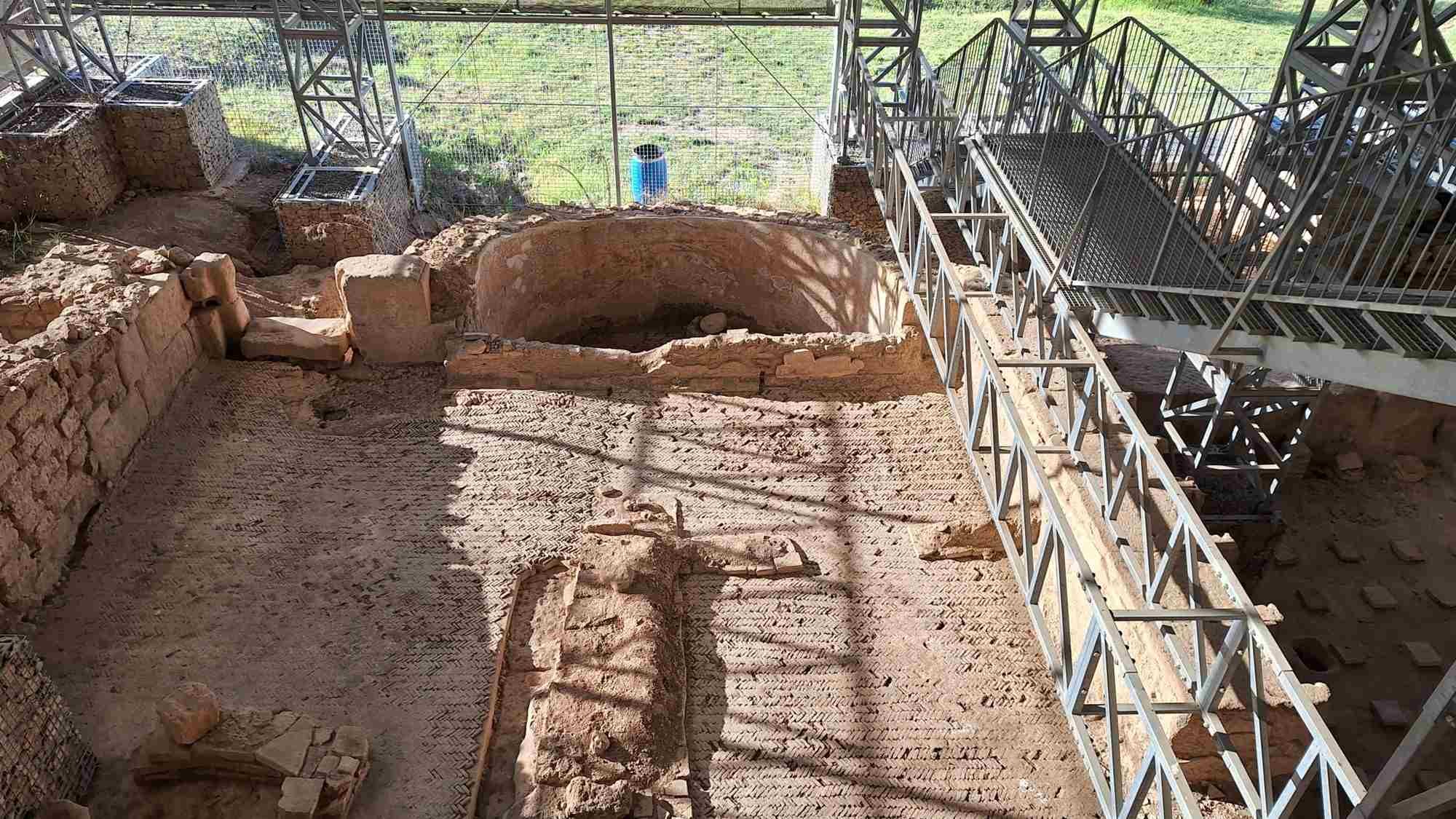
The tepidarium (warm water room)
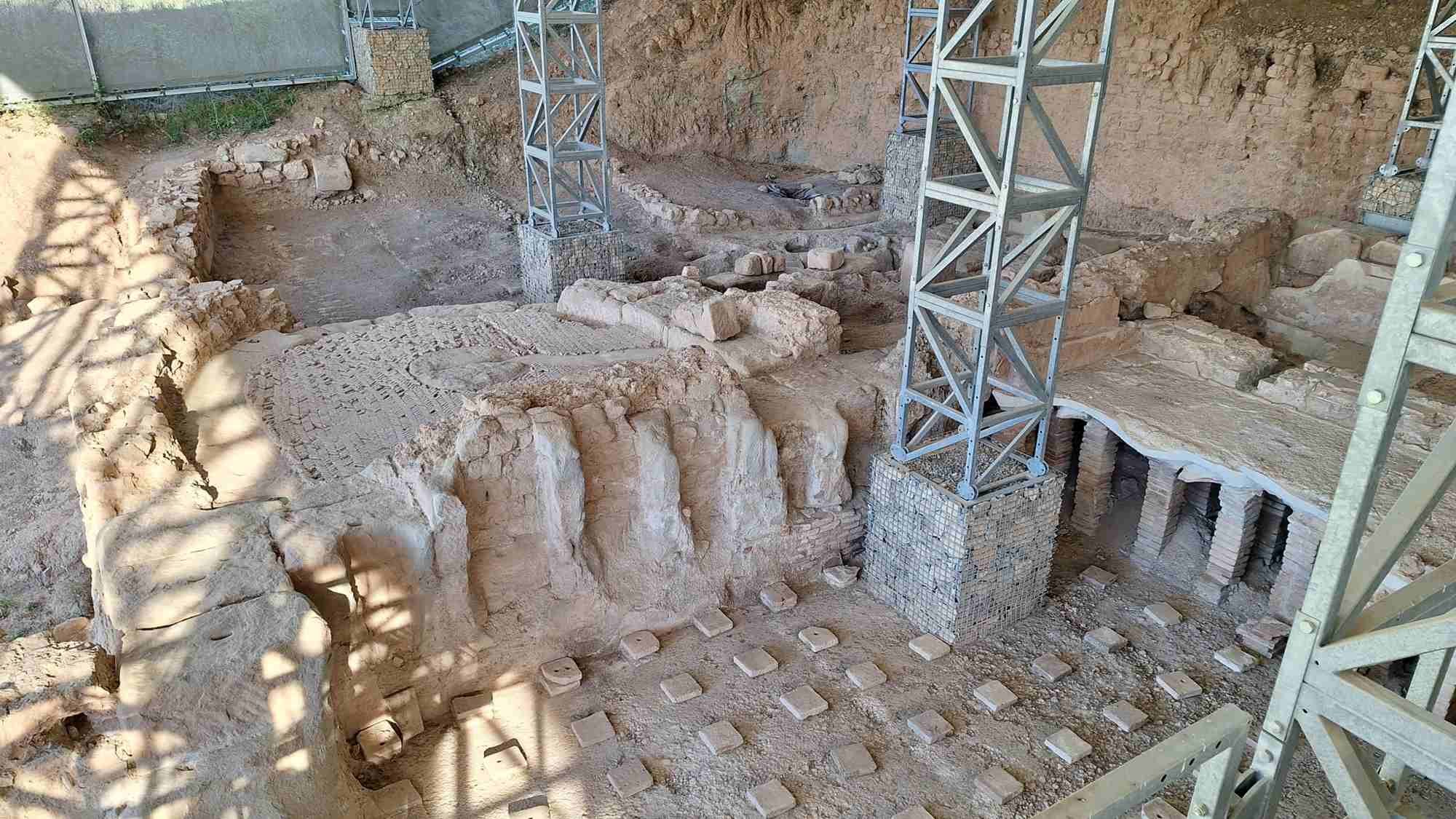
The caldarium (hot water room)
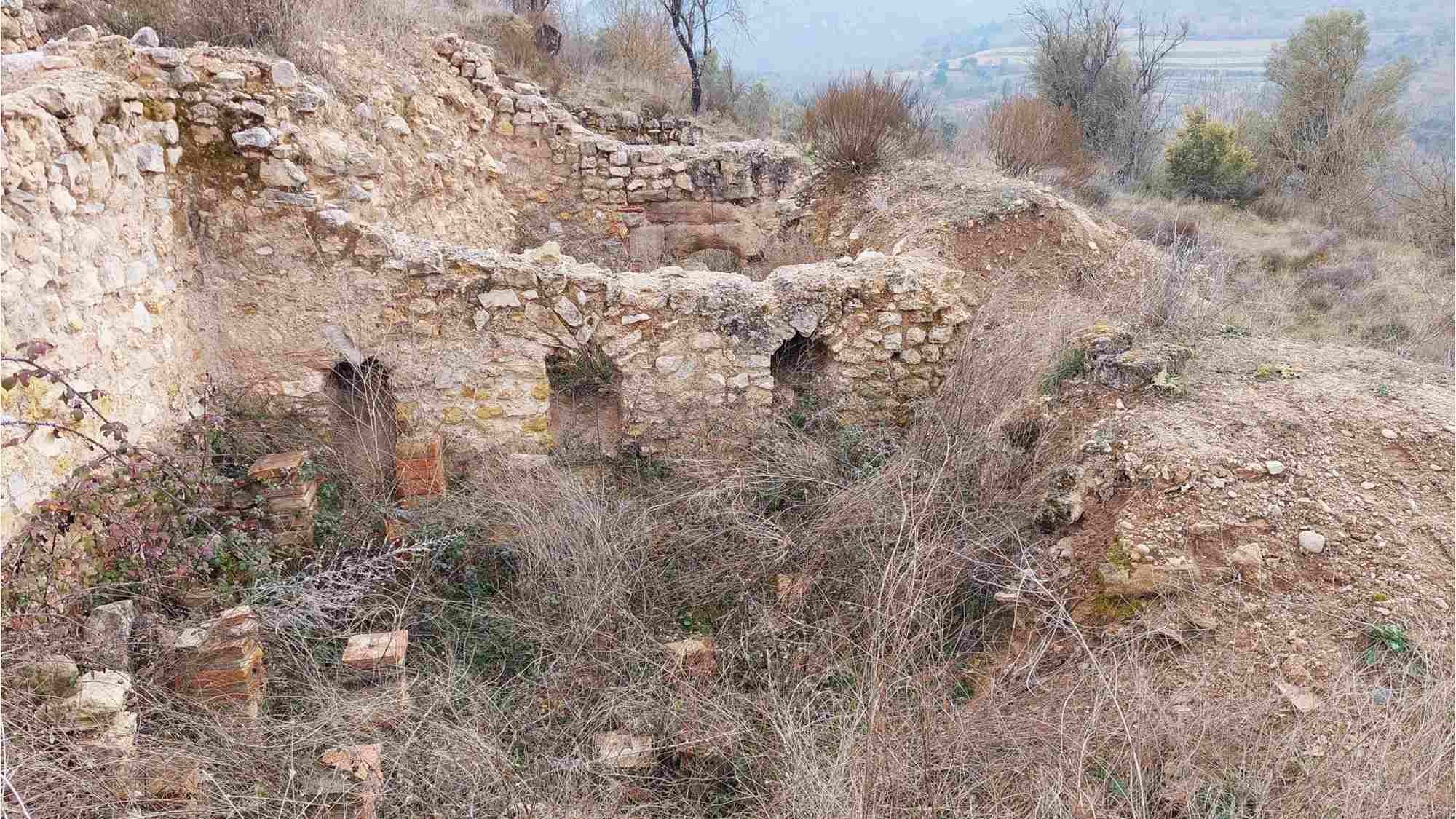
The second bath complex is slightly younger and less-well-preserved
The highlight of any visit is the older of the two baths, dating from the first half of the 1st century CE. The remains of the second and slightly younger baths lie a few paces to the south and were not deemed significant enough to warrant a metal roof.
A FORTRESS BUILT BY THE MOORS
Far less impressive, but historically as important, are the faint ruins of a fortress built in the mid-8th century by the Moors on the hill behind the Roman council chamber. Again, historians had long known its name – Muñones – thanks to Arabic and Latin texts.
Muñones was one of a line of castles in this part of the Pyrenees that guarded the northern frontier of Al-Andalus. To the north lay the Christian lands, and in 1079, the King of Aragon gained control of Muñones. Contemporary sources suggest this was achieved by bribing traitors inside the castle.
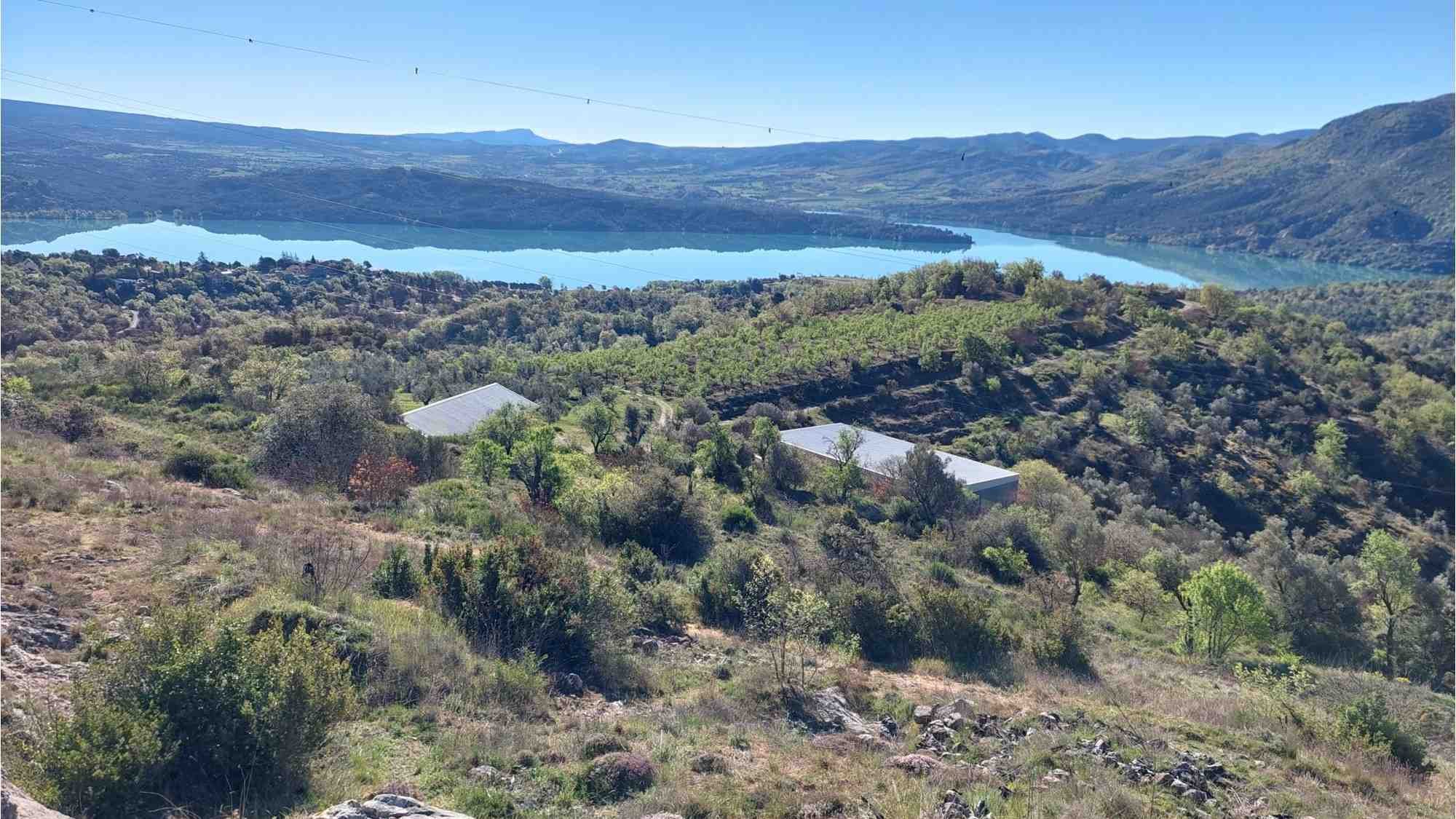
In the foreground, traces of the foundations of Muñones. Below them, the protective roofs of Labitolosa, and behind, the reservoir of Barasona.
The location of Muñones was discovered when excavations began in 2003 atop the hill of Cerro del Calvario. The faint traces of foundations will disappoint anyone other than a dedicated archaeologist, but the view from the top of the hill in all directions makes the climb worthwhile.
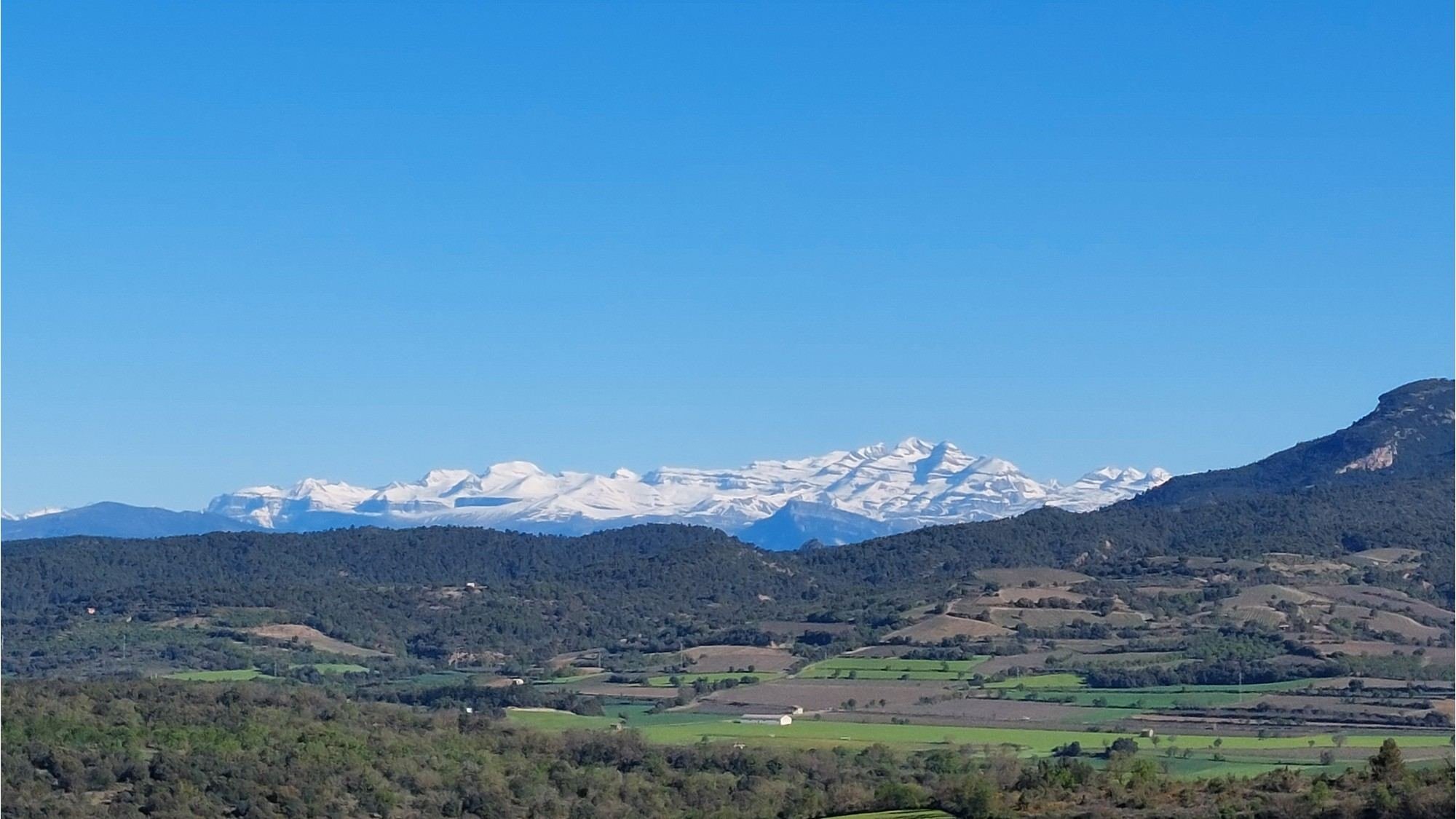
Looking north from the top of Cerro del Calvario towards Monte Perdido.
