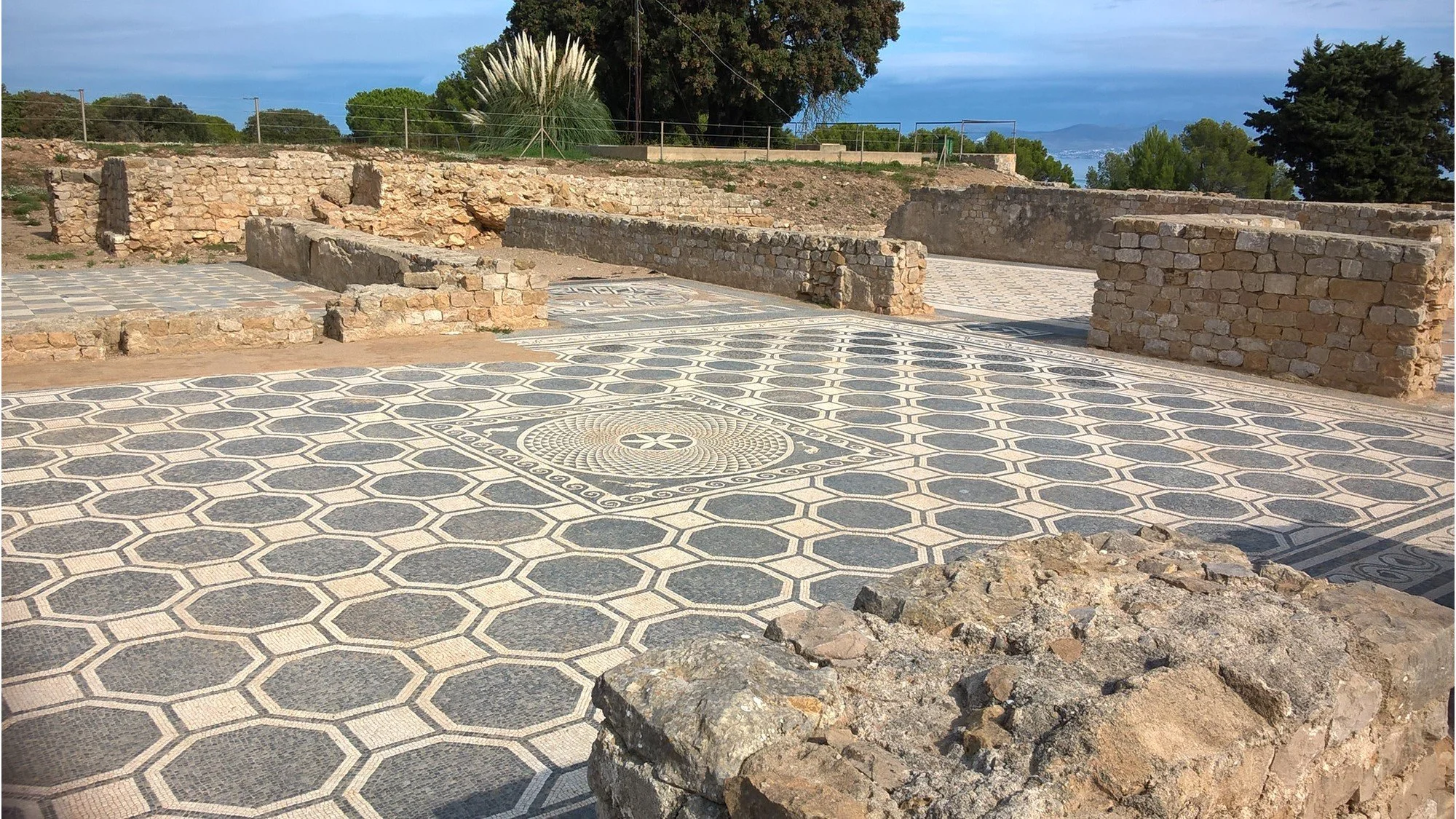
The Greek colony of Emporion was founded on the Costa Brava in the 6th century BCE
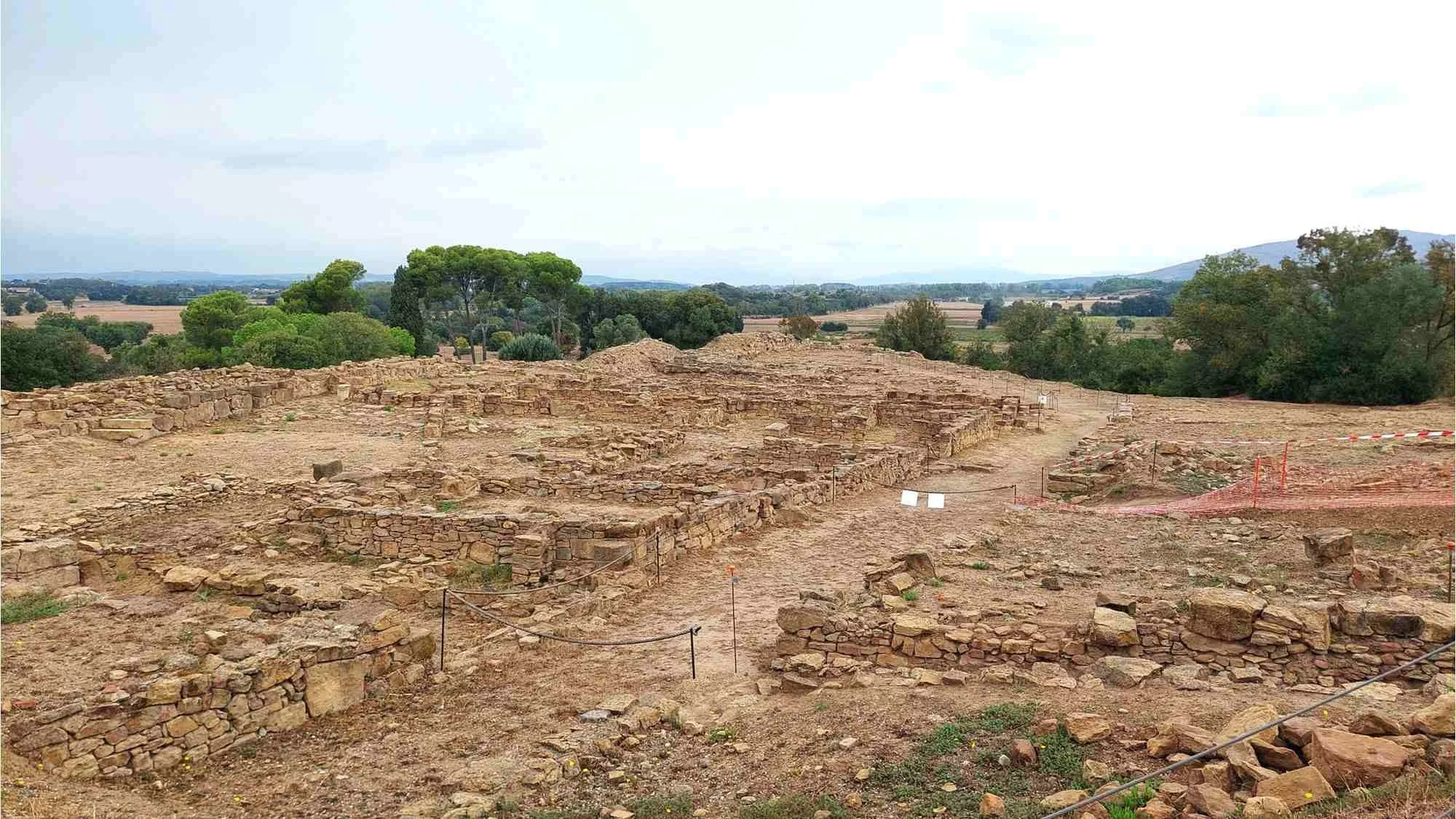
The Indigetes founded their capital of Ullastret in the 6th century BCE
In 218 BCE, Hannibal crossed the Pyrenees with an army comprising 50,000 infantry, 9,000 cavalry and 37 elephants. As he continued northwards towards the Alps, a fleet of 60 Roman galleys landed an army at Emporion on the Costa Brava. The arrival of these 20,000 infantry and 2,200 cavalry marked the beginning of the Roman conquest of the Iberian Peninsula and the Pyrenees, a process that would proceed in fits and starts over the next two centuries.
GREEK COLONISTS
The Romans were not the first colonists to settle on these shores. The Greeks had founded their colony of Emporion in the sixth century BCE, and a century later, had added other colonies at Cap d’Agde and Collioure in France, and Roses in Spain. Although these are not strictly in the Pyrenees, trade between them traversed the mountains and began to affect the Iberian tribes living there.
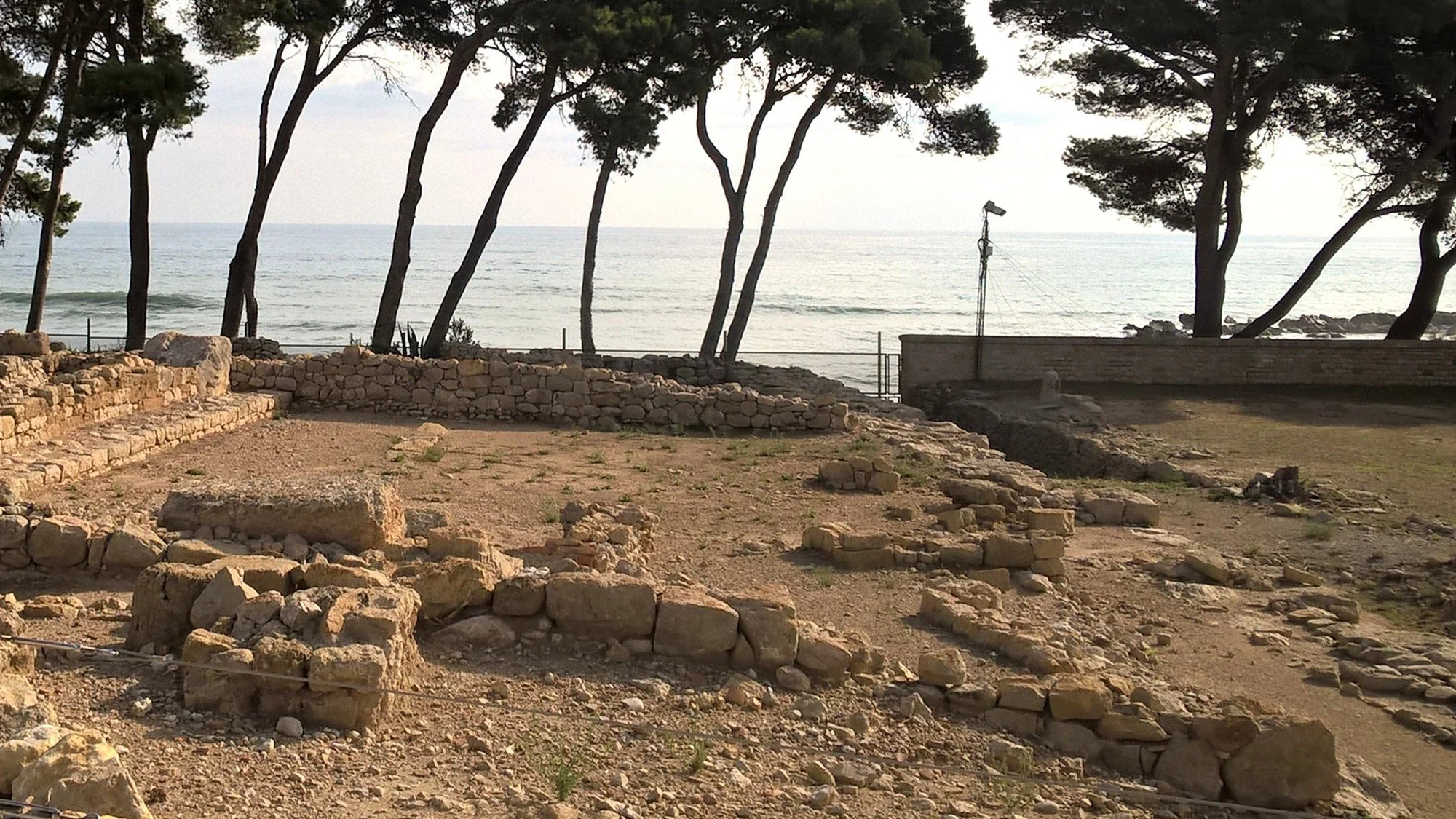
Today, Emporion sits beside the sea on the Costa Brava. Originally it stood on a small island in a river which has since shifted its course several kilometres to the north
Today, Emporion is known as Empúries in Catalan or Ampurias in Spanish, but its original name means ‘trading post’, and the prime purpose of colonies like these was to engage in commercial exchange with the locals. The main attractions for the Greeks were metals and minerals, and several writers of Antiquity laud the riches that could be mined or quarried in many parts of Spain and the Pyrenees. In exchange for these valuable raw materials, the colonists traded goods such as pottery and probably oil and wine.
Compared with the Romanisation that would follow, the relationship between the Greeks and the indigenous tribes appears to have been more about cooperation than conquest. Writing sometime around the birth of Christ, the Greek historian Strabo tells us that when his countrymen began building Emporion, the Indigetes asked to join them inside the city walls for the sake of safety, but wishing to retain their independence, the two communities were at first divided by an internal wall.
CITY-BUILDING IBERIAN TRIBES
Strabo’s anecdote might create the false impression that Iberian tribes like the Indigetes were primitive peoples with little experience of urban living. But 15 kilometres south of Emporion stood a veritable city that was nearly four centuries old when the Romans landed their first troops. Ullastret was the capital of the Indigetes, and it was a walled town on a hill complete with watchtowers, stone houses, water cisterns, silos, paved streets and at least one temple. The flat land between this hill and the Daró river was flooded to create a lake, and on an island in the middle stood a second part of the city covering another 5 hectares and protected by its own walls.
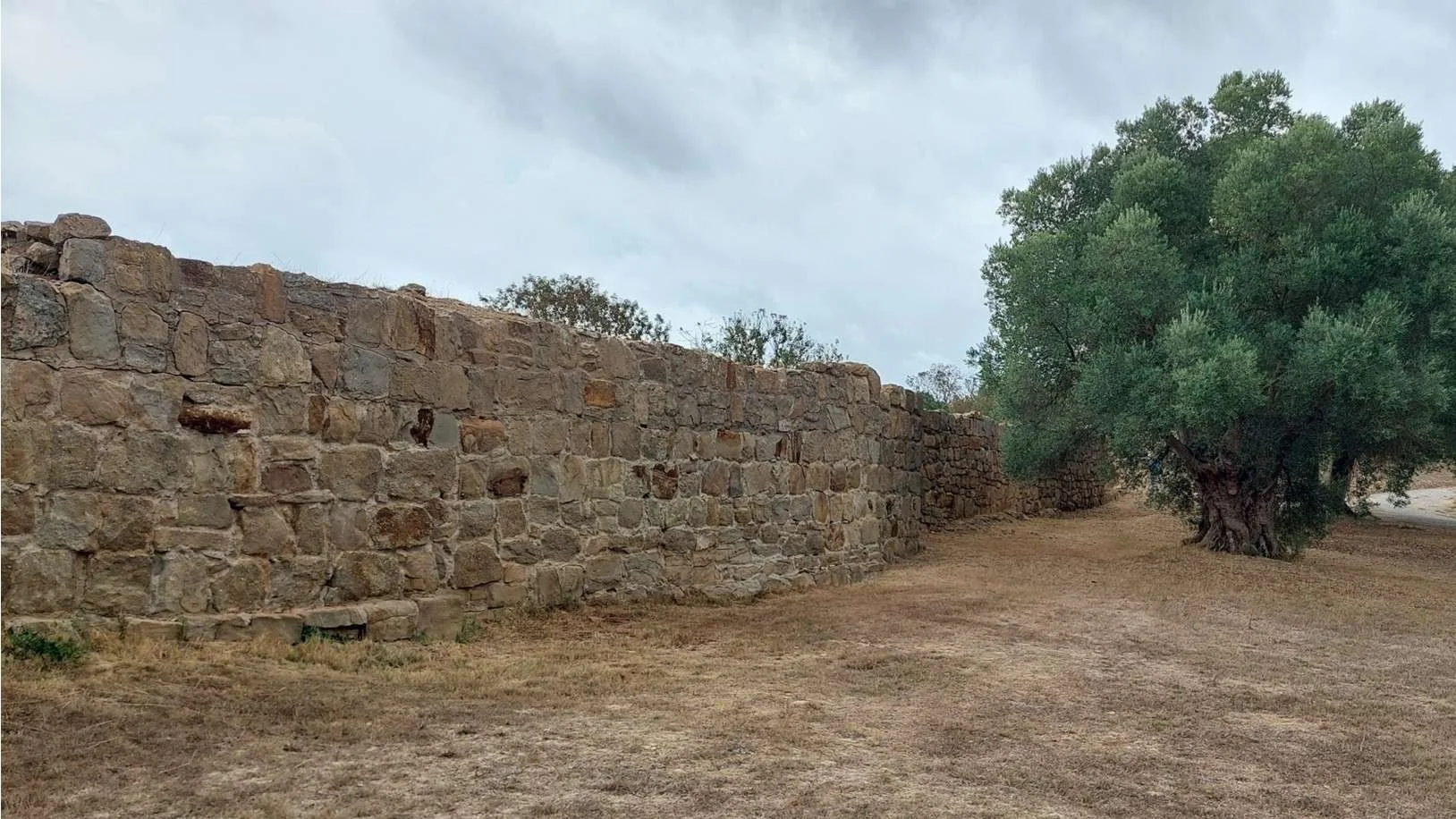
Ullastret was protected by walls and watchtowers
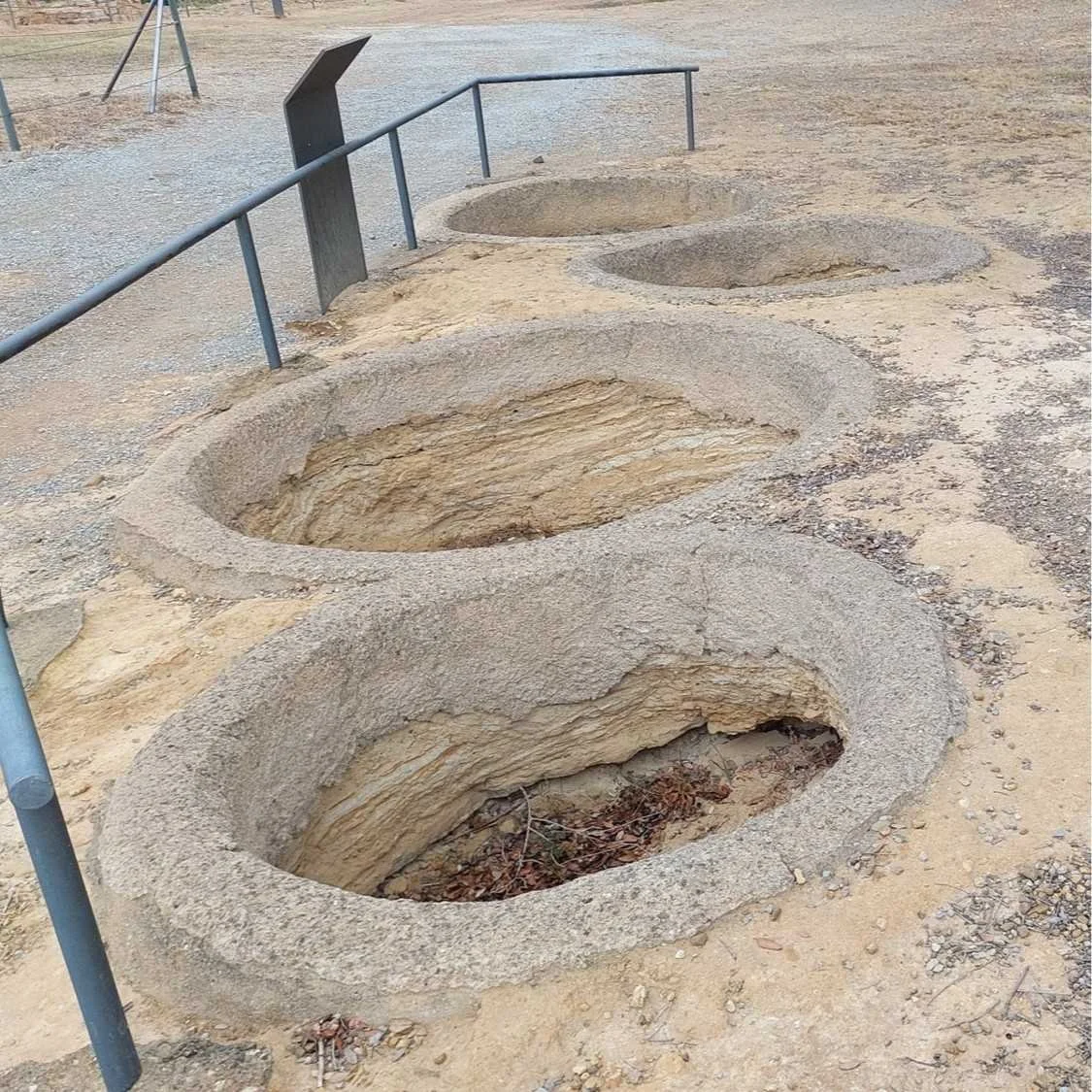
Storage silos improved food security
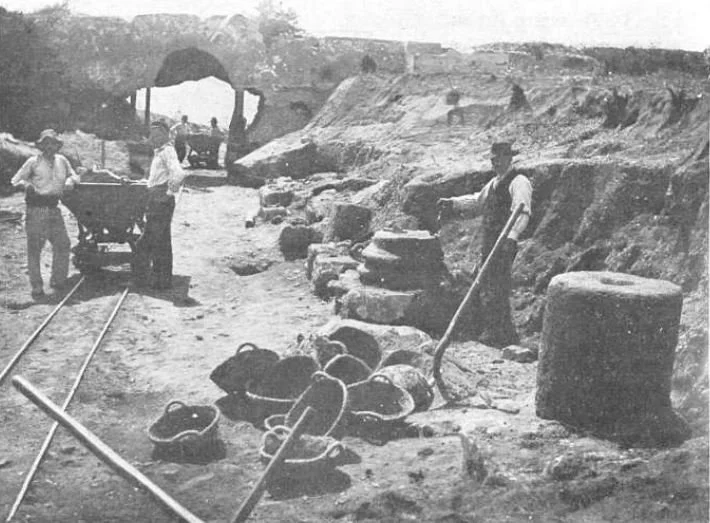
Official excavations began at Emporion in 1908
Official excavations began at Emporion in 1908, at Ullastret in 1947, and work is ongoing at both sites. Today, the archaeological museums and ruins of Emporion and Ullastret provide an exceptional introduction to pre-Roman Iberian culture.
READ MORE about how storage silos like those found at Ullastret improved food security in ancient times: SILOS: AN ANCIENT SURVIVAL STRATEGY
READ ABOUT the settlement of Ensérune, founded around 575 BCE by a Celtic people called the Elisyces near Béziers: BEST EXAMPLE OF AN OPPIDUM IN THE SOUTH OF FRANCE
