Around 7,000 years ago, the first farmers arrived in the Pyrenees and began to sow their seeds and graze their livestock in the mountains. Recently discovered evidence from a Spanish cave shows they were not always welcomed by the indigenous hunter-gatherer population.
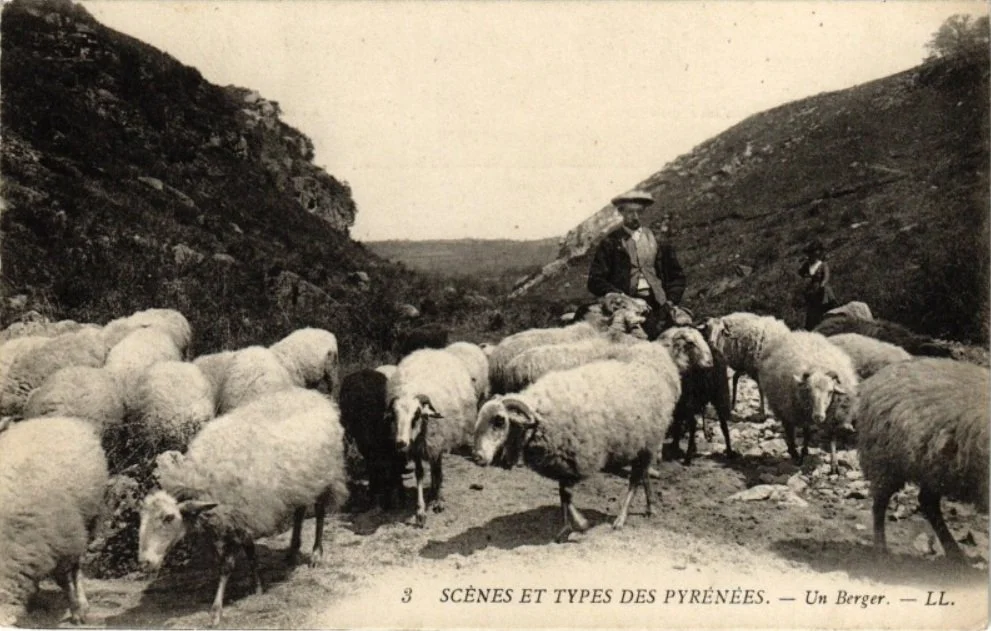
The first farmers reached the Pyrenees around 7,000 years ago. Many aspects of their way of life barely changed until the 1960s.
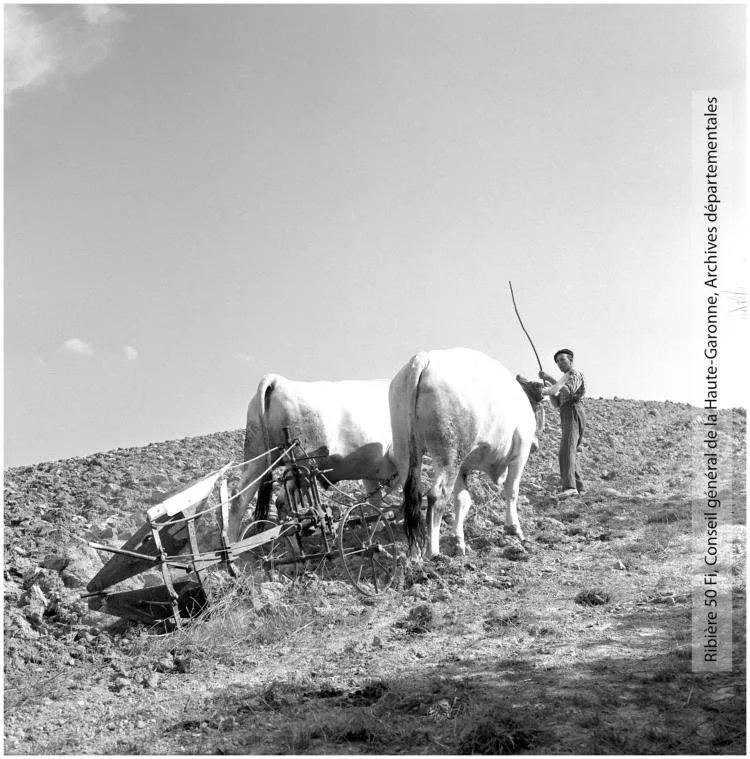
THE SPREAD OF FARMING
This new way of life began in the Middle East around 10,000 BCE and took 4,000 years or so to reach the Pyrenees. Some of these early agro-pastoralists travelled around the northern shore of the Mediterranean, across the Pyrenees and into the Iberian Peninsula, but a 2017 genetic study showed that others reached the Pyrenees via the north coast of Africa and the Strait of Gibraltar.
SHOT WITH ARROWS, BEATEN WITH CLUBS
In 2020, Spanish archaeologists revealed a gruesome discovery they had made in a Pyrenean cave 20 kilometres south of the highest peak, the Aneto. Seven thousand years ago, a group of five adults and four children had been shot in the head at close range by arrows. Wounded or dead, the victims were dragged inside the cave and beaten with such ferocity, one of the researchers described it as a second execution. These shattered bones provide the oldest physical evidence of armed conflict in Europe.
The murderers left no clues to their identities or their motives. As for the victims, genetic analysis suggests they were among the first wave of Neolithic migrants who introduced farming and animal husbandry to the Pyrenees. The group had an unusual age profile: the four children were aged between three and seven, and most of the adults were between thirty and fifty. This absence of infants, adolescents and younger adults led the archaeologists to suggest the victims had taken their animals up into the mountains to find summer pastures while other members of their group remained in the lowlands and cultivated crops. The victims had probably intended to spend the whole summer around the cave of Els Trocs, located on a plateau at an altitude of 1,500 metres and ringed by lofty peaks capped with snow for much of the year.
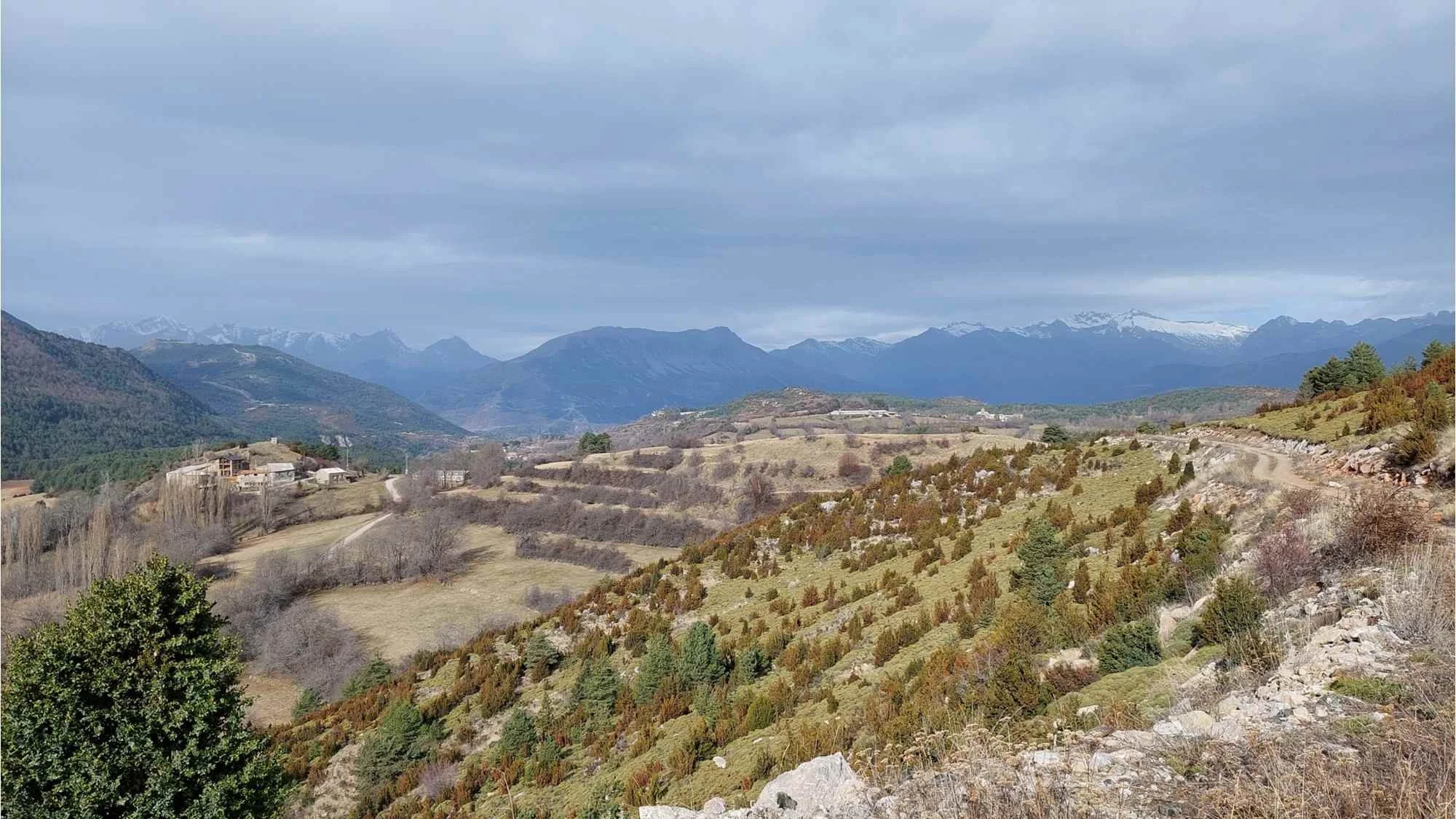
Els Trocs is located on a plateau at an altitude of 1,500 metres ringed by lofty peaks.
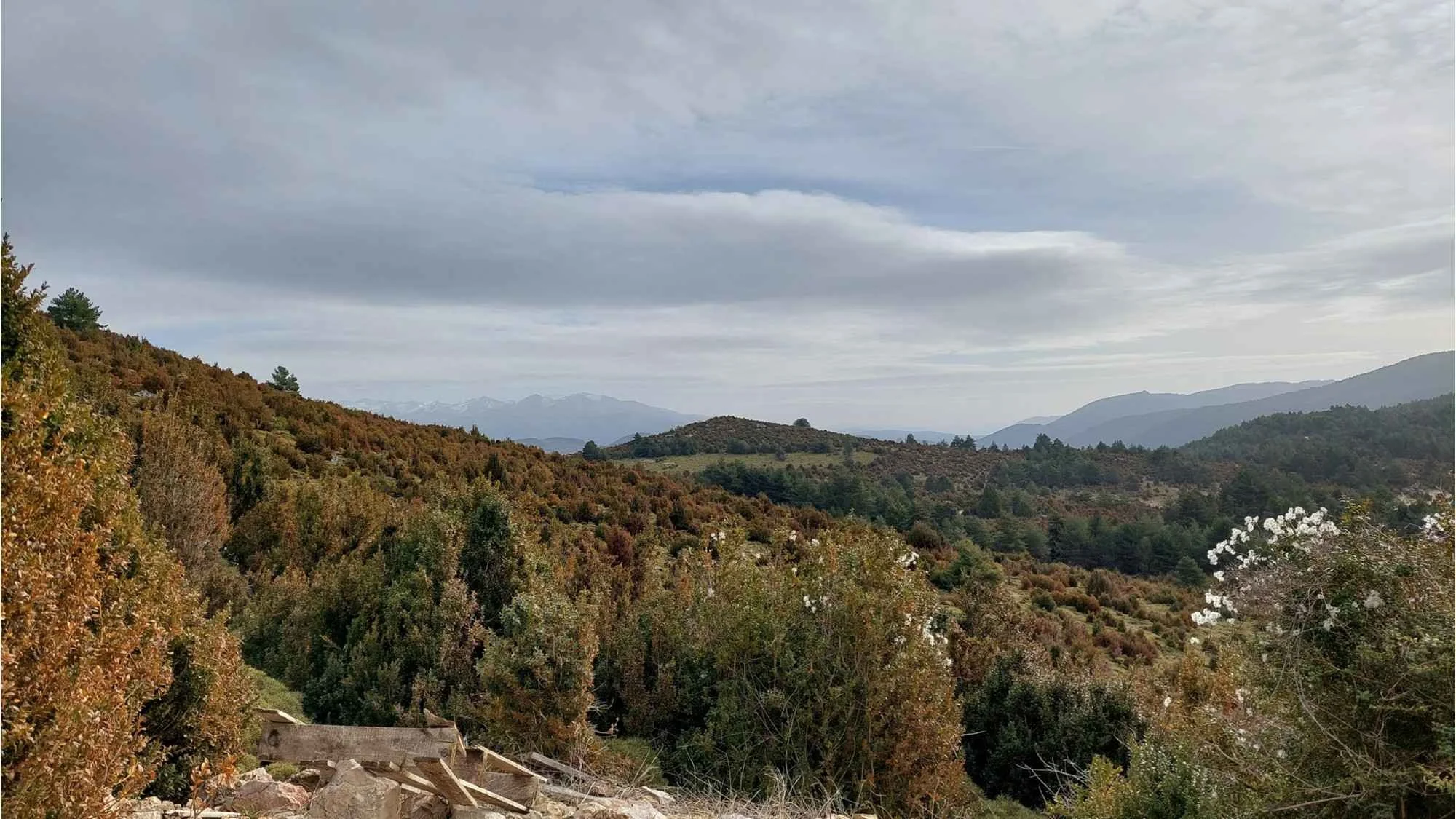
Today, the land around this cave has been reclaimed by scrub. A century ago, it would have been pasture.
SHELTER FROM THE STORM OR MIDDAY SUN
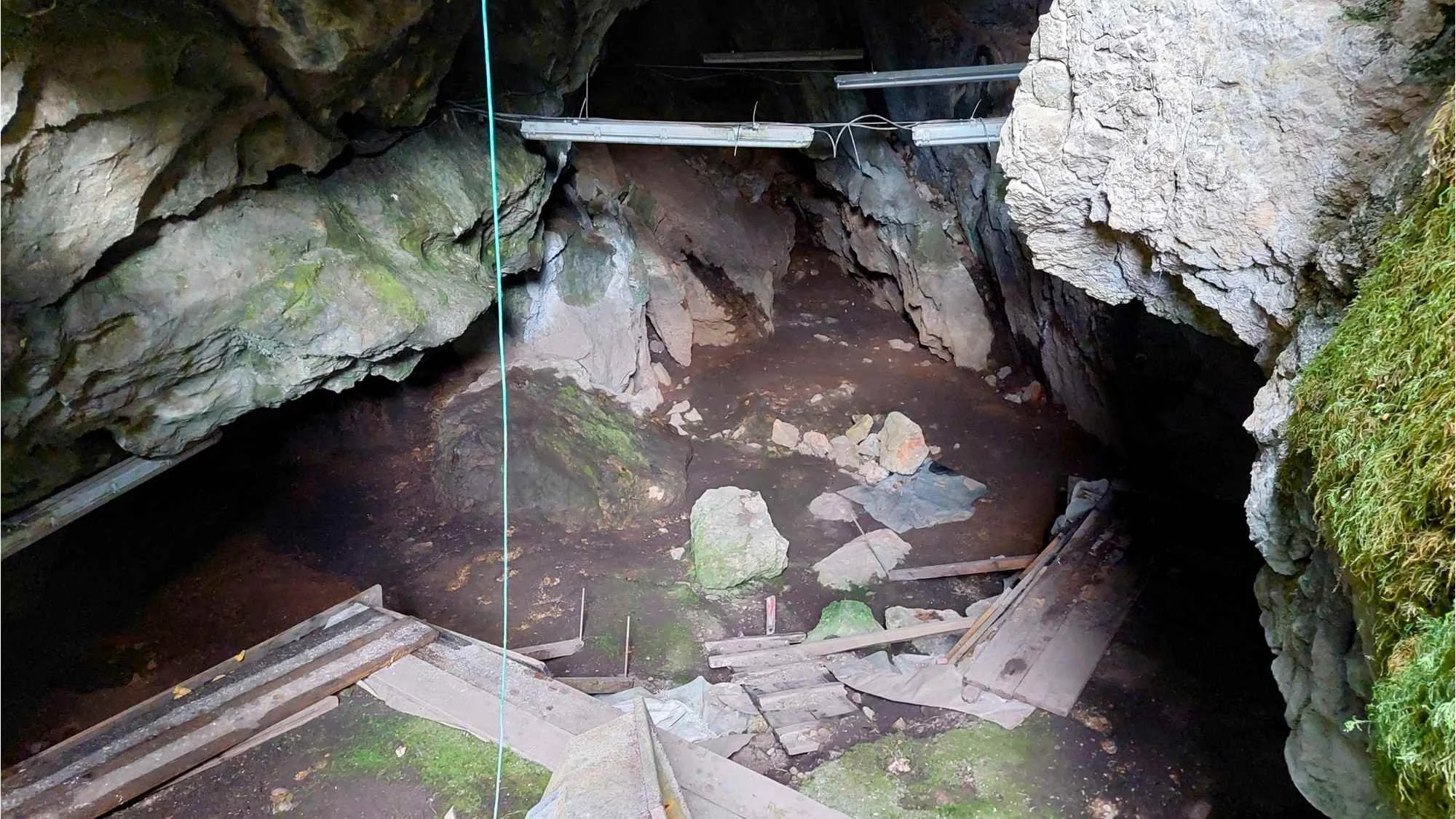
Cueva de Els Trocs is a dingy hole in the ground.
Compared with the vast cave systems and monumental porches of the Ariège, the Cueva de Els Trocs is a dingy hole in the ground on a nondescript hillside a few kilometres from the hamlet of Sant Feliu de Veri. The rails of an inclined mechanical hoist descend from a pile of recently excavated scree towards a gated entrance the size of a patio door. Inside, the walls are green with lichen and the earth floor oozes moisture, but a string of neon lights, random lengths of timber and a small metal wagon that carries excavated soil up to the surface are a reminder that the archaeologists resume their excavations every summer.
However uninviting Els Trocs may seem for much of the year, in the height of summer it would have provided the murder victims with a convenient shelter from the midday sun or a violent storm. At other times, they are more likely to have lived outside with their livestock, and that is probably where they were hit by the arrows of their attackers.
COMMON AND TIMELESS CAUSES OF DISPUTES
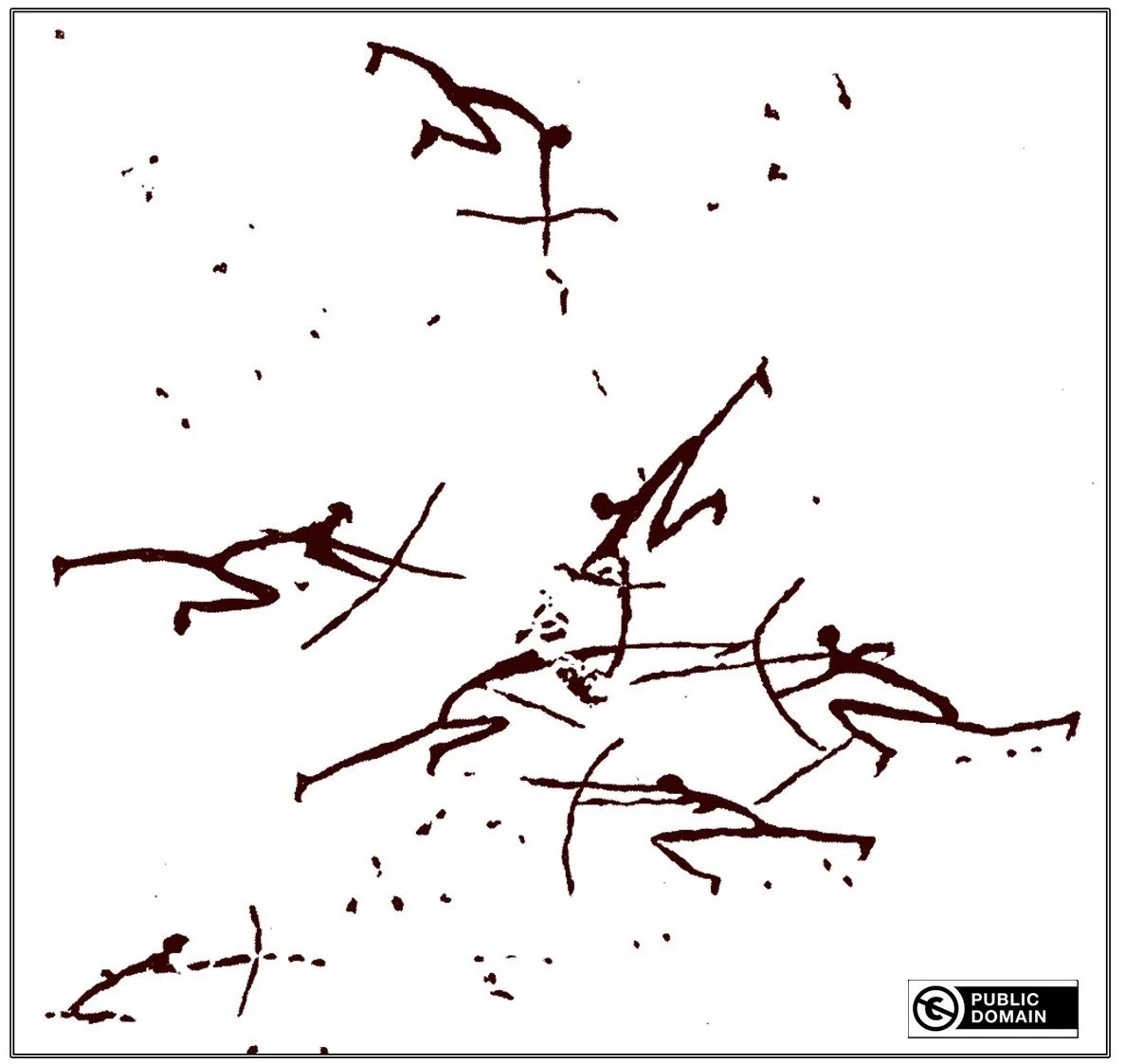
Cave painting of a battle between archers, Morella la Vella, Spain.
Throughout recorded history, common causes of disputes between neighbouring communities have included competition for control of territory or natural resources, and stealing one another’s livestock, women and inanimate possessions. Some or all of these may be timeless, and perhaps the massacre at Els Trocs was the result of an escalating dispute over land and cattle between the newcomers and the indigenous hunter-gatherers. Alternatively, two groups of newcomers may have had a deadly disagreement.
Either way, Els Trocs confirms a pattern of behaviour that prehistorians had already suspected: Neolithic people used bows and arrows to kill human enemies as well as wild beasts. Before Els Trocs was revealed to the world, we already knew of several works of rock art in Spain which depict this type of archery. Some of them date from the same period as the massacre at Els Trocs, but they provide no more clue to the source of the conflict than the shattered bones in the cave.
