Megaliths of the Pyrenees
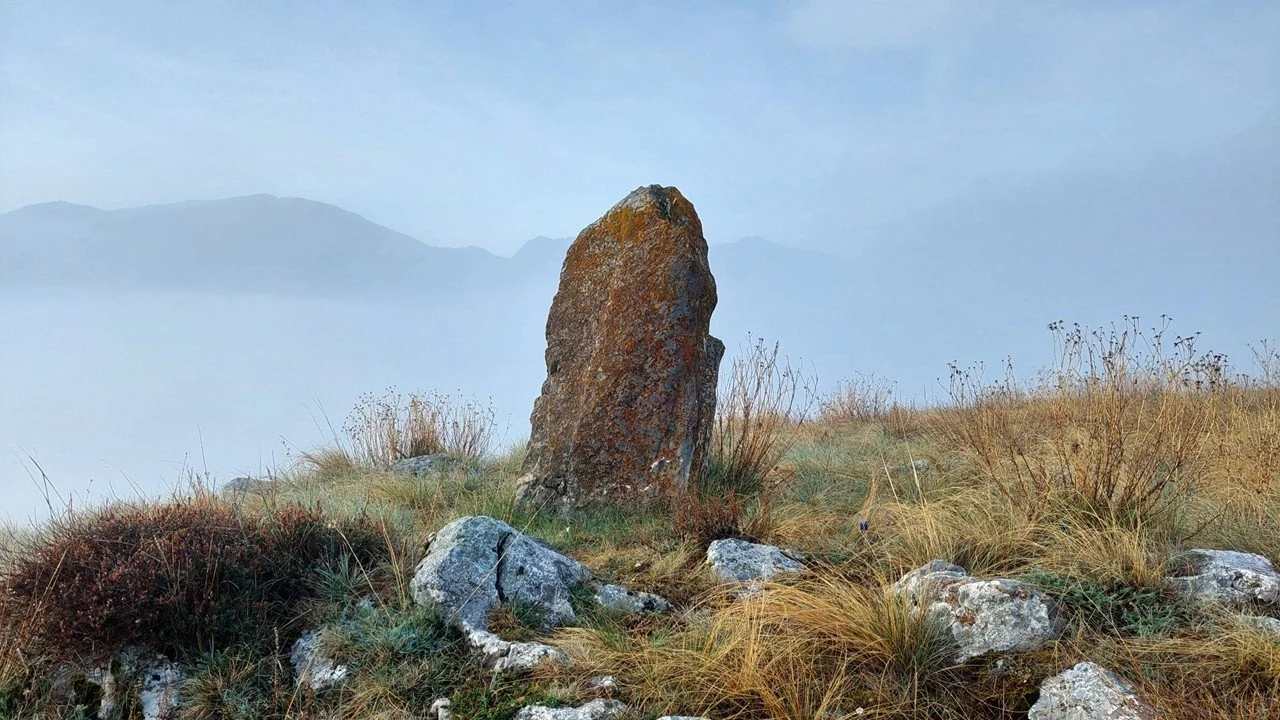
The menhir of Isòvol in the Spanish part of the Cerdaña.
Menhirs, dolmens, barrows, cromlechs – megalithic monuments can be found in most parts of the Pyrenees, along with a few statue-menhirs. This article provides a general overview, including where to find them in the Pyrenees and a photo gallery of some of my favourites.
TYPES OF MEGALITH
Perhaps we should start with some definitions, although please note that meanings may have changed over time, and the same words may have slightly different meanings in other languages, or even in different versions of English.
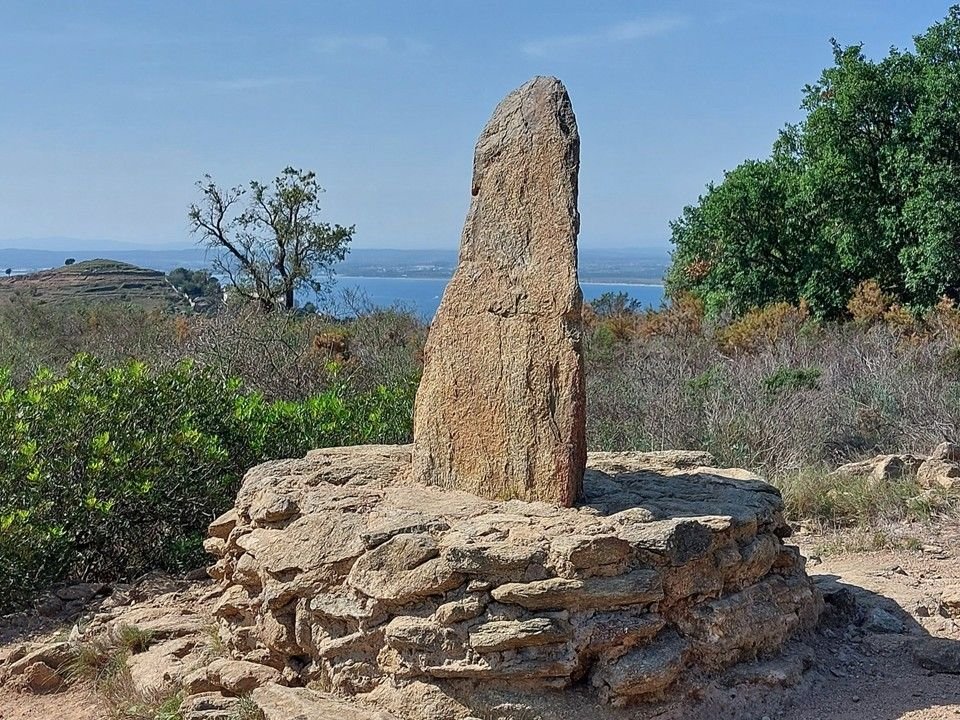
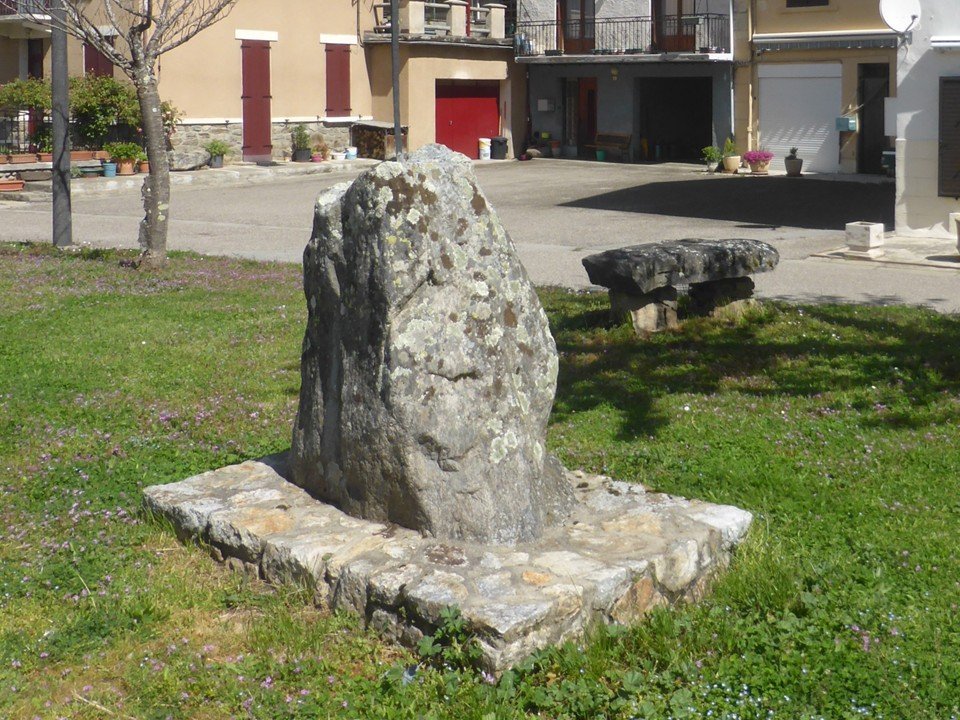
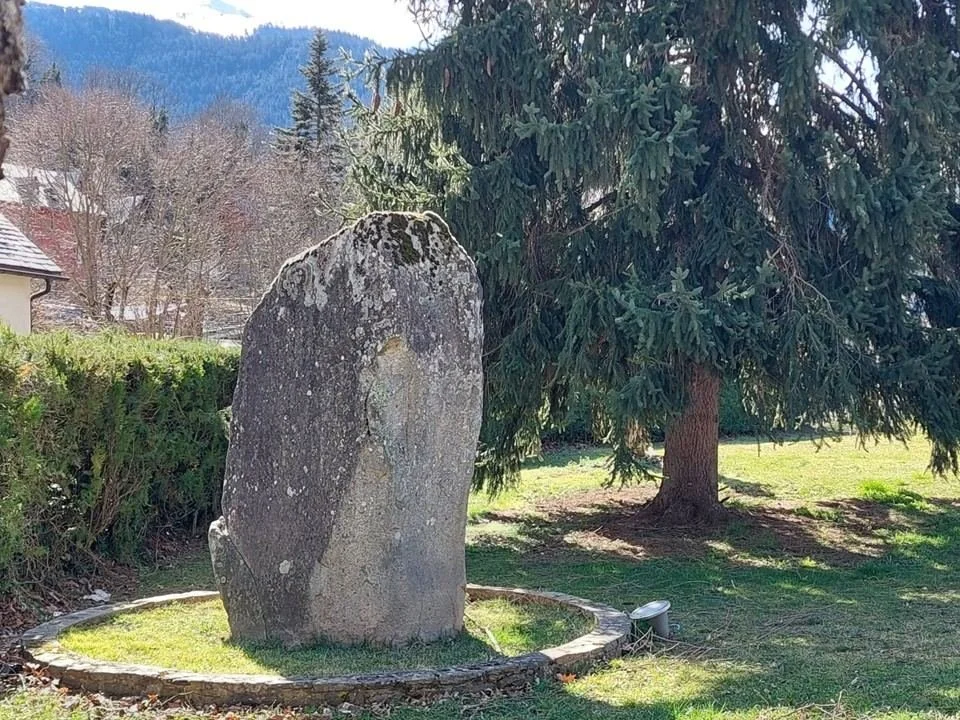
So, megalith derives from two ancient Greek words which together mean ‘big stone’. The most basic form is a type of standing stone called a menhir, and its original purpose or purposes are unclear and probably evolved over the centuries. In some cases, no one can quite decide if a particular stone was placed upright by human hands or the forces of nature.
Dolmens, in contrast, clearly are man-made. They consist of two or more vertical stones supporting a roughly horizontal capstone, and most are thought to be the central part of a communal tomb. A tumulus, also known as a barrow, is a mound of earth or scree raised over one or more tomb chambers made of timber or dolmens. A cromlech is a circle of standing stones, or menhirs, which may have surrounded a dolmen, acted as a calendar, or served some other ritual purpose. Avebury in England is the largest known example, and Stonehenge is the most sophisticated architecturally.
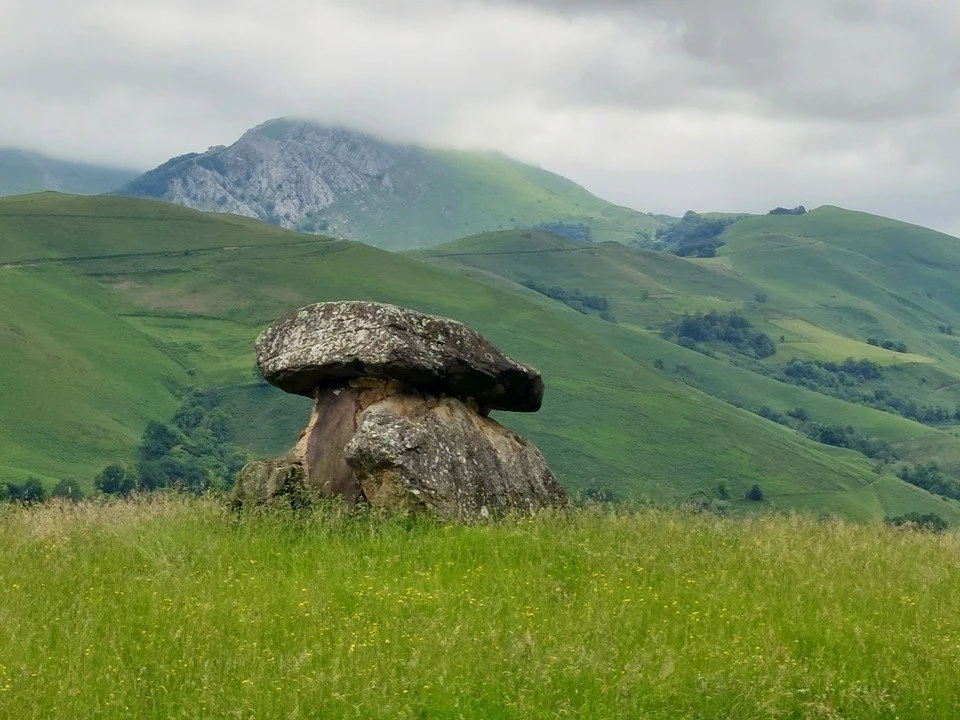
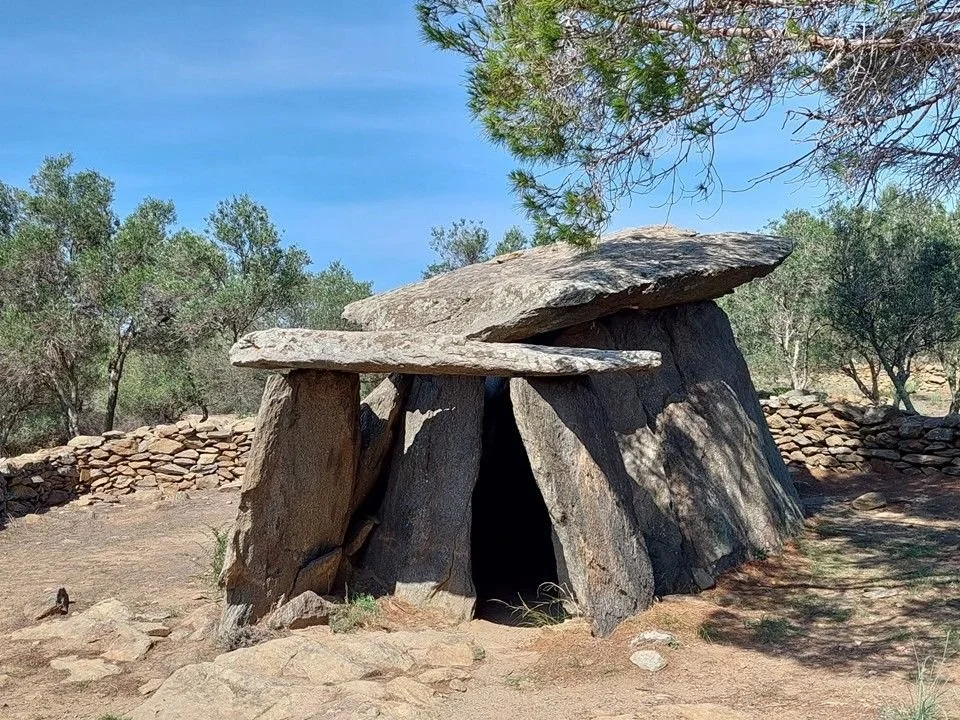
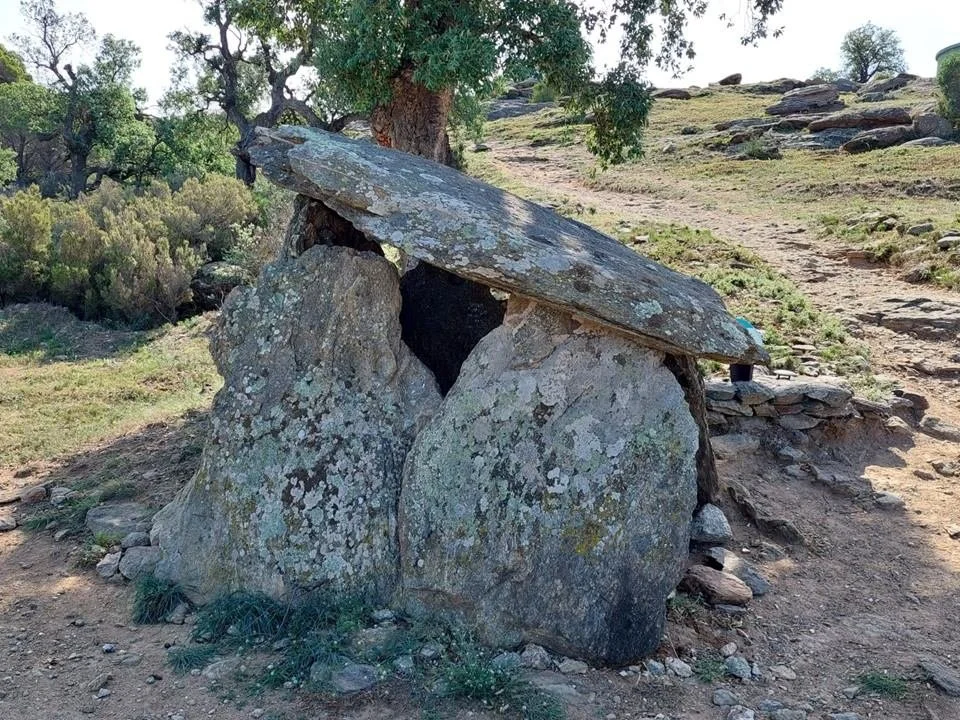
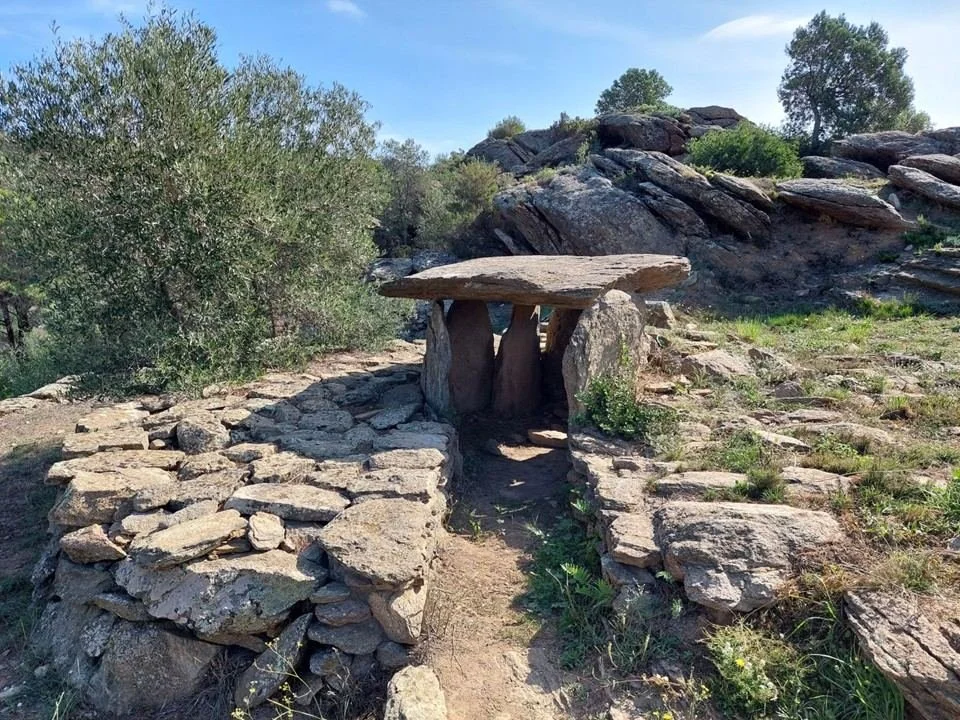
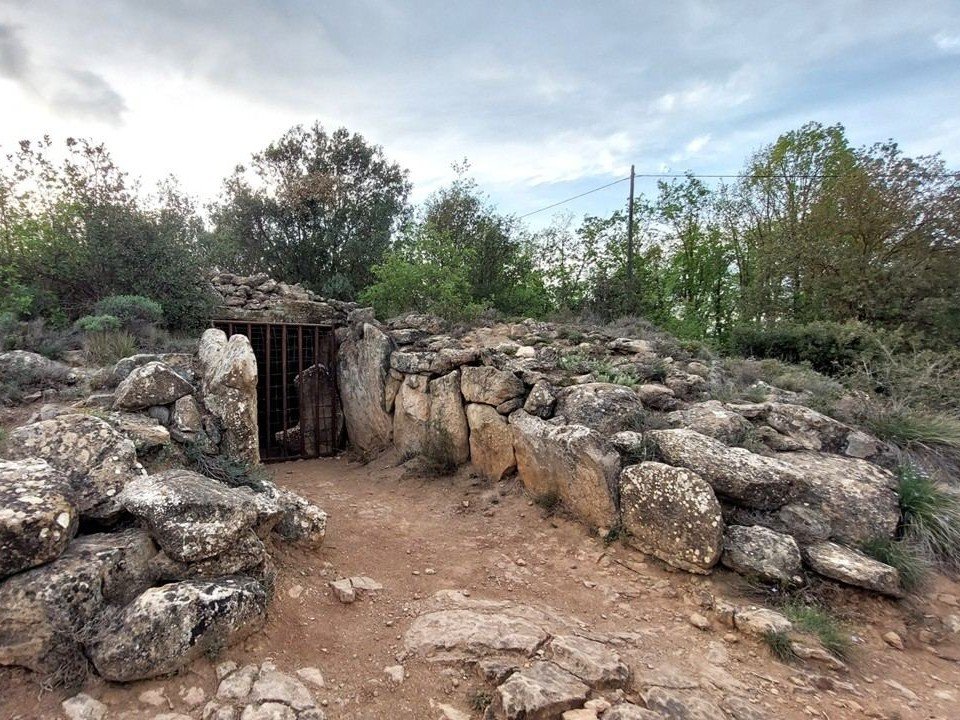
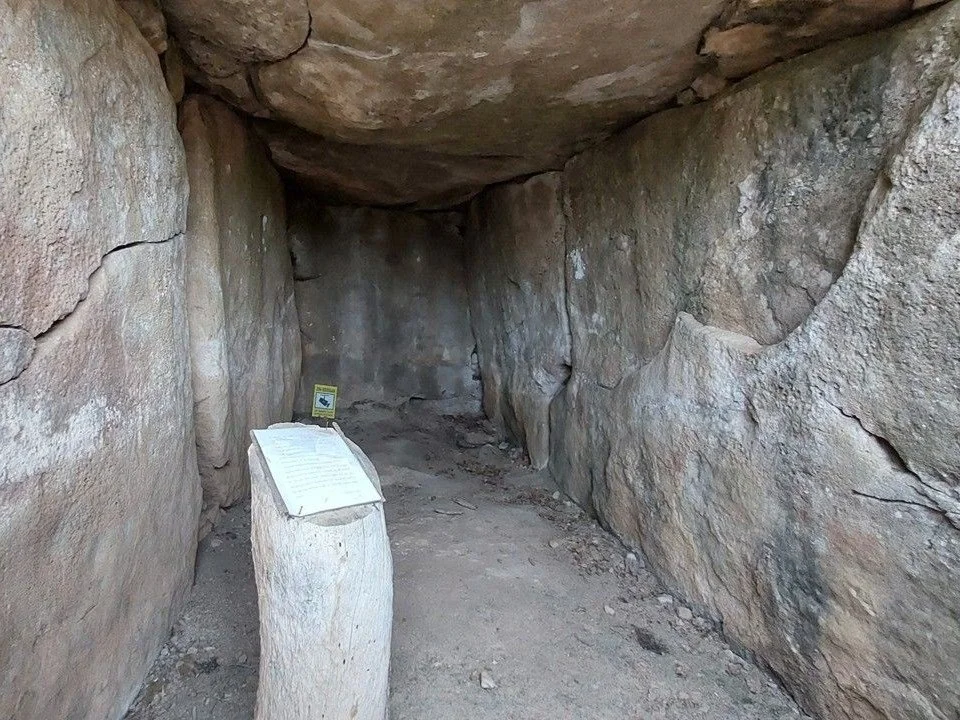
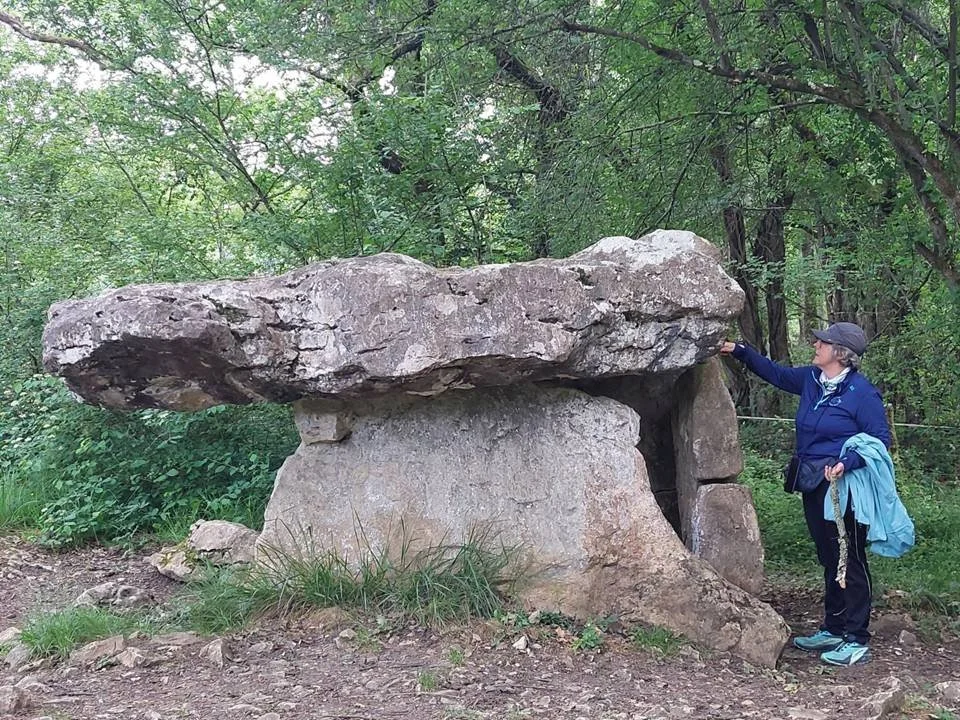
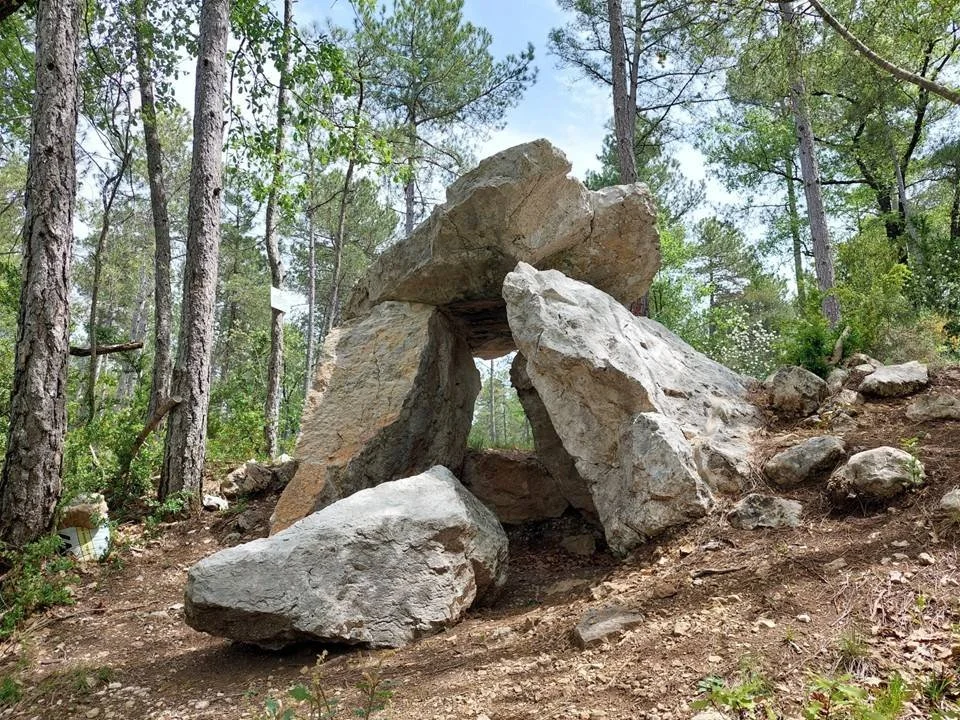
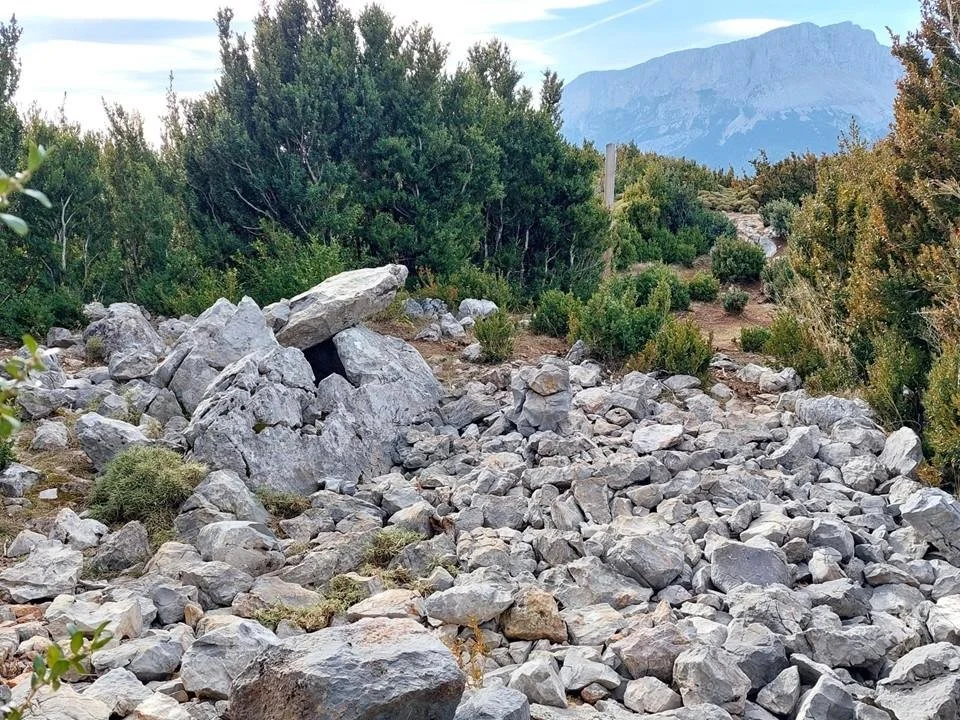
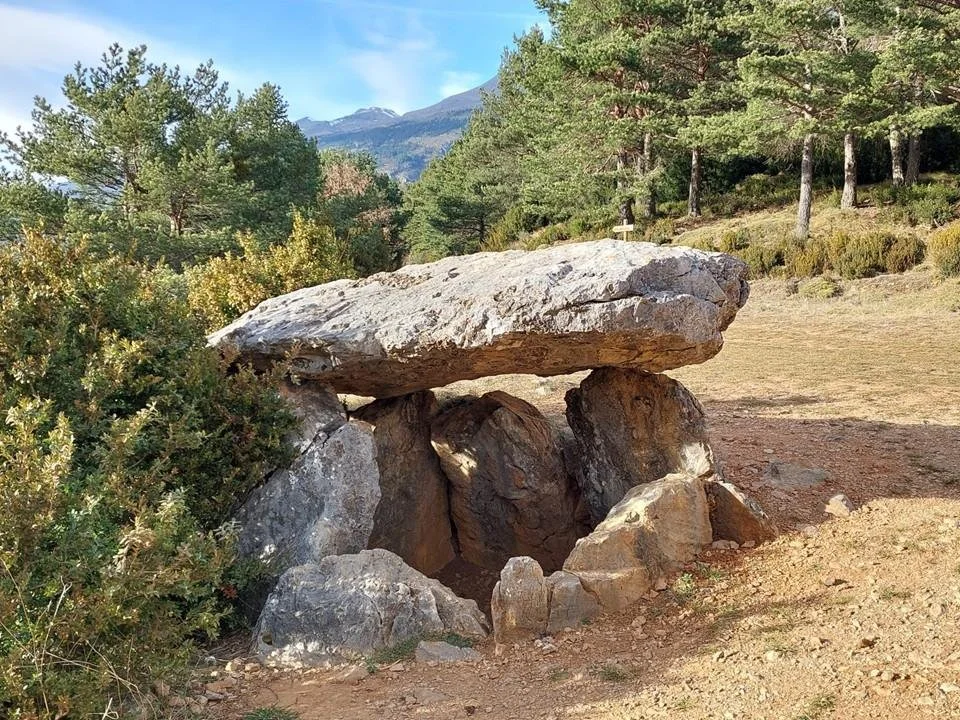
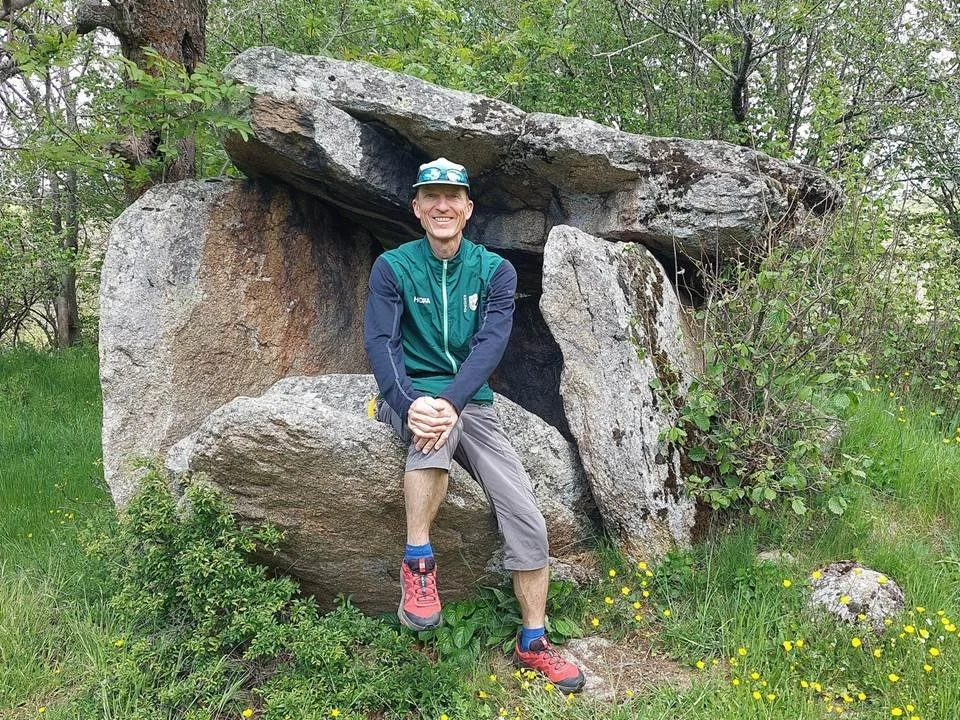
And lastly, when a standing stone has been decorated with carvings, we call it a statue-menhir. The largest example in Europe can be viewed in the tiny village of Seró on the Spanish side of the Pyrenees. Representing a goddess, this statue was originally 7 metres tall. That’s four times the height of the average man, or as tall as the tallest stone at Stonehenge. It was carved around 5,500 years ago but, a thousand years after that, it was cut into four pieces to make a dolmen! Is that the oldest example of recycling in the Pyrenees?
MARKED BY CHRISTIANITY
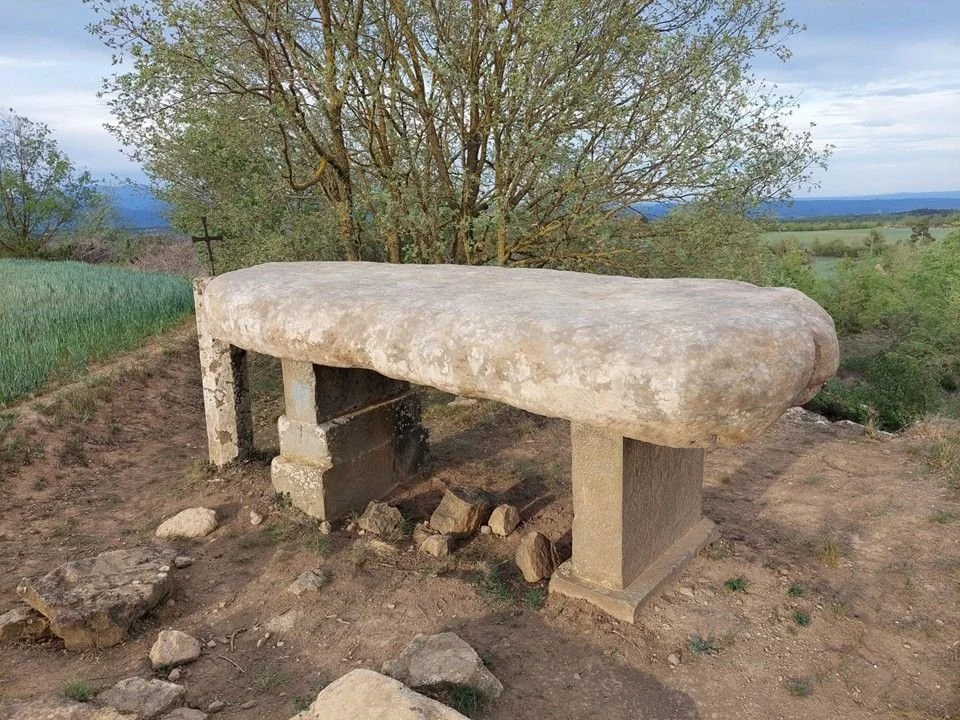
When Christianity became well-established in the Pyrenees, menhirs were often marked with a cross - or had an iron cross inserted into them - in a bid to neutralise a potentially dangerous pagan symbol. In the case of the statue-menhir of El Miracle (below, left-hand photo), the stone was laid flat on two plinths to make an outdoor altar, and an iron cross was mounted on an adjacent column.

Pictures show the top section of the main Seró statue-menhir
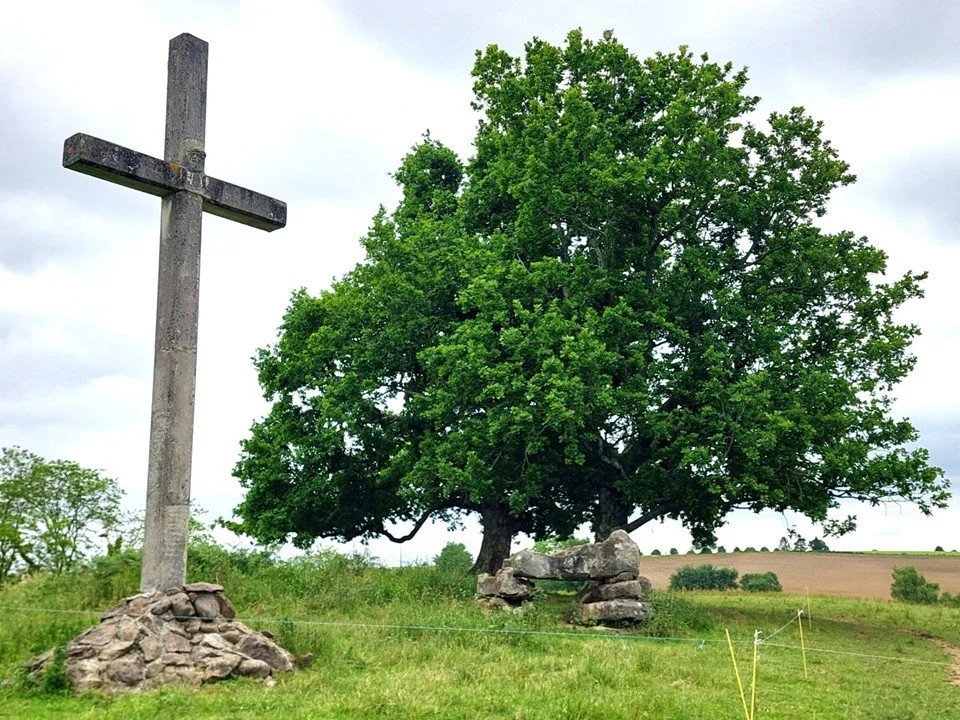
Some dolmens were gravely mistreated too, even when they were buried beneath a tumulus. In 1933, the newly appointed priest of Escout decided to put a dolmen known as Peyrecor 1 to a more Christian use. With the help of twelve pairs of oxen, Joseph Camblong dragged out the biggest stones and rearranged them in a form which appears to be part dolmen, part outdoor altar. To remove any doubt that this modified monument was the work of a Christian, he erected a plain concrete cross several metres high to watch over the ancient stones (below, right-hand photo).
WHERE DID THEY BEGIN?
Until the advent of modern dating techniques, it was widely assumed that megalithic tombs were introduced to Western Europe by the first Neolithic farmers who arrived from the Middle East, but it now seems the opposite is true. Brittany is home to the oldest known megalithic monuments in Europe, 7,000 years old. Within a few centuries, the practice spread from there to the British Isles, the Pyrenees and Scandinavia, and subsequently moved out as far as the Iberian Peninsula, Italy and islands in the Mediterranean including Malta and Sardinia.
WHERE TO FIND THEM
Clusters of man-made megalithic monuments are usually located in those parts of the Pyrenees that were capable of supporting a sizeable population or were close to trans-Pyrenean communications routes. Some of them are marked on good French and Spanish maps.
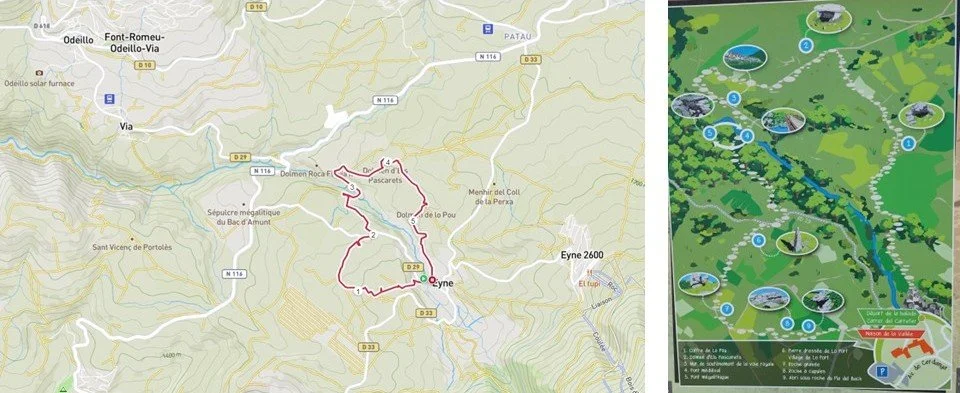
Map of Eyne’s balade néolithique
For example, there are notable concentrations of megaliths near the coastal paths at both ends of the Pyrenees. Just across the border from the vineyard terraces of Banyuls and Collioure, Cap de Creus National Park has dozens of dolmens. At the other end of the range, the Basque country on both sides of the border is rich in megaliths in general and cromlechs in particular. In the Spanish region of Aragon, megaliths are concentrated in the high Pyrenees around the Somport pass, and there are many more on the French side of the col. The Cerdagne is home to another cluster, and one of the easiest introductions to megaliths starts in the French village of Eyne. Here, the tourist office has waymarked a pleasant 5-kilometre balade néolithique, or Stone Age stroll, complete with detailed information boards about each type of big stone along the way. FIND OUT MORE
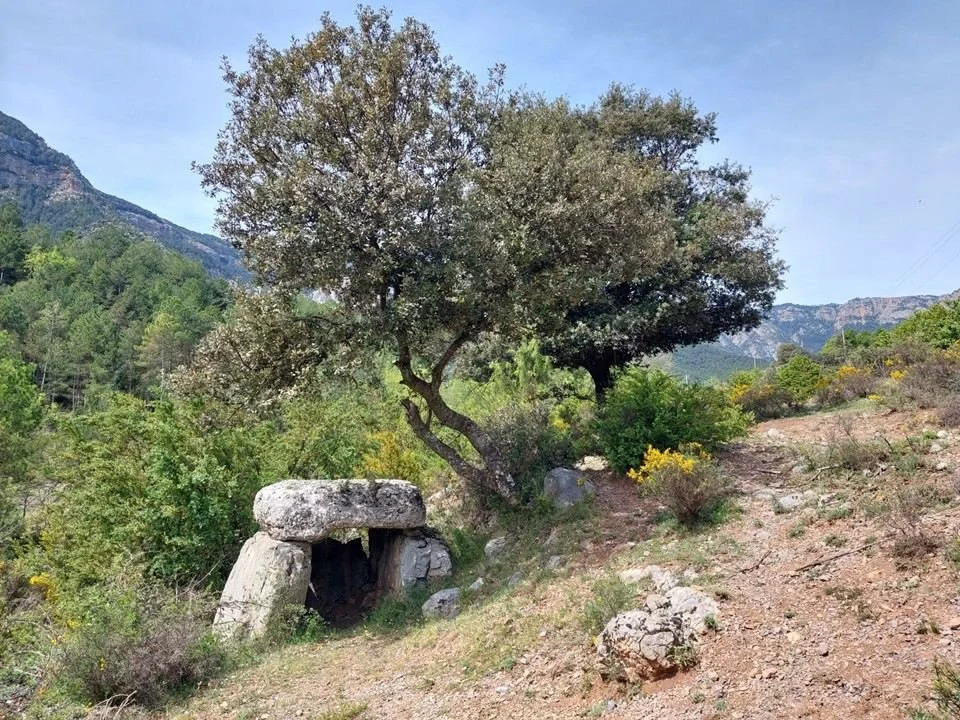
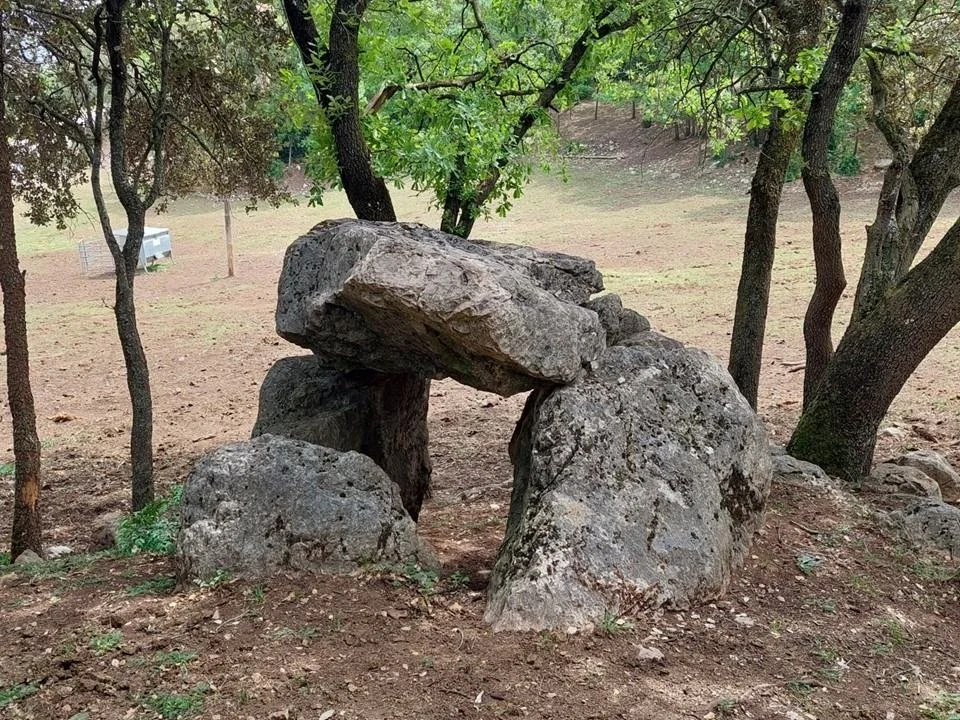
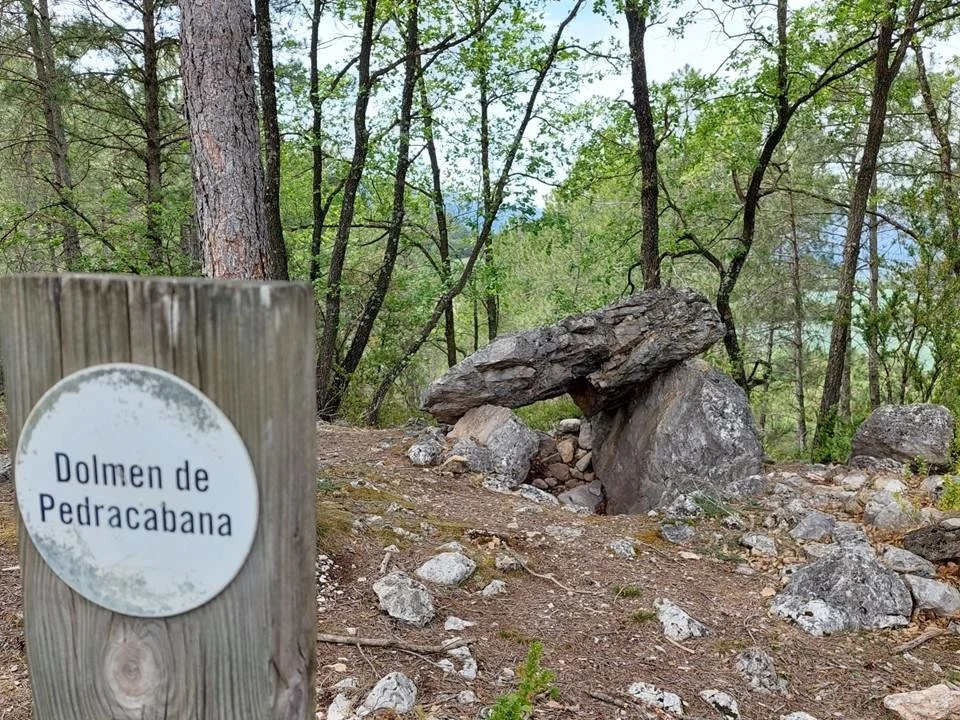
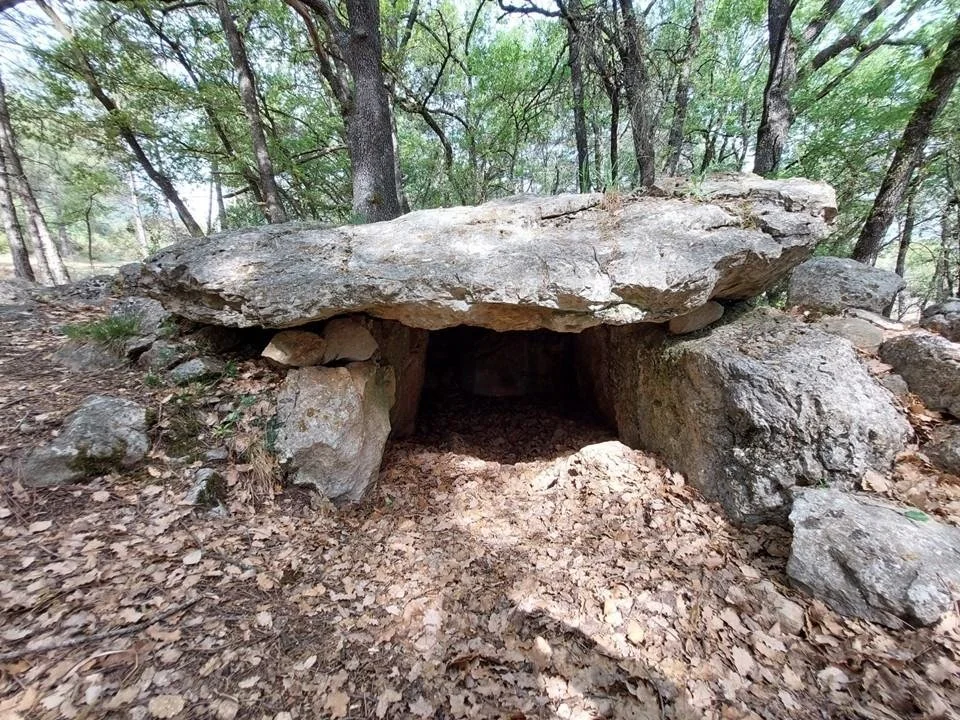
Sometimes, though, clusters are found in unlikely places. To the south of Andorra, the Cabó valley runs due west from the town of Organyà. It leads nowhere of note, but its seven dolmens inspired an imaginative academic to call it Catalonia’s answer to Egypt’s Valley of the Kings. Five of them feature in the large photo gallery above.
