South of France, the Pyrenees and northern Spain
(latest to oldest articles)
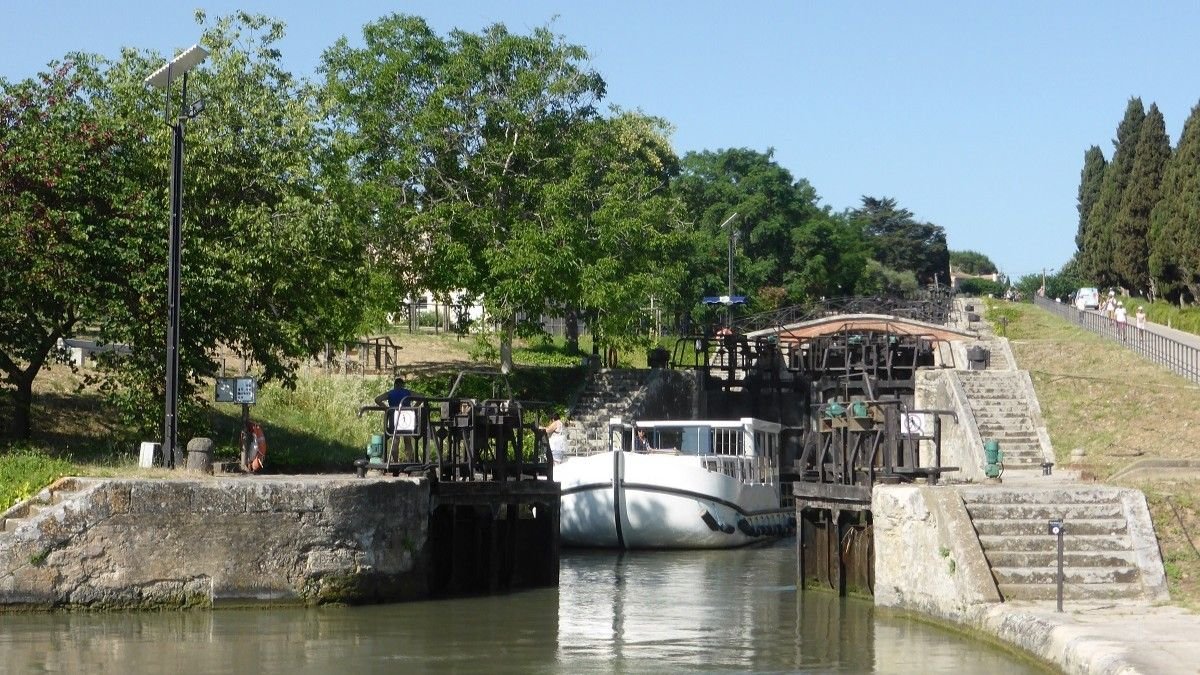
The Canal du Midi at Béziers
THE CANAL DU MIDI AT BÉZIERS / When it was opened in 1682, the Canal du Midi was called the Eighth Wonder of the World, a 240km waterway connecting Toulouse to the Mediterranean. From its highest point at Naurouze, the canal descends 189 metres to the sea via 45 locks. Perhaps the most impressive of these hydraulic lifts is the flight just outside Béziers called the Nine Locks of Fonsérannes.
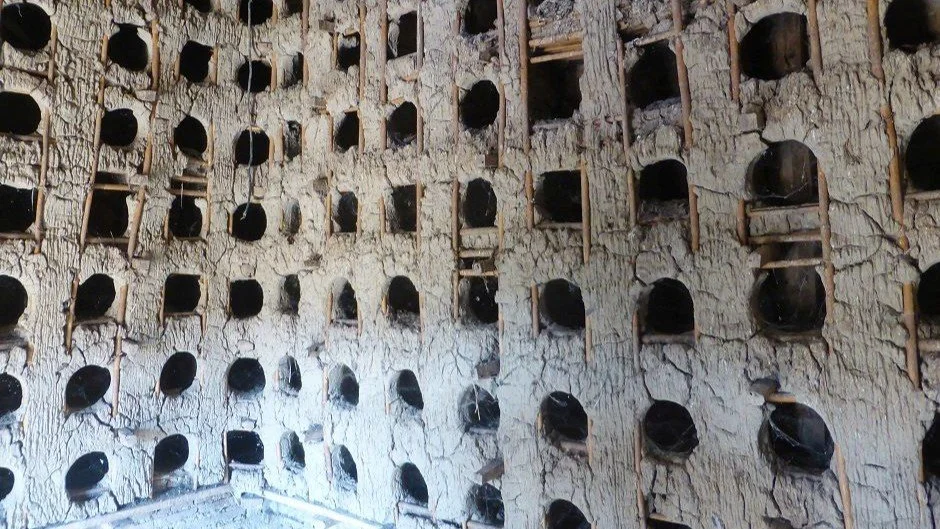
Inside a very special pigeonnier
A RARE LOOK INSIDE A PIGEONNIER OR DOVECOTE / A local historian told me about a pigeonnier which, he assured me, was the most fascinating example he had ever been inside. I took a short drive over to Saint-Germain-des-Prés near Puylaurens, and then off I went across a field of stubble armed with a ladder and a camera.
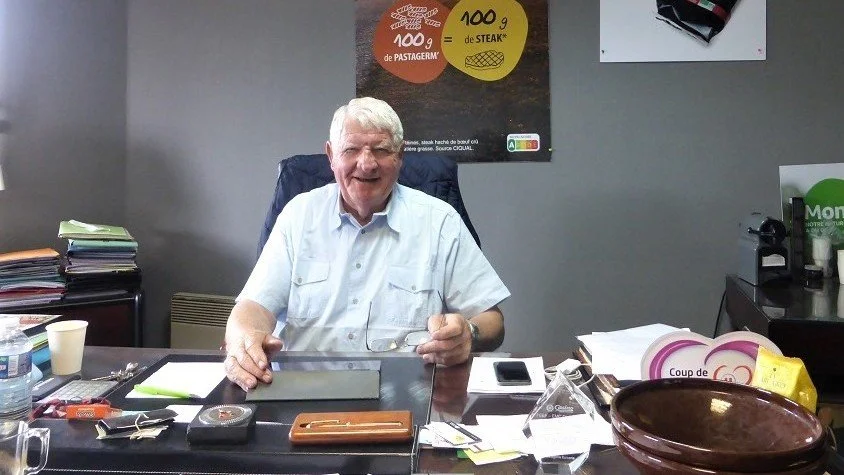
Interview with a living legend
INTERVIEW WITH A LIVING LEGEND / Rugby fans of a certain age will remember the Spanghero brothers. Laurent played second row, but he brought fame to the family name through his career as a butcher. More recently, the King of Cassoulet has switched to making food products that are 100% vegetarian.
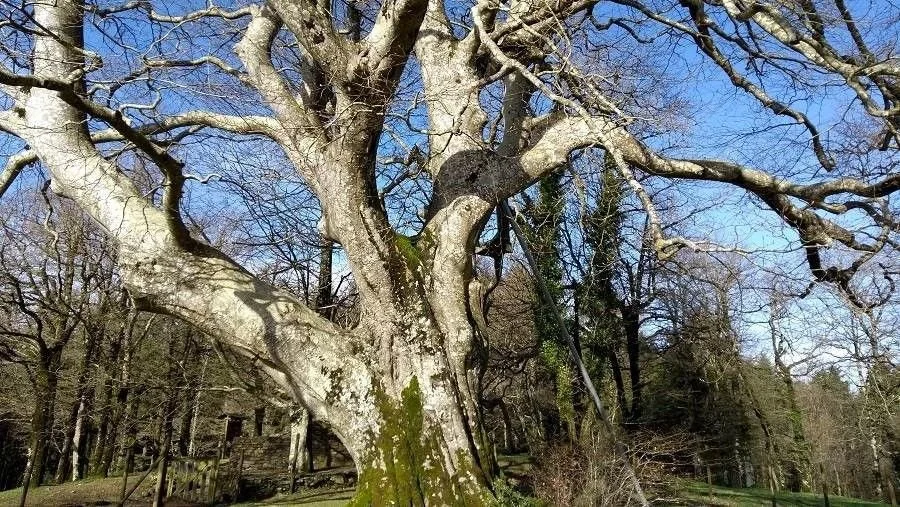
A morning run through 10,000 years of history in the Montagne Noire
A MORNING RUN THROUGH 10,000 YEARS OF HISTORY IN THE MONTAGNE NOIRE / Why do I love the Lauragais and the Montagne Noire? Where else can you find a heritage trail that offers so much in such a short distance, not to mention seeing France’s most beautiful tree?
From the Caucasus to Castres via the Red Army and the Wehrmacht
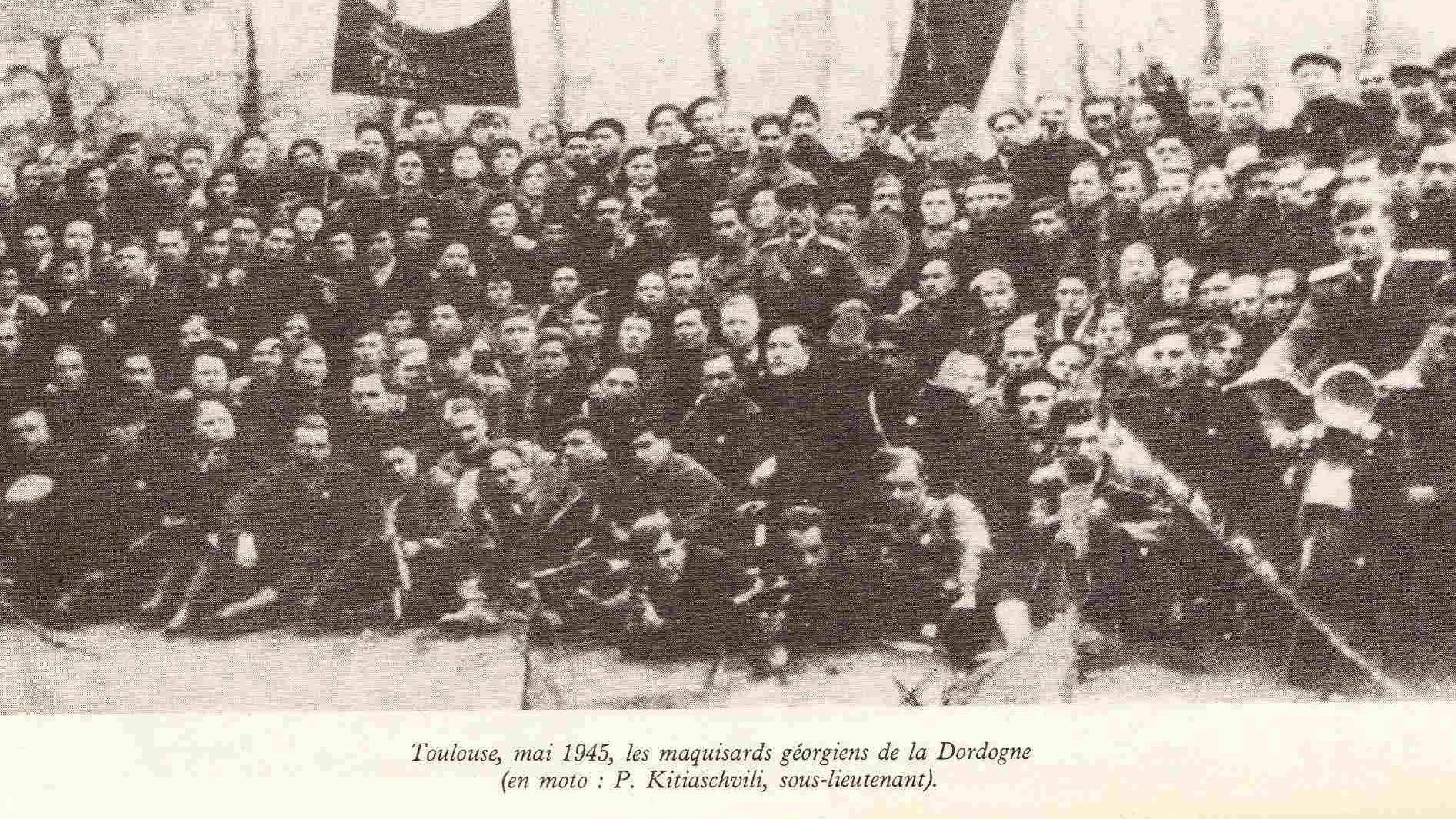
FROM THE CAUCASUS TO CASTRES VIA THE RED ARMY AND THE WEHRMACHT / This post tells the extraordinary story of Vakhtang Sekhniachvili who fought for the Soviets, the Germans and the French Resistance. After that, he was awarded the Military Cross in France and sent to the gulag by Stalin.
Who were the two ‘German’ soldiers buried at the Château de Garrevaques?
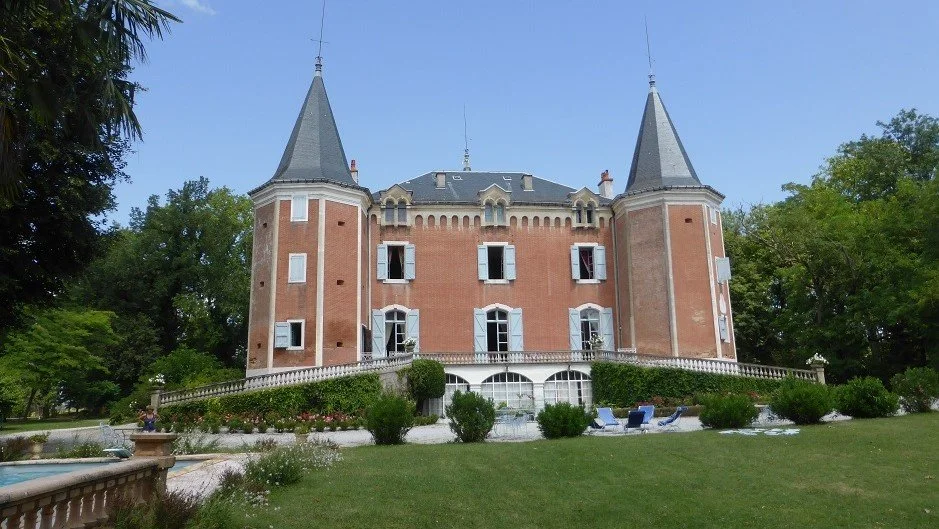
WHO WERE THE TWO ‘GERMAN’ SOLDIERS BURIED AT THE CHÂTEAU DE GARREVAQUES? / One day, the owner of the Château de Garrevaques shared a memory from her childhood: a few years after the end of the Second World War, the German army came and disinterred two dead soldiers buried in the grounds of her château, but were they really German?
Notes from the natural wine fair at Durban-Corbières
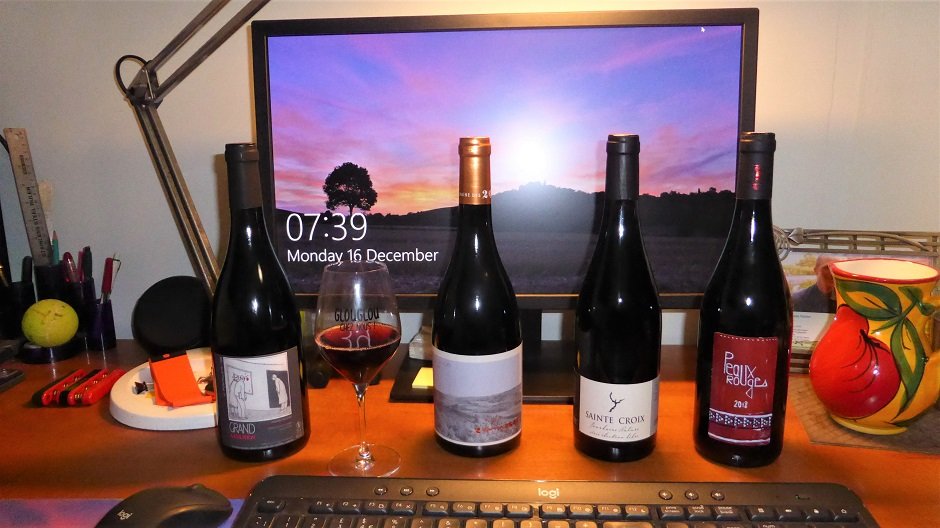
NOTES FROM THE NATURAL WINE FAIR AT DURBAN-CORBIÈRES / I spent yesterday exploring the world of natural wines at the Glouglou natural wine fair in Durban-Corbières. Most of the exhibitors were certified organic, but they have all gone much further in their quest to minimise the artificial techniques used in most modern wine production.
Where three French generals rest in peace
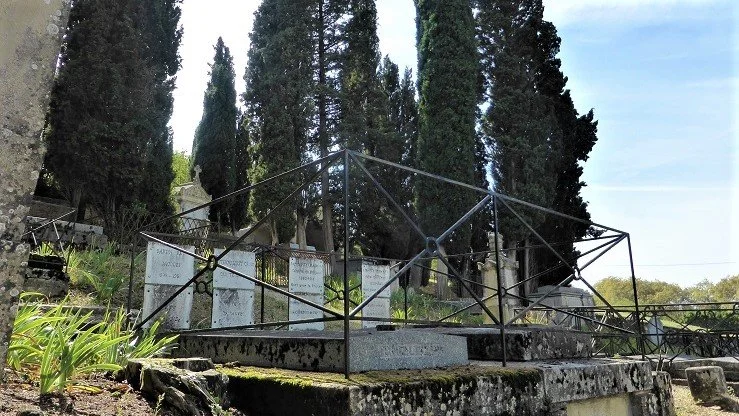
WHERE THREE FRENCH GENERALS REST IN PEACE / How many generals are buried in your local graveyard? I found three in mine, all from the same family! I did not discover my three General Reys while wandering among the grandiose funerary monuments in the Catholic cemetery of Puylaurens. I found them buried in the Protestant graveyard hidden away on the steep northern slopes of town.
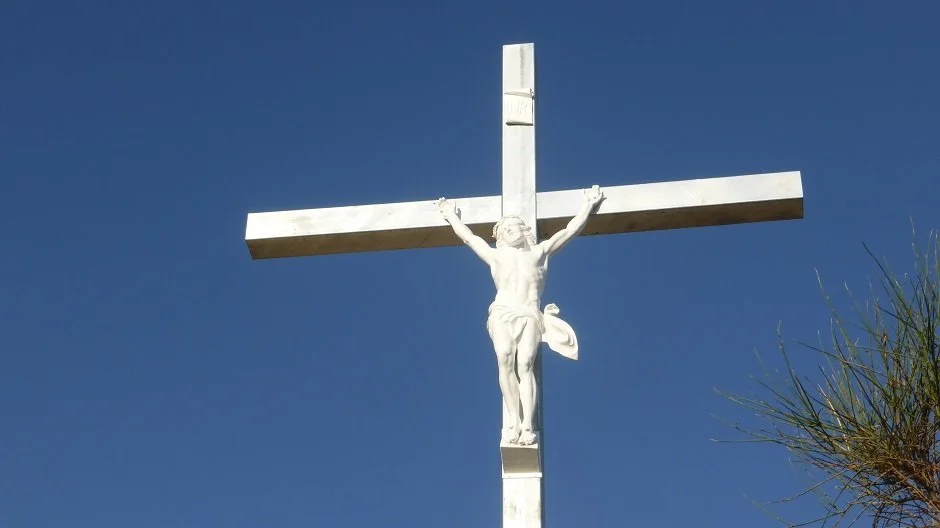
The French concept of laïcité: the story of a village cross
THE FRENCH CONCEPT OF LAÏCITÉ / Living close to the Saint-Jacques-de-Compostelle pilgrimage route has often made me toy with the idea of making a pilgrimage of my own. Last weekend I had the opportunity of making a much shorter pilgrimage which also provided a brief lesson in the French concept of laïcité.
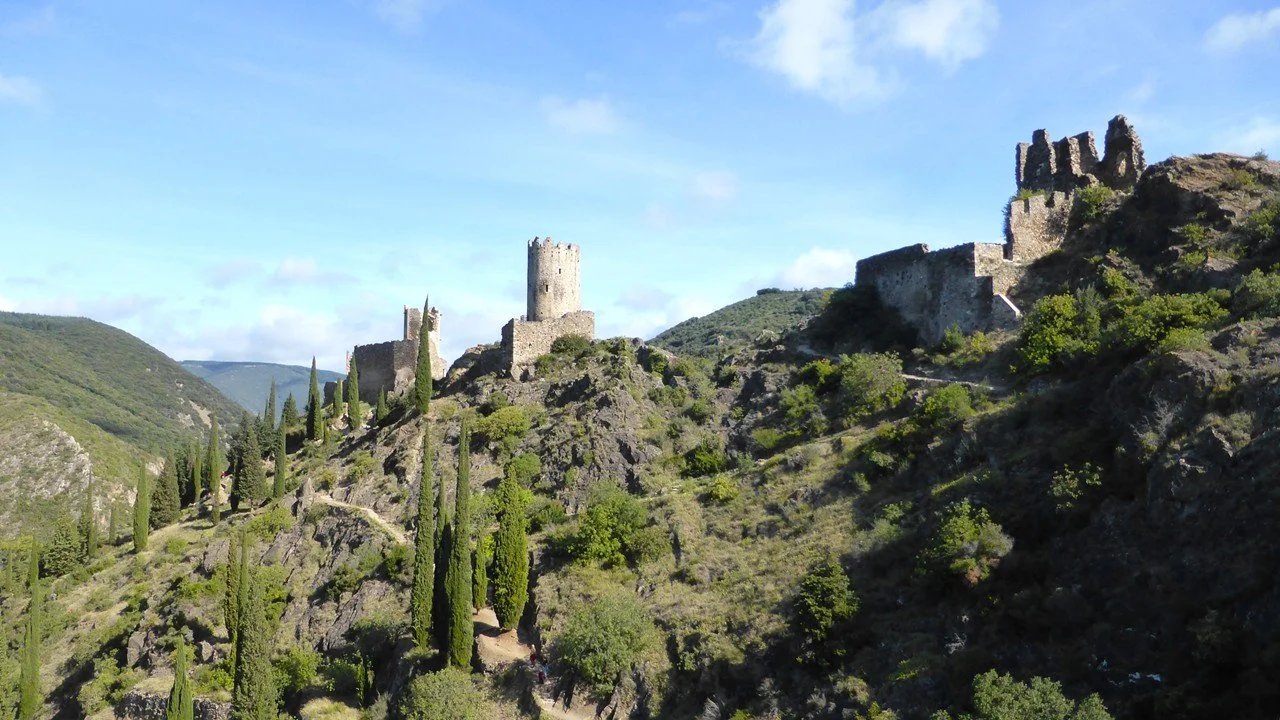
Overdosing on châteaux: Lastours - one village, four castles (plus a fifth!)
OVERDOSING ON CHÂTEAUX: LASTOURS - ONE VILLAGE, FOUR CASTLES (PLUS A FIFTH!) / Drive twenty minutes north from Carcassonne and you will reach the village of Lastours. Red and gold Occitan flags flutter from lampposts alongside the river, and high on a ridge above the village, four separate châteaux stand in a line: Cabaret, Tour Régine, Surdespine and Quertinheux.
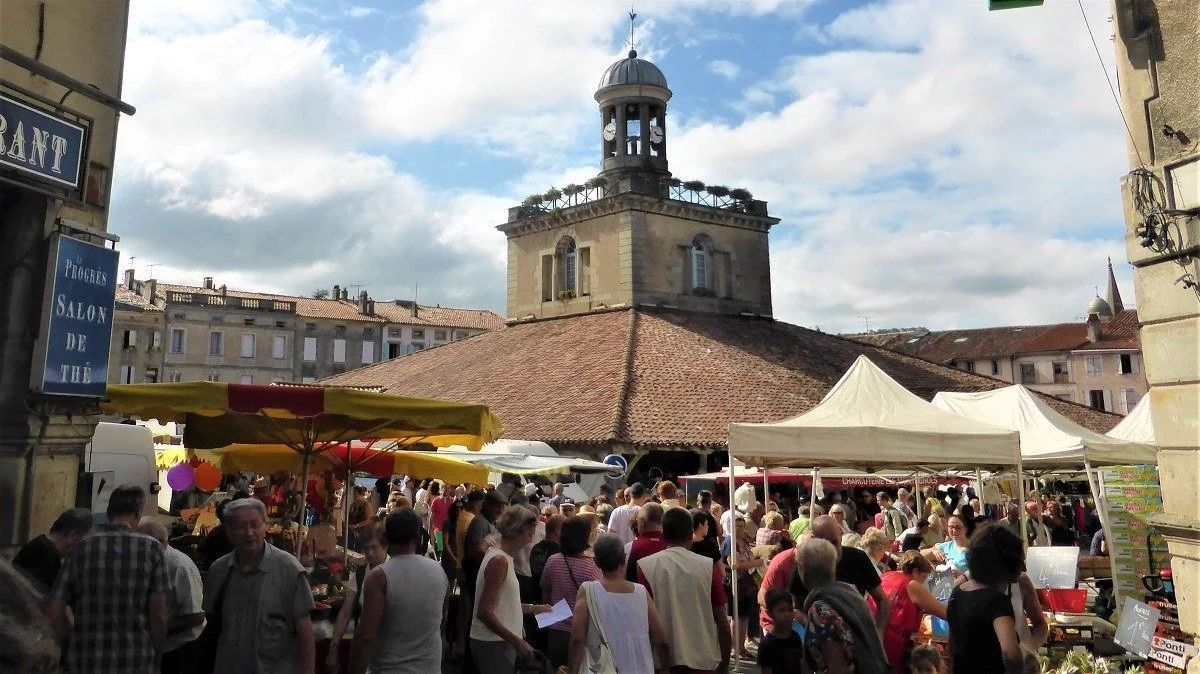
How the Protestants of Revel stole a market from their Catholic neighbours
HOW THE PROTESTANTS OF REVEL STOLE A MARKET FROM THEIR CATHOLIC NEIGHBOURS / Founded as a royal bastide in 1342, Revel has one of the busiest weekly markets in the Lauragais. Few shoppers know that this popular event was stolen from the neighbouring town of Sorèze during the Wars of Religion 440 years ago.
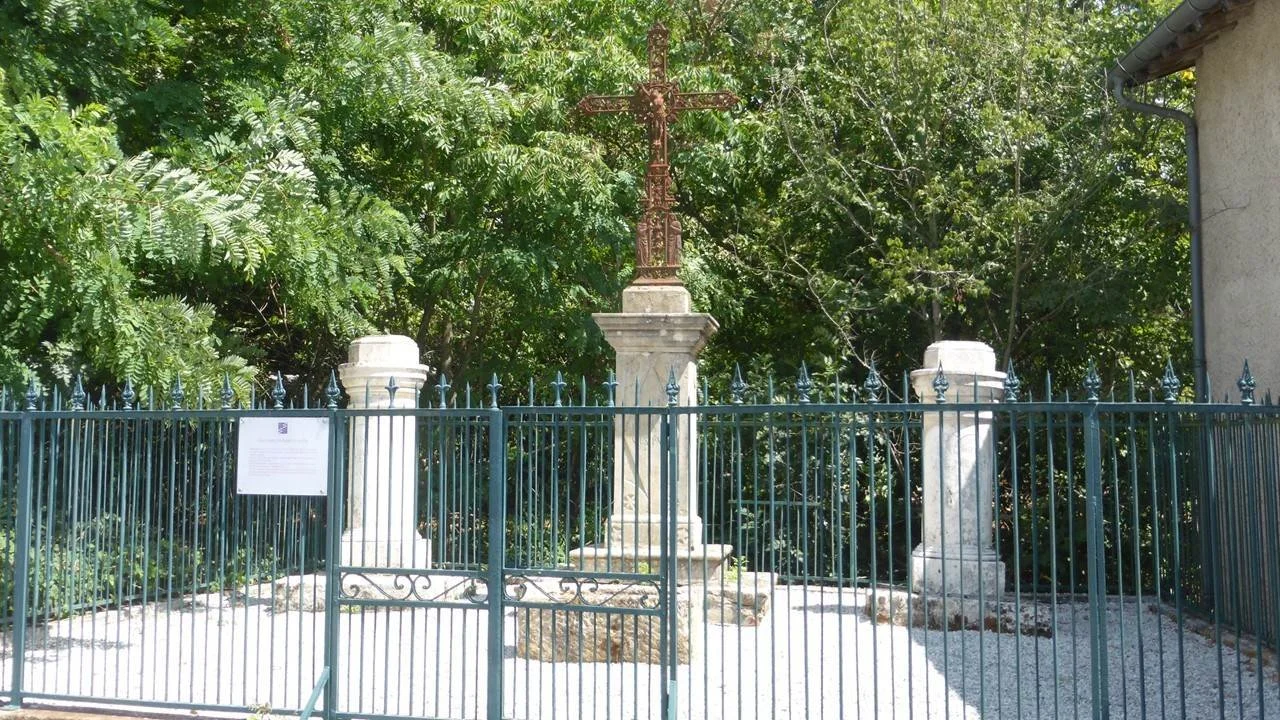
A rare memorial to the Wars of Religion
A RARE MEMORIAL TO THE WARS OF RELIGION / This calvary in Soual may be unremarkable at first sight, but it is highly unusual. It is the only memorial I have been able to find to those who died in the Wars of Religion.
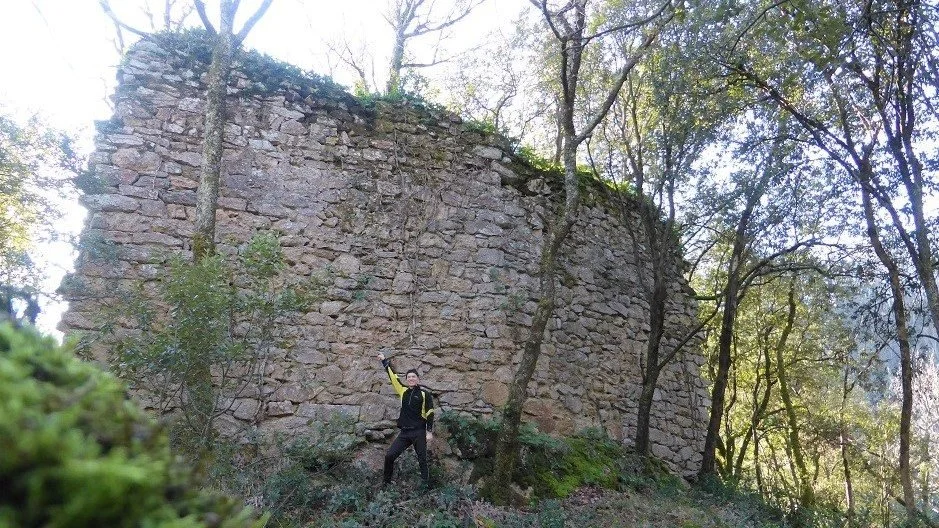
A lost citadel in the Montagne Noire
A LOST CITADEL IN THE MONTAGNE NOIRE / A few months ago, I took a walk in the forests of the Montagne Noire, south-west France. I waded rivers and fought dense vegetation in a bid to became one of the first people since the 12th century to visit the remains of a lost castrum – or fortified village. I say ‘lost’ because, until a year ago, it was unknown to archaeologists and historians.
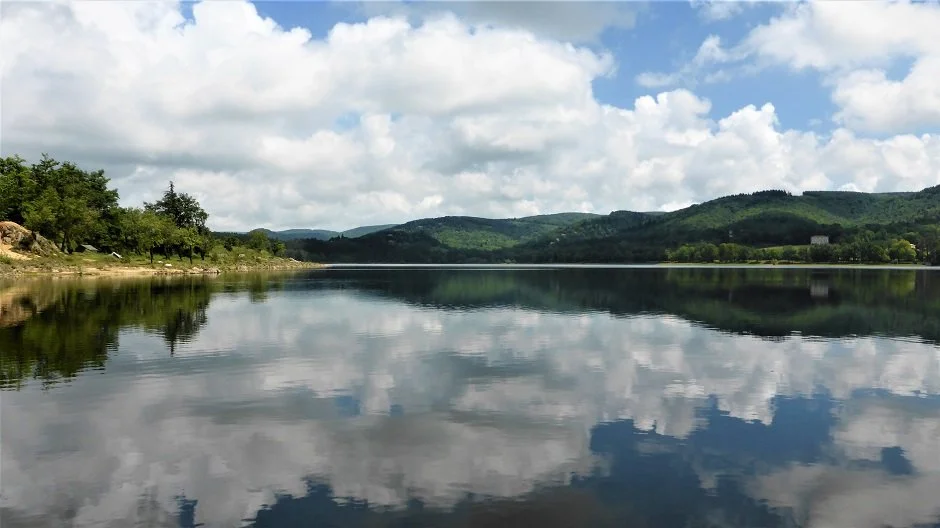
Why was Thomas Jefferson so determined to visit this pretty lake?
WHY WAS THOMAS JEFFERSON SO DETERMINED TO VISIT THIS PRETTY LAKE? / Rather than admiring its beauty, Jefferson was more interested in the engineering aspects of Saint-Ferréol. It is, in fact, a reservoir, not a lake, and it supplies the Canal du Midi. Jefferson studied the whole system because, in his home state of Virginia, there was great interest in the idea of making the Potomac navigable.
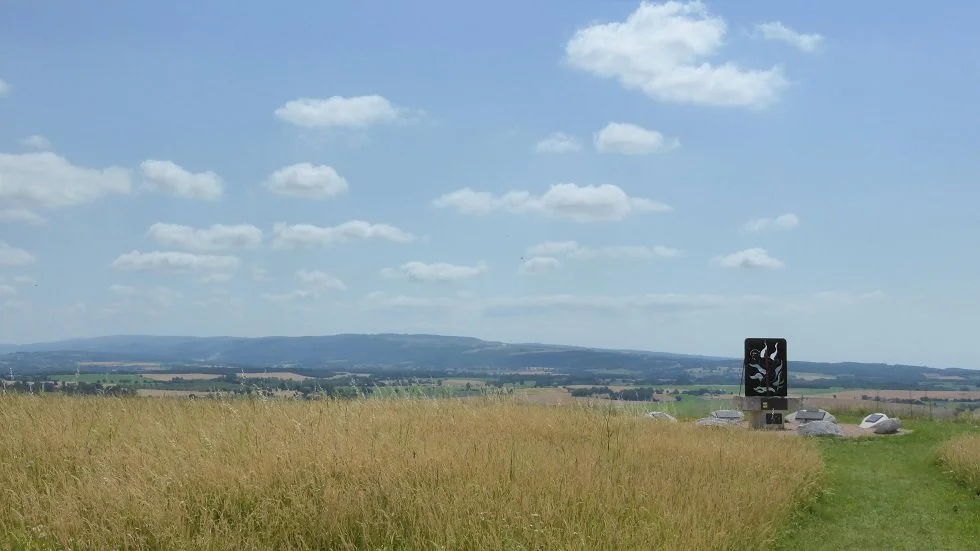
The Cathar Memorial at Les Cassès
THE CATHAR MEMORIAL AT LES CASSÈS / This windy promontory hides a tragic history and a moving memorial to some of the victims of the Albigensian Crusade.