South of France, the Pyrenees and northern Spain
(latest to oldest articles)
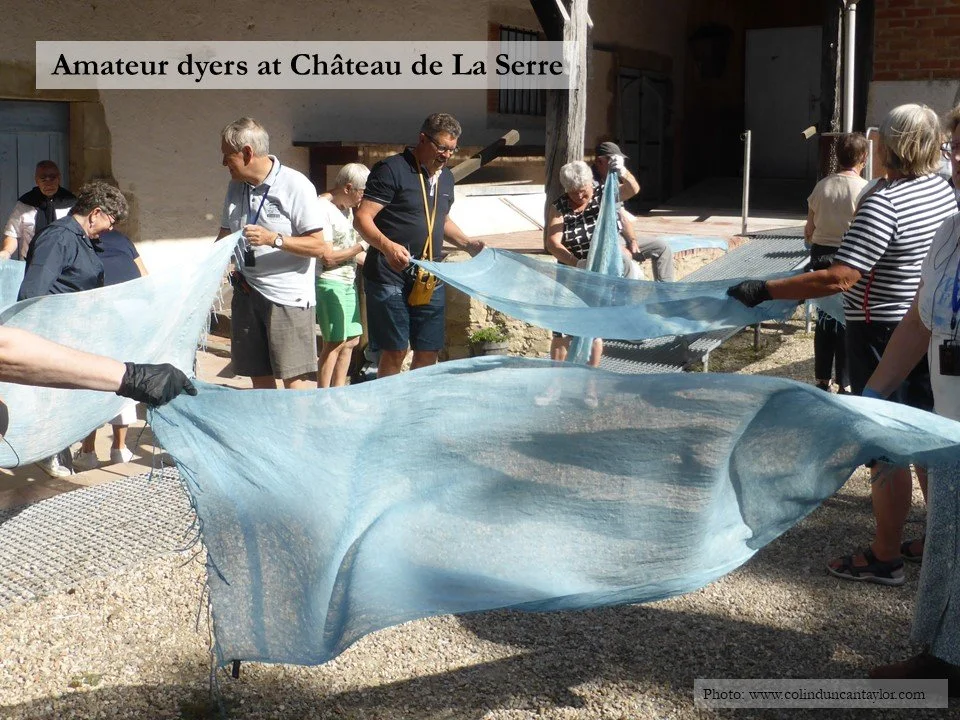
Wearing woad, Napoleon and a charity for sick children
Discover how 19th-century blockades by the British led to Napoleon's attempt to resurrect woad, or pastel.
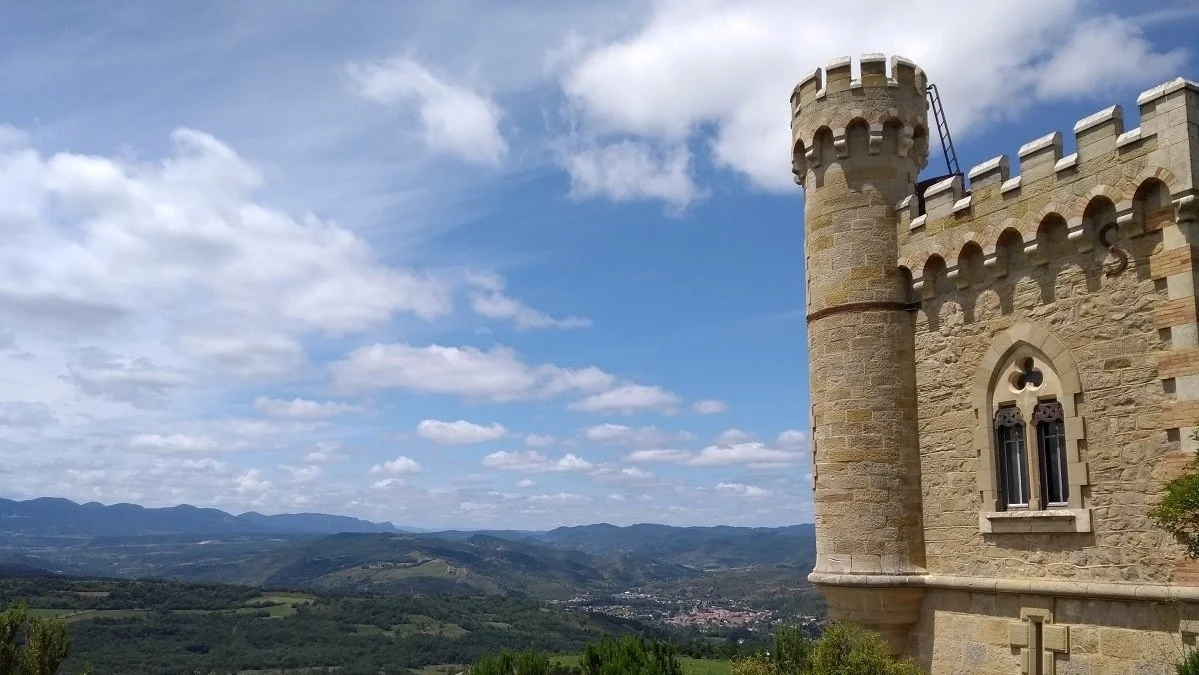
A tale of buried treasure and marketing genius
The mysteries of Rennes-le-Château have inspired enough books to open a bookshop. At the root of this phenomenol success was a master of creative marketing who had a brainwave in 1956.
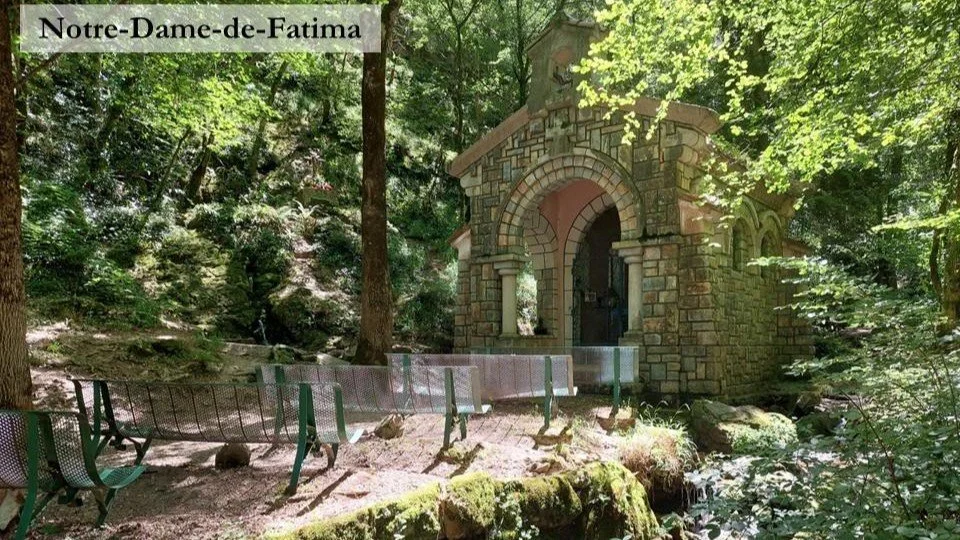
Religious pearls of the Montagne Noire
Discover a secret Protestant cemetery, a long-abandoned church, a bijou monastery reclaimed by the forest, and a rustic chapel which would be the perfect location for hobbits and wood elves if they were organising a wedding.
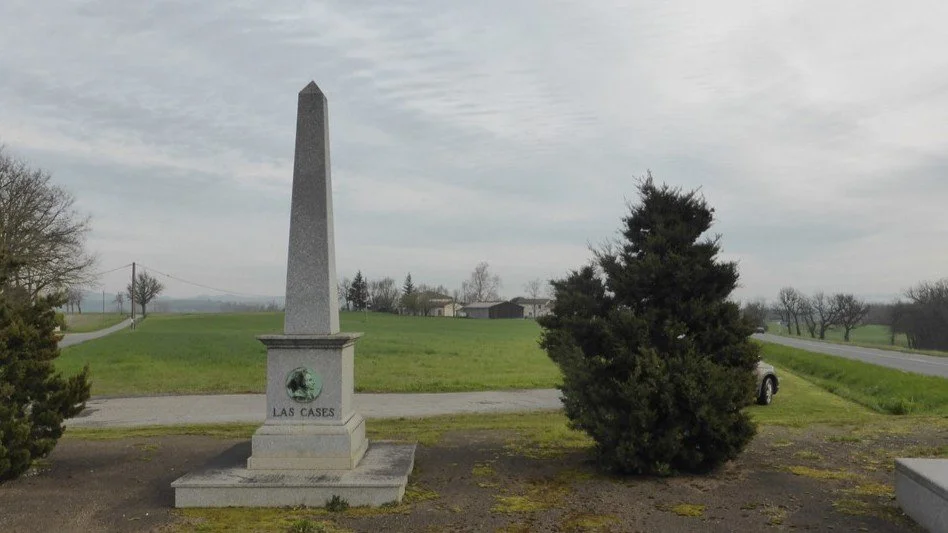
The pig farmer, the Roman tilemaker and Napoleon’s companion in exile
Most people visiting Las Cases barely glance at the château. Instead, they dive straight inside the farm shop to buy dried hams, sausages or fresh pork. But before the Malinge family started making charcuterie, Las Cases had enjoyed a curious succession of occupants.
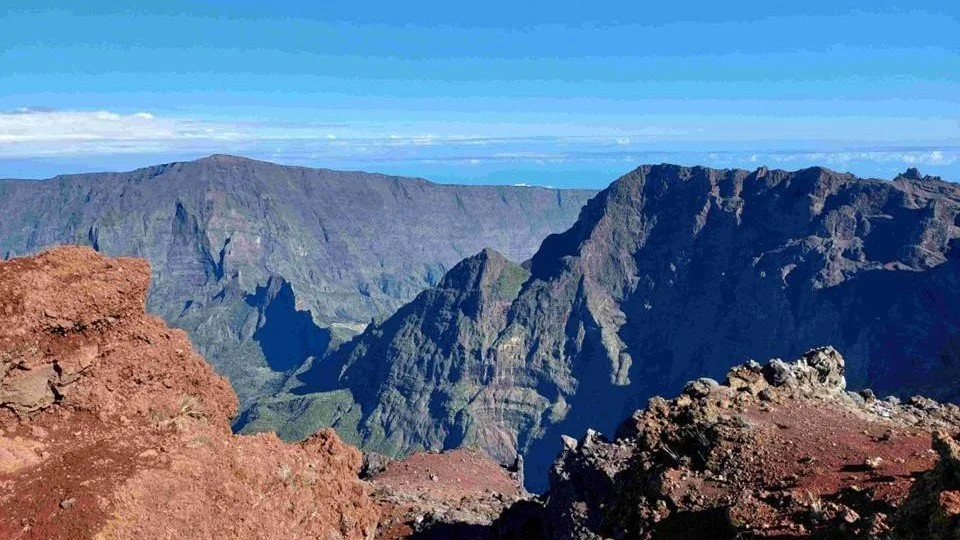
Which is the most southerly French department?
Although it lies 9,000-kilometre south of Paris in the Indian Ocean, the volcanic island of La Réunion is a true French department, making it the most far-flung corner of the European Union.
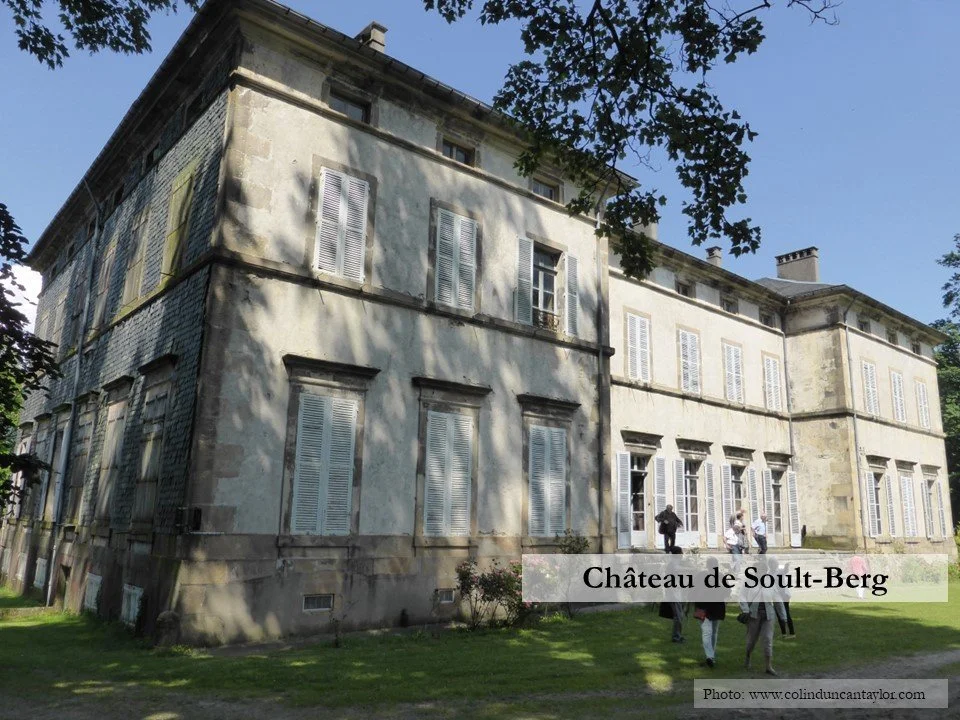
How Wellington finally laid his hands on Napoleon’s greatest general
Soult and Wellington never met face-to-face during all the years they spent fighting each other in Portugal, Spain, France and Belgium. But according to a tale I was told during a visit to the Château de Soult-Berg, this long-overdue encounter took place at the coronation of Queen Victoria in London.
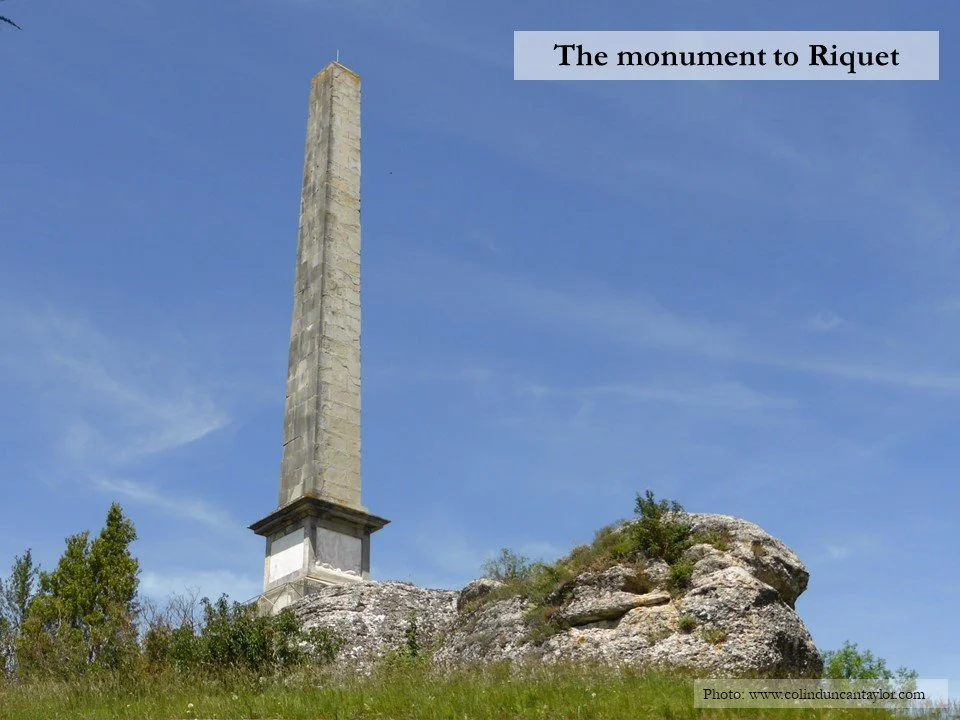
So many reasons to visit Naurouze, not far from Toulouse
Naurouze is one of those places that seems to attract legends and history, as well as being notable from a geological and geographic perspective. It is located south-east of Toulouse, conveniently close to the main road between Villefranche-de-Lauragais and Castelnaudary.
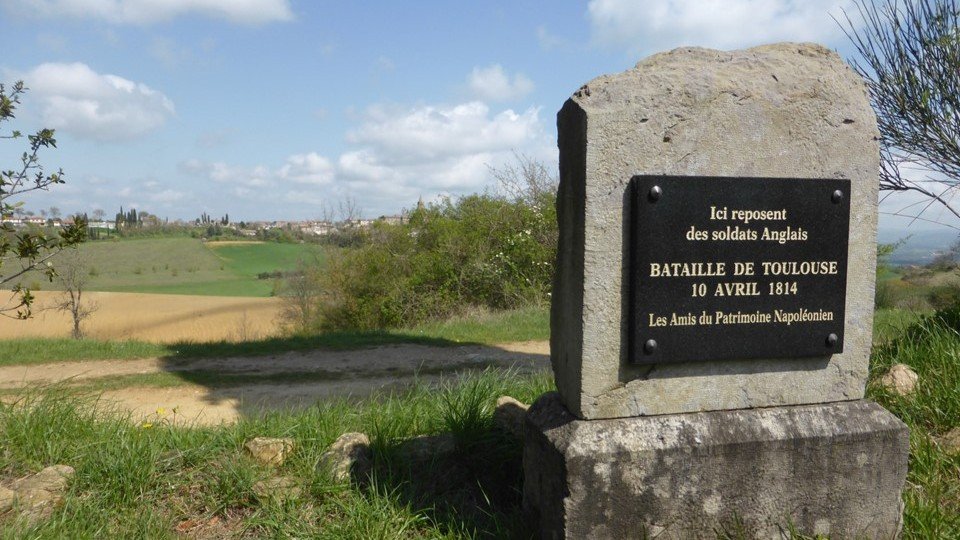
When is an English Cemetery not an English Cemetery?
Two places to the east of Toulouse are known as le cimitière des anglais, or the English cemetery. The question is, are any Englishmen buried there?
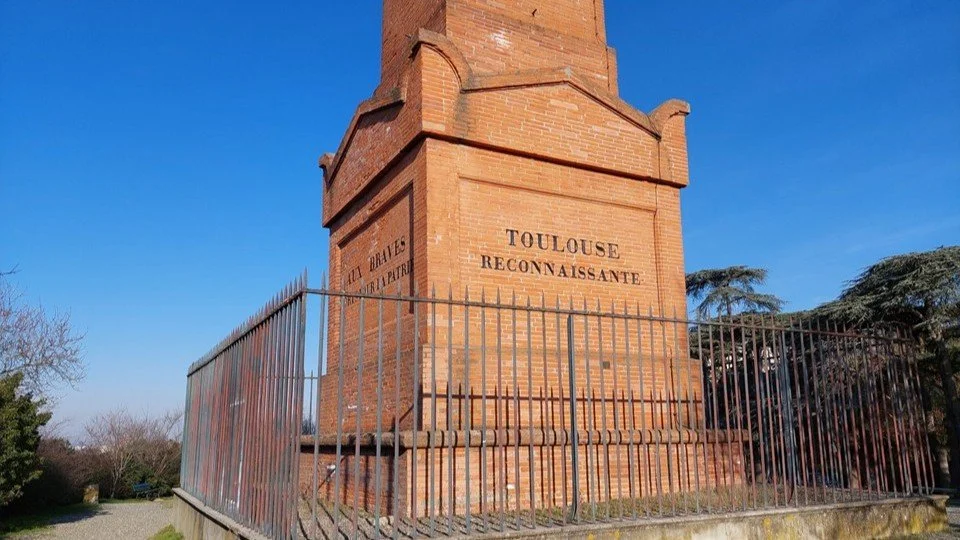
Who won the Battle of Toulouse, 10 April 1814?
The Battle of Toulouse 1814 between the armies of Wellington and Soult would never have taken place if a couple of colonels from Paris had ridden their horses a little faster.
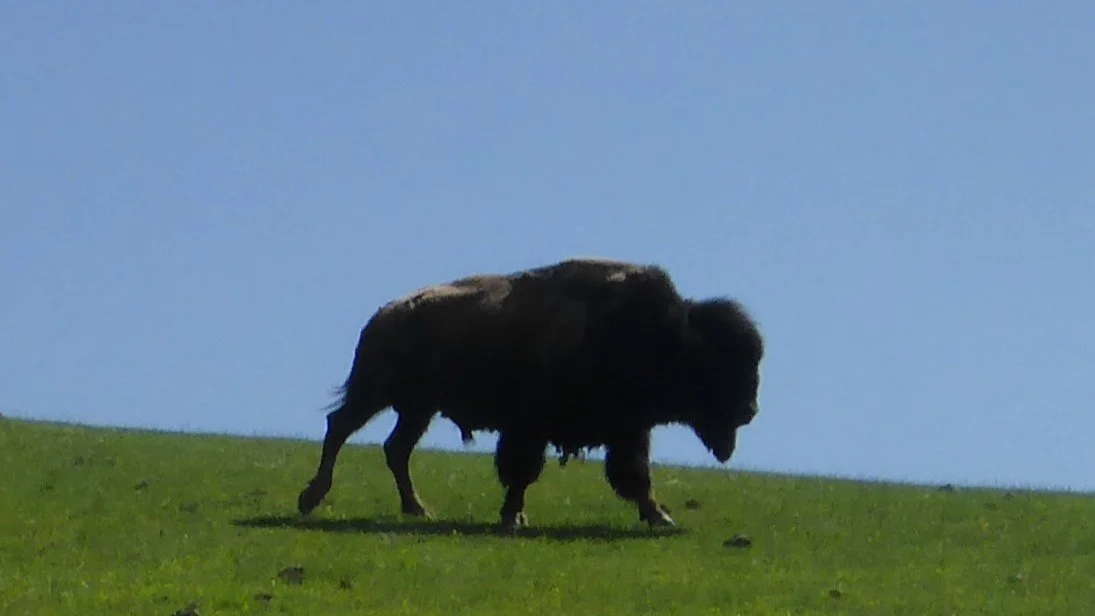
Bison: the dominant theme in Pyrenean cave art
This posts recounts a visit I made to La Ferme aux Bisons in the hope that a face-to-face encounter with a living, breathing bison might help me to understand why this beast inspired so many prehistoric artists. Curiously, the animals that were hunted the most often were not the same as the ones most frequently painted.
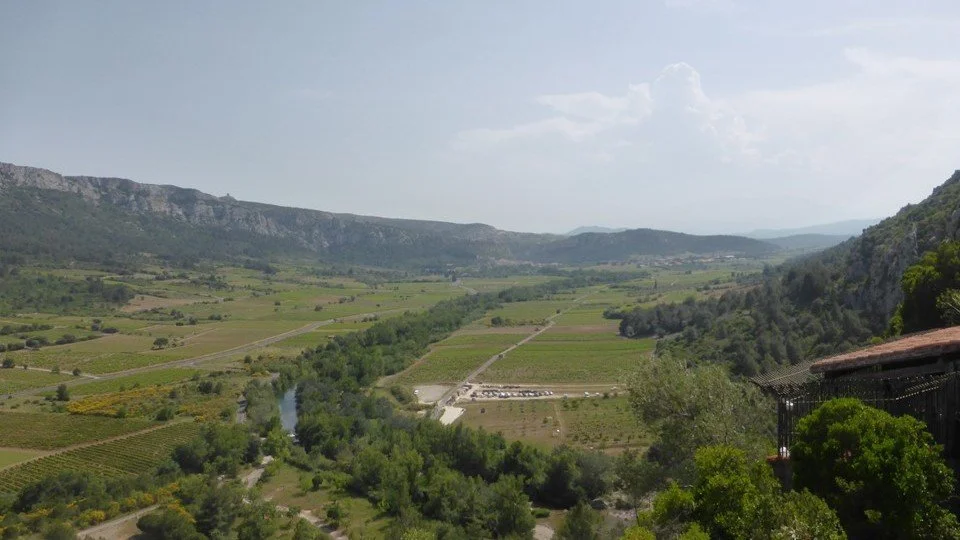
Prehistoric caves of Occitanie 6 - Caune de l’Arago and the Tautavel museum of prehistory
The cave known as the Caune de l'Arago has given us the oldest human remain yet found in France (a child's tooth). But the greater part of its fame is due to Tautavel Man, the hunter who spent time here with his family 450,000 years ago, and parts of whose skull was dug up in 1971.
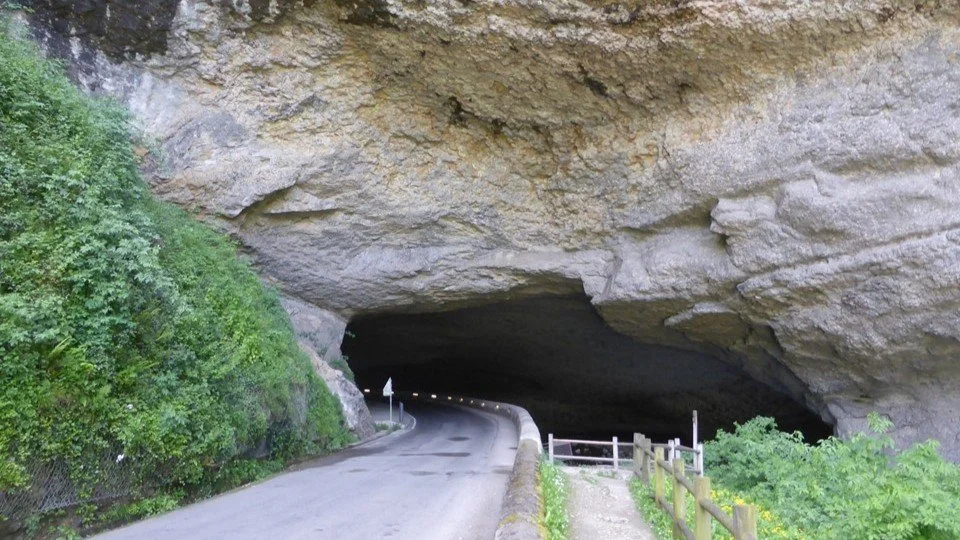
Prehistoric caves of Occitanie 5 - Grotte de Mas d’Azil
The most astonishing aspect of the Grotte de Mas d’Azil is that you can drive right through it on the D119. Although the road seems out of place, its construction in the 1850s was the first step towards the discovery of the cavern’s archaeological importance.
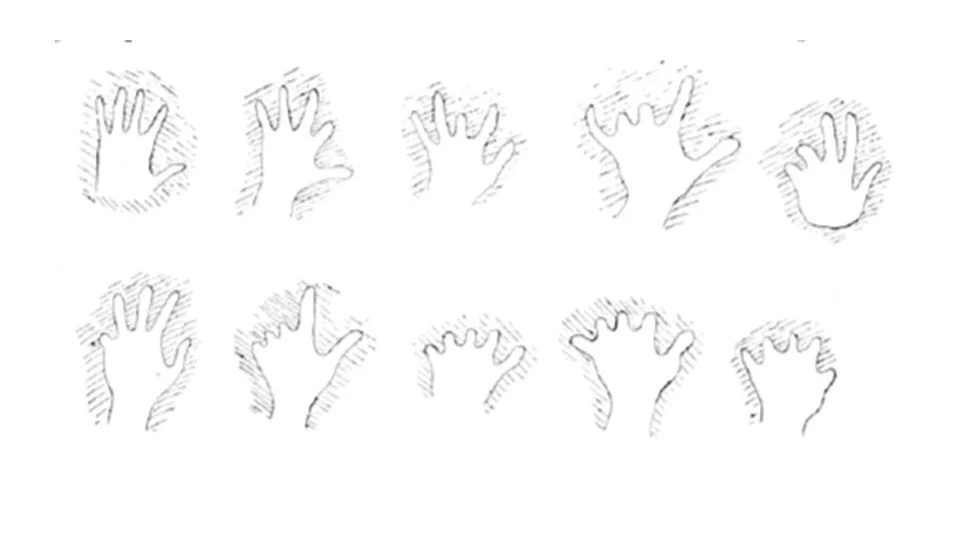
Prehistoric caves of Occitanie 4 - Grotte de Gargas
If you want to see prehistoric handprints made by men, women and children, the Grotte de Gargas is the best place in the world.
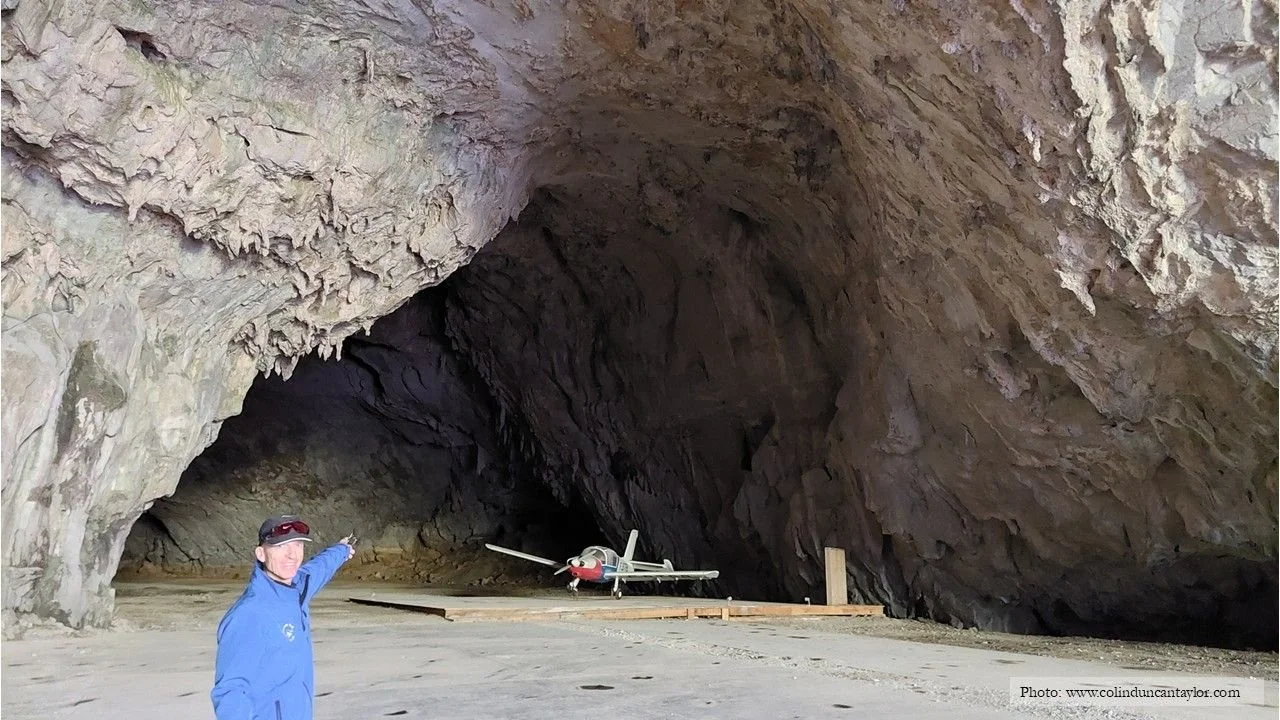
Prehistoric caves of Occitanie 3 - Grotte de Bédeilhac
At first sight, the Grotte de Bédeilhac does little to evoke thoughts of prehistory. A wide concrete floor leads through the cavernous entrance and melts away into darkness. In the half-light, a small aircraft offers a misleading clue to the origins of this unusual surface.
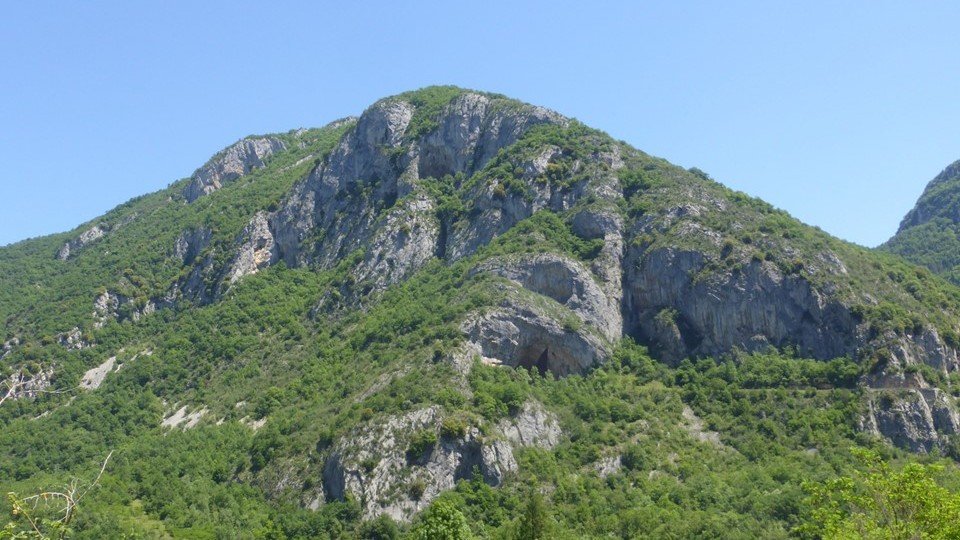
Prehistoric caves of Occitanie 2 - Grotte de Niaux
The Grotte de Niaux on the outskirts of Tarascon-sur-Ariège is famous for its prehistoric paintings of bison, deer, ibex, horses and even a fish.