South of France, the Pyrenees and northern Spain
(latest to oldest articles)
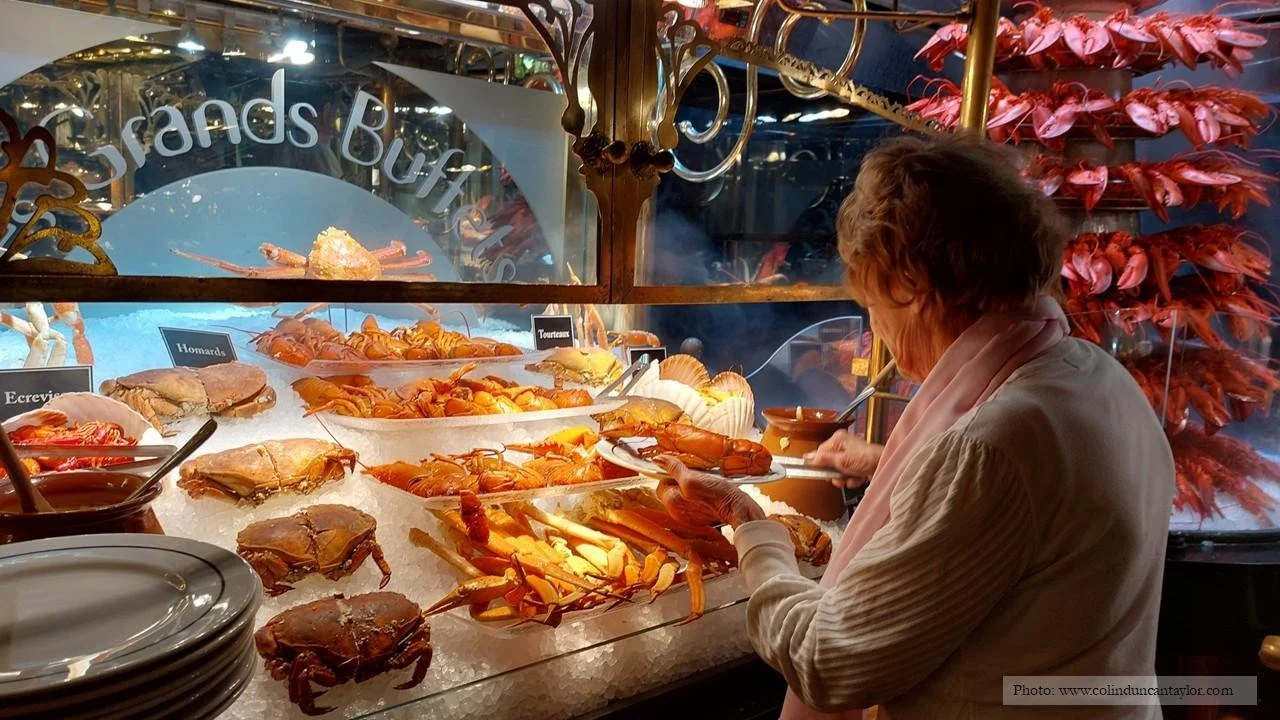
Occitan gastronomy on the grandest scale
I have often written about the gastronomy of southern France, particularly from a historical angle, but never before have I devoted an entire article to a single restaurant. I am making an exception for Les Grands Buffets in Narbonne because it is an exceptional eatery in so many ways.

In the footsteps of Dom Robert
Dom Robert’s tapestries were inspired by nature in general and the Montagne Noire in particular. This country hike visits 11 viewpoints associated with his work.
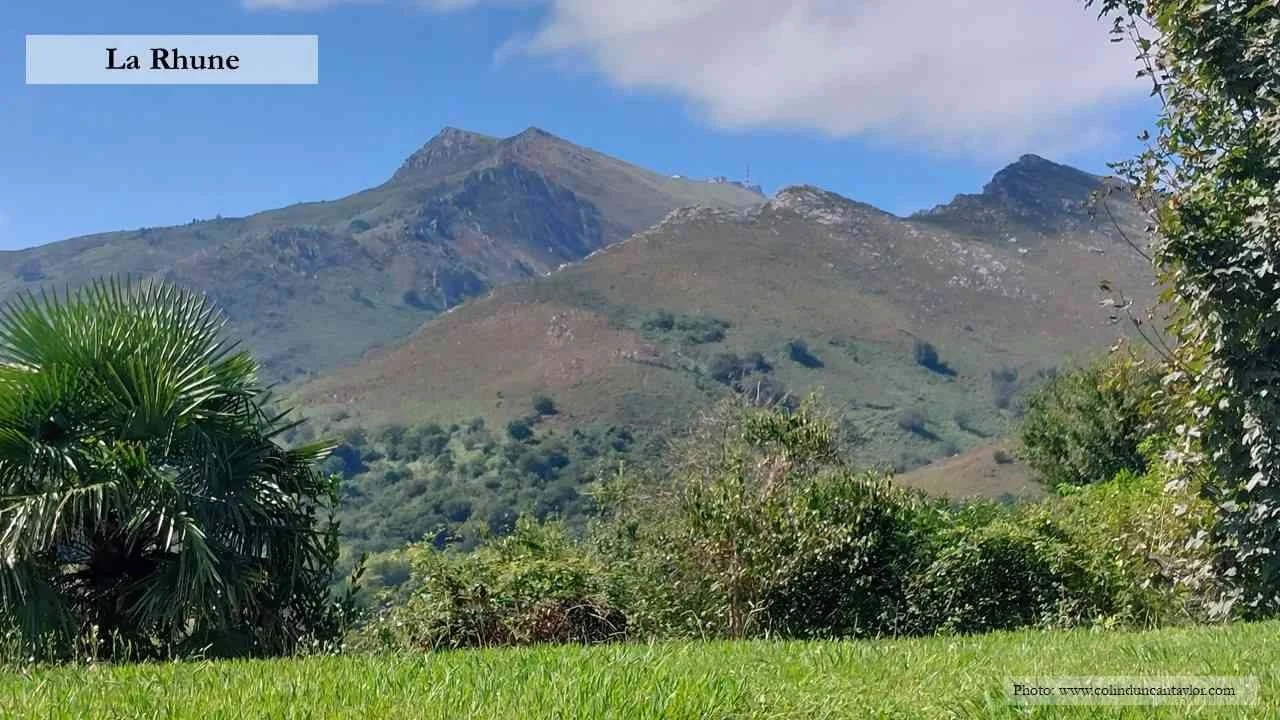
Biarritz, La Rhune and Empress Eugénie
In 1859, Eugénie, wife of Emperor Napoleon III, climbed this mountain in grand style. She also did much to develop tourism in Biarritz, Eaux-Bonnes and other parts of the western Pyrenees. Most modern visitors climb the mountain with the help of the scenic mountain railway.
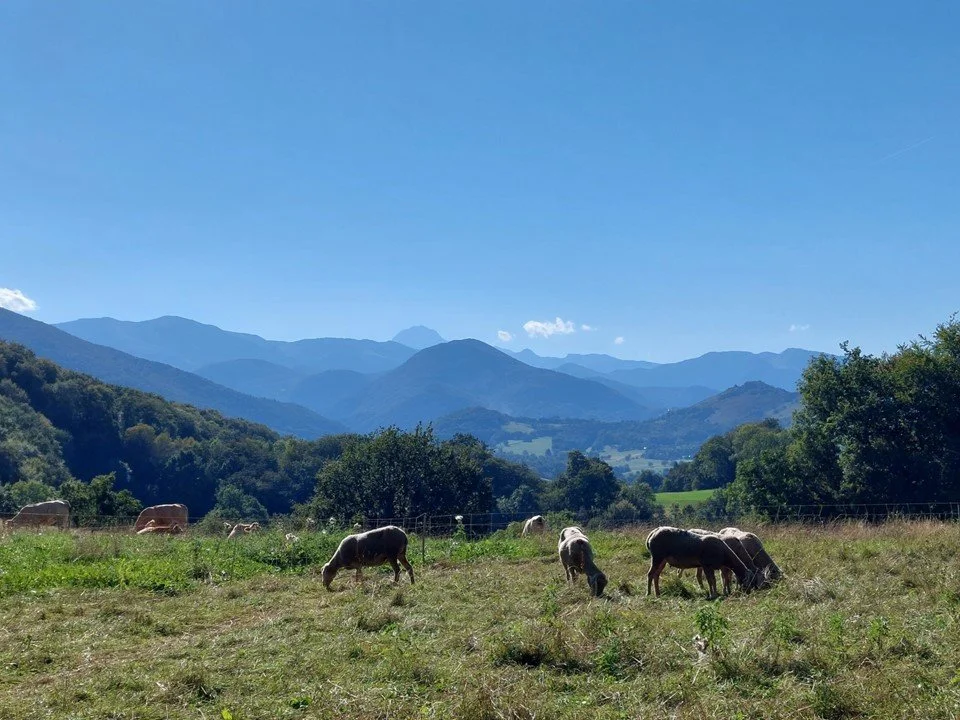
Sacred, secret Pyrenees
I recently discovered a place which soothes the soul in these troubled times, a remote village where the church is unlocked and the bijou museum opens its doors at the touch of a button to reveal its treasures, a place with breathtaking views of Pyrenean peaks.
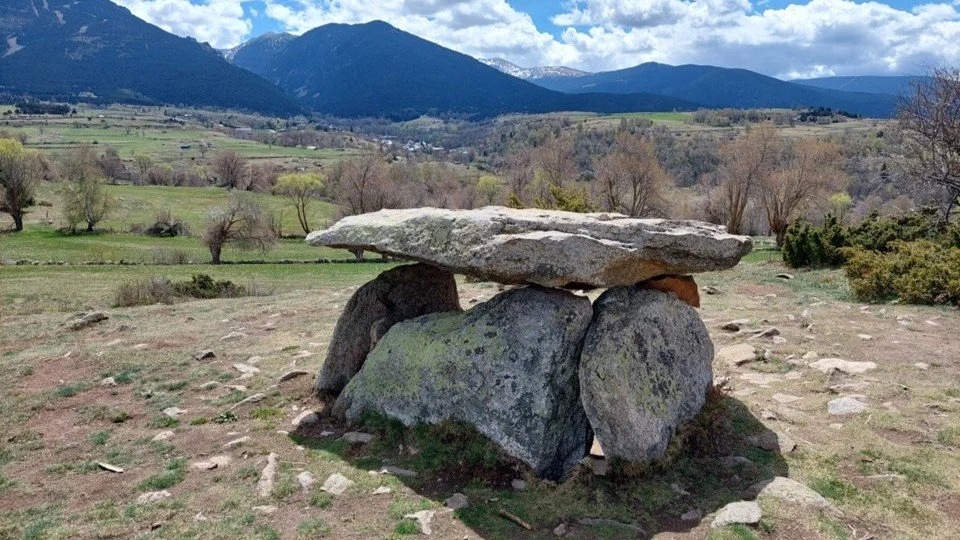
A family stroll through prehistory in the Pyrenees
One of my favourite short walks in the Cerdagne is a five-kilometre balade néolithique, or Stone Age stroll, around the village of Eyne. As well as fine views of the Pyrenees, visitors of all ages will be astonished to discover such a wide range of ancient monuments in such a short distance. To help make sense of it all, the tourist office has erected a well-written and nicely-illustrated information board at each of nine stops along the route.
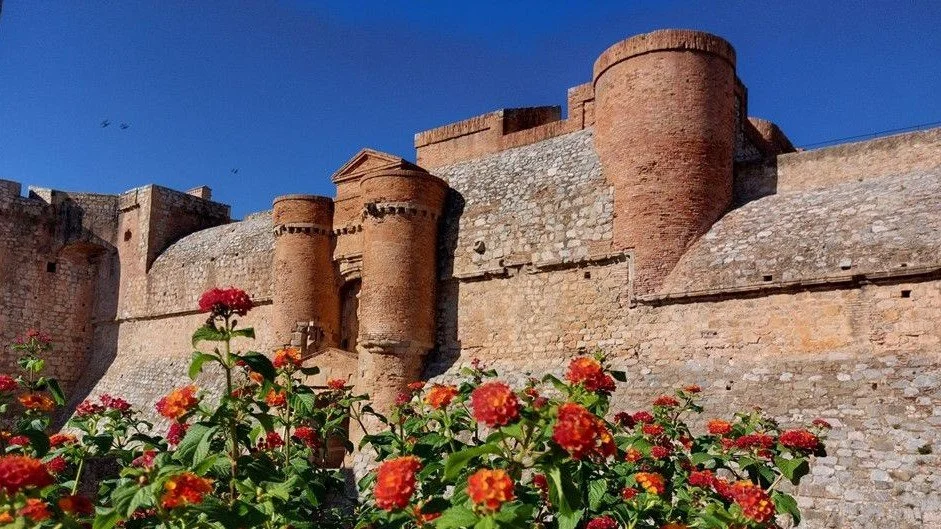
Forteresse de Salses: discovering history on the autoroutes of France
An autoroute rest area with a difference: discover the Forteresse de Salses, built in 1497, besieged many times until it was made redundant in 1659 by the Treaty of the Pyrenees which moved the border 40 kilometres further south.
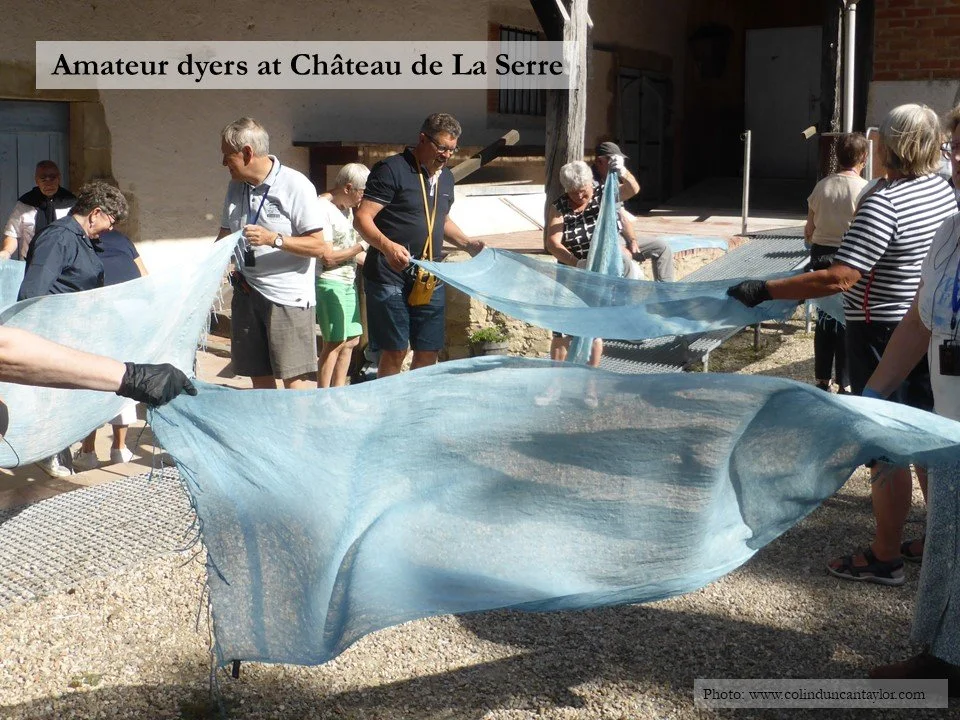
Wearing woad, Napoleon and a charity for sick children
Discover how 19th-century blockades by the British led to Napoleon's attempt to resurrect woad, or pastel.
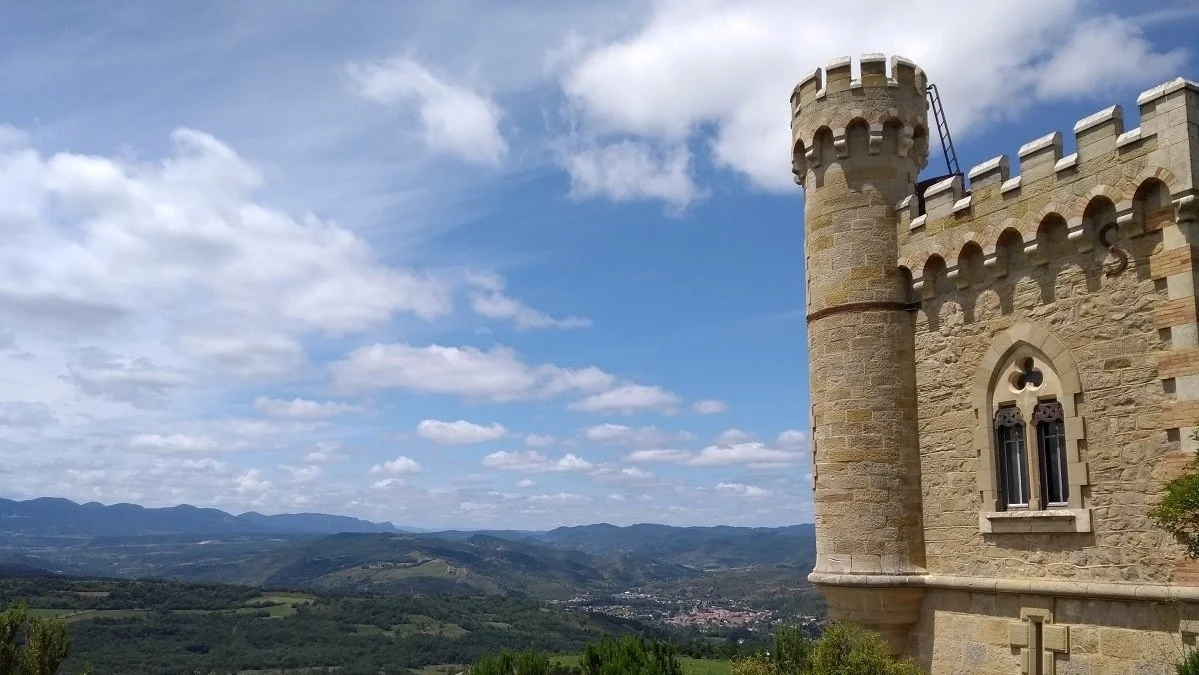
A tale of buried treasure and marketing genius
The mysteries of Rennes-le-Château have inspired enough books to open a bookshop. At the root of this phenomenol success was a master of creative marketing who had a brainwave in 1956.
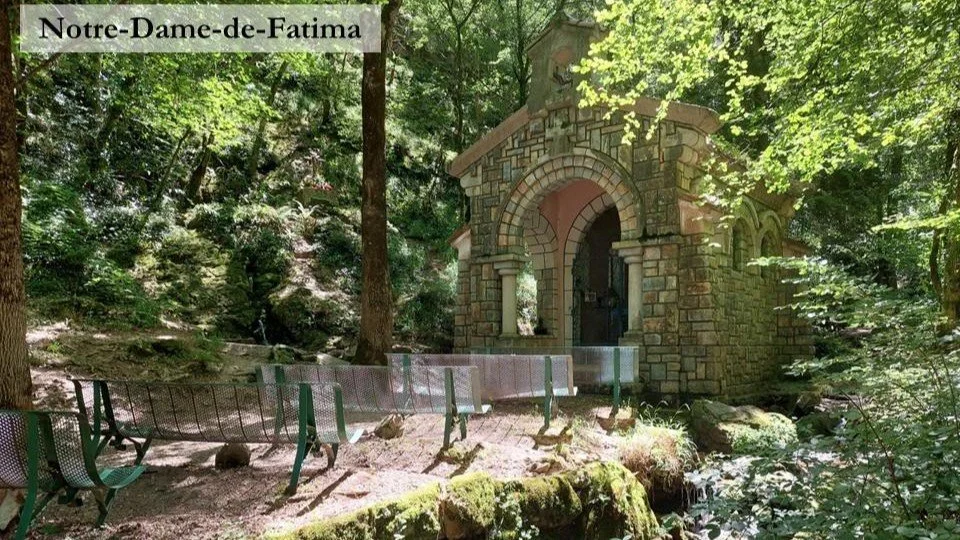
Religious pearls of the Montagne Noire
Discover a secret Protestant cemetery, a long-abandoned church, a bijou monastery reclaimed by the forest, and a rustic chapel which would be the perfect location for hobbits and wood elves if they were organising a wedding.
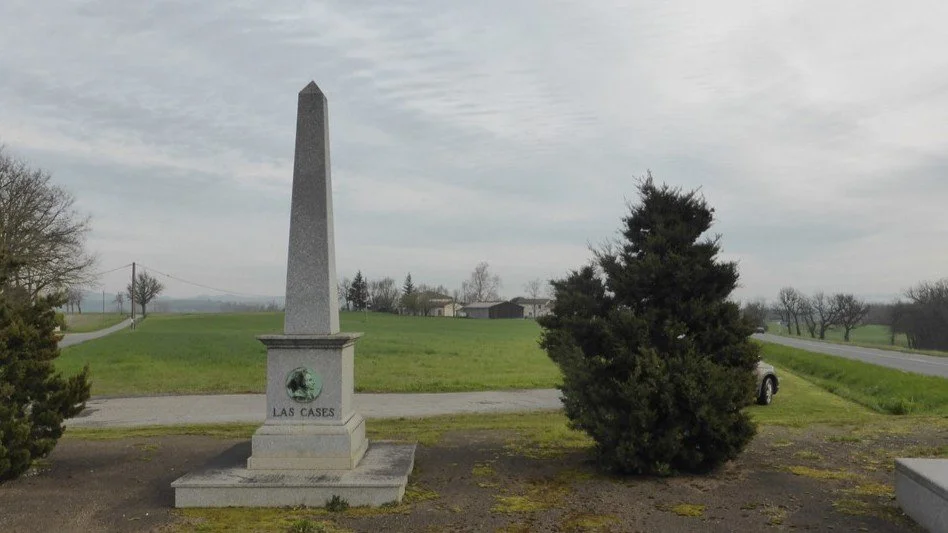
The pig farmer, the Roman tilemaker and Napoleon’s companion in exile
Most people visiting Las Cases barely glance at the château. Instead, they dive straight inside the farm shop to buy dried hams, sausages or fresh pork. But before the Malinge family started making charcuterie, Las Cases had enjoyed a curious succession of occupants.
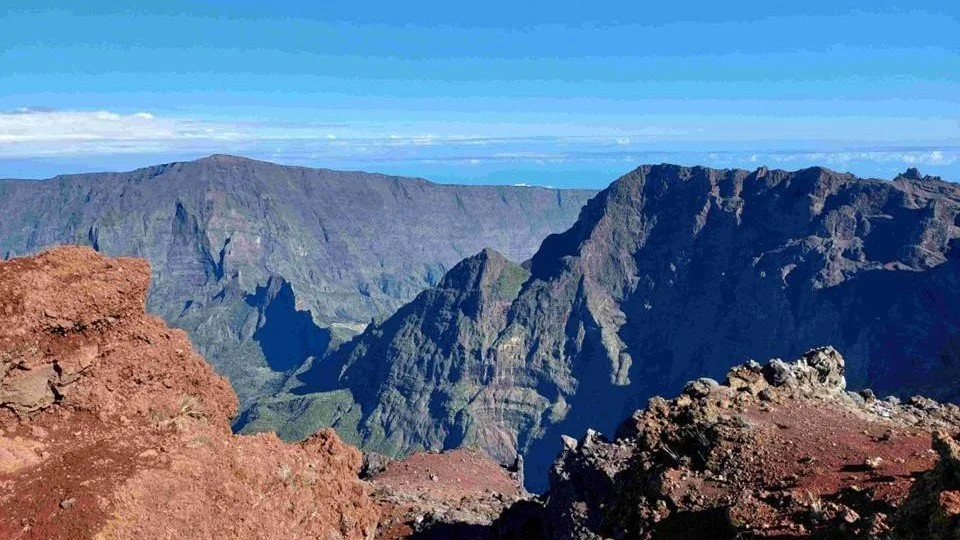
Which is the most southerly French department?
Although it lies 9,000-kilometre south of Paris in the Indian Ocean, the volcanic island of La Réunion is a true French department, making it the most far-flung corner of the European Union.
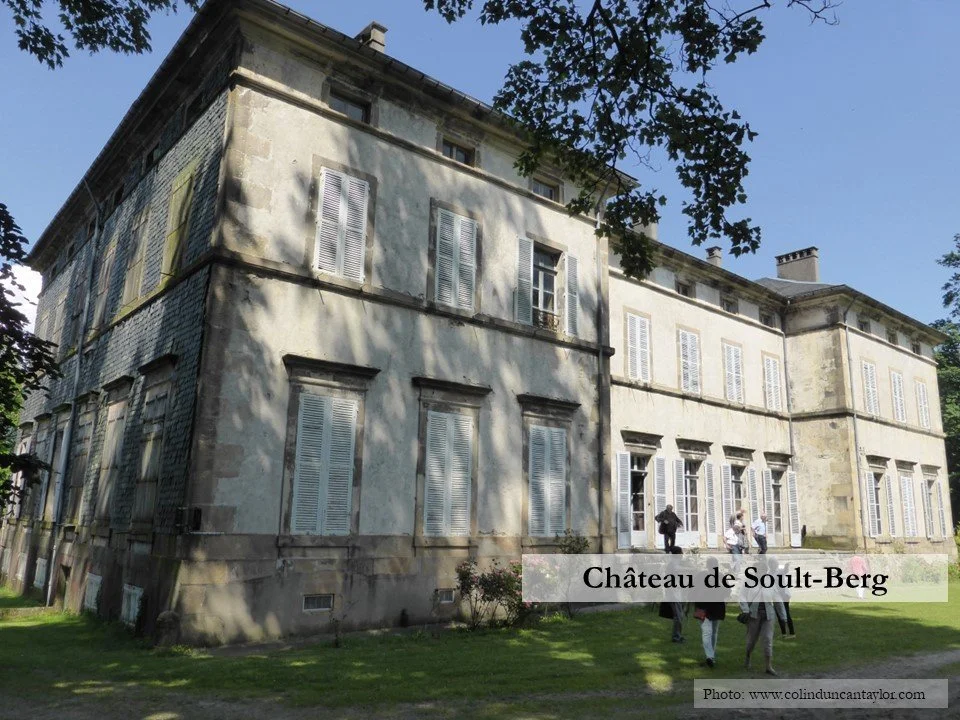
How Wellington finally laid his hands on Napoleon’s greatest general
Soult and Wellington never met face-to-face during all the years they spent fighting each other in Portugal, Spain, France and Belgium. But according to a tale I was told during a visit to the Château de Soult-Berg, this long-overdue encounter took place at the coronation of Queen Victoria in London.
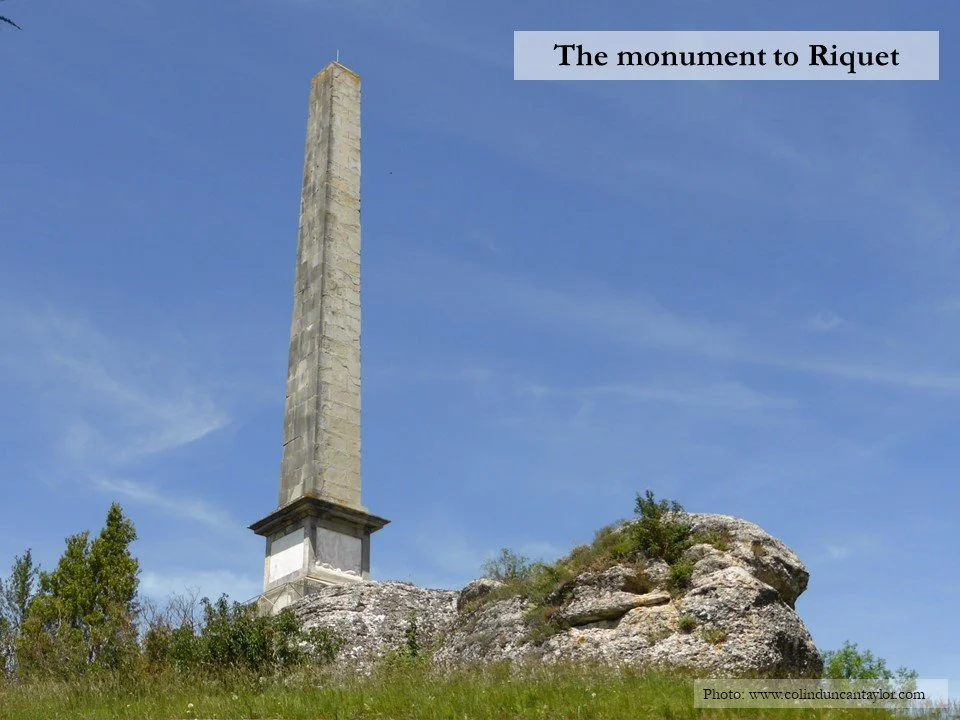
So many reasons to visit Naurouze, not far from Toulouse
Naurouze is one of those places that seems to attract legends and history, as well as being notable from a geological and geographic perspective. It is located south-east of Toulouse, conveniently close to the main road between Villefranche-de-Lauragais and Castelnaudary.
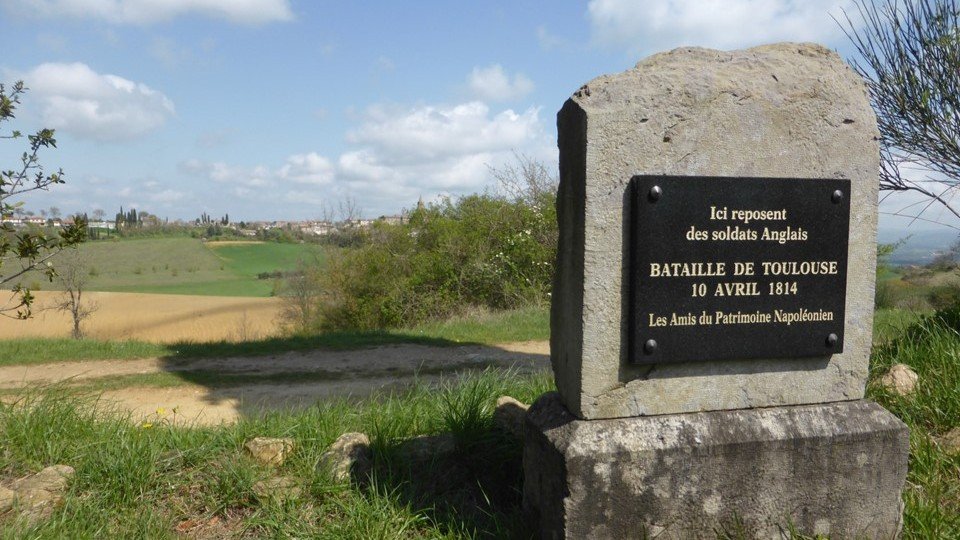
When is an English Cemetery not an English Cemetery?
Two places to the east of Toulouse are known as le cimitière des anglais, or the English cemetery. The question is, are any Englishmen buried there?
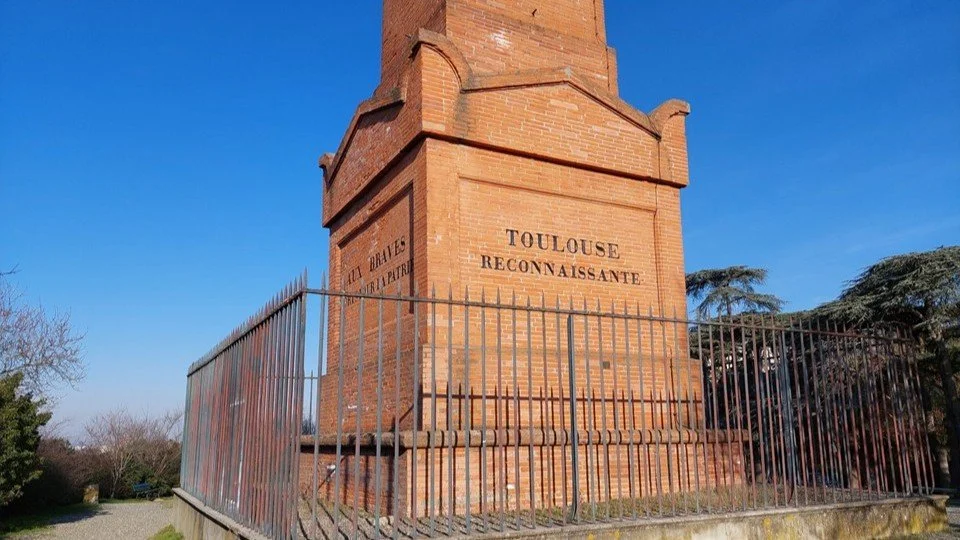
Who won the Battle of Toulouse, 10 April 1814?
The Battle of Toulouse 1814 between the armies of Wellington and Soult would never have taken place if a couple of colonels from Paris had ridden their horses a little faster.