South of France, the Pyrenees and northern Spain
(latest to oldest articles)
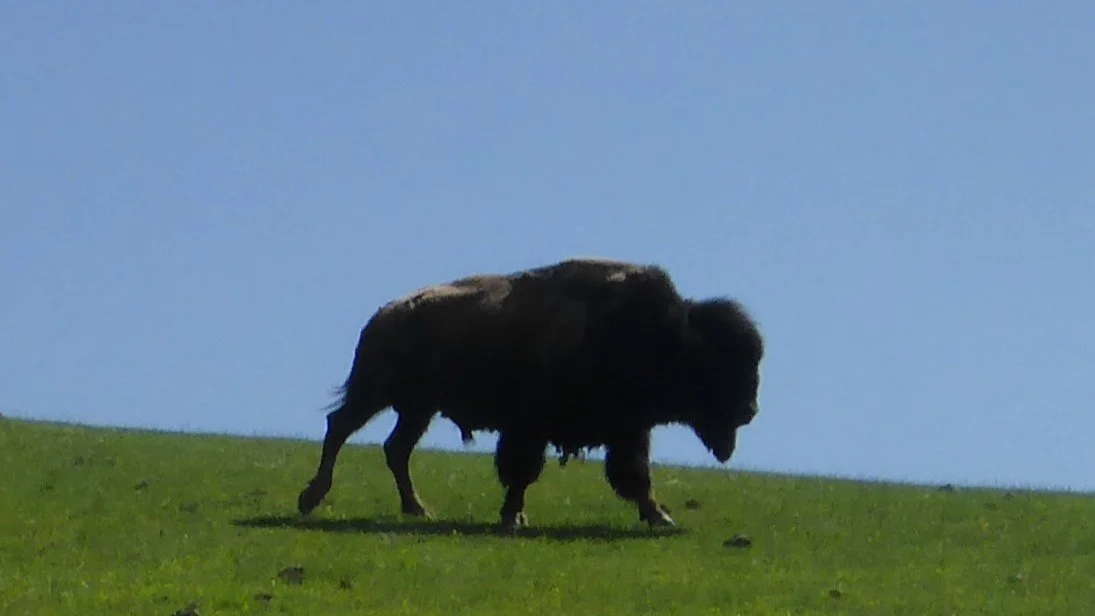
Bison: the dominant theme in Pyrenean cave art
This posts recounts a visit I made to La Ferme aux Bisons in the hope that a face-to-face encounter with a living, breathing bison might help me to understand why this beast inspired so many prehistoric artists. Curiously, the animals that were hunted the most often were not the same as the ones most frequently painted.
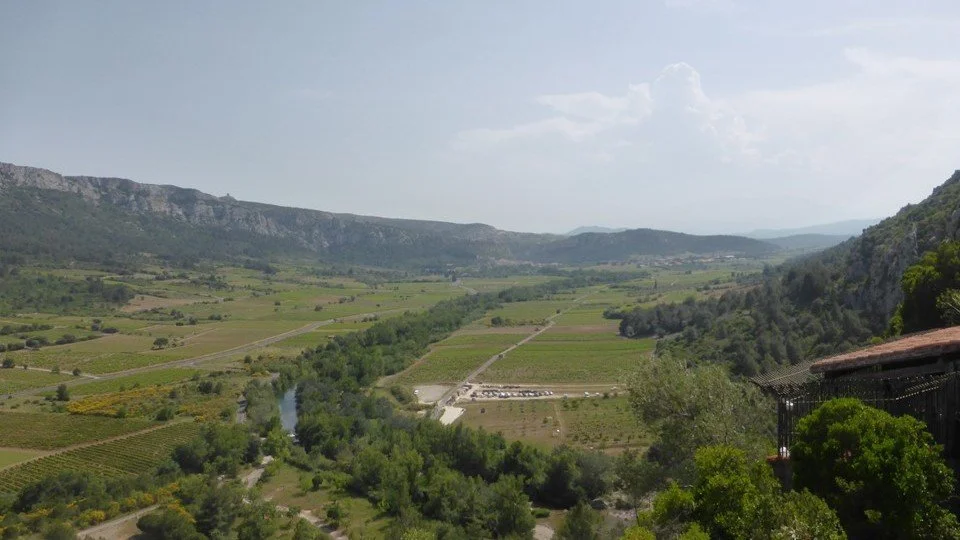
Prehistoric caves of Occitanie 6 - Caune de l’Arago and the Tautavel museum of prehistory
The cave known as the Caune de l'Arago has given us the oldest human remain yet found in France (a child's tooth). But the greater part of its fame is due to Tautavel Man, the hunter who spent time here with his family 450,000 years ago, and parts of whose skull was dug up in 1971.
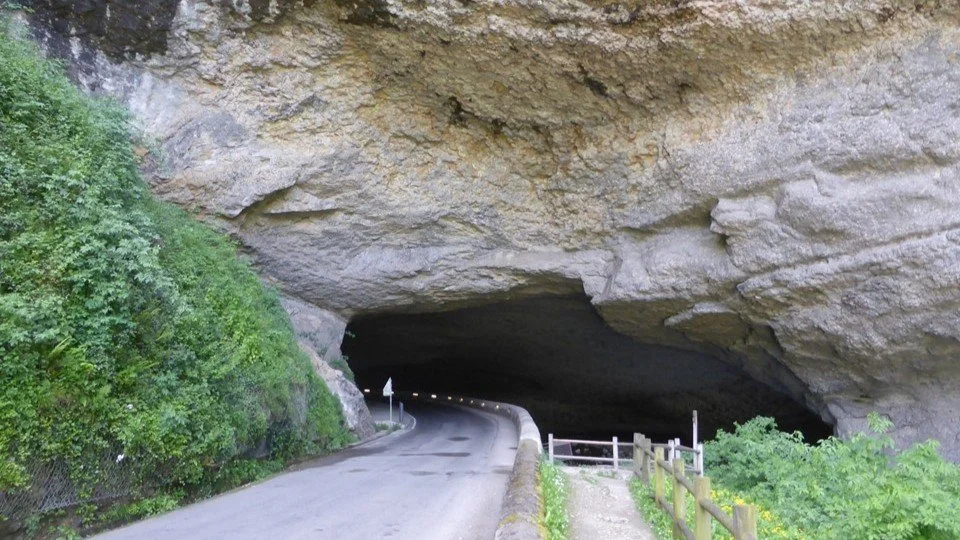
Prehistoric caves of Occitanie 5 - Grotte de Mas d’Azil
The most astonishing aspect of the Grotte de Mas d’Azil is that you can drive right through it on the D119. Although the road seems out of place, its construction in the 1850s was the first step towards the discovery of the cavern’s archaeological importance.
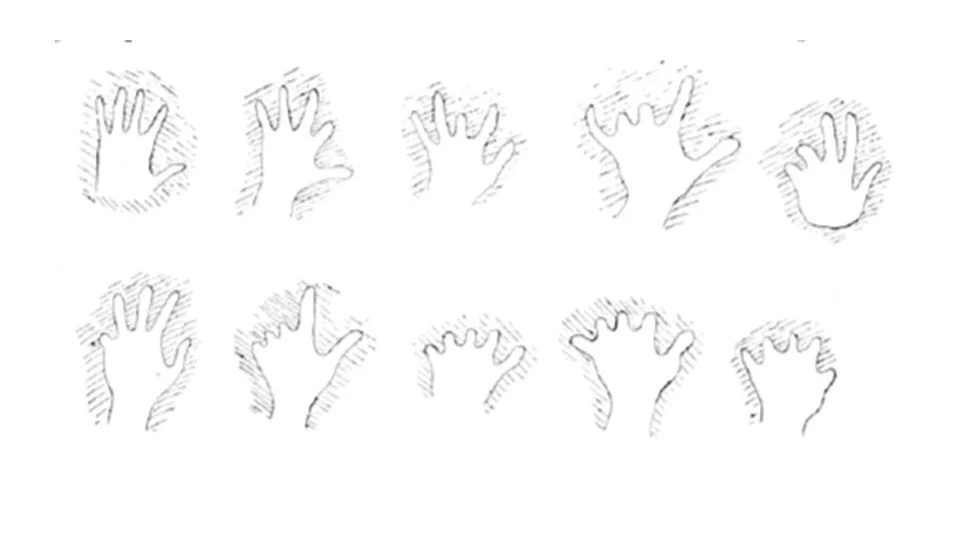
Prehistoric caves of Occitanie 4 - Grotte de Gargas
If you want to see prehistoric handprints made by men, women and children, the Grotte de Gargas is the best place in the world.
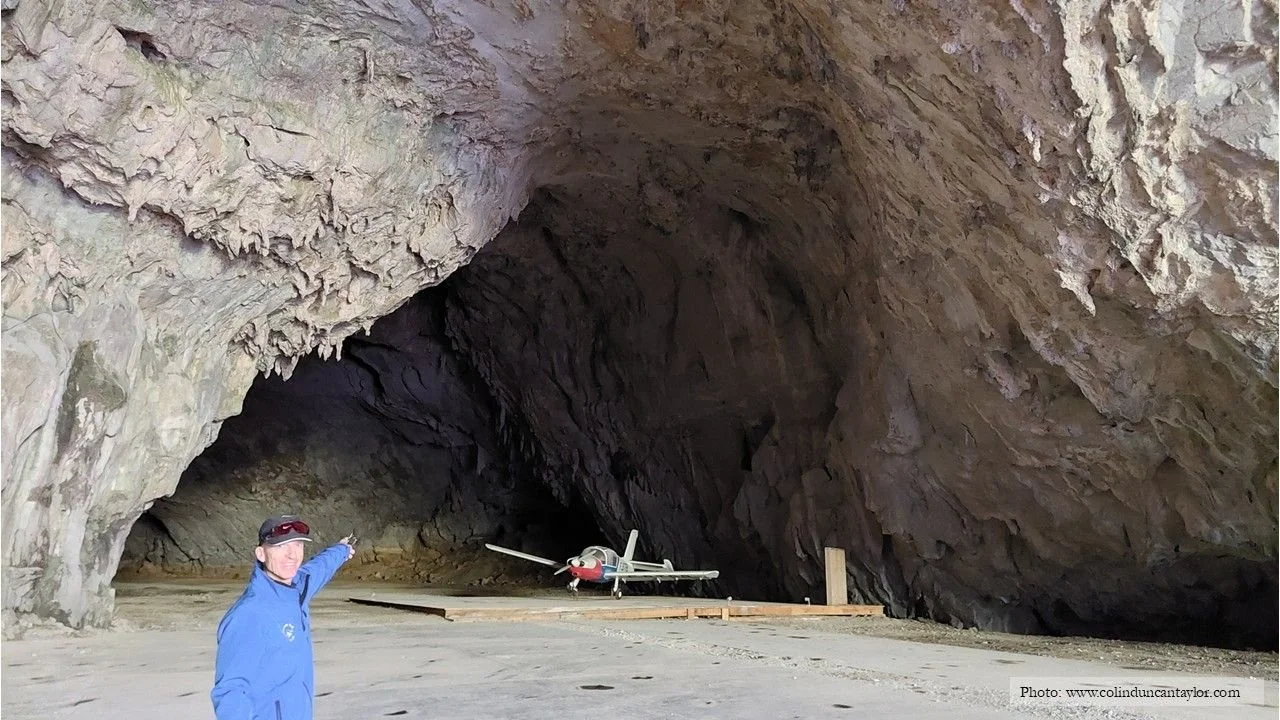
Prehistoric caves of Occitanie 3 - Grotte de Bédeilhac
At first sight, the Grotte de Bédeilhac does little to evoke thoughts of prehistory. A wide concrete floor leads through the cavernous entrance and melts away into darkness. In the half-light, a small aircraft offers a misleading clue to the origins of this unusual surface.
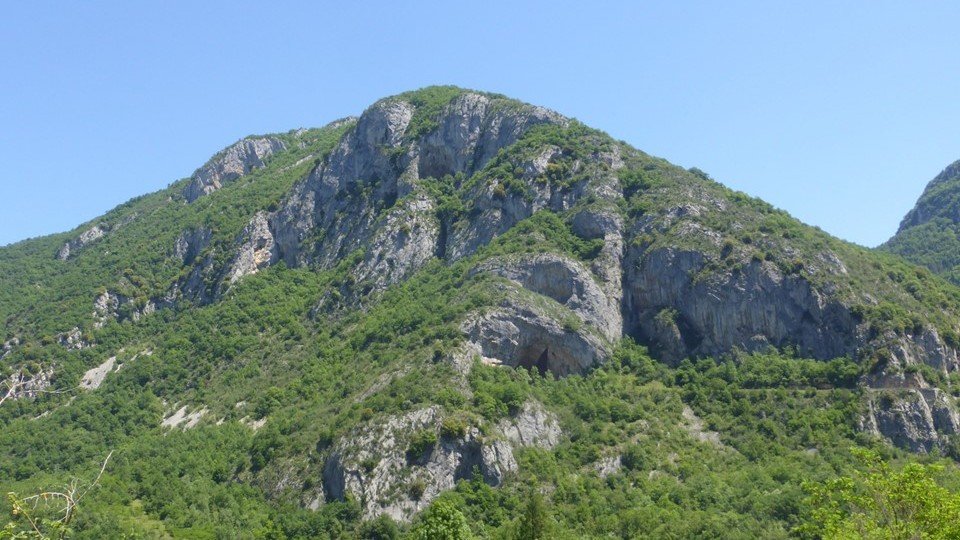
Prehistoric caves of Occitanie 2 - Grotte de Niaux
The Grotte de Niaux on the outskirts of Tarascon-sur-Ariège is famous for its prehistoric paintings of bison, deer, ibex, horses and even a fish.

Prehistoric caves of Occitanie 1 - Grotte d’Aurignac
Aurignac is an unpretentious cave barely the size of my garage, but it has played an outsized role in the development of prehistory as a scientific discipline, and it gave its name to the oldest modern human culture in Europe.

A whistle-stop tour of the Pyrenees
This is a circular journey of 470km made entirely by train, which you can start and finish at many stations along the way. An optional 5.6 kilometre walk in the high Pyrenees turns the journey into an international voyage that takes in the Spanish town of Puigcerda.

Limoux, where the carnival goes with a fizz
The town of Limoux lies on the river Aude 25 kilometres upstream from Carcassonne. It has two claims to international fame: its carnival and its sparkling wine.
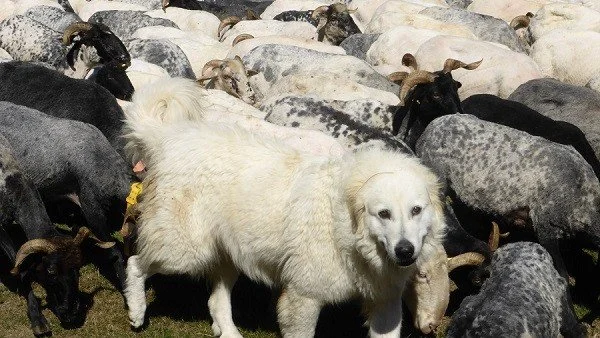
A shaggy dog story: how a few bears rescued the Pyrenean Mountain dog
Traditionally they were trained to defend flocks of sheep from bears and wolves, but during the second half of the 20th century the Pyrenean Mountain dog all but disappeared from its home range, along with the predators it used to confront. With a little help from Slovenia, this iconic dog has made a come back in recent years.
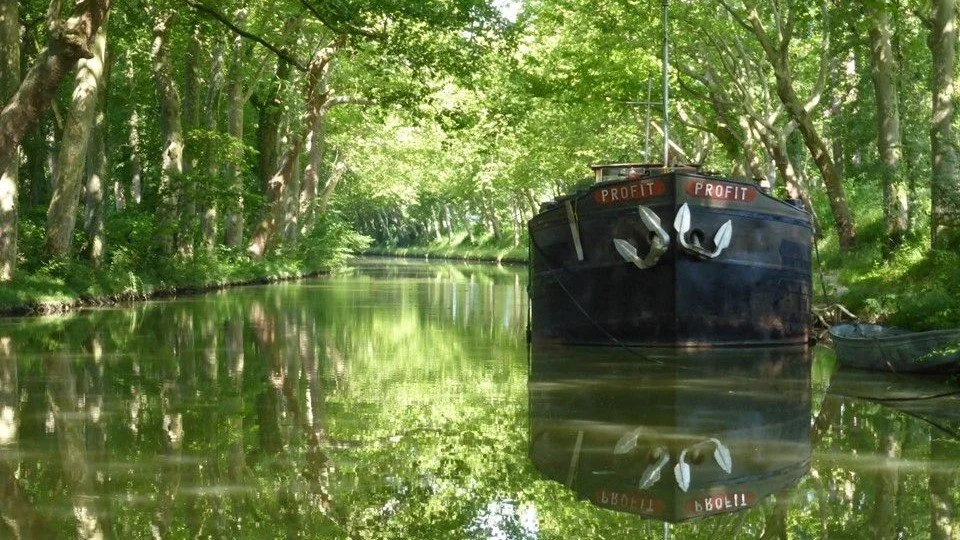
Equal opportunities on the Canal du Midi in 1669
Pierre-Paul Riquet offered his workers sick pay, holiday pay, monthly pay, equal pay, and he expressed a preference for employing females. Why did he make such a generous and enlightened offer?
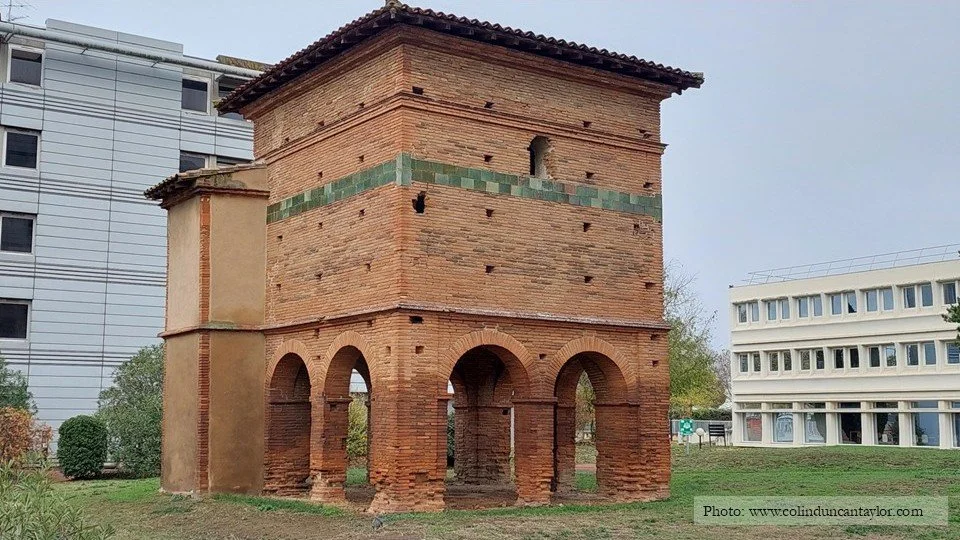
Pigeonniers in the urban landscape of Toulouse
Follow this 22-kilometre circuit in Toulouse and discover eight magnificent pigeonniers built between the 17th and 19th centuries.
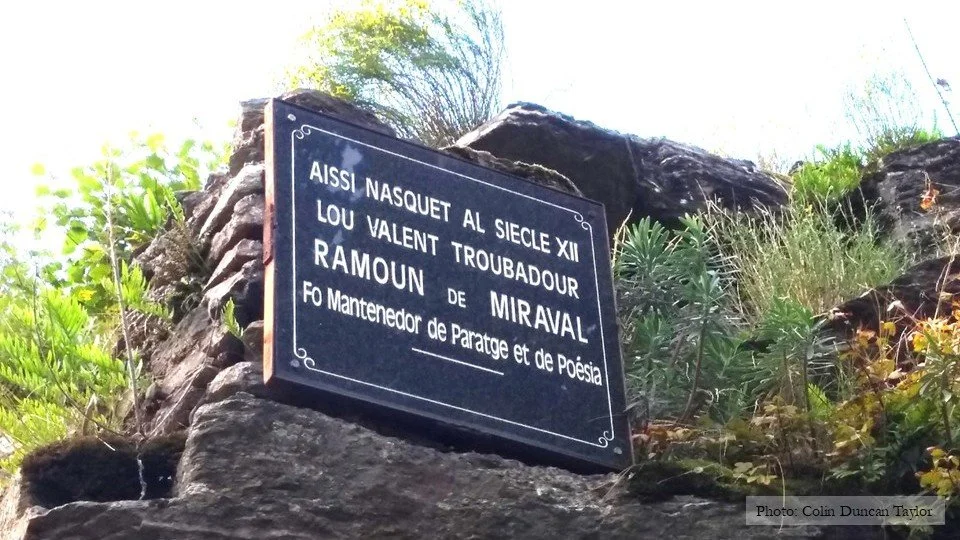
Raimon de Miraval – the trials and tribulations of a 12th century troubadour
Raimon de Miraval was a troubadour who truly lived his art. This poor knight fell hopelessly in love with the wives of the two brothers who owned the bigger château next door, and in his old age he was tempted to come out of retirement in a bid to save the world, the Cathar world, from destruction by Simon de Montfort and his crusaders.
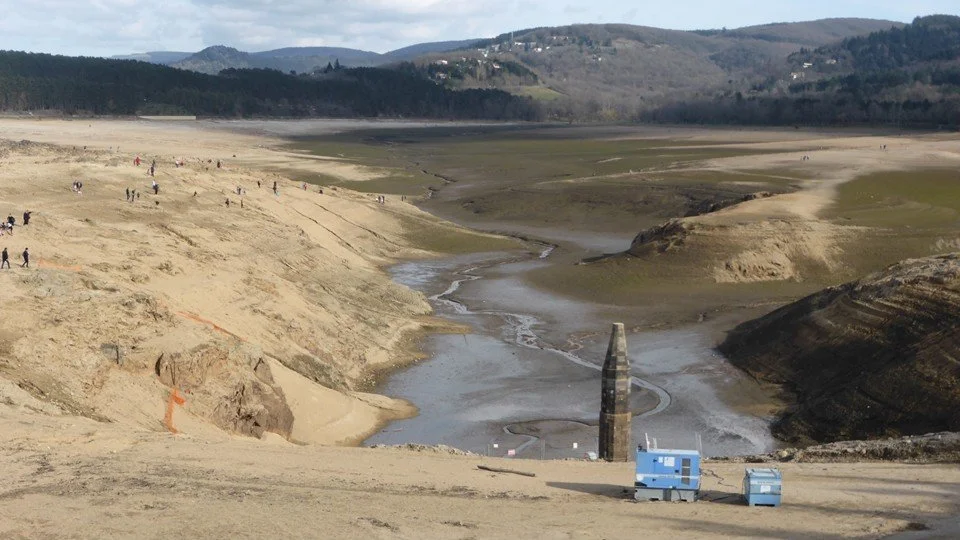
The mysterious object in the lake
The obelisk in the lake at Saint-Ferréol only shows itself during times of extreme drought (eg 2022) or when the lake is drained for maintenance (last done in the winter of 2016-17). What is its purpose?
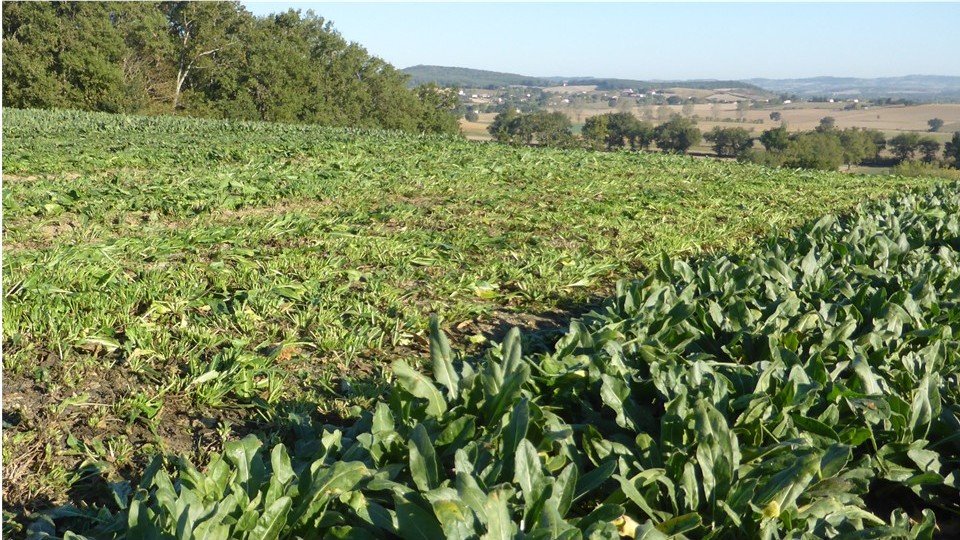
The secret of pastel, or how to turn a green plant into blue and gold
In English, isatis tinctoria is commonly known as woad. In Toulouse it was pastel. Extracting the blue dye from these green leaves was a long and complicated process, but it generated enormous wealth for the region.