South of France, the Pyrenees and northern Spain
(latest to oldest articles)
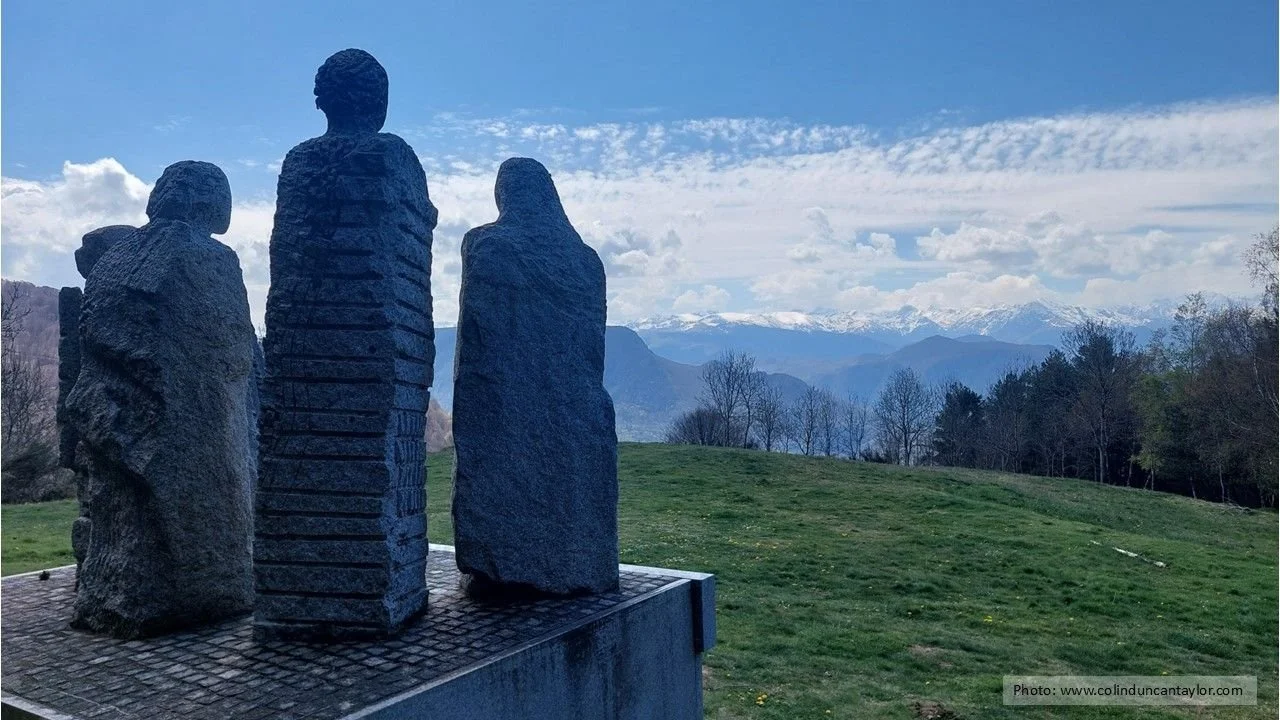
The Resistance, the Bolivian and some deadly caterpillars
In a forest clearing halfway up a mountain, five granite figures stare into the distance and dream of freedom. Who carved them, and what do they represent?
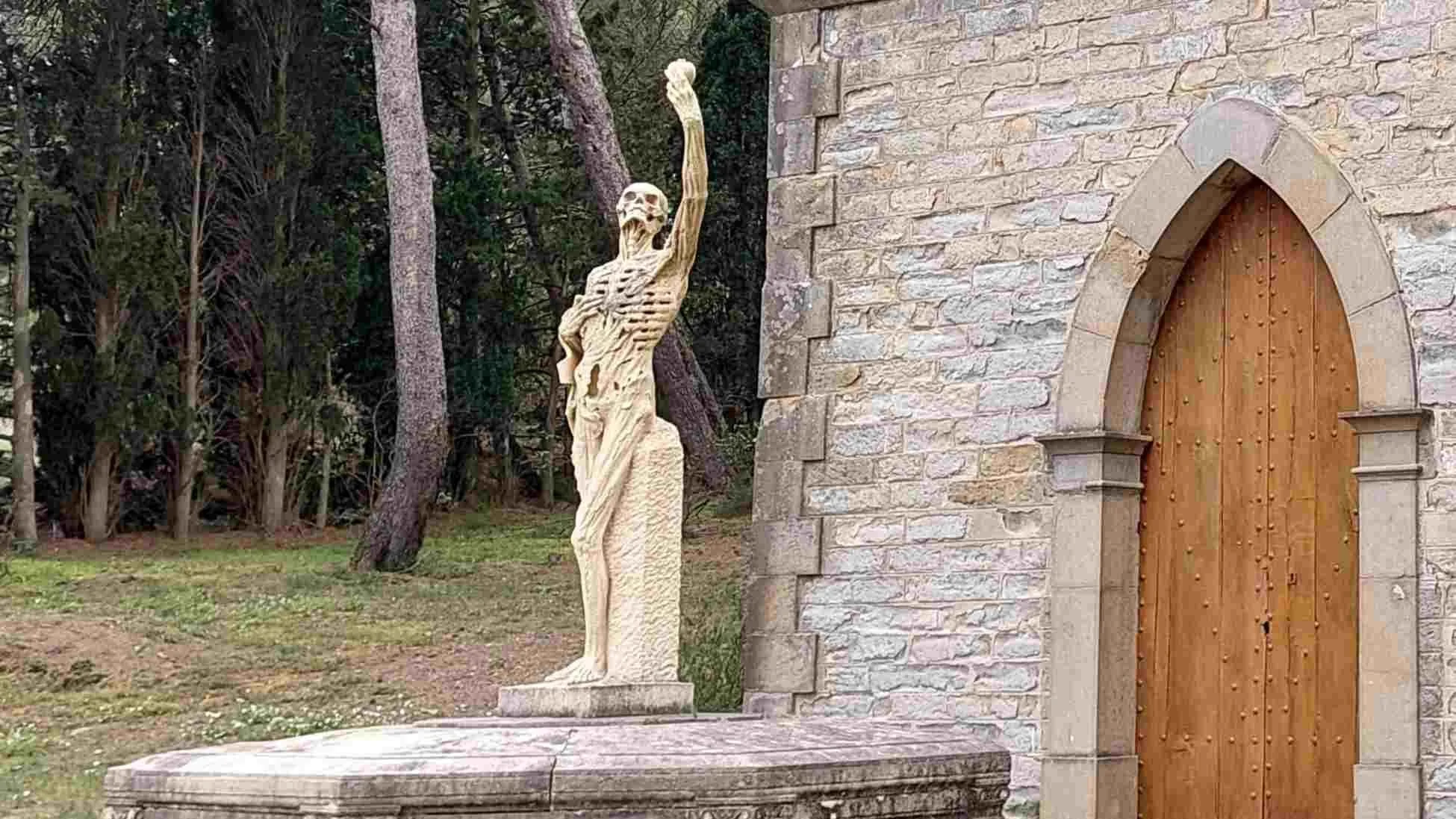
A dramatic tomb for a forgotten playwright
With a poet’s eye for drama, Henry Bataille knew exactly how he wanted to be buried. Although his dramatic output has passed into oblivion, his tomb is unforgettable. It may even give you nightmares.
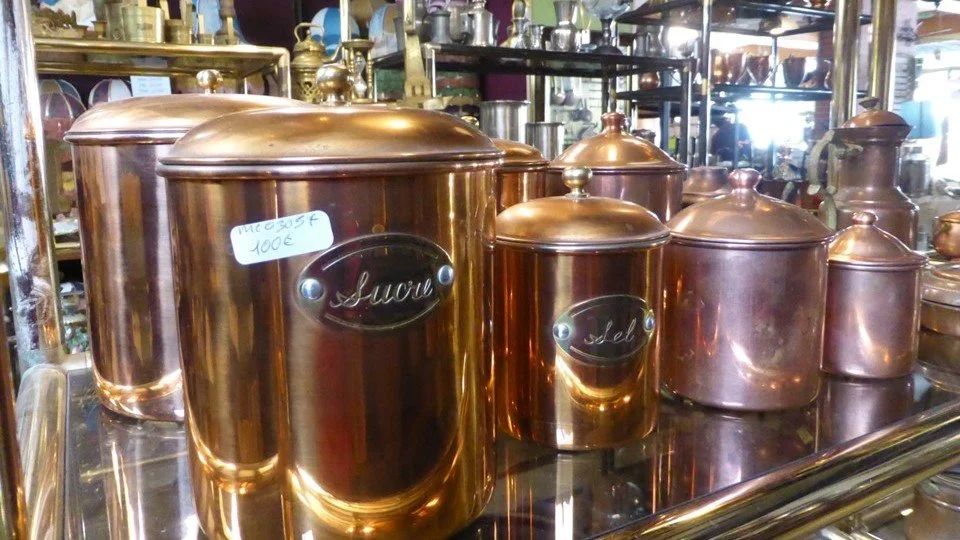
From brigand to metal-basher: explore the copper industry of Durfort
At the foot of the Montagne Noire, the village of Durfort devoted itself to copper for six centuries. Today, one or two shops still offer traditional wares, a copper vessel hangs outside nearly every house, and the village council has recently signposted a 3.5km walk along the river where trip hammers once thumped lumps of copper into shape.
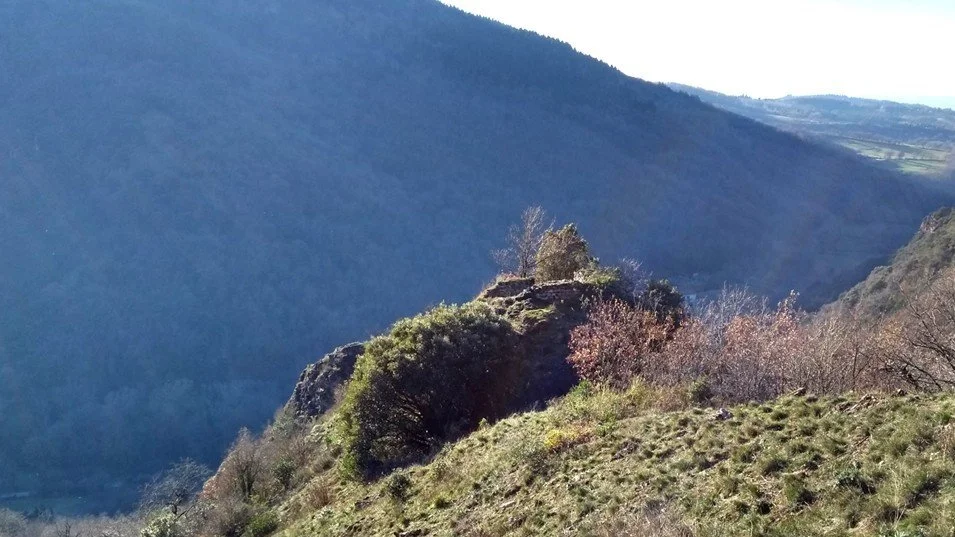
Burnt offerings provide a rare insight into the medieval diet
Analysis of culinary remains – burnt and unburnt – that were discovered in a mountain village in the Montagne Noire provides a fascinating insight into what people were eating seven or eight centuries ago.
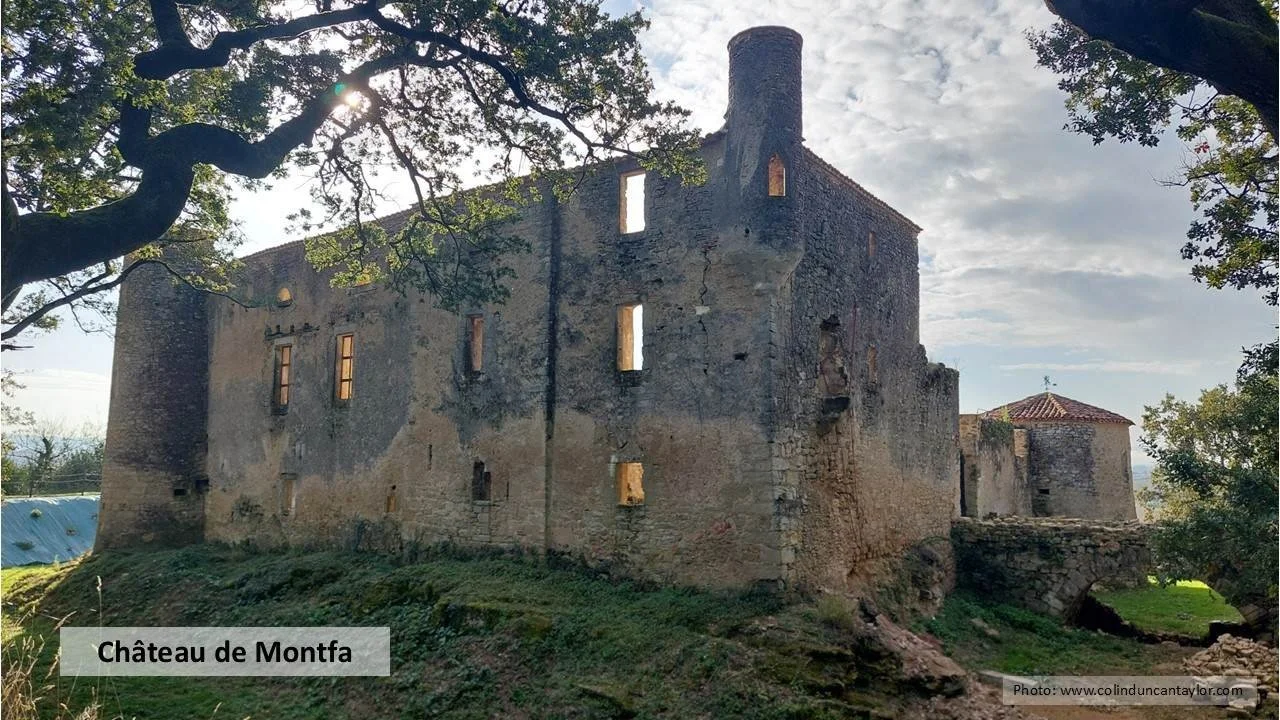
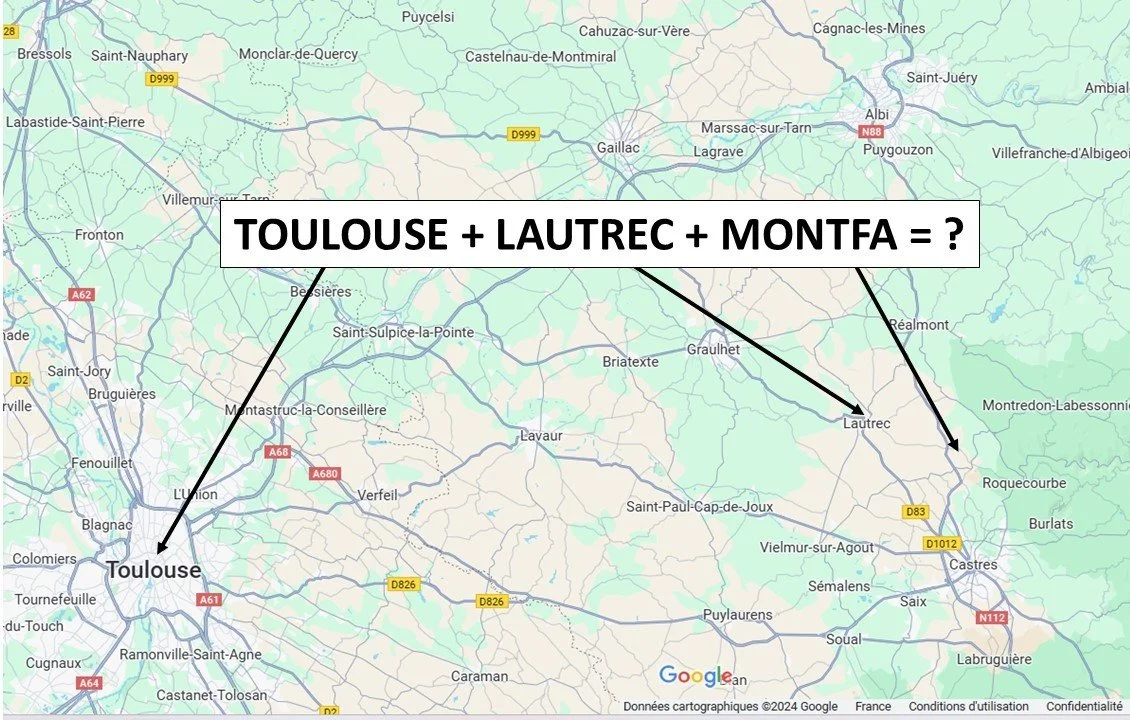
How far to Montfa?
Discover the connection between this castle and the artist Henri de Toulouse-Lautrec.
An artist in the kitchen
Did you know Henri de Toulouse-Lautrec was an accomplished cook as well as a great artist? Try one of his recipes.
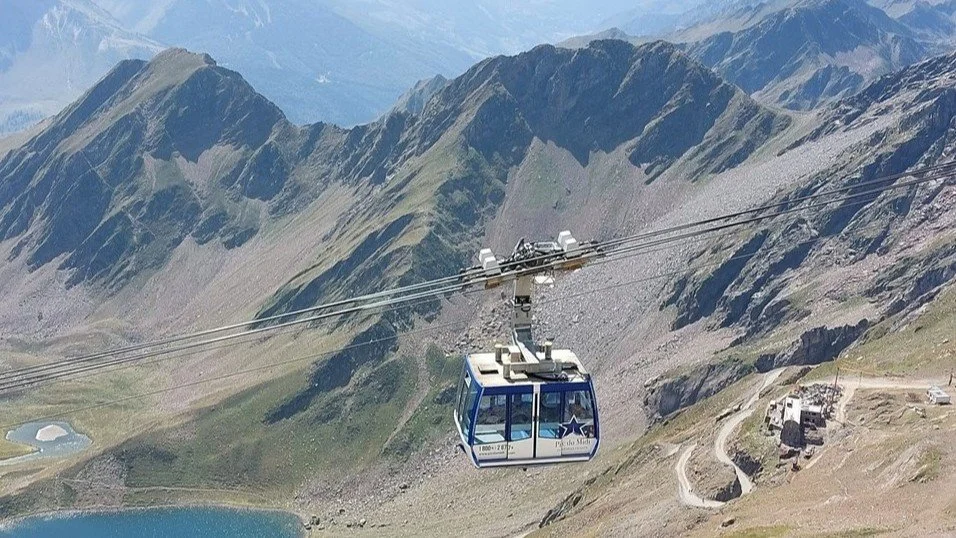
Take a ride to the top of the world and discover the Pic du Midi
There are five Pics du Midi in the Pyrenees. The one from Bigorre is undoubtedly the easiest to reach, and it offers a combination of scientific interest and stunning views of the mountains.
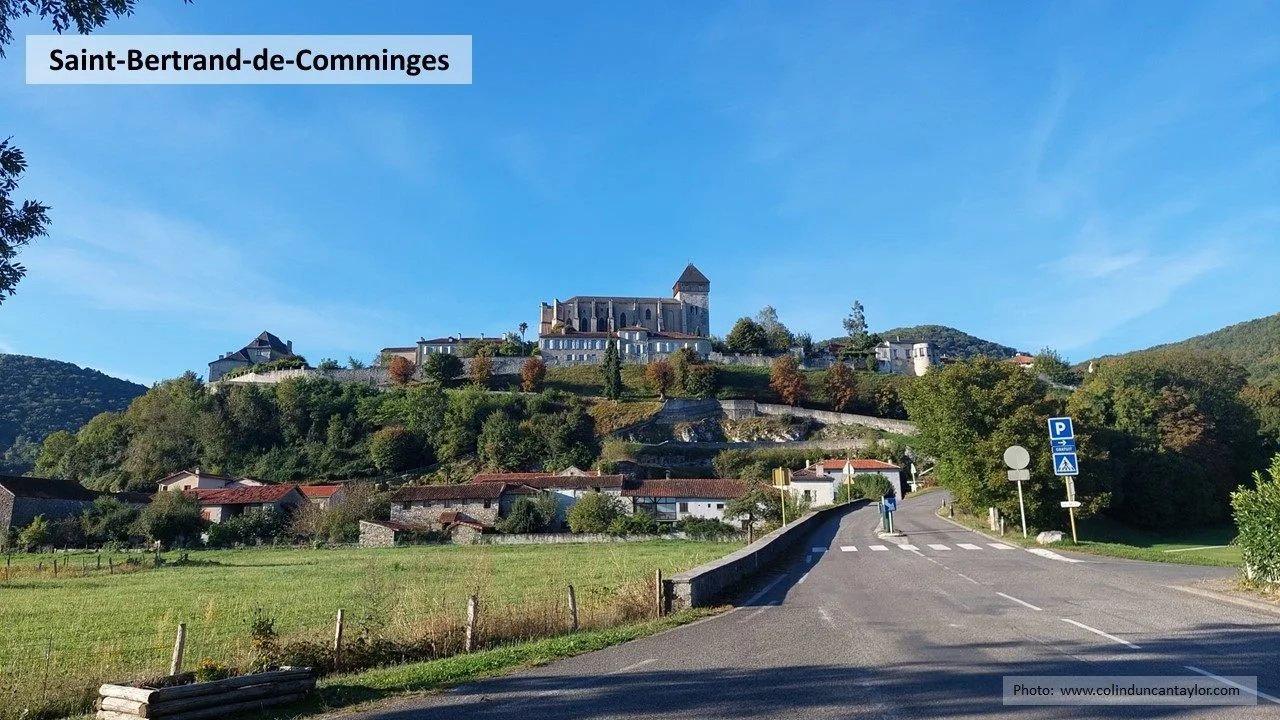
Romans, Christians and Saints
A stroll through the Roman ruins of Lugdunum Convenarum and up to the cathedral of Saint-Bertrand-de-Comminges on its hilltop allows us to visualise the transition from worshipping Roman and pagan gods to embracing Christianity.
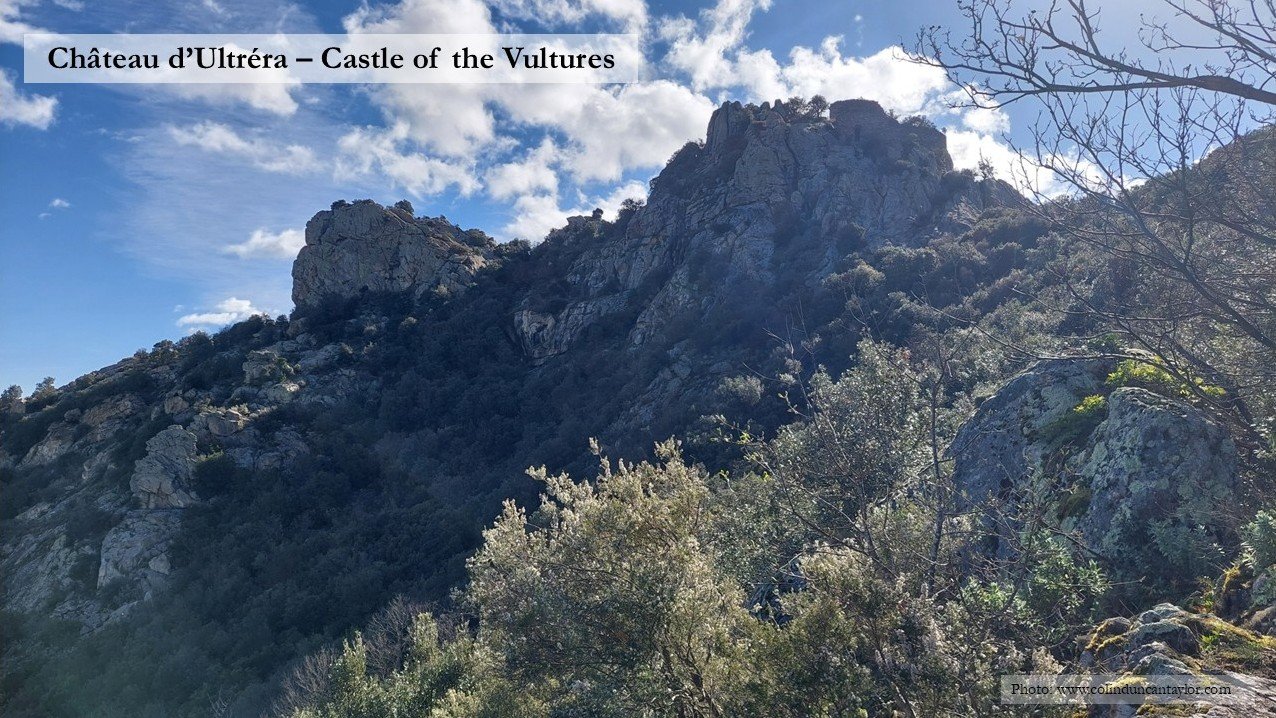
King Wamba and the Castle of the Vultures
Discover a remote castle with splendid views and read the story of a rebellion against the last great king of the Visigoths.
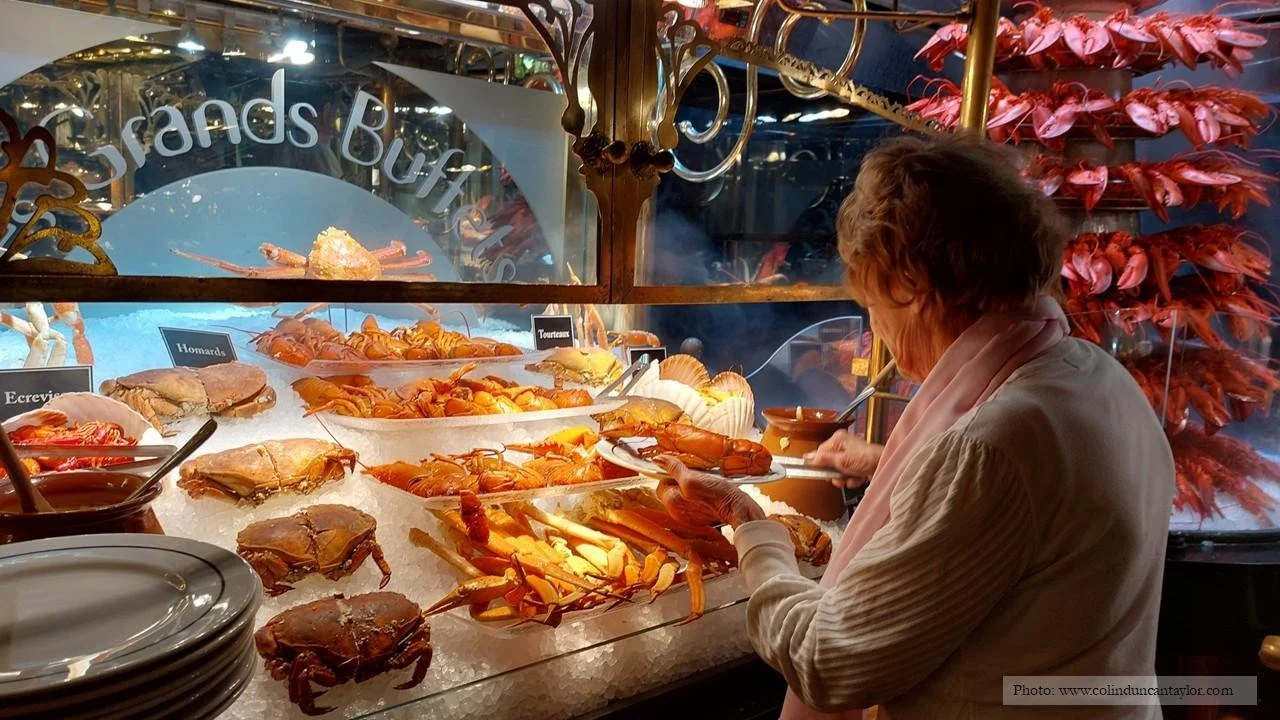
Occitan gastronomy on the grandest scale
I have often written about the gastronomy of southern France, particularly from a historical angle, but never before have I devoted an entire article to a single restaurant. I am making an exception for Les Grands Buffets in Narbonne because it is an exceptional eatery in so many ways.

In the footsteps of Dom Robert
Dom Robert’s tapestries were inspired by nature in general and the Montagne Noire in particular. This country hike visits 11 viewpoints associated with his work.
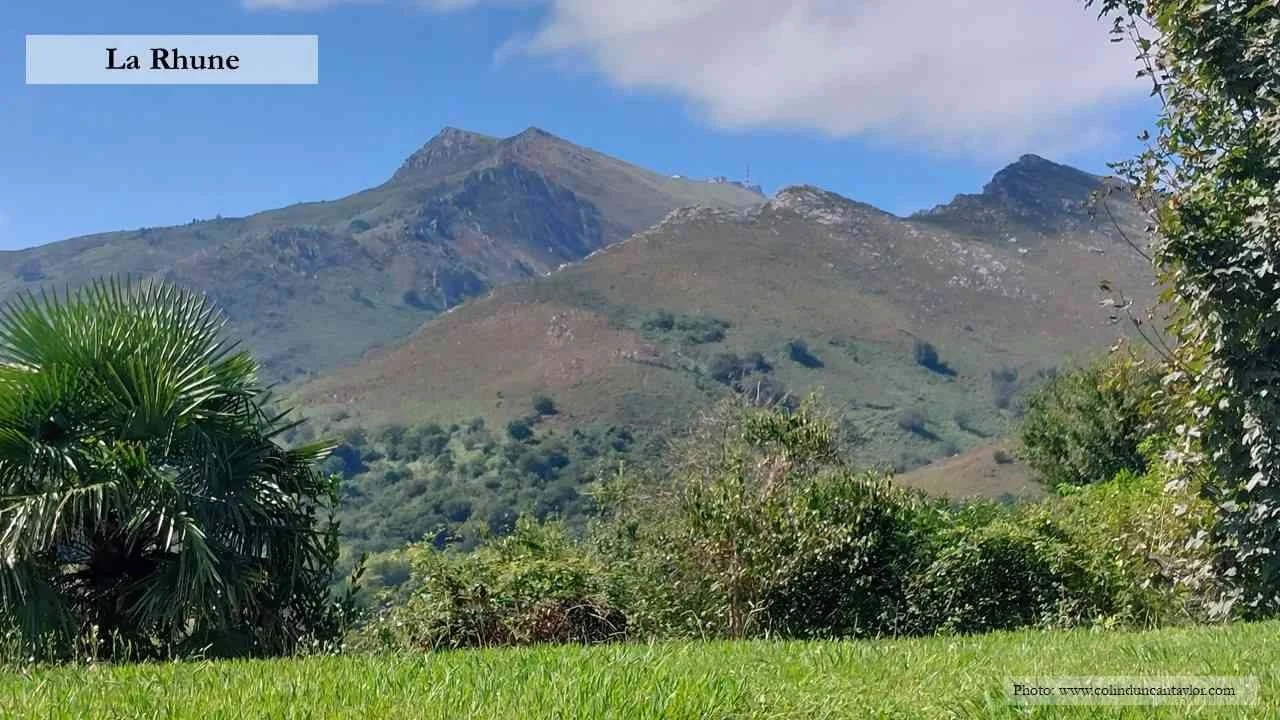
Biarritz, La Rhune and Empress Eugénie
In 1859, Eugénie, wife of Emperor Napoleon III, climbed this mountain in grand style. She also did much to develop tourism in Biarritz, Eaux-Bonnes and other parts of the western Pyrenees. Most modern visitors climb the mountain with the help of the scenic mountain railway.
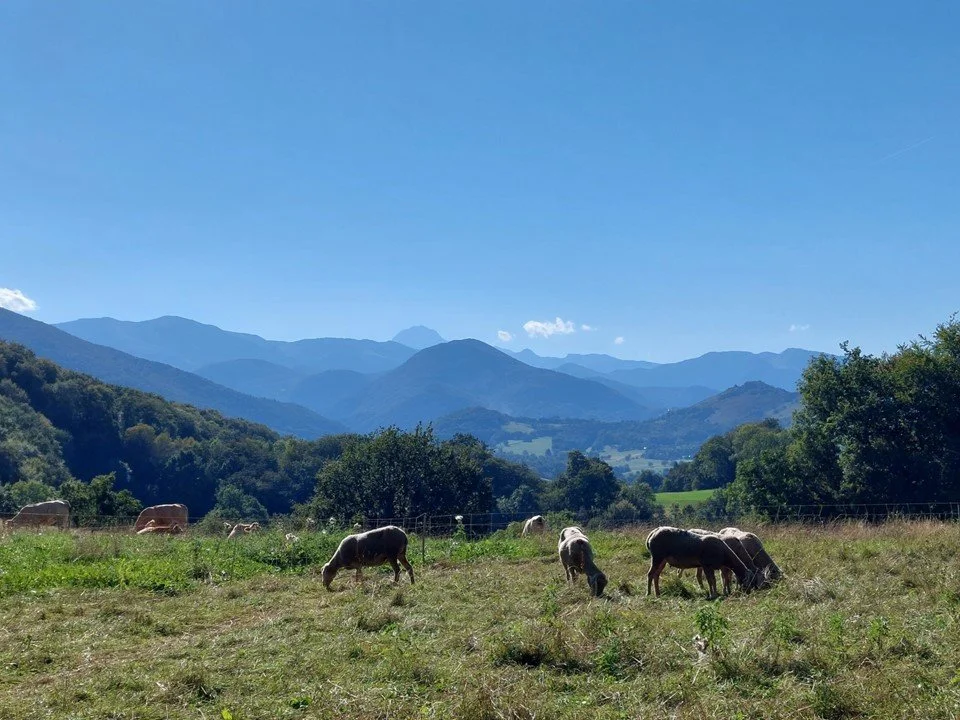
Sacred, secret Pyrenees
I recently discovered a place which soothes the soul in these troubled times, a remote village where the church is unlocked and the bijou museum opens its doors at the touch of a button to reveal its treasures, a place with breathtaking views of Pyrenean peaks.
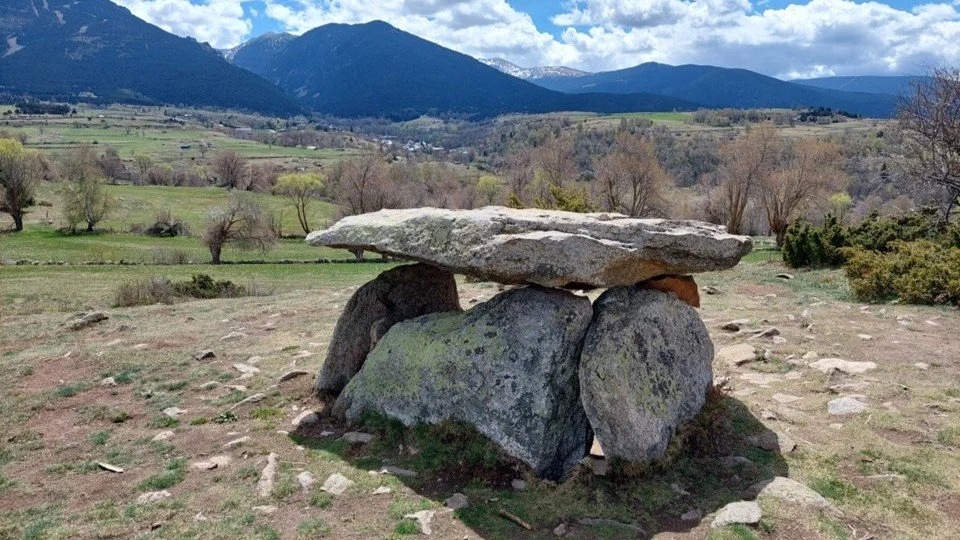
A family stroll through prehistory in the Pyrenees
One of my favourite short walks in the Cerdagne is a five-kilometre balade néolithique, or Stone Age stroll, around the village of Eyne. As well as fine views of the Pyrenees, visitors of all ages will be astonished to discover such a wide range of ancient monuments in such a short distance. To help make sense of it all, the tourist office has erected a well-written and nicely-illustrated information board at each of nine stops along the route.
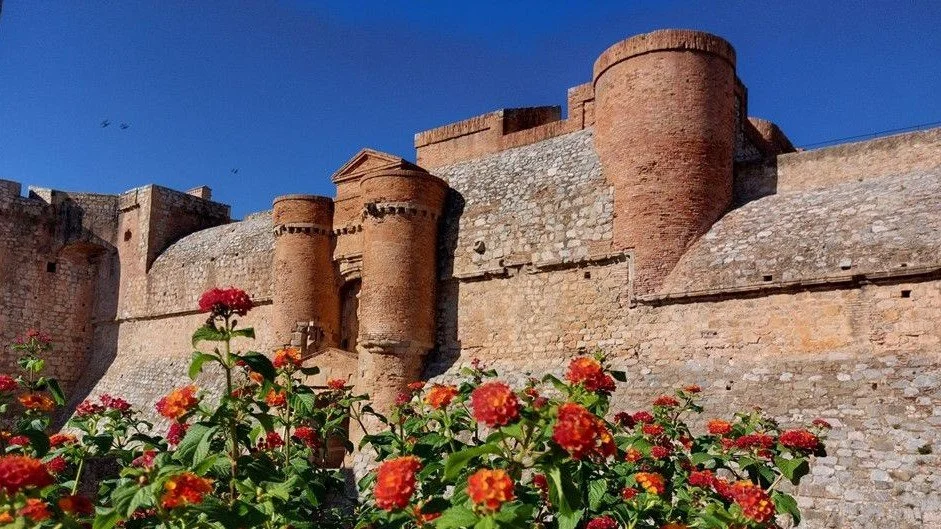
Forteresse de Salses: discovering history on the autoroutes of France
An autoroute rest area with a difference: discover the Forteresse de Salses, built in 1497, besieged many times until it was made redundant in 1659 by the Treaty of the Pyrenees which moved the border 40 kilometres further south.