South of France, the Pyrenees and northern Spain
(latest to oldest articles)
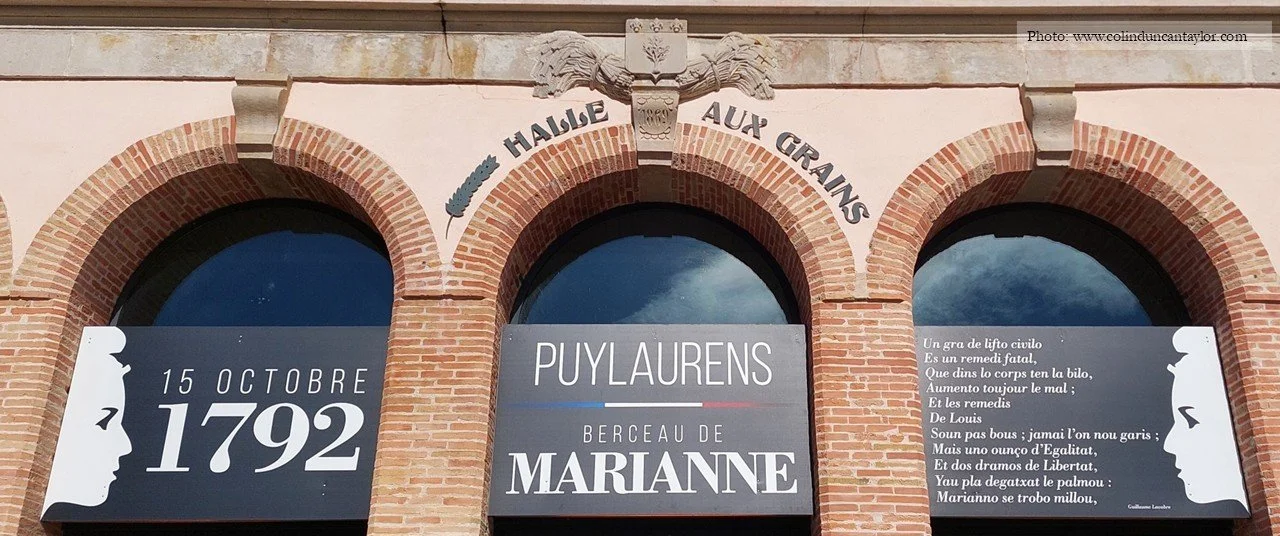
Marianne, symbol of the French republic
Marianne was not a real person. Like Eleanor Rigby or Maggie May, she was dreamt up for a song. Today in France, you will find her image on coins, postage stamps and government documents, and her bust is in most official buildings.
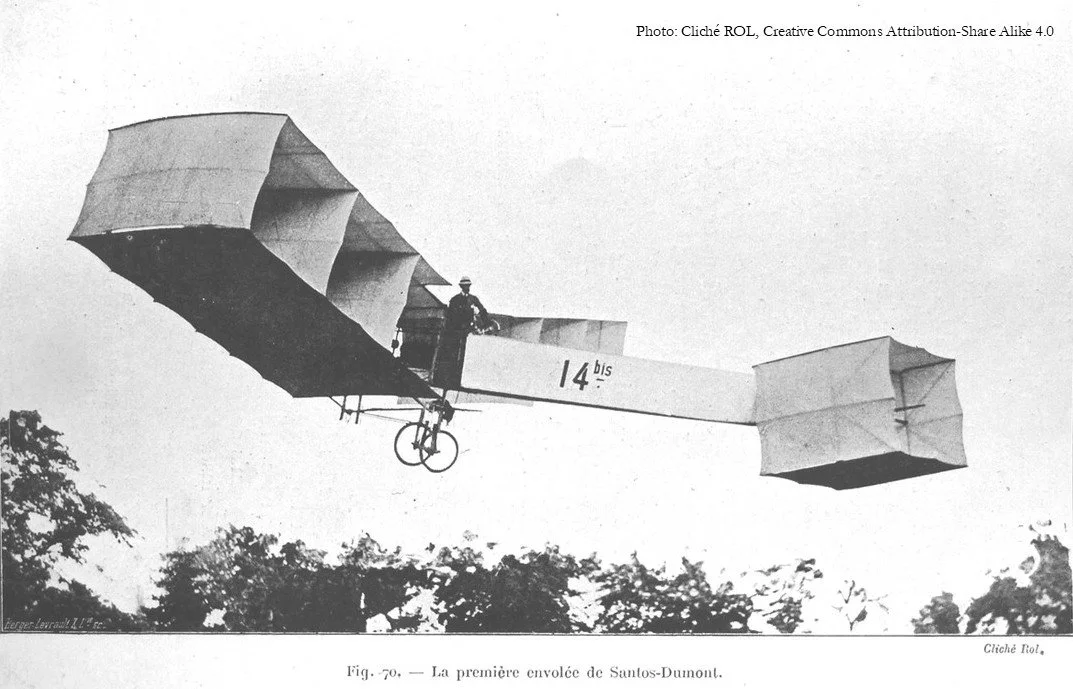
Astonishing tales from the earliest days of French aviation
In 1910, Armand Viguier built a pedal-powered aeroplane in his village church. When war broke out in 1914, he served successively as cavalryman, bomber pilot and fighter pilot. Learn more about his extraordinary career.
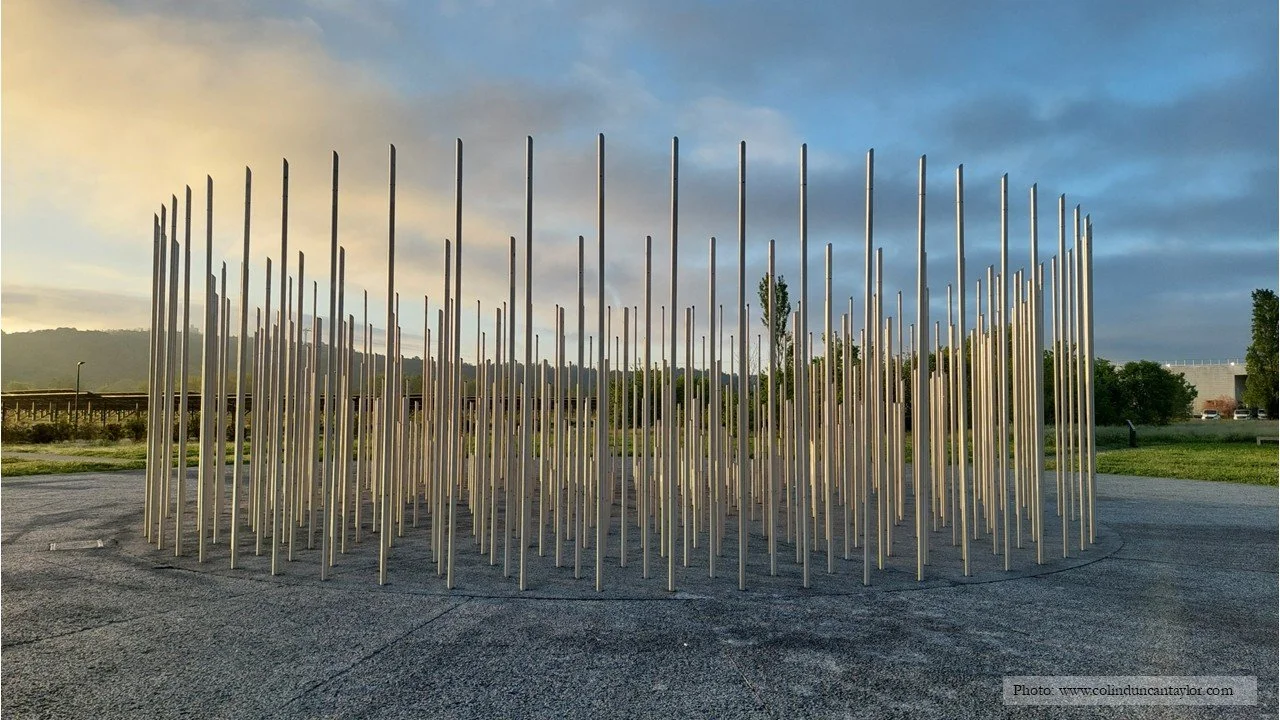
Toulouse: in memory of the exploding fertiliser factory
At 10.17 on 21 September 2001, Toulouse was shaken by an explosion which killed 31 people. The cause? A fertiliser factory run by AZF.
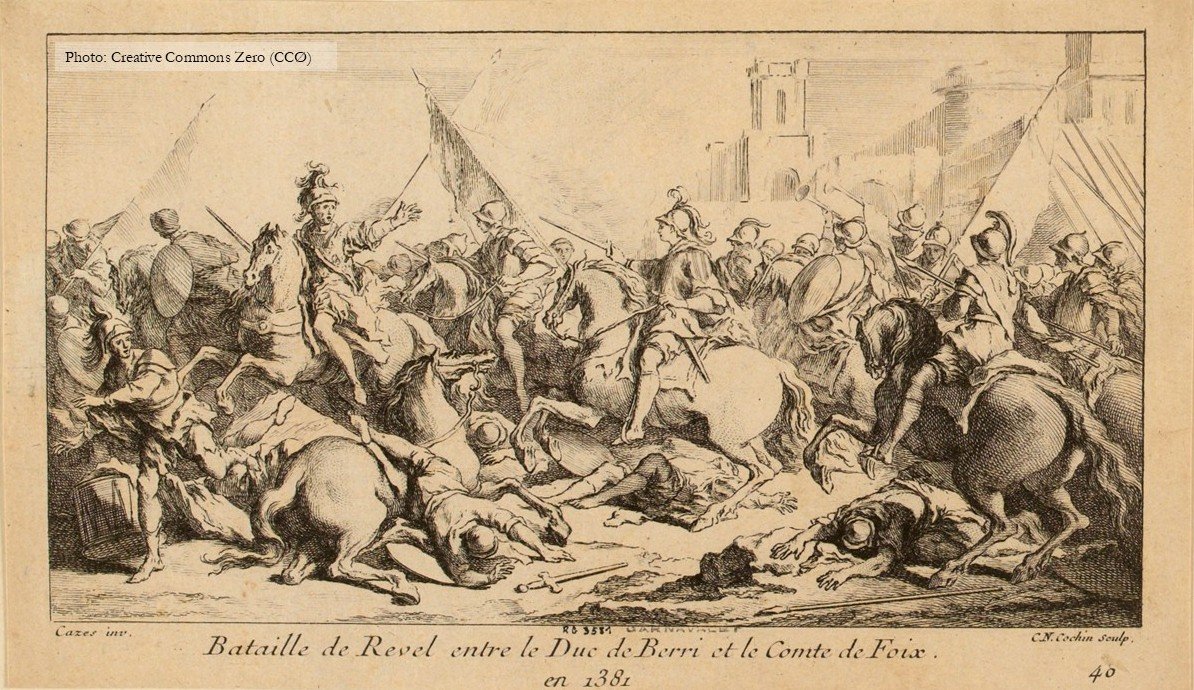
July 1381: The Battle of Montégut-Lauragais (or the Battle of Revel)
During the Hundred Years’ War, English and French armies clashed frequently on the battlefield. At the Battle of Montégut-Lauragais in 1381, a French count confronted a French duke.
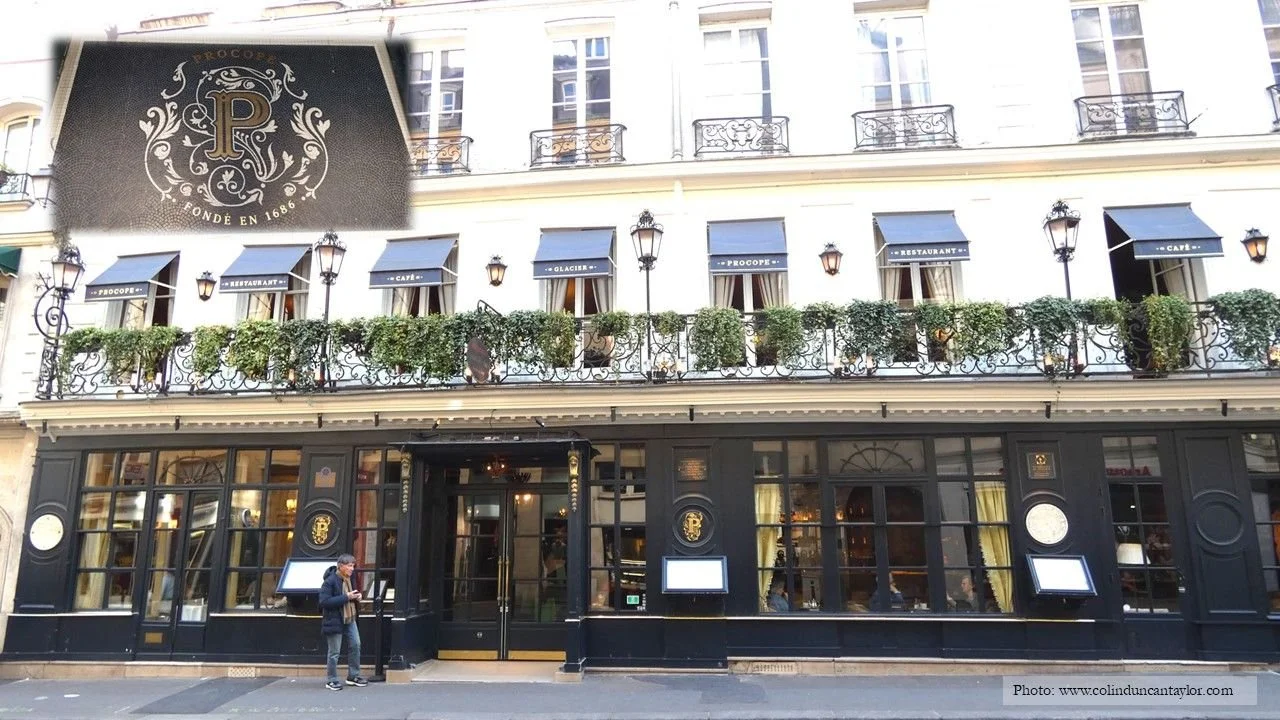
The oldest café in Paris and the story of ice cream
Discover how ice cream helped a young Italian establish a cafe in 1686 that was frequented by Voltaire, Rousseau, Benjamin Franklin, Thomas Jefferson, Danton and Robespierre.
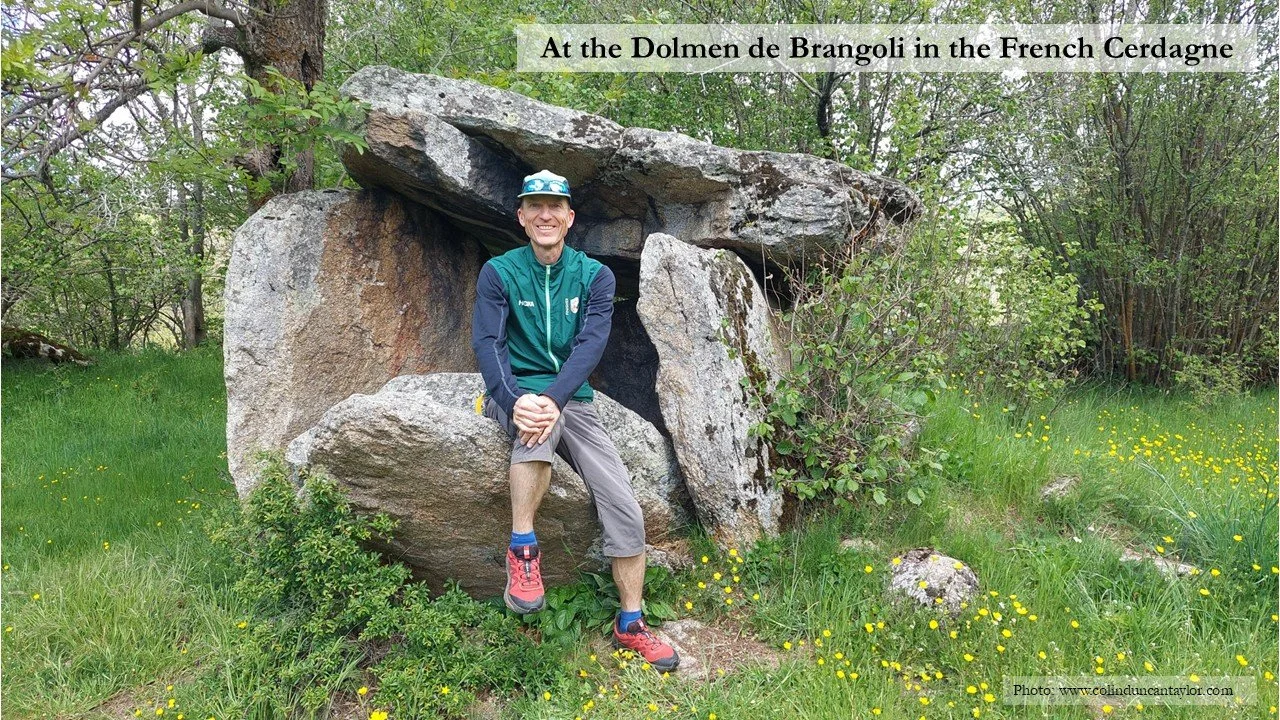
Proud to be writing for Yale University Press
Please be indulgent and allow me to share a wonderful piece of publishing news! It's another good reason for me to love the Pyrenees.
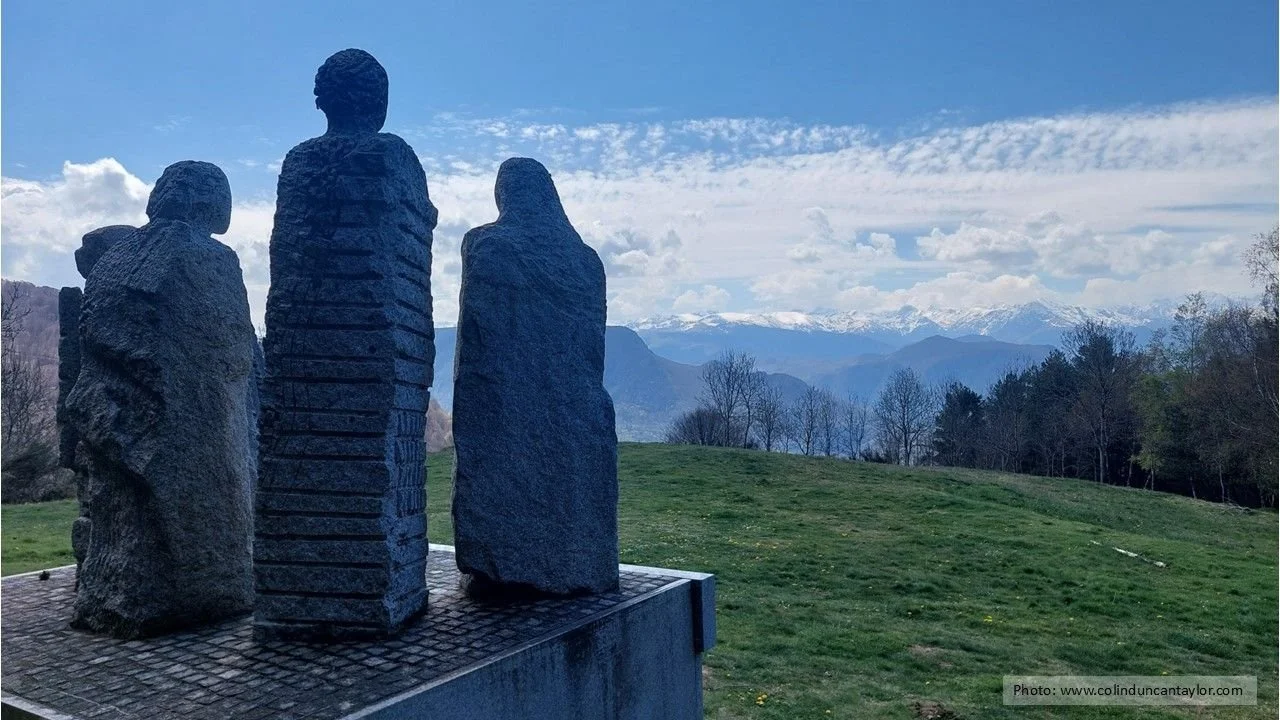
The Resistance, the Bolivian and some deadly caterpillars
In a forest clearing halfway up a mountain, five granite figures stare into the distance and dream of freedom. Who carved them, and what do they represent?
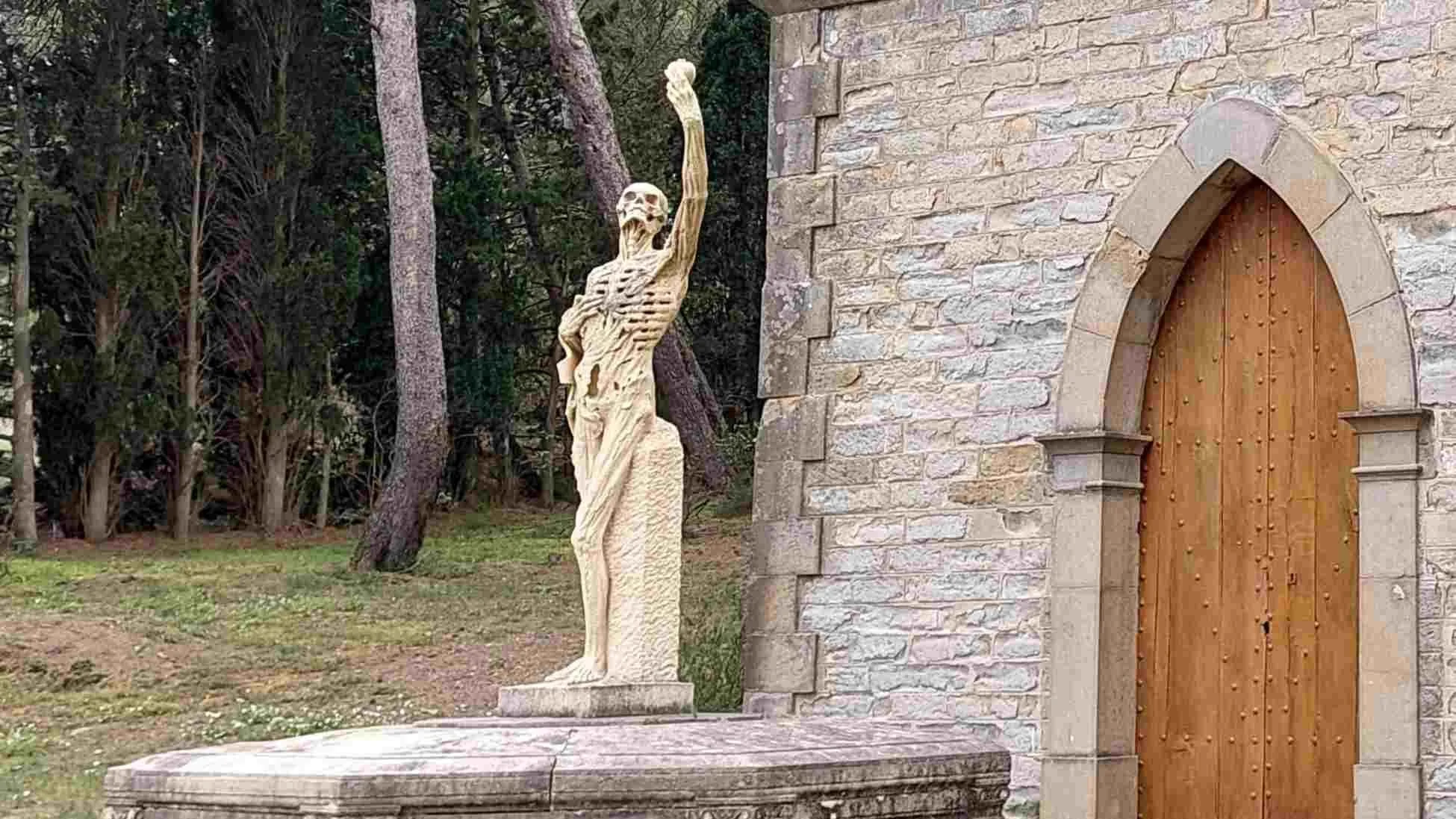
A dramatic tomb for a forgotten playwright
With a poet’s eye for drama, Henry Bataille knew exactly how he wanted to be buried. Although his dramatic output has passed into oblivion, his tomb is unforgettable. It may even give you nightmares.
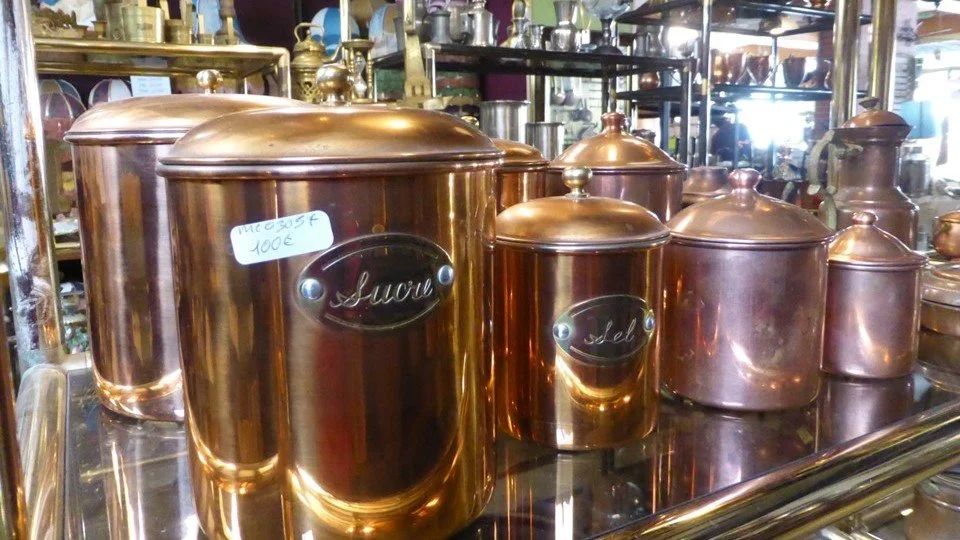
From brigand to metal-basher: explore the copper industry of Durfort
At the foot of the Montagne Noire, the village of Durfort devoted itself to copper for six centuries. Today, one or two shops still offer traditional wares, a copper vessel hangs outside nearly every house, and the village council has recently signposted a 3.5km walk along the river where trip hammers once thumped lumps of copper into shape.
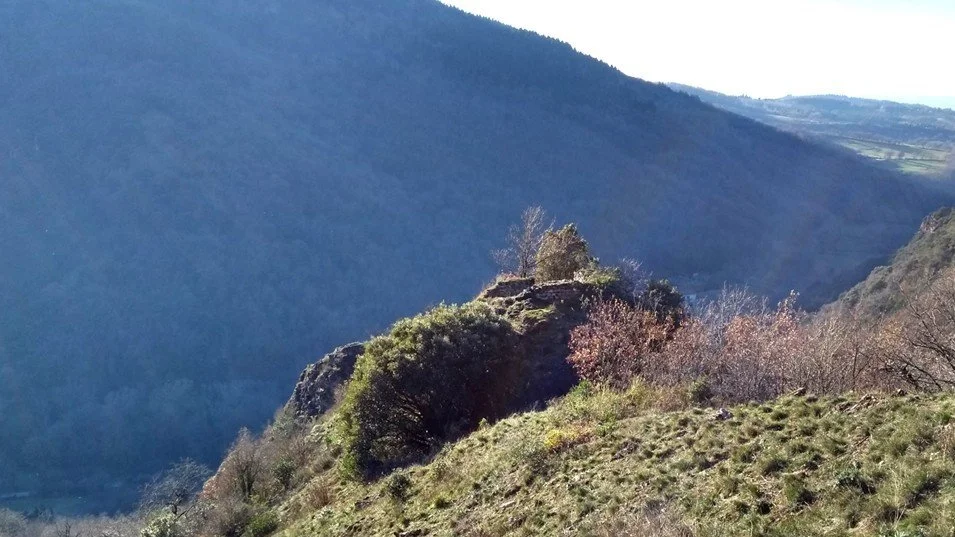
Burnt offerings provide a rare insight into the medieval diet
Analysis of culinary remains – burnt and unburnt – that were discovered in a mountain village in the Montagne Noire provides a fascinating insight into what people were eating seven or eight centuries ago.
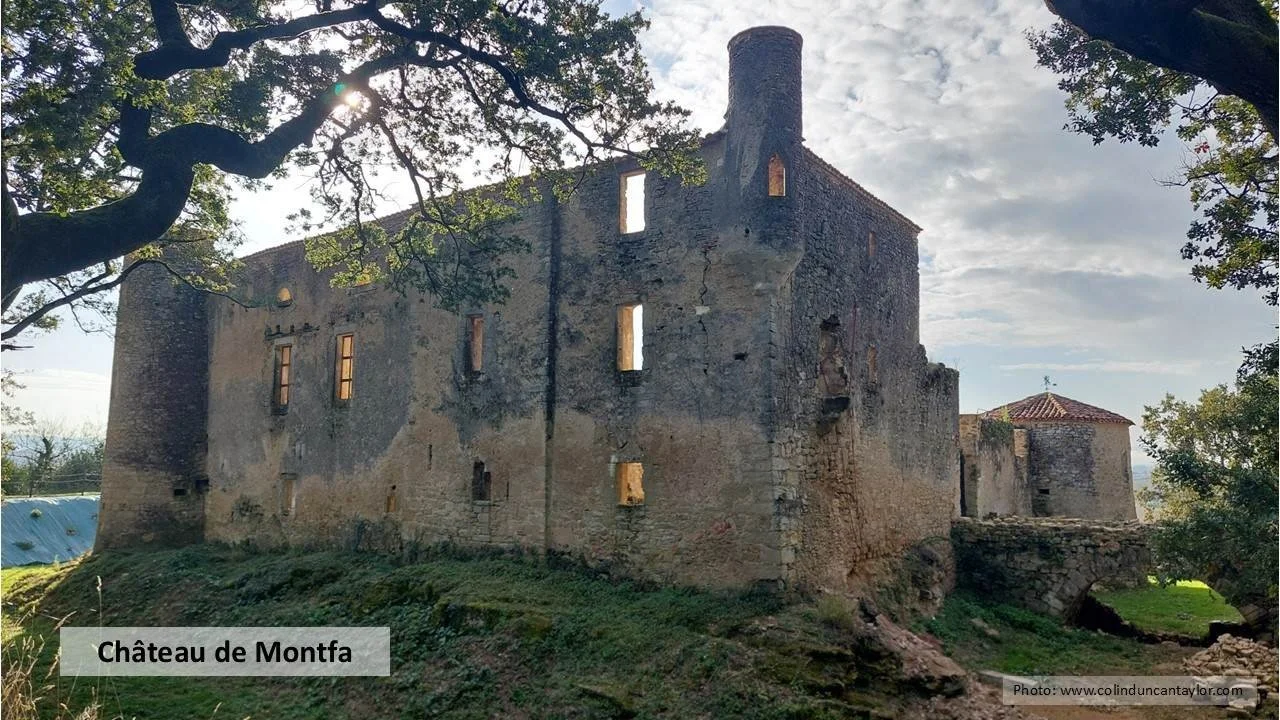
How far to Montfa?
Discover the connection between this castle and the artist Henri de Toulouse-Lautrec.
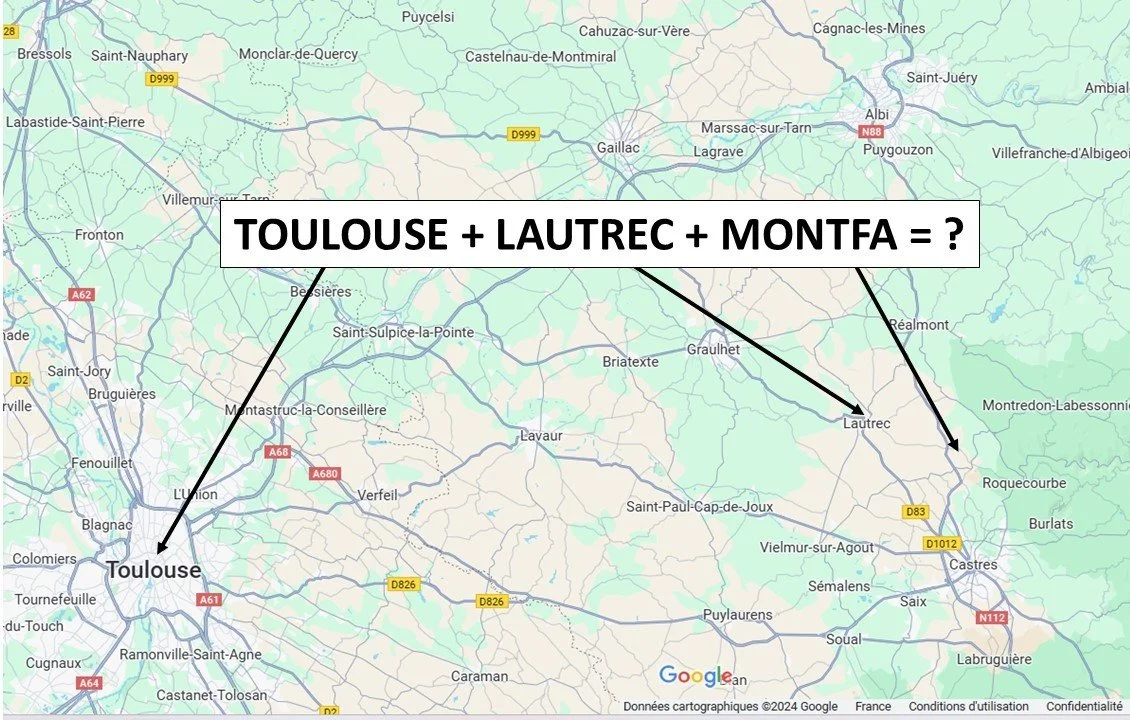
An artist in the kitchen
Did you know Henri de Toulouse-Lautrec was an accomplished cook as well as a great artist? Try one of his recipes.
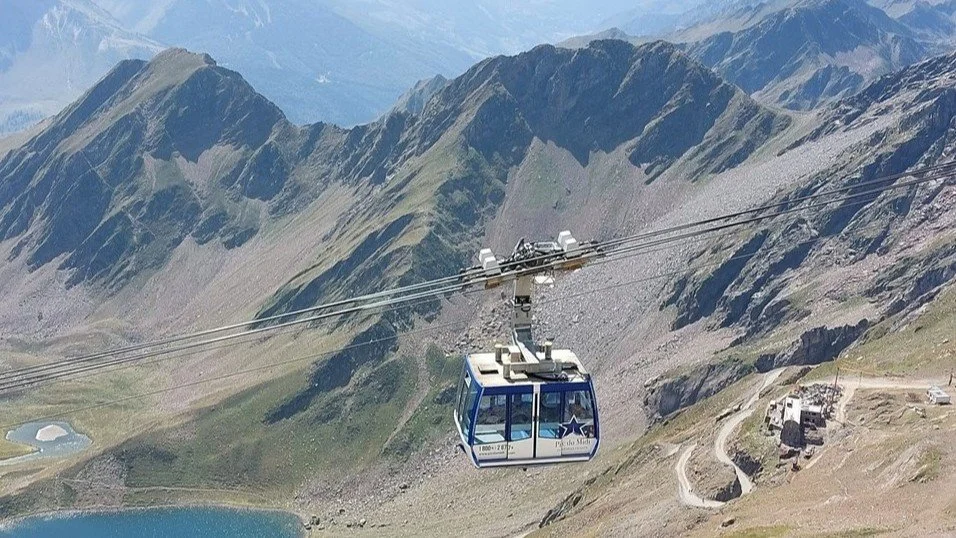
Take a ride to the top of the world and discover the Pic du Midi
There are five Pics du Midi in the Pyrenees. The one from Bigorre is undoubtedly the easiest to reach, and it offers a combination of scientific interest and stunning views of the mountains.
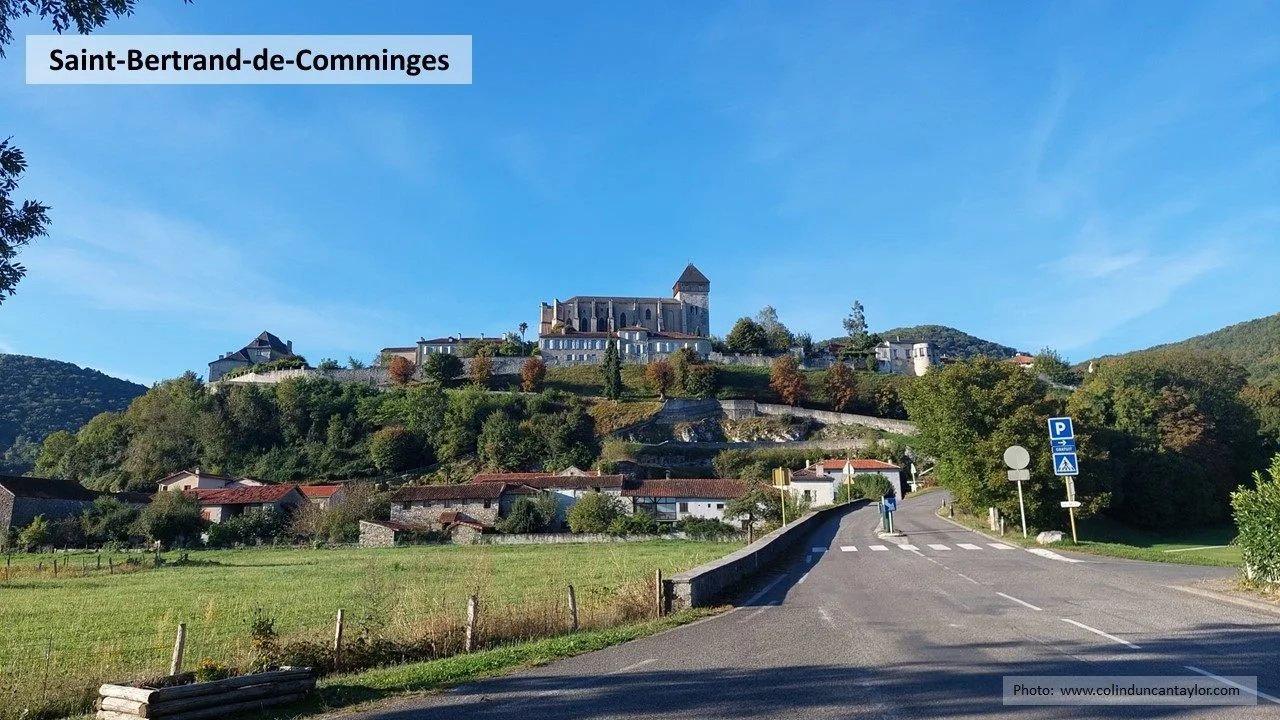
Romans, Christians and Saints
A stroll through the Roman ruins of Lugdunum Convenarum and up to the cathedral of Saint-Bertrand-de-Comminges on its hilltop allows us to visualise the transition from worshipping Roman and pagan gods to embracing Christianity.
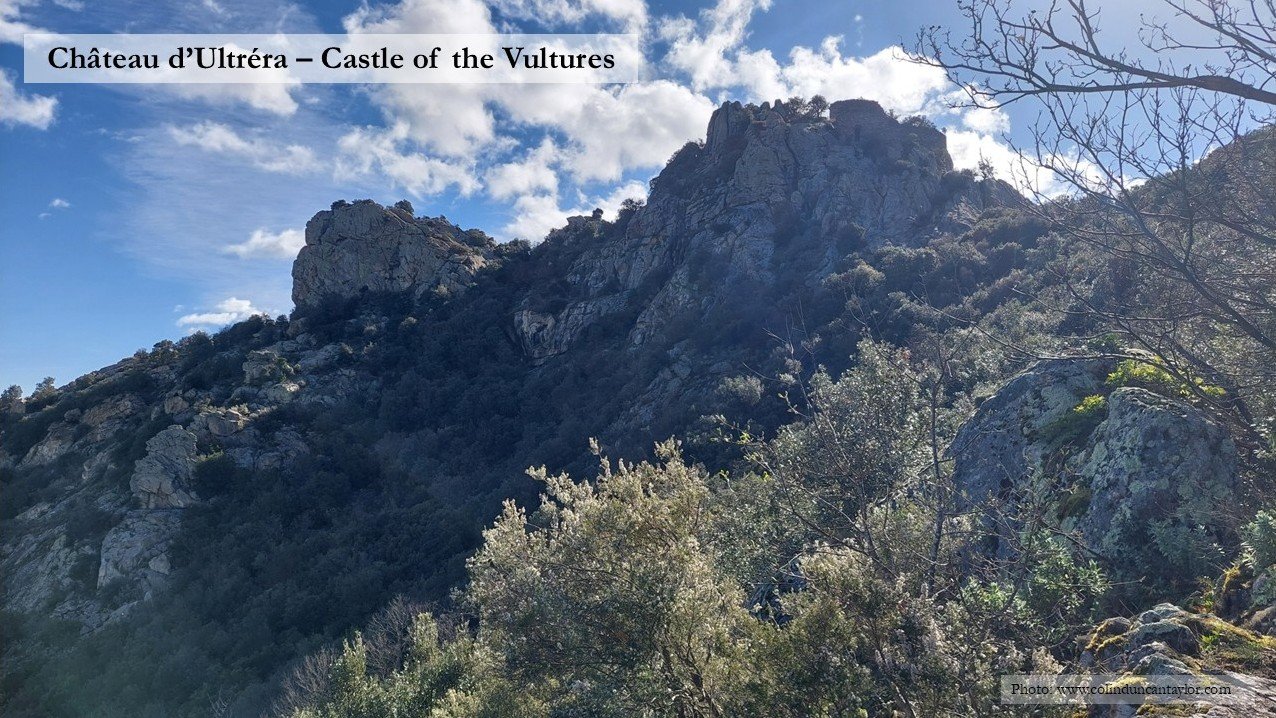
King Wamba and the Castle of the Vultures
Discover a remote castle with splendid views and read the story of a rebellion against the last great king of the Visigoths.